Reactietijd van de klantenservice: normen en hoe je dit kunt verbeteren


Probeer Trengo gratis uit

Trengo brengt WhatsApp, e-mail, internet, sociale media en telefoontjes samen in één inbox, waardoor je team uren aan herhalend werk bespaart en ervoor zorgt dat geen enkel gesprek verloren gaat.
Bekijk Trengo in actie
- Uitgebreide integraties
- Eenvoudige configuratie
- Schaalbare prijsstructuur
Reactietijd van de klantenservice: wat het is en hoe je die kunt verbeteren
Voordat je je in de onderstaande strategieën verdiept, is het handig om precies te weten hoe je ervoor staat. Doe deze korte test van 2 minuten om je Customer Response Score te bepalen. Zo weet je welke verbeteringen het meeste effect zullen hebben voor je team.
Samenvatting
De reactietijd van de klantenservice is een cruciale maatstaf die aangeeft hoe snel een bedrijf op vragen reageert, en die direct van invloed is op de tevredenheid en het behoud van klanten. In deze uitgebreide gids worden de belangrijkste benchmarks voor de sector op het gebied van e-mail, live chat en sociale media in 2026 besproken, en wordt uitgelegd waarom snelheid zo sterk samenhangt met klantloyaliteit. We bieden ook praktische strategieën met behulp van gecentraliseerde inboxen, AI-automatisering en slimme routering om wachttijden drastisch te verkorten en je klantenservice te optimaliseren.
TL;DR
- De reactietijd van de klantenservice is de tijd tussen de vraag van een klant en het eerste antwoord, of dat nu door een medewerker of automatisch wordt gegeven.
- Snelle reacties zorgen direct voor hogere scores op klanttevredenheid (CSAT) en meer omzet.
- De verwachtingen verschillen sterk per kanaal: bij live chat wordt een reactie binnen enkele seconden verwacht, terwijl je bij e-mail enkele uren de tijd hebt.
- Veelvoorkomende knelpunten zijn onder meer losstaande tools, handmatige gegevensinvoer en een gebrek aan slimme automatisering.
- Het invoeren van een centrale inbox en AI-agenten zijn de meest effectieve manieren om de reactietijden direct drastisch te verkorten.
Wat is de reactietijd van de klantenservice?
De reactietijd van de klantenservice is de tijd die verstrijkt tussen het moment dat een klant contact opneemt – via e-mail, chat of sociale media – en het moment dat hij een antwoord krijgt van een medewerker of het systeem. Het is een essentiële Key Performance Indicator (KPI) voor supportteams en fungeert als een directe graadmeter voor operationele efficiëntie en de prioriteit die aan klanten wordt gegeven. Bij het bijhouden van deze statistiek is het essentieel dat managers onderscheid maken tussen **First Response Time (FRT)** en **Total Resolution Time**. FRT meet de snelheid van de eerste bevestiging, waarmee de klant te horen krijgt dat er naar hem geluisterd is. De oplostijd daarentegen meet de tijd die nodig is om het ticket volledig af te sluiten. Hoewel het oplossen van het probleem het uiteindelijke doel is, zorgt een snelle reactietijd van de klantenservice ervoor dat ongerustheid wordt voorkomen en direct vertrouwen wordt opgebouwd. In de huidige wereld is de reactietijd van de klantenservice niet zomaar een statistiek; het is een concurrentievoordeel.
Waarom is de reactietijd zo belangrijk bij klantenservice?
Het belang van reactietijd bij klantenservice kan niet genoeg worden benadrukt. In de digitale economie van 2026 is snelheid vaak het belangrijkste verschil tussen een trouwe merkambassadeur en een verloren lead. Snelle reacties hangen rechtstreeks samen met hogere scores voor klanttevredenheid (CSAT) en sterke Net Promoter Scores (NPS). Als een klant snel antwoord krijgt, ziet hij het merk als betrouwbaar, professioneel en zorgzaam. Omgekeerd komt een scenario waarin een klant niet reageert vaak voort uit de frustratie die wordt veroorzaakt door lange wachttijden, waardoor klanten de interactie helemaal afbreken. Naast tevredenheid zorgen snelle reacties ook voor een aanzienlijke stijging van de verkoopconversies. Uit gegevens blijkt keer op keer dat leads veel vaker converteren als ze binnen het 'gouden uur' na hun vraag een antwoord krijgen. Door de wrijving tussen een vraag en een antwoord te minimaliseren, kunnen bedrijven interesse vastleggen op het exacte moment dat de intentie ontstaat, waardoor het verloop wordt verminderd en de omzet wordt gemaximaliseerd.
Gemiddelde responstijden voor klantenservice per kanaal
De verwachtingen ten aanzien van de reactietijd van de klantenservice lopen sterk uiteen, afhankelijk van het communicatiemiddel. Klanten begrijpen intuïtief dat een e-mail wat langer kan duren dan een bericht via live chat. Maar grote spelers in de sector en bedrijven die van huis uit digitaal zijn, hebben de lat ongelooflijk hoog gelegd, waardoor de gemiddelde reactietijd van de klantenservice over de hele linie is gedaald. Om concurrerend te blijven, moet jouw team aan deze kanaalspecifieke normen voldoen of ze zelfs overtreffen.
Referentiewaarden voor de reactietijd op e-mails
Hoewel e-mail technisch gezien een asynchroon kanaal is, is de tijd dat je 48 uur op een antwoord moest wachten allang voorbij. Bij gewone bedrijven ligt de gemiddelde reactietijd op e-mails meestal tussen de 12 en 24 uur. Maar om ondersteuning van wereldklasse te bieden en je te onderscheiden in een drukke markt, moeten teams streven naar een FRT van minder dan een uur. Het verkleinen van de kloof tussen vraag en antwoord bij e-mailondersteuning is cruciaal, omdat e-mail vaak wordt gebruikt voor complexere kwesties met grote belangen. Een vertraagde reactie kan hier een klein technisch probleem laten escaleren tot een grote klacht.
Reactietijd op sociale media
Platforms als X (voorheen Twitter), Facebook en Instagram zijn gebaseerd op het principe van directheid. Gebruikers die door hun feeds scrollen, verwachten vrijwel onmiddellijke bevrediging. Als een klant een klacht tweet of een vraag over een product stelt op Instagram, kan een vertraging van enkele uren leiden tot een negatief sentiment dat zich snel verspreidt of een gemiste verkoop. Over het algemeen wordt op sociale media een reactie binnen 60 minuten verwacht, maar topmerken reageren vaak al binnen 15 minuten. Deze snelheid in de publieke communicatie laat alle volgers zien dat het merk actief en attent is.
Reactietijd via live chat en WhatsApp
Live chat betekent een gesprek in realtime. Als er in de widget op je website ‘Online’ staat, verwachten klanten binnen enkele seconden een reactie, niet binnen enkele minuten. De norm voor live chat-software is vaak minder dan twee minuten voor een eerste reactie. Als de wachttijd langer is, schiet het aantal afhakers omhoog. Ook WhatsApp-gebruikers zien het kanaal als een vorm van instant messaging en verwachten dezelfde reactiesnelheid als bij vrienden en familie. Vertragingen voelen hier persoonlijk aan en kunnen de klantrelatie ernstig schaden.
Waarom duurt klantenservice zo lang? (Veelvoorkomende knelpunten)
Als je team worstelt met trage reactietijden, komt dat zelden doordat medewerkers niet hard genoeg werken. Meestal gaat het om een structureel probleem met processen of tools. Een van de meest voorkomende redenen waarom klantenservice zo lang duurt, is het gebruik van tools die niet op elkaar zijn afgestemd. Medewerkers moeten vaak schakelen tussen een e-mailprogramma, een CRM-systeem en een verzenddashboard om één enkele vraag te beantwoorden, wat een ‘schakeltijd’ veroorzaakt die kostbare tijd opslokt. Bovendien betekent een gebrek aan automatisering dat hoogopgeleide mensen vastzitten aan het typen van dezelfde antwoorden op repetitieve vragen, zoals "Waar is mijn bestelling?" of "Wat is jullie retourbeleid?" Een andere belangrijke factor is het "trage reactie bij afwezigheid"-effect, waarbij tickets die zijn toegewezen aan een afwezige medewerker onbeantwoord blijven omdat er geen gezamenlijke inbox of overdrachtsproces is om de bedrijfscontinuïteit te waarborgen.
Hoe je de reactietijd van de klantenservice kunt verbeteren
Om de reactietijd te verbeteren, moeten bedrijven verder gaan dan alleen maar van medewerkers vragen om sneller te typen. De oplossing ligt in slimmer werken door gebruik te maken van gecentraliseerde technologie en intelligente automatisering. Door het juiste ecosysteem te implementeren, kun je wachttijden drastisch verkorten zonder dat je extra personeel hoeft aan te nemen. Hier lees je hoe je de reactietijd van je klantenservice kunt verbeteren met een platform als Trengo.
Breng je communicatiekanalen samen in één centrale inbox
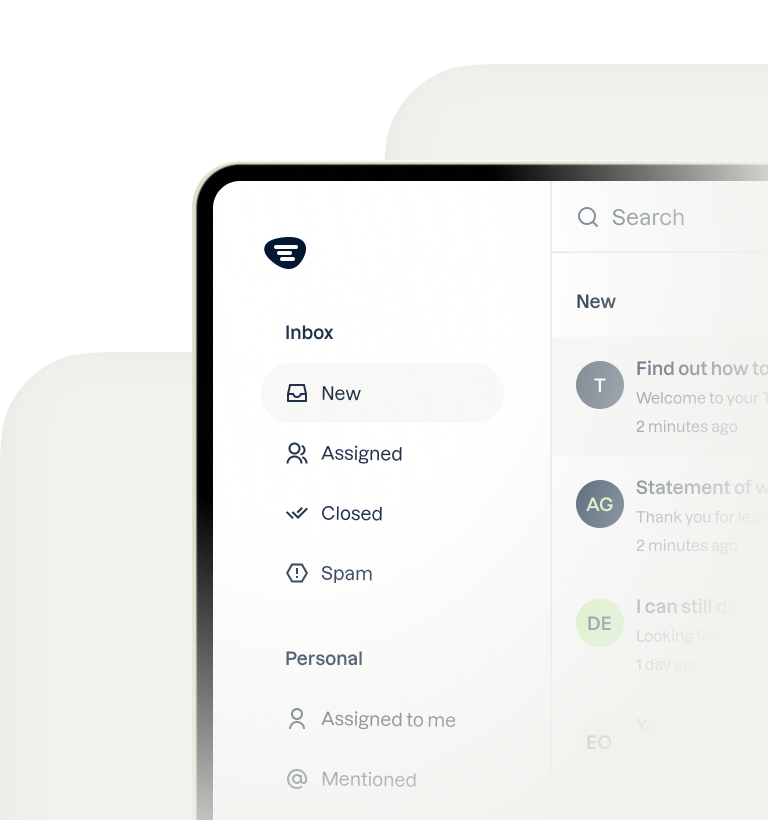
De meest effectieve manier om snel op vragen te reageren, is door een einde te maken aan de chaos van talloze tabbladen. Door e-mail, sociale media, WhatsApp en live chat in één overzicht te bundelen, besparen medewerkers bij elke interactie kostbare seconden. Uit een casestudy over een team-inbox blijkt dat het samenvoegen van kanalen voorkomt dat tickets tussen alle berichten verdwijnen en ervoor zorgt dat elke vraag voor het hele team zichtbaar is. Deze centralisatie maakt directe samenwerking mogelijk: medewerkers kunnen collega’s in interne opmerkingen taggen om snel antwoord te krijgen, zonder dat er e-mails heen en weer gestuurd hoeven te worden.
Automatiseer eerste reacties met Flow-bots en AI
Automatisering is het geheime wapen om de FRT te verlagen en 24/7 beschikbaarheid te garanderen. Je kunt geautomatiseerde klantenservice met AI implementeren om de eerste interactie direct af te handelen. Zelfs als er niet meteen een menselijke medewerker beschikbaar is, kan een Flowbot de klant begroeten, het probleem categoriseren en om de nodige gegevens vragen, zoals ordernummers. In veel gevallen kan de AI eenvoudige veelgestelde vragen direct oplossen, waardoor het ticket helemaal uit de wachtrij voor menselijke medewerkers verdwijnt. Dit zorgt ervoor dat de klant zich direct geholpen voelt, ongeacht het tijdstip van de dag.
Gebruik standaardantwoorden en sjablonen
Elke dag tien keer dezelfde uitleg over het beleid intypen is een enorme verspilling van middelen. Supportteams zouden een uitgebreide bibliotheek met standaardantwoorden (snelle reacties) voor veelgestelde vragen moeten samenstellen. Met Trengo kunnen medewerkers deze vooraf opgestelde, door het merk goedgekeurde sjablonen met een paar toetsaanslagen invoegen, waardoor de actieve afhandelingstijd per ticket drastisch wordt verkort. Door deze te combineren met voorbeeldberichten voor WhatsApp Business kun je de kwaliteit van de dienstverlening standaardiseren en tegelijkertijd de doorlooptijd aanzienlijk versnellen.
Implementeer slimme routering en regels
Handmatige triage is een knelpunt dat de afhandeling vertraagt. In plaats van dat een manager elke ochtend handmatig tickets aan medewerkers toewijst, kun je slimme routeringsregels gebruiken om specifieke vragen automatisch naar de juiste medewerkers of teams te sturen op basis van trefwoorden, taal of kanaal. Je kunt bijvoorbeeld taalgebonden vragen direct doorsturen naar medewerkers die de taal vloeiend spreken, of technische problemen meteen naar Tier 2-ondersteuning. Dit voorkomt het interne heen-en-weer-gepraat dat de uiteindelijke oplossing vertraagt en zorgt ervoor dat de expert het probleem vanaf het begin afhandelt.
Veelgestelde vragen (FAQ)
Wat is een goede reactietijd voor de klantenservice?
Hoe snel je moet reageren bij klantenservice hangt af van het kanaal: binnen 1 uur voor e-mail, binnen 2 minuten voor live chat en binnen 1 uur voor sociale media. Als je deze richtlijnen haalt of overtreft, is dat ideaal om een hoge klanttevredenheid en vertrouwen te behouden.
Wat is de 10-tot-10-regel in de klantenservice?
Volgens de traditionele 10-10-regel moet je een klant binnen 3 meter visueel begroeten of binnen 10 seconden mondeling reageren. In een digitale context betekent dit dat je een digitale aanvraag direct na ontvangst moet beantwoorden, wat vaak gebeurt via automatische antwoorden of chatbots.
Hoe bereken je de gemiddelde reactietijd?
Om de gemiddelde reactietijd van de klantenservice te berekenen, deel je de totale tijd die nodig was om alle tickets in een bepaalde periode te beantwoorden door het totale aantal ontvangen tickets. Geavanceerde supportplatforms bieden AI-chatbot-analyses en dashboards waarmee je deze statistieken over de reactietijd van de klantenservice automatisch kunt bijhouden.
Welke gevolgen heeft een trage reactietijd voor het bedrijf?
Een trage reactie leidt tot frustratie bij klanten, negatieve beoordelingen, meer klantverloop en een beschadigde merkreputatie. In zeer concurrerende markten stappen klanten gewoon over naar een concurrent die sneller reageert, wat direct invloed heeft op je winst.
Meer van dit



Ervaar de impact van Trengo en AI
Een betere, snellere service en meer loyale klanten. Bundel alle klantcontactkanalen op één platform en lever een uitmuntende service met AI.