E-mailmarketing voor e-commerce: de ultieme gids

Probeer Trengo gratis uit

Trengo brengt WhatsApp, e-mail, internet, sociale media en telefoontjes samen in één inbox, waardoor je team uren aan herhalend werk bespaart en ervoor zorgt dat geen enkel gesprek verloren gaat.
Bekijk Trengo in actie
- Uitgebreide integraties
- Eenvoudige configuratie
- Schaalbare prijsstructuur
Wat is e-mailmarketing voor e-commerce?
Samenvatting
Effectieve e-mailmarketing voor e-commerce gaat verder dan het versturen van massale promotie-e-mails; het gaat om het creëren van een complete communicatiecyclus om leads te koesteren, klanten te converteren en loyaliteit op te bouwen. De echte winstgevendheid in 2026 zit niet alleen in het versturen van campagnes, maar in het efficiënt beheren van de tweerichtingsgesprekken die daaruit voortvloeien. Door deze klantinteracties in één enkele inbox te bundelen, kunnen merken elk e-mailantwoord omzetten in een verkoopkans of een uitstekende klantervaring, wat direct de omzet en klantbehoud een boost geeft.
TL;DR
- E-mailmarketing voor e-commerce levert een enorm hoog rendement op, vaak meer dan $ 40 voor elke $ 1 die je uitgeeft.
- De sleutel tot succes is het goed begeleiden van de interacties die volgen op e-mailcampagnes, en niet alleen het versturen ervan.
- Een succesvolle strategie bestaat uit een combinatie van geautomatiseerde e-mails (welkomstmails, herinneringen bij verlaten winkelwagen) en handmatige campagnes (nieuwsbrieven, uitverkoopacties).
- Segmentatie en personalisatie zijn cruciaal om relevante berichten te versturen die tot conversies leiden.
- Door een omnichannel-inbox zoals Trengo te gebruiken, worden e-mailreacties en reacties via andere kanalen gebundeld, waardoor marketinginspanningen direct tot omzet leiden.
- Een e-maillijst is een waardevol bezit dat niet onderhevig is aan algoritmewijzigingen op andere platforms.
E-mailmarketing voor e-commerce is een direct communicatiekanaal dat onlinebedrijven gebruiken om leads te koesteren, potentiële klanten om te zetten in klanten en bestaande klanten te behouden via gerichte, gepersonaliseerde digitale berichten. Het is veel geavanceerder dan het versturen van algemene e-mailcampagnes. Een succesvolle aanpak is datagestuurd en maakt gebruik van klantgedrag en aankoopgeschiedenis om op het juiste moment de juiste boodschap te sturen. De belangrijkste doelen zijn om verkeer naar je webwinkel te leiden, specifieke producten te promoten, blijvende merkloyaliteit op te bouwen en uiteindelijk de omzet te verhogen. Het is een essentieel onderdeel van de meeste succesvolle e-commercemarketingstrategieën, omdat het een directe lijn naar je publiek biedt.
Waarom is e-mailmarketing zo belangrijk in de e-commerce?
E-mailmarketing blijft om verschillende belangrijke redenen een van de krachtigste instrumenten in het arsenaal van een e-commerce-marketeer. De belangrijkste reden is het ongeëvenaarde rendement op investering. Uit onderzoeken blijkt consequent dat bedrijven in 2026 voor elke dollar die ze aan e-mailmarketing besteden, gemiddeld meer dan 40 dollar terugverdienen. Dit maakt het een van de meest winstgevende marketingkanalen die er zijn. Wat nog belangrijker is: je e-maillijst is een bezit dat volledig van jou is. In tegenstelling tot volgers op sociale media of zoekmachineposities, is je band met je abonnees niet onderhevig aan de grillen van een algoritmeverandering. Deze directe, ongefilterde toegang stelt je in staat om oprechte, langdurige relaties met je klanten op te bouwen, waardoor je vertrouwen en loyaliteit kweekt die zich jarenlang terugbetalen.
De voordelen van e-mailmarketing voor e-commercebedrijven
Het integreren van een gedegen e-mailmarketingplan levert tastbare voordelen op die direct van invloed zijn op de winst en de gezondheid op lange termijn van een e-commercebedrijf. Deze voordelen gaan verder dan alleen communicatie: ze vormen een krachtige motor voor groei en klantbetrokkenheid.
- Hogere verkoopcijfers en omzet: E-mail is een directe motor voor conversies. Door gerichte aanbiedingen, herinneringen voor achtergelaten winkelwagentjes en gepersonaliseerde productaanbevelingen te sturen, kun je klanten rechtstreeks naar de kassa leiden en je totale omzet flink verhogen.
- Betere klantenbinding: Een nieuwe klant werven is veel duurder dan een bestaande klant behouden. E-mails die op de levenscyclus zijn afgestemd, zoals welkomstseries, follow-ups na een aankoop en campagnes om klanten weer te activeren, zorgen ervoor dat je merk top-of-mind blijft en stimuleren herhalingsaankopen.
- Grotere merkloyaliteit: Consistente, waardevolle communicatie zorgt voor een sterke band met je publiek. Door nuttige content te delen, mijlpalen van klanten te vieren en exclusieve voordelen via e-mail aan te bieden, voelen klanten zich gewaardeerd en raken ze meer verbonden met je merk.
- Kosteneffectiviteit: In vergelijking met betaalde advertentiekanalen zoals advertenties op sociale media of zoekmachinemarketing, heeft e-mailmarketing aanzienlijk lagere kosten per acquisitie. Zodra een abonnee op je lijst staat, is communiceren met hem of haar ontzettend voordelig.
- Krachtige personalisatie: Moderne e-mailplatforms maken gedetailleerde segmentatie mogelijk op basis van aankoopgeschiedenis, surfgedrag, demografische gegevens en meer. Hierdoor kun je zeer relevante aanbiedingen en content versturen die aanslaan bij individuele klanten, waardoor de betrokkenheid en conversiepercentages aanzienlijk stijgen.
Wat zijn de belangrijkste vormen van e-mailmarketing voor e-commerce?
Een succesvolle e-mailmarketingstrategie voor e-commerce draait niet om één soort bericht; het is een zorgvuldig samengestelde mix van geautomatiseerde, op gebeurtenissen gebaseerde e-mails en handmatige, algemene campagnes. Elk daarvan vervult een unieke rol in het klanttraject, van het eerste welkomstbericht tot een loyaliteitsprogramma voor de lange termijn.
E-mail over achtergelaten winkelwagentjes
Dit automatische e-mailbericht wordt verstuurd naar klanten die artikelen aan hun winkelmandje toevoegen, maar de aankoop niet afronden. Het doel is om een verkoop te redden die anders verloren zou gaan. Een goede werkwijze is om een reeks van 2 à 3 e-mails te sturen, vaak met een vriendelijke herinnering, en eventueel een kleine korting in de laatste e-mail om ze terug te lokken.
Welkomstmail
Dit is de eerste indruk die je merk maakt in de inbox van een klant en het heeft een van de hoogste open rates. Het moet hun inschrijving bevestigen, verwachtingen scheppen voor toekomstige e-mails en de persoonlijkheid van het merk laten zien. Door een speciale welkomstaanbieding toe te voegen of een link naar je bestverkochte producten te plaatsen, kun je een eerste aankoop direct stimuleren.
Doorverwijzingsmail
Deze e-mail moedigt je tevreden klanten aan om ambassadeurs van je merk te worden. Het werkt meestal volgens het 'geven-krijgen'-principe, waarbij zowel degene die iemand aanbrengt als de nieuwe klant een korting of beloning krijgt, waardoor een krachtige mond-tot-mondreclame ontstaat.
Getuigenis per e-mail
Het benutten van social proof is essentieel om vertrouwen op te bouwen bij potentiële kopers. In deze e-mail worden de beste klantrecensies, door gebruikers gegenereerde content of boeiende klantverhalen getoond om abonnees te overtuigen van de kwaliteit en waarde van je producten.
E-mail om contact te herstellen
Deze campagne is bedoeld om inactieve abonnees terug te winnen die al een tijdje geen e-mails van je hebben geopend of erop hebben geklikt. Een pakkende, opvallende onderwerpregel en een sterke stimulans zijn cruciaal om hen aan te moedigen je merk nog een kans te geven.
Nieuwsbrief per e-mail
Nieuwsbrieven zijn je regelmatige, geplande berichten die ervoor zorgen dat je merk top-of-mind blijft. Ze zijn perfect om waardevolle content, bedrijfsnieuws, blogberichten en zorgvuldig samengestelde productcollecties te delen, zodat je je publiek blijft betrekken, zelfs als ze niet actief aan het shoppen zijn.
E-mail met korting
Deze e-mail is een directe en effectieve manier om de verkoop te stimuleren en biedt een specifieke korting of actie. Om het effect ervan te maximaliseren, is het essentieel om segmentatie te gebruiken en zo de meest relevante aanbiedingen naar de juiste klantgroepen te sturen, zoals een korting op een categorie die ze eerder hebben bekeken.
Verkoopmail
Dit soort e-mails wordt gebruikt om grote uitverkoopacties aan te kondigen, zoals Black Friday, een seizoensuitverkoop of een eindejaarsuitverkoop. Het wekt een gevoel van urgentie op en zorgt in korte tijd voor veel bezoekers en omzet.
Kerstactie
Deze campagnes spelen in op de toegenomen koopbereidheid rond bepaalde feestdagen, zoals Kerstmis, Valentijnsdag of Moederdag. Ze moeten een thema hebben en op de gelegenheid zijn afgestemd om de feestelijke sfeer en de bijbehorende bestedingen te benutten.
Verjaardagsmail
Een verjaardagsmail is een super effectieve manier om je klanten een speciaal gevoel te geven. Door op iemands verjaardag een uniek cadeautje te sturen, zoals een speciale korting of een gratis product, kun je de klantbinding flink versterken en een feestelijke aankoop stimuleren.
Jubileum-e-mail
Deze e-mail is bedoeld om de verjaardag van de eerste aankoop of aanmelding van een klant te vieren. Het is een geweldige manier om hen te bedanken voor hun loyaliteit en kan worden gecombineerd met een speciale aanbieding om hen aan te moedigen dit te vieren met een nieuwe aankoop.
E-mail met aanbevolen producten
Aan de hand van gegevens uit de aankoopgeschiedenis en het surfgedrag van een klant biedt deze geautomatiseerde e-mail zeer relevante producten aan via cross-selling en upselling. Het is een krachtige manier om de gemiddelde bestelwaarde te verhogen door klanten producten te laten zien die ze echt leuk zullen vinden.
E-mail over de lancering van een nieuw product
Deze e-mail is bedoeld om de belangstelling te wekken en de eerste verkopen van nieuwe producten te stimuleren. Je kunt hem versturen als een teaser-campagne om de spanning op te bouwen, of als een directe aankondiging zodra het product beschikbaar is, vaak met een exclusieve vroege-toegang-aanbieding voor abonnees.
E-mail bij herlevering
Dit is een eenvoudige maar zeer effectieve automatische e-mail die klanten laat weten wanneer een artikel waarin ze interesse hadden weer op voorraad is. Zo haal je omzet terug van klanten die klaar waren om te kopen, maar dat niet konden vanwege voorraadproblemen.
Bevestigingsmail van je bestelling
Transactiemails, zoals de orderbevestiging, hebben een uitzonderlijk hoog openingspercentage omdat klanten er graag naar kijken. Hoewel het belangrijkste doel is om de klant gerust te stellen dat de bestelling goed is verlopen, is het ook een uitstekende marketingkans om links naar gerelateerde producten, je socialemediakanalen of een aanbevelingsprogramma toe te voegen.
Verzendbevestiging
Nog een transactionele e-mail met een zeer hoge betrokkenheid: de verzendbevestiging wekt enthousiasme voor de aankomst van het product. Ze bevat belangrijke trackinginformatie en stelt de klant gerust, wat bijdraagt aan een positieve ervaring na de aankoop.
Bedankmail
Deze e-mail, die je na een aankoop verstuurt, is meer dan alleen een bonnetje: hij laat zien dat je de klant echt waardeert. Hij bevestigt de keuze van de klant om bij jou te kopen en kan worden gebruikt om nuttige informatie over het nieuwe product te geven of om feedback te vragen.
E-mail met verzoek om beoordeling
Het verzamelen van sociale bewijskracht is cruciaal voor succes in de e-commerce. In deze e-mail wordt klanten gevraagd een beoordeling achter te laten voor hun recente aankoop. Het beste moment om deze e-mail te versturen is nadat het product is geleverd en de klant voldoende tijd heeft gehad om het te gebruiken.
Enquête-e-mail
Deze e-mail is bedoeld om waardevolle feedback van klanten te verzamelen over producten, diensten of de algehele winkelervaring. De inzichten die uit enquêtes worden verkregen, kunnen worden gebruikt om je bedrijf en je productaanbod aanzienlijk te verbeteren.
Strategieën voor e-mailmarketingcampagnes in de e-commerce
Om in 2026 echt succesvol te zijn met e-mailmarketing, moet je verder kijken dan alleen het versturen van campagnes. Het doel is om een samenhangend, beheersbaar en winstgevend communicatiesysteem op te zetten. Het gaat niet om een eenzijdige massale uitstuuractie; het gaat erom de hele daaropvolgende dialoog onder de knie te krijgen.
Word een expert in segmentatie en personalisatie
Algemene e-mailcampagnes behoren tot het verleden. In 2026 verwachten en eisen klanten relevantie. Effectieve segmentatie is de basis van een succesvolle strategie. Je moet je doelgroep indelen op basis van verschillende gegevens, zoals aankoopgeschiedenis (bijv. VIP-klanten, eenmalige kopers), surfgedrag (bijv. een bepaalde categorie bekeken), demografische informatie zoals locatie, en betrokkenheid (bijv. zeer betrokken versus inactief). Zo kun je gepersonaliseerde content en aanbiedingen sturen die aanvoelen alsof ze speciaal voor hen zijn gemaakt, wat leidt tot hogere open rates, click-through rates en conversies.
Automatiseer je klanttrajecten
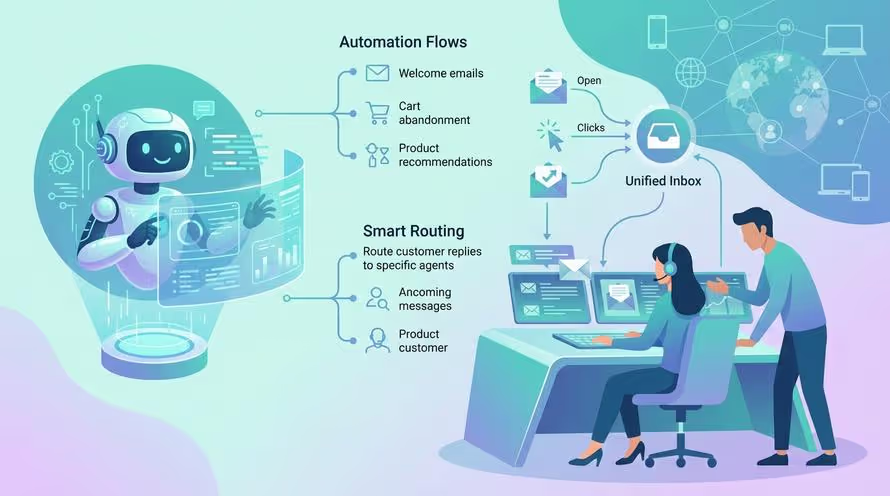
Automatisering is de sleutel om je klanten 24/7 te begeleiden zonder dat je daar handmatig werk aan hebt. Door geautomatiseerde e-mailstromen in te stellen, kun je op cruciale momenten in de klantcyclus tijdige en contextueel relevante berichten versturen. Essentiële geautomatiseerde trajecten voor elke e-commercewinkel zijn onder andere een welkomstserie met meerdere e-mails om nieuwe abonnees te verwelkomen, een workflow voor verlaten winkelwagentjes om verloren omzet terug te winnen, en een serie na aankoop om klanten te bedanken, om beoordelingen te vragen en aanvullende producten aan te bevelen. Deze workflows werken onvermoeibaar op de achtergrond om relaties op te bouwen en omzet te genereren.
Breng je marketing- en supportgesprekken samen
Hierin schuilt de grootste uitdaging en kans voor moderne e-mailmarketing in de e-commerce. Een klant ontvangt een mooie promotie-e-mail, maar heeft een vraag. Hij klikt op ‘beantwoorden’ en vraagt: ‘Is dit ook in het blauw verkrijgbaar?’ of ‘Mijn kortingscode werkt niet!’ Waar komt dat cruciale antwoord terecht? Maar al te vaak belandt het in een onbewaakte `marketing@`-inbox of raakt het zoek in een overvolle algemene account. Deze wrijving doodt de verkoop en zorgt voor slechte klantervaringen. De oplossing is om deze silo’s te doorbreken. De Omnichannel-inbox van Trengo lost dit probleem op door al deze e-mailreacties te centraliseren, samen met gesprekken via je websitechat, WhatsApp en sociale media. Als er een reactie binnenkomt, kan je marketingteam die zien, direct een verkoop- of supportmedewerker taggen en zorgen voor een razendsnelle reactie. Zo wordt een simpele e-mailreactie naadloos omgezet in een gesloten verkoop of een positieve supportinteractie.
Geef je team de middelen om e-mailreacties op grote schaal af te handelen
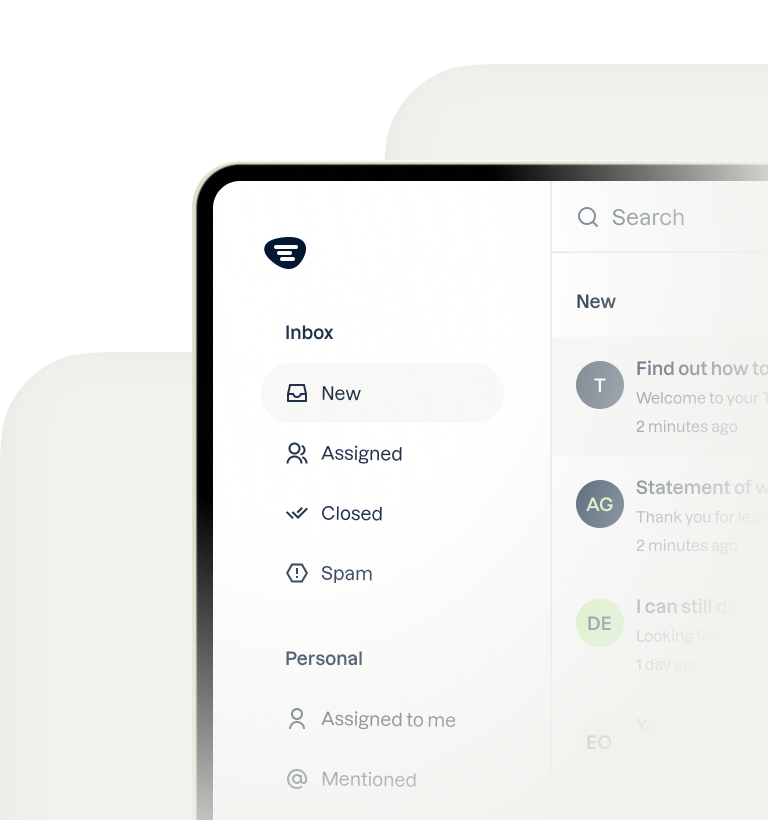
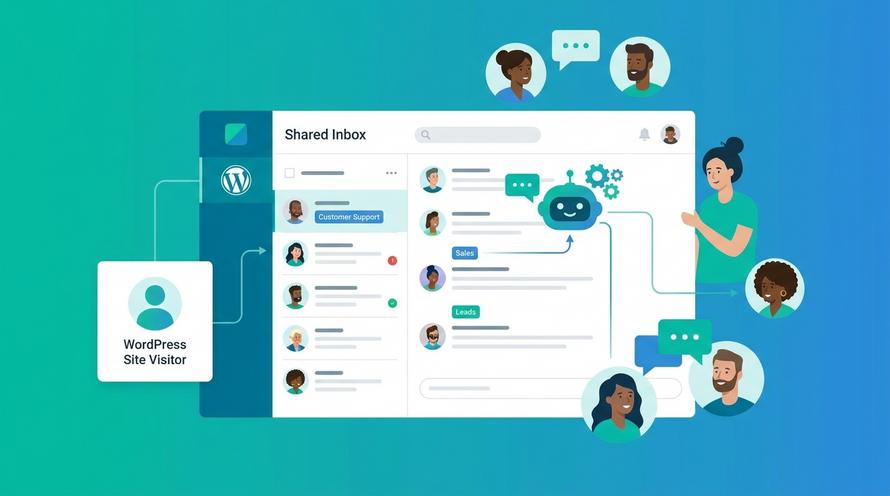
Als je e-mailcampagnes succesvol zijn, neemt het aantal reacties enorm toe. Een standaard e-mailprogramma zoals Gmail of Outlook is niet ontworpen om deze toestroom efficiënt te verwerken. Daarom is een oplossing met een gedeelde inbox onmisbaar. Hiermee kan je hele team vanuit één centraal overzicht samenwerken aan inkomende klantgesprekken. Je kunt eenvoudig zien wie waar mee bezig is, gesprekken aan de juiste persoon toewijzen en interne notities gebruiken om complexe kwesties te bespreken zonder de klant in verwarring te brengen.
Als je meer wilt weten over de details, kun je ons artikel lezen over hoe je één e-mailaccount voor meerdere gebruikers kunt gebruiken. Door een platform als een omnichannel-inbox te gebruiken, stel je je team in staat om snelle, consistente en hoogwaardige service te bieden, ongeacht hoeveel reacties je marketingcampagnes opleveren.
Veelgestelde vragen

Ja, e-mailmarketing is ontzettend winstgevend. Het levert steevast een van de hoogste rendementen op van alle marketingkanalen, waarbij uit veel onderzoeken blijkt dat je gemiddeld meer dan € 40 terugverdient voor elke € 1 die je uitgeeft. Omdat je zelf eigenaar bent van je e-maillijst, zijn de waarde op de lange termijn en de directe toegang tot klanten enorm, vergeleken met betaalde kanalen waar je in feite een publiek huurt.
De kosten van e-mailmarketing lopen sterk uiteen, afhankelijk van factoren zoals de e-mailserviceprovider (ESP) die je kiest, de grootte van je abonneelijst en het aantal e-mails dat je elke maand verstuurt. Veel platforms bieden gratis abonnementen aan voor kleine bedrijven die net beginnen, terwijl professionele tools voor grotere bedrijven tussen de € 20 en enkele honderden euro’s per maand kunnen kosten. Je moet het zien als een investering die een zeer hoog rendement oplevert.
E-mailmarketing is effectief omdat het een direct, persoonlijk en op toestemming gebaseerd communicatiekanaal is. Het biedt mogelijkheden voor uitgebreide personalisatie en segmentatie, is zeer kosteneffectief en levert een bewezen hoog rendement op. In tegenstelling tot sociale media heb je hiermee een directe lijn naar de inbox van je doelgroep, waardoor je sterkere en duurzamere klantrelaties kunt opbouwen.
Er is niet één ‘beste moment’ om marketingmails te versturen dat voor elk bedrijf werkt. Het optimale tijdstip hangt volledig af van je specifieke doelgroep en hun gewoontes. De beste strategie is om verschillende dagen en tijdstippen te testen en vervolgens je eigen gegevens te analyseren om te zien wanneer je de hoogste open- en doorklikpercentages haalt. Hoewel veel algemene onderzoeken wijzen op de ochtenden halverwege de week, moet je dit alleen als uitgangspunt gebruiken voor je eigen experimenten.
Meer van dit


Ervaar de impact van Trengo en AI
Een betere, snellere service en meer loyale klanten. Bundel alle klantcontactkanalen op één platform en lever een uitmuntende service met AI.