Plan om de klantenservice te verbeteren: wat het is en hoe je er een maakt

Probeer Trengo gratis uit

Trengo brengt WhatsApp, e-mail, internet, sociale media en telefoontjes samen in één inbox, waardoor je team uren aan herhalend werk bespaart en ervoor zorgt dat geen enkel gesprek verloren gaat.
Bekijk Trengo in actie
- Uitgebreide integraties
- Eenvoudige configuratie
- Schaalbare prijsstructuur
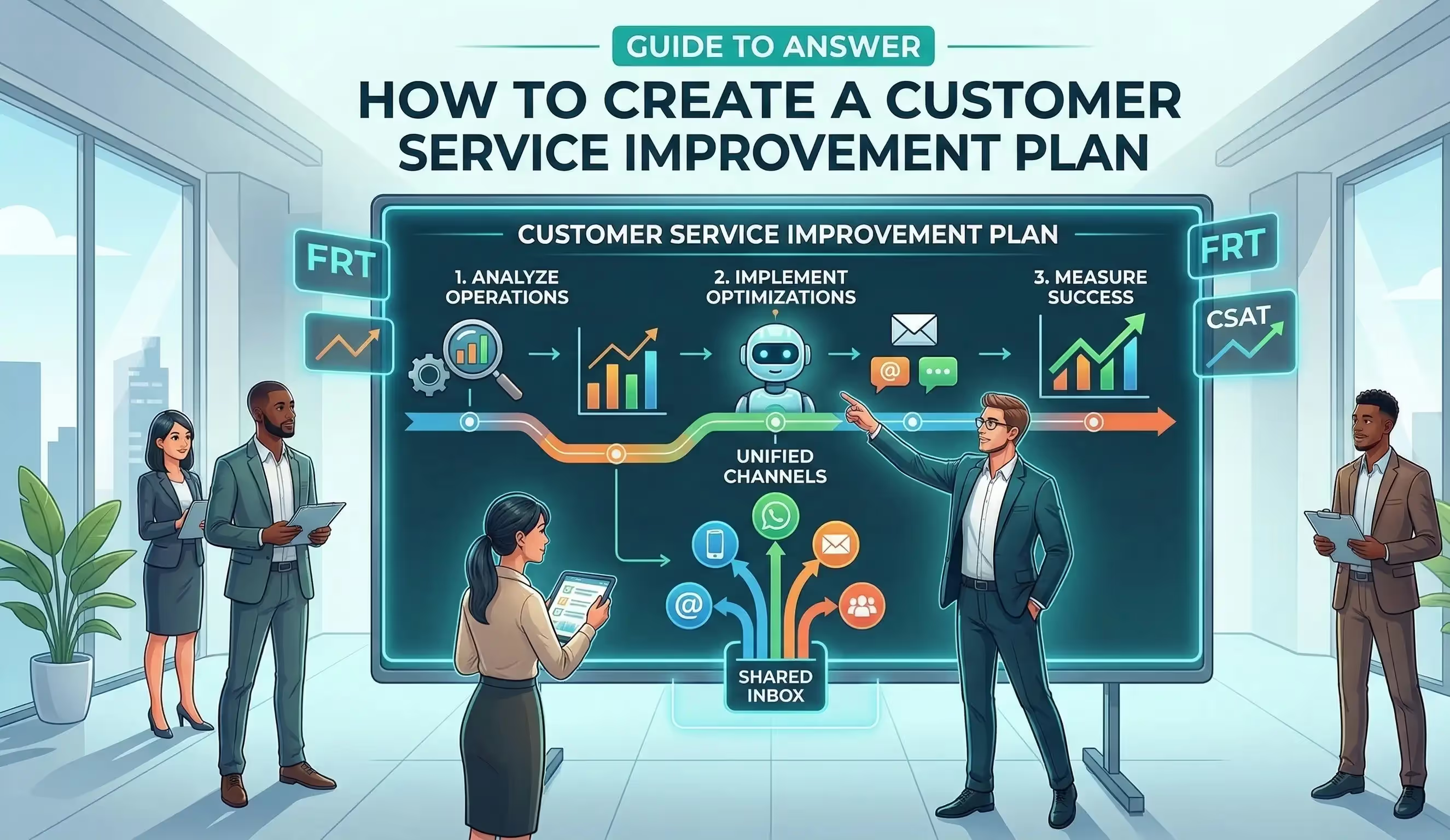
Handleiding voor het opstellen van een plan ter verbetering van de klantenservice
Uitstekende klantenservice ontstaat niet zomaar; daar is een weloverwogen, strategische aanpak voor nodig. In het snelle digitale landschap van vandaag overbrugt een goed doordacht plan voor klantenserviceverbetering de kloof tussen middelmatige ondersteuning en uitzonderlijke, merkbepalende klantervaringen. In een tijd waarin consumenten directe reacties verwachten via WhatsApp, e-mail en sociale media, leidt het vertrouwen op verouderde ticketsystemen vaak tot klantverloop. Moderne teams hebben een praktisch stappenplan nodig om de samenwerking te stroomlijnen, AI te benutten en de communicatie te bundelen in één gedeelde inbox.
Samenvatting
Een plan voor het verbeteren van de klantenservice is een strategisch document dat bedoeld is om de huidige ondersteuningsactiviteiten te evalueren, knelpunten op te sporen en gerichte verbeteringen door te voeren. Door de nadruk te leggen op statistieken zoals de eerste reactietijd (FRT) en klanttevredenheid (CSAT), verandert dit plan reactieve teams in proactieve succesmotoren. Het gebruik van tools zoals Trengo om de communicatie te centraliseren is essentieel om deze strategieën effectief uit te voeren.
TL;DR
- Een plan voor het verbeteren van de klantenservice beschrijft de stappen die nodig zijn om de kwaliteit en efficiëntie van de ondersteuning te verbeteren.
- Belangrijke strategieën zijn onder meer het omarmen van omnichannelcommunicatie en het automatiseren van ondersteuning.
- Het 7-stappenplan loopt van het in kaart brengen van knelpunten tot het evalueren en bijschaven van de resultaten.
- Het doorlichten van de huidige werkprocessen en het vaststellen van KPI’s zijn cruciale eerste stappen bij het opstellen van je plan.
- Door over te stappen op een gedeelde inbox kun je de communicatie centraliseren en de samenwerking binnen het team verbeteren.
- Ook de IT-afdeling profiteert van specifieke plannen om de dienstverlening op het gebied van incidentbeheer te verbeteren.
Wat is een plan voor het verbeteren van de klantenservice?
Om de essentie van hoogwaardige ondersteuning te vatten, moeten we een stappenplan opstellen. Een plan voor de verbetering van de klantenservice, ook wel een actieplan of ontwikkelingsplan voor de klantenservice genoemd, is een strategisch, stapsgewijs document dat is ontworpen om de huidige ondersteuningsactiviteiten te beoordelen, knelpunten te identificeren en gerichte verbeteringen door te voeren. Dit plan dient als blauwdruk voor supportteams om hun statistieken – zoals First Response Time (FRT) en Customer Satisfaction (CSAT) – te verbeteren door processen te verfijnen, technologie te upgraden en medewerkers bij te scholen. In tegenstelling tot een algemeen bedrijfsplan richt een prestatieverbeteringsplan voor klantenservice zich uitsluitend op de ervaring van de eindgebruiker, omnichannel-workflows en supportautomatisering. Een effectief plan verandert reactieve supportteams in proactieve motoren voor klantsucces. Voor teams die hun aanpak willen moderniseren, is het invoeren van gespecialiseerde klantenservicesoftware vaak de eerste stap in deze transformatie.
Essentiële strategieën voor het verbeteren van de klantenservice
Een plan voor voortdurende verbetering van de klantenservice is gebaseerd op een aantal kernprincipes die de efficiëntie en tevredenheid bevorderen.
- Omnichannelcommunicatie omarmen: Klanten willen je bereiken via hun favoriete platforms. De strategie moet erop gericht zijn om af te stappen van gescheiden kanalen en deze samen te brengen in één overzicht.
- Investeren in automatisering van de klantenservice: Handmatige gegevensinvoer en steeds terugkerende vragen kosten je team veel energie. Het automatiseren van routinetaken is een belangrijke manier om je medewerkers meer tijd te geven voor complexe kwesties.
- Teamwerk stimuleren: Als er complexe tickets binnenkomen, zouden medewerkers niet van app moeten hoeven wisselen om een collega om hulp te vragen. Interne tags en gedeelde inboxen zijn cruciaal voor een soepele afhandeling.
- Een continue feedbackloop opzetten: Een plan voor continue verbetering van de klantenservice is afhankelijk van realtime gegevens. Teams moeten regelmatig klanten enquêteren en chatverslagen analyseren om hun strategieën dynamisch aan te passen.
De 7 stappen van het verbeteringsproces in de klantenservice
Om veranderingen effectief door te voeren, volg je deze zeven stappen die speciaal zijn afgestemd op de werkprocessen van de klantenservice.
- Breng het probleem in kaart: zoek precies uit waar het misgaat in het ondersteuningsproces, bijvoorbeeld lange wachttijden op WhatsApp of gemiste e-mails.
- Analyseer de huidige gegevens: bekijk eerdere ticketvolumes, afhandelingstijden en feedback van klanten om de onderliggende oorzaak van de problemen te achterhalen.
- Stel een actieplan op: Maak een gericht actieplan voor de klantenservice waarin je de nodige veranderingen beschrijft, zoals het invoeren van een AI-agent.
- Stel meetbare doelen: Bepaal aan de hand van KPI’s wat succes inhoudt, bijvoorbeeld het verkorten van de reactietijd met 30% in het eerste kwartaal.
- Voer de strategie uit: Implementeer de nieuwe processen en tools en zorg ervoor dat het team volledig is getraind in het gebruik van de nieuwe omnichannel-inbox.
- Meten en monitoren: Houd de prestaties van de nieuwe implementaties voortdurend bij ten opzichte van de referentiegegevens om ervoor te zorgen dat er vooruitgang wordt geboekt.
- Evalueren en bijsturen: Klantenservice is een doorlopend proces. Evalueer de resultaten en pas het proces aan, zodat er altijd een plan voor continue verbetering loopt.
Je actieplan voor betere klantenservice opstellen
Om een gedegen plan op te stellen, is een methodische aanpak nodig. Hier lees je hoe je je stappenplan opstelt.
Voer een ondersteuningsaudit uit
Elk plan om de klantenservice te verbeteren moet beginnen met een evaluatie. Teams moeten hun huidige softwarepakket, de prestaties van hun medewerkers en de klanttevredenheidsscores onder de loep nemen. Verspillen medewerkers tijd met het schakelen tussen Facebook Messenger, e-mail en sms? Dit is het moment om de knelpunten van gefragmenteerde communicatie aan het licht te brengen en te beoordelen of je team over de nodige vaardigheden beschikt om aan de eisen van vandaag te voldoen.
Stel duidelijke KPI’s en benchmarks vast
Geef aan welke specifieke statistieken je moet bijhouden om het succes te meten. Belangrijke statistieken zijn onder andere CSAT, Net Promoter Score (NPS), First Contact Resolution (FCR) en Average Handle Time (AHT). Door realistische benchmarks vast te stellen, krijgt het team een duidelijk doel om naartoe te werken binnen het actieplan voor klantenservice, zodat iedereen op één lijn zit wat betreft de einddoelen.
Stap over op een platform voor een multichannel-inbox en automatisering
Als je team moeite heeft om alle vragen via e-mail, live chat en sociale media bij te houden, is het samenvoegen van je kanalen de snelste manier om dit te verbeteren. Door gebruik te maken van een allesomvattend platform kun je alle klantcontacten centraliseren in één slimme inbox. Ontdek platforms voor klantenservice-automatisering die een omnichannel-inbox bieden, zodat je team alles, van e-mail tot de WhatsApp Business API, op één plek kan beheren. Door een AI-agent te integreren, kan tot 50% van de routinematige vragen worden afgehandeld, waardoor de servicestatistieken van de ene op de andere dag drastisch verbeteren.
Voorbeelden van actieplannen voor klantenservice
Praktijksituaties helpen je te zien hoe deze plannen in de praktijk werken. Hier zijn twee verschillende voorbeelden.
Voorbeeld 1: E-commercewinkel
Dit voorbeeld van een plan voor klantenserviceverbetering richt zich op een e-commercebedrijf dat te maken heeft met veel verlaten winkelwagentjes vanwege trage reactietijden.
- Doel: De reactietijden op sociale media en via de livechat verkorten tijdens de drukke feestdagen.
- Actiepunten: Implementeer de WhatsApp Business API voor directe updates; zet een AI-agent in om vragen als "Waar is mijn bestelling?" (WISMO) direct te beantwoorden; gebruik tools voor teamsamenwerking om fulfilmentmanagers rechtstreeks bij de chat van de klant te betrekken, zonder e-mails door te sturen.
- Verwacht resultaat: 40% minder WISMO-tickets die bij menselijke medewerkers terechtkomen en een stijging van 20% in de klanttevredenheid.
Voorbeeld 2: B2B-SaaS-bedrijf
Dit voorbeeld van een ontwikkelingsplan voor de klantenservice is bedoeld voor een B2B-bedrijf dat te maken heeft met complexe technische supporttickets waarbij meerdere contactmomenten nodig zijn. Dit vraagt vaak om een klantgerichte aanpak om ervoor te zorgen dat klanten blijven.
- Doel: De First Contact Resolution (FCR) voor technische vragen verbeteren.
- Actiepunten: Stel een plan op om de prestaties van de klantenservicemedewerkers te verbeteren, met daarin wekelijkse technische trainingen; voer een gedeelde inbox in waar eerstelijnsmedewerkers via interne notities tweedelijnsontwikkelaars kunnen taggen; zet geautomatiseerde workflows op die specifieke technische vragen op basis van trefwoorden doorsturen naar de juiste afdeling.
- Verwacht resultaat: Snellere oplossing van bugs met hoge prioriteit en betere samenwerking binnen het team.
Voor B2B-teams die belangrijke klanten beheren, is er een direct verband tussen de kwaliteit van de ondersteuning en het behoud van klanten. Als je meer wilt weten over hoe deze aanpak er in de praktijk uitziet, bekijk dan onze gids over high-touch klantenservice.
Plannen voor serviceverbetering voor IT-operaties
Klantenservice is niet alleen externe ondersteuning voor de detailhandel; ook interne IT-afdelingen en technische ondersteuningsteams hebben zeer gespecialiseerde plannen nodig. IT Service Management (ITSM) is sterk afhankelijk van gestructureerde verbeteringen om downtime en bedrijfsverstoringen tot een minimum te beperken.
Verbetering van incident- en probleembeheer
Het is essentieel om het verschil te begrijpen tussen incidentbeheer (het verhelpen van een acute storing) en probleembeheer (het opsporen van de onderliggende oorzaak). Een plan voor serviceverbetering op het gebied van incidentbeheer moet gericht zijn op het verkorten van de Mean Time to Resolve (MTTR) door geautomatiseerde waarschuwingen en omnichannel-ticketsystemen in te voeren. Een plan voor serviceverbetering op het gebied van probleembeheer richt zich op het analyseren van historische gegevens om terugkerende storingen te voorkomen. Technische teams kunnen automatisering van de klantenservice gebruiken om gebruikers direct op de hoogte te brengen van bekende storingen, waardoor een stortvloed aan dubbele tickets wordt voorkomen.
IT-infrastructuur en onderhoud van Windows Server
Bij het opstellen van een plan voor serviceverbetering van de IT-infrastructuur of een gericht plan voor de implementatie van Windows Server is communicatie net zo belangrijk als de hardware. IT-teams moeten duidelijke protocollen opstellen om interne belanghebbenden op de hoogte te brengen van serverpatches, downtime of beveiligingsupdates. Door interne medewerkers als 'klanten' te behandelen, kan IT-operations gebruikmaken van omnichannel-communicatietools om updates te verspreiden via interne chatnetwerken, sms of geautomatiseerde e-mails. Zo zorg je voor naadloze infrastructuurupgrades zonder dat de helpdesk overspoeld wordt met vragen als 'ligt het netwerk plat?'. Een goed voorbeeld van een plan voor serviceverbetering voor IT-operations is de migratie van een verouderd ticketsysteem naar een moderne, gezamenlijke inbox, zodat serverwaarschuwingen efficiënt kunnen worden afgehandeld.
Gratis sjabloon voor een plan ter verbetering van de klantenservice
Managers kunnen dit structuurkader gebruiken om hun eigen PDF-versie van het plan voor verbetering van de klantenservice of een PowerPoint-presentatie ervan te maken voor presentaties aan belanghebbenden.
- Samenvatting: Een kort overzicht van de huidige ondersteuningsmogelijkheden en de dringende behoeften.
- Belangrijkste doelstellingen: 3-5 meetbare doelen (bijv. de gemiddelde reactietijd terugbrengen tot minder dan 10 minuten).
- Huidige cijfers versus streefcijfers: een vergelijkingstabel om de groei in beeld te brengen.
- Toewijzing van middelen: Maak budget vrij voor nieuwe tools (bijv. de WhatsApp Business API-integratie van Trengo) en opleidingsuren.
- Actiepunten & tijdschema: Een chronologische lijst met taken, toegewezen verantwoordelijken en strikte deadlines.
- Beoordelingsfrequentie: Vaste data (wekelijks/maandelijks) om het plan voor continue verbetering van de klantenservice te evalueren.
Geef je verbeterplan een boost met Trengo
Een actieplan voor het verbeteren van de klantenservice is maar zo goed als de tools die worden gebruikt om het uit te voeren. Trengo biedt het middel dat het verbeteringsplan vooruit helpt door veelvoorkomende obstakels aan te pakken.
- De gedeelde inbox: Maakt een einde aan de onduidelijkheid over wie er met dit ticket bezig is. Het brengt e-mail, telefoon, live chat en sociale media samen, wat essentieel is voor elk modern ontwikkelingsplan voor klantenservice.
- WhatsApp Business API: Brengt bedrijven in contact met klanten op de plekken waar ze toch al zijn, waardoor de reactiesnelheid toeneemt en de klantenservice wordt gemoderniseerd.
- Automatisering van de klantenservice: van doorverwijzingsregels tot automatische antwoorden – automatisering neemt het routinewerk uit handen, waardoor medewerkers zich kunnen richten op complexe, waardevolle interacties.
- AI-agent: Het integreren van AI is de snelste manier om de KPI’s uit je plan voor klantenserviceverbetering te halen, door echte 24/7-ondersteuning te bieden.
- Samenwerking binnen het team: Doordat je collega’s rechtstreeks in de klantdiscussie kunt @vermelden, heb je geen externe tools zoals Slack meer nodig voor gesprekken over specifieke tickets.
Veelgestelde vragen (FAQ)
Hoe kan de klantenservice worden verbeterd?
De klantenservice kan worden verbeterd door over te stappen van reactieve probleemoplossing naar proactieve klantbetrokkenheid. Dit houdt in dat je je huidige werkprocessen onder de loep neemt, investeert in één gezamenlijke omnichannel-inbox om gescheiden communicatie te voorkomen, automatisering van de klantenservice implementeert om de reactietijden te verkorten, en je team voortdurend bijschoold.
Wat is de 10/5/3-regel in de klantenservice?
De 10/5/3-regel is van oudsher een norm in de horeca die bepaalt hoe personeel op basis van afstand met gasten moet omgaan: maak oogcontact op 3 meter afstand, glimlach op 1,5 meter en begroet op 1 meter. In de moderne digitale ondersteuning wordt deze regel figuurlijk toegepast op SLA-reactietijden: een vraag binnen 10 minuten bevestigen, binnen 5 minuten na een follow-up een update geven en streven naar een oplossing binnen 3 belangrijke contactmomenten.
Wat zijn de 4 P’s die de klantenservice verbeteren?
De 4 P’s die zorgen voor een uitstekende klantenservice zijn: Mensen (het aannemen van empathisch personeel), Product (grondige kennis van wat er wordt ondersteund), Proces (het opzetten van duidelijke workflows en doorstuurregels) en Platform (het team voorzien van technologie zoals de gedeelde inbox van Trengo om efficiënt te kunnen werken).



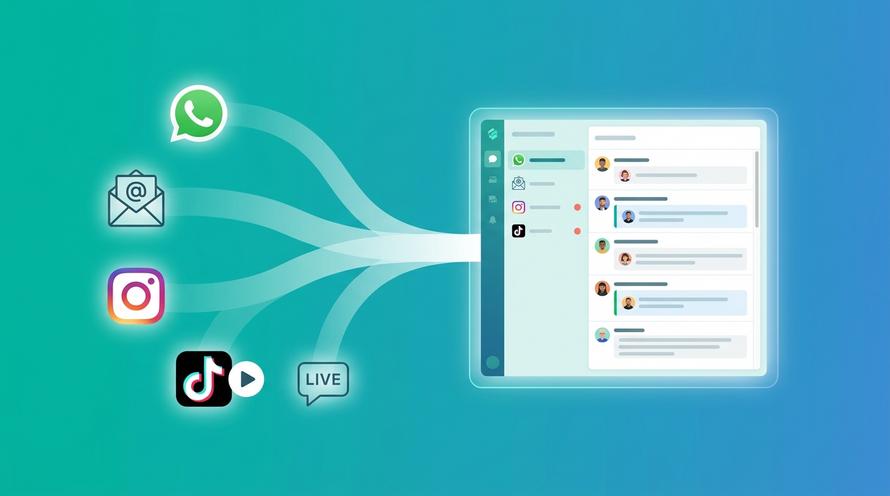
Ervaar de impact van Trengo en AI
Een betere, snellere service en meer loyale klanten. Bundel alle klantcontactkanalen op één platform en lever een uitmuntende service met AI.