Beste klantenservice- en beheersoftware voor kleine bedrijven


Probeer Trengo gratis uit

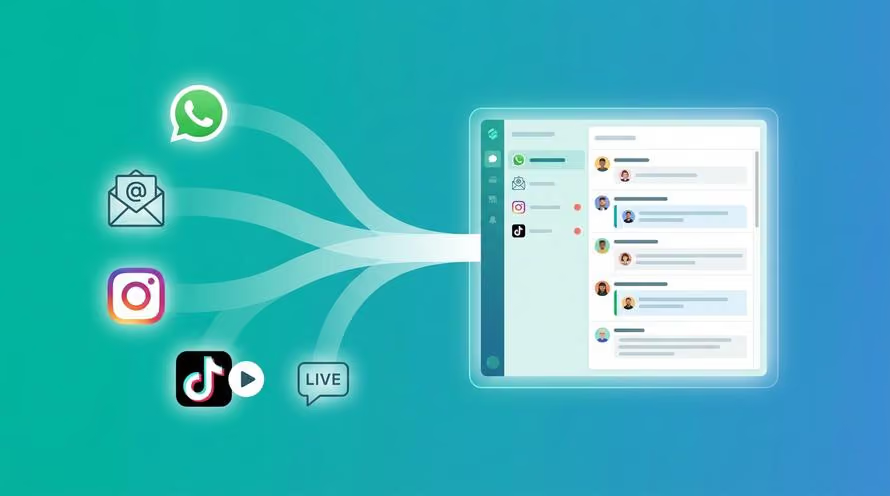
Trengo brengt WhatsApp, e-mail, internet, sociale media en telefoontjes samen in één inbox, waardoor je team uren aan herhalend werk bespaart en ervoor zorgt dat geen enkel gesprek verloren gaat.
Bekijk Trengo in actie
- Uitgebreide integraties
- Eenvoudige configuratie
- Schaalbare prijsstructuur
Wat is klantenservicesoftware?
Klantenservicesoftware vormt de technologische ruggengraat waarmee bedrijven vragen van klanten via verschillende kanalen kunnen beheren, volgen en oplossen. In 2026 is de definitie ervan flink veranderd. Het is niet langer alleen een ‘helpdesk’ of een ticketsysteem waar klachten in de vergetelheid raken. In plaats daarvan fungeert moderne klantenservicesoftware als een uitgebreid ‘System of Action’.
In tegenstelling tot een traditioneel CRM-systeem (Customer Relationship Management), dat fungeert als een ‘registratiesysteem’ waarin statische gegevens zoals namen en aankoopgeschiedenis worden opgeslagen, is klantenservicesoftware dynamisch. Het is ontworpen om directe interactie mogelijk te maken. Of het nu via live chat, e-mail, sociale media of telefoon is: deze software centraliseert de communicatie om ervoor te zorgen dat elk contact met een klant direct kan worden opgevolgd, traceerbaar is en efficiënt wordt afgehandeld.
Waarom klantenservicemanagement cruciaal is voor kleine bedrijven
Voor kleine en middelgrote bedrijven (MKB) is de foutmarge klein. De hoge verwachtingen van klanten in 2026 vragen om directe reacties en oplossingen op maat, ongeacht de grootte van het team. Efficiënte software voor klantenservicemanagement overbrugt de kloof tussen beperkte personeelscapaciteit en deze toegenomen markteisen.
In kleinere bedrijven is de grens tussen verkoop en klantenservice vaak vaag. Een vraag over de beschikbaarheid van een product is in feite een verkoopkans. Daarom hebben kleine en middelgrote bedrijven een hybride oplossing nodig die de hele levenscyclus van de klantrelatie beheert, zodat er geen leads verloren gaan door trage reactietijden of rommelige inboxen.
De verschuiving naar het 'actiesysteem'
De belangrijkste trend die we vandaag de dag zien, is de verschuiving van passieve gegevensopslag naar actieve interactie. Alleen weten wie je klant is, is niet genoeg; je hebt de tools nodig om direct op die gegevens te reageren. Een echt "System of Action" stelt teams in staat om workflows te starten, reacties te automatiseren en met klanten te communiceren via hun favoriete berichtenapps, zonder van tabblad te hoeven wisselen.
Deze aanpak leunt sterk op geautomatiseerde klantenservice met AI voor het afhandelen van routinetaken, waardoor menselijke medewerkers zich kunnen richten op het oplossen van complexe problemen. Door automatisering rechtstreeks in de communicatielaag te integreren, veranderen bedrijven hun ondersteuningsfunctie van een kostenpost in een proactieve motor voor klantbetrokkenheid.
De belangrijkste kenmerken van moderne tools voor klantenservice
Samenvatting
Klantenservicesoftware is uitgegroeid tot een dynamisch actiesysteem dat voor moderne kleine en middelgrote bedrijven onmisbaar is om interacties via alle kanalen efficiënt te beheren. Door gebruik te maken van gecentraliseerde inboxen, AI-agenten en selfserviceportalen kunnen bedrijven hun reactietijden verkorten en de klanttevredenheid verhogen. Toonaangevende tools in 2026, zoals Trengo, bieden deze mogelijkheden door automatisering van de klantenservice te combineren met menselijke samenwerking.
TL;DR
- Moderne klantenservicesoftware brengt de communicatie via WhatsApp, e-mail en sociale media samen in één interface.
- AI-medewerkers behandelen 24/7 vragen voor eerstelijnsondersteuning, waardoor menselijke medewerkers tijd overhouden voor complexere kwesties.
- Een "actiesysteem" geeft voorrang aan onmiddellijke oplossing en betrokkenheid boven het statisch opslaan van gegevens.
- Via zelfbedieningsportalen en kennisbanken kunnen klanten zelf antwoorden vinden zonder een ticket aan te maken.
- Samenwerkingsfuncties zoals interne tagging voorkomen dat medewerkers elkaar in de weg lopen en stroomlijnen de teamworkflows.
Gecentraliseerde inbox voor multichannel-ondersteuning
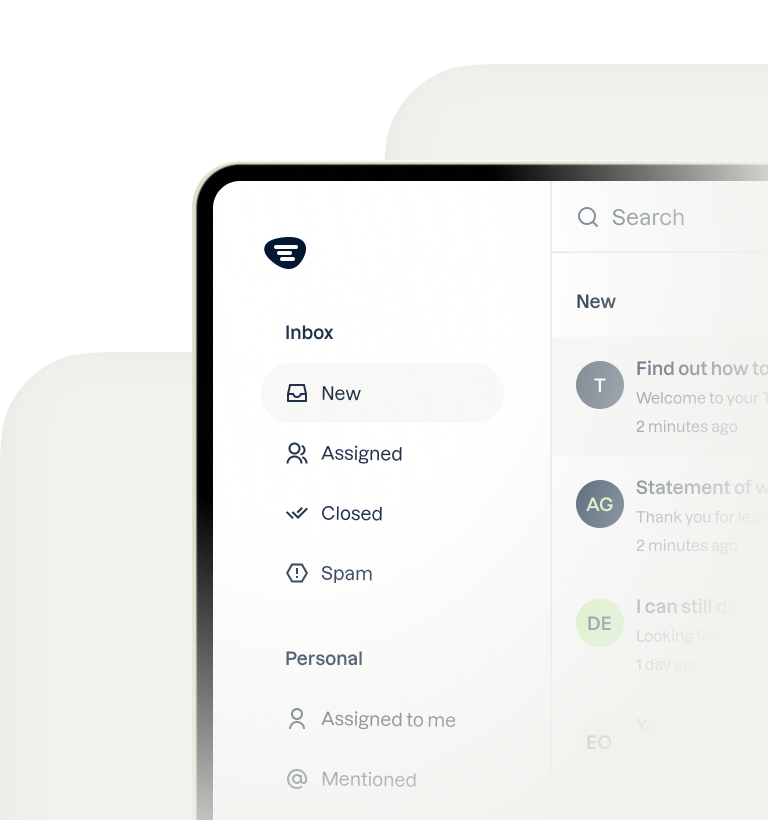
De belangrijkste troef van moderne supporttools is de geconsolideerde inbox. Supportteams hebben vaak last van ‘tabbladmoeheid’ doordat ze voortdurend moeten schakelen tussen Outlook, WhatsApp Business, Instagram DM’s en livechatsoftware. Een geconsolideerde inbox brengt al deze communicatiestromen samen in één overzicht. Deze functie is cruciaal voor het implementeren van een omnichannelstrategie: je kunt WhatsApp en Instagram rechtstreeks aan je centrale communicatiehub toevoegen, zodat er geen enkel bericht tussen de mazen van het net glipt.
AI-agenten en chatbots
Kunstmatige intelligentie is inmiddels geen nieuwigheid meer, maar een noodzaak. Een geavanceerde AI-chatbot fungeert als eerste verdedigingslinie en behandelt 24/7 Tier 1-ondersteuningsvragen zoals "Waar is mijn bestelling?" of "Wat zijn jullie openingstijden?". In 2026 zijn deze AI-agenten contextbewust, wat betekent dat ze de geschiedenis en het sentiment van de klant kunnen begrijpen en het gesprek alleen aan een menselijke medewerker doorgeven als er empathie of complexe besluitvorming nodig is.
Kennisbank en zelfbedieningsportalen
Moderne consumenten lossen problemen het liefst zelf op. Een degelijk kennisbankprogramma of klantenportaal is een essentiële functie die het totale aantal supportverzoeken vermindert. Door een doorzoekbare bibliotheek met veelgestelde vragen, handleidingen en tutorials aan te bieden, stel je klanten in staat om direct zelf antwoorden te vinden. Deze zelfbedieningsaanpak verbetert niet alleen de klantervaring, maar vermindert ook de werkdruk voor je supportteam aanzienlijk.
Teamsamenwerking en kwaliteitsbeheer
Klantenservice is een teamspel. Toonaangevende softwareoplossingen bevatten samenwerkingsfuncties waarmee medewerkers collega’s kunnen taggen in interne notities binnen een gespreksdraad. Hierdoor hoef je geen e-mails meer door te sturen en heb je meteen de juiste context. Bovendien helpen functies voor kwaliteitsbeheer managers om reactietijden bij te houden en ‘botsingen’ te voorkomen – waarbij twee medewerkers per ongeluk tegelijkertijd op dezelfde klant reageren.
De beste software en tools voor klantenservice (vergelijking 2026)
De keuze voor de juiste tech stack hangt af van de omvang van je bedrijf, je budget en je specifieke behoeften. Hieronder vind je een vergelijking van de belangrijkste spelers op de markt van dit jaar.
Trengo: De beste keuze voor een goede klantbetrokkenheid
Voor kleine tot middelgrote bedrijven die op zoek zijn naar een alles-in-één-oplossing, is Trengo de beste keuze. Het biedt een perfecte balans tussen krachtige automatisering en een intuïtieve interface waarvoor je nauwelijks training nodig hebt. Trengo blinkt uit in het samenbrengen van kanalen zoals WhatsApp, e-mail en telefoon in één overzicht, terwijl het ook 'CRM light'-functies biedt waarmee teams klantgegevens naast de gesprekken kunnen beheren.
Als je ernaar streeft om de manier waarop je team via alle kanalen met klanten communiceert te moderniseren, biedt de klantenservicesoftware van Trengo de ideale balans tussen kracht en gebruiksgemak. Zo creëer je een echt "System of Action" voor flexibele teams.
Zendesk: de beste keuze voor ticketbeheer op bedrijfsniveau
Zendesk blijft marktleider en is vaak de eerste keuze voor grote bedrijven die behoefte hebben aan complexe ticketworkflows en uitgebreide rapportage- en analysefuncties. Voor kleinere teams kan het platform echter overweldigend en duur aanvoelen. Veel flexibele bedrijven gaan daarom op zoek naar alternatieven voor Zendesk die vergelijkbare multichannel-mogelijkheden bieden, zonder de steile leercurve of de prijsstructuur voor grote bedrijven.
HubSpot Service Hub: het beste voor marketinggeïntegreerde ondersteuning
HubSpot Service Hub is een uitstekende keuze voor teams die al volledig zijn geïntegreerd in het HubSpot-ecosysteem. Het biedt een naadloze integratie tussen marketing-, verkoop- en servicogegevens. Hoewel het een krachtig platform is, kan het voor bedrijven die alleen ondersteuning nodig hebben wat overbodig zijn, en de kosten kunnen snel oplopen naarmate je meer geavanceerde functies ontgrendelt.
Zoho Desk: ideaal voor teams die op hun budget letten
Zoho Desk is vaak de eerste keuze voor prijsbewuste start-ups. Het biedt een solide basis aan helpdeskfuncties, waaronder ticketbeheer en eenvoudige automatisering. Hoewel het misschien niet de soepele, conversatiegerichte interface en geavanceerde AI-mogelijkheden van modernere engagementplatforms heeft, is het een betrouwbare instapoplossing voor bedrijven met een beperkt budget.
Veelgestelde vragen (FAQ)
Wat is het verschil tussen CRM-software en klantenservicesoftware?
Een CRM (Customer Relationship Management) is een ‘registratiesysteem’ dat is ontworpen om klantgegevens en verkoopgeschiedenis op te slaan, terwijl klantenservicesoftware een ‘actiesysteem’ is dat gericht is op het beheren van communicatie en het oplossen van problemen. Moderne tools brengen deze functies steeds vaker samen, waardoor supportmedewerkers CRM-gegevens direct in hun gespreksvenster kunnen bekijken.
Wat is de beste AI-tool voor klantenservice?
De beste AI-tools zijn die welke rechtstreeks in je inbox zijn geïntegreerd, zoals de AI-agenten van Trengo, in plaats van losstaande bots. Deze geïntegreerde tools hebben toegang tot de klantgeschiedenis en geven contextgebaseerde antwoorden, waarbij ze indien nodig naadloos het stokje doorgeven aan menselijke medewerkers.
Kan ik WhatsApp en e-mail via één platform beheren?
Ja, het beheren van WhatsApp en e-mail op één platform is de belangrijkste functie van een Unified Inbox. Deze integratie is essentieel voor een moderne omnichannelstrategie, omdat het datasilos voorkomt en zorgt voor een consistente klantervaring op alle contactpunten.
Wat is klantbeheersoftware voor kleine bedrijven?
Klantbeheersoftware voor kleine bedrijven is een combinatie van CRM- en helpdesktools, ontworpen om kleinere teams te helpen bij het beheren van de volledige klantcyclus. Het combineert het bijhouden van leads met supporttickets, zodat kleine teams het maximale uit elke klantinteractie kunnen halen zonder dat ze daarvoor middelen op bedrijfsniveau nodig hebben.



Ervaar de impact van Trengo en AI
Een betere, snellere service en meer loyale klanten. Bundel alle klantcontactkanalen op één platform en lever een uitmuntende service met AI.