Inbound-leads: wat het is en hoe je ze kunt kwalificeren

Probeer Trengo gratis uit

Trengo brengt WhatsApp, e-mail, internet, sociale media en telefoontjes samen in één inbox, waardoor je team uren aan herhalend werk bespaart en ervoor zorgt dat geen enkel gesprek verloren gaat.
Bekijk Trengo in actie
- Uitgebreide integraties
- Eenvoudige configuratie
- Schaalbare prijsstructuur
Wat is een inbound lead en hoe kun je die kwalificeren?
Samenvatting
In het snel veranderende digitale landschap van 2026 is inzicht in inkomende leads cruciaal voor omzetgroei. Dit artikel gaat in op de moderne werkwijze van het genereren van inkomende leads, van het aantrekken van potentiële klanten via multichannelstrategieën tot het cruciale belang van snelle reactietijden. We bieden een praktisch stappenplan voor het kwalificeren van inkomende leads met behulp van AI-gestuurde automatisering, zodat je verkoopteam zich alleen richt op de meest veelbelovende prospects, wat uiteindelijk de efficiëntie en conversiepercentages verhoogt.
TL;DR
- Inbound-leads zijn potentiële klanten die contact met je bedrijf opnemen nadat ze je via je marketinginspanningen hebben ontdekt.
- In 2026 draait alles om snelheid; je moet binnen vijf minuten reageren op binnenkomende leads om het conversiepotentieel te maximaliseren.
- Om meer leads te genereren, moet je je SEO optimaliseren, waardevolle content maken en aanwezig zijn op communicatiekanalen zoals WhatsApp.
- Geautomatiseerde tools zoals chatbots zijn essentieel om leads direct te benaderen en in eerste instantie te screenen, 24 uur per dag, 7 dagen per week.
- Kwalificatiekaders zoals BANT helpen je de waarde van een lead te bepalen door te kijken naar hun budget, beslissingsbevoegdheid, behoefte en tijdschema.
- Platforms zoals Trengo brengen alle inkomende kanalen samen en gebruiken AI om leads automatisch te beoordelen en door te sturen naar de juiste verkopers.
Wat is een inbound lead precies?
Een inbound lead is een potentiële klant die interesse heeft getoond in je bedrijf en zelf contact met je heeft gezocht. Dit is het resultaat van ”pull”-marketing, waarbij je klanten aantrekt door waarde te bieden via je content en online aanwezigheid. Zie het als vissen met een groot net (inbound) versus jagen met een enkele speer (outbound). Deze mensen vinden jou, bekijken je content en geven je vrijwillig hun gegevens omdat ze geloven dat jij hun probleem kunt oplossen. Dit maakt het genereren van inbound leads een zeer effectieve en kostenefficiënte strategie.
Voorbeelden van inkomende leads zijn bijvoorbeeld iemand die:
- Je hebt het contactformulier of het aanvraagformulier voor een demo op je website ingevuld.
- Je hebt een e-book, whitepaper of checklist gedownload.
- Je hebt je aangemeld voor een webinar of de nieuwsbrief van het bedrijf.
- Ik heb via de livechat op je website een gesprek gestart.
- Stuur een bericht naar je bedrijf via de WhatsApp Business API of Facebook Messenger.
Wat is inbound leadgeneratie?
In het competitieve zakelijke klimaat van 2026 is het concept van inbound leads flink veranderd. Een inbound lead is een potentiële klant die contact met je bedrijf zoekt nadat hij of zij is aangetrokken door je marketingcontent. Dit is precies het tegenovergestelde van outbound-strategieën, waarbij je bedrijf zelf contact zoekt via cold calls of e-mails. Inbound leadgeneratie is het proces waarbij je deze prospects aantrekt door waardevolle content en ervaringen te creëren die op hen zijn afgestemd. Dit omvat alles, van een prospect die je blog via een zoekmachine vindt, tot het sturen van een direct bericht naar je bedrijf op Instagram na het bekijken van een interactief verhaal.
Het digitale ecosysteem van 2026 is gebaseerd op organische zoekresultaten, hypergerichte conversatiemarketing en interactieve, AI-gestuurde content. Een moderne consument verwacht direct antwoorden en oplossingen te vinden. Als ze proactief contact zoeken, tonen ze een sterke intentie. Ze hebben al een probleem en denken dat jij misschien de oplossing hebt. Dit maakt ze ongelooflijk waardevol, maar deze waarde is vergankelijk. Als je bedrijf niet klaar is om die intentie vast te leggen en erop in te spelen op het moment dat die wordt uitgesproken, gaat die lead naar een concurrent die dat wel kan.
Het verschil: inkomende leads versus uitgaande leads
Het verschil tussen een inbound- en een outbound-lead begrijpen is cruciaal voor het opzetten van een effectieve verkoop- en marketingstrategie. Hoewel beide hun nut hebben, verschillen ze enorm qua herkomst, intentie en typische conversiepercentages. Inbound-leads maken deel uit van een langetermijnstrategie die de autoriteit van het merk versterkt, terwijl outbound een directe, kortetermijnbenadering is.
Wat zijn effectieve strategieën om inbound leads te genereren?
Om je verkooppijplijn gevuld te houden, heb je een solide strategie nodig om inkomende leads te genereren. Het doel is om het voor een potentiële klant zo gemakkelijk mogelijk te maken om zijn of haar interesse kenbaar te maken. In 2026 betekent dit dat je verder moet kijken dan traditionele webformulieren en een dynamischer, toegankelijker aanpak moet omarmen. Hier zijn drie zeer effectieve strategieën:
- Optimaliseer je website voor zoekresultaten en conversie: SEO blijft de basis van inbound marketing. Je website moet geoptimaliseerd zijn om hoog te scoren op zoekwoorden waar je ideale klanten naar zoeken. Maar bezoekers trekken is nog maar het halve werk. Je site moet ook geoptimaliseerd zijn voor conversie, met duidelijke call-to-actions en eenvoudige manieren om contact op te nemen, zoals opvallende live chat-widgets die uitnodigen tot interactie.
- Maak afgeschermde, hoogwaardige content: bied potentiële klanten iets waardevols aan in ruil voor hun contactgegevens. Dit kan bijvoorbeeld een door AI gegenereerd rapport over trends in de sector zijn, een interactieve ROI-calculator of toegang tot een exclusief webinar. Door deze content af te schermen achter een eenvoudig, conversatiegericht formulier (bijvoorbeeld: "Vul je e-mailadres in en we sturen je het rapport via WhatsApp"), verzamel je leadgegevens van mensen die oprecht geïnteresseerd zijn in jouw expertise.
- Maak gebruik van contactpunten voor een persoonlijk gesprek: maak het potentiële klanten gemakkelijk om met je te praten via de kanalen die ze toch al dagelijks gebruiken. Door de WhatsApp Business API in je website te integreren of een ‘Stuur ons een bericht’-knop aan je socialemediaprofielen toe te voegen, maak je de drempel lager. Een korte vraag via WhatsApp voelt minder bindend dan het invullen van een lang formulier, waardoor het een krachtig hulpmiddel is om gesprekken op gang te brengen en nieuwe leads te genereren.
Praktische tips om je aantal inkomende leads te verhogen
Voor bedrijven die al een solide proces voor leadgeneratie hebben opgezet, is opschalen de volgende uitdaging. Weten hoe je het aantal inkomende leads op een duurzame manier kunt vergroten, is essentieel voor voorspelbare groei. Daar is niet altijd een groter marketingbudget voor nodig. Vaak haal je de grootste winst door je bestaande middelen te optimaliseren en je bereik uit te breiden, zodat je klanten kunt bereiken waar ze zich bevinden. De focus verschuift van alleen het aantrekken van verkeer naar het omzetten van dat verkeer in een hoger conversiepercentage. In 2026 betekent dit dat je alle mogelijke knelpunten in het klanttraject wegneemt en vertrouwde, directe communicatiemogelijkheden biedt.
Je aanwezigheid op meerdere kanalen uitbreiden
Een van de meest effectieve strategieën om het aantal leads te vergroten, is het uitbreiden van je communicatiekanalen. In 2026 volstaat een ‘Contact’-pagina met alleen een telefoonnummer en een e-mailadres niet meer. Moderne kopers zijn verspreid over een groot aantal digitale platforms. Ze sturen DM’s op Instagram, starten chats op Facebook Messenger en geven de voorkeur aan de directheid van WhatsApp voor zakelijke vragen. Door deze kanalen open te stellen, vergroot je op natuurlijke wijze je inkomende leadstroom, omdat je aanwezig bent op de plekken waar je klanten hun tijd doorbrengen. Een B2B SaaS-bedrijf dat bijvoorbeeld een virtuele brancheconferentie bijwoont, zou in zijn digitale stand een QR-code kunnen plaatsen die rechtstreeks naar zijn WhatsApp-bedrijfsnummer linkt. Deelnemers kunnen deze scannen en direct een gesprek beginnen, waardoor een naadloze leadgeneratie-ervaring ontstaat die veel effectiever is dan hen vragen om een website te bezoeken en later een formulier in te vullen.
Reactietijden: hoe snel moet je contact opnemen met inkomende leads?
Dit is een van de meest cruciale vragen in de moderne verkoop, en het antwoord is eenduidig: direct. De digitale aandachtsspanne van een consument in 2026 is ongelooflijk kort. Wanneer een potentiële klant een vraag stelt, is zijn interesse op dat moment op zijn hoogtepunt. Als je bedrijf niet binnen enkele seconden reageert, zal hij niet wachten. Hij opent gewoon een nieuw tabblad en neemt contact op met je concurrent. Onderzoek toont keer op keer aan dat de kans om een inkomende lead te converteren exponentieel afneemt met elke minuut die verstrijkt. Een vertraging van vijf minuten kan de kans om die lead te kwalificeren met een factor tien verminderen. Een uur wachten is hetzelfde als de lead weggooien. Daarom is het niet alleen een best practice om te begrijpen hoe snel je contact moet opnemen met inkomende leads; het is een fundamentele vereiste voor overleven en groei.
Het eerste contactmoment automatiseren
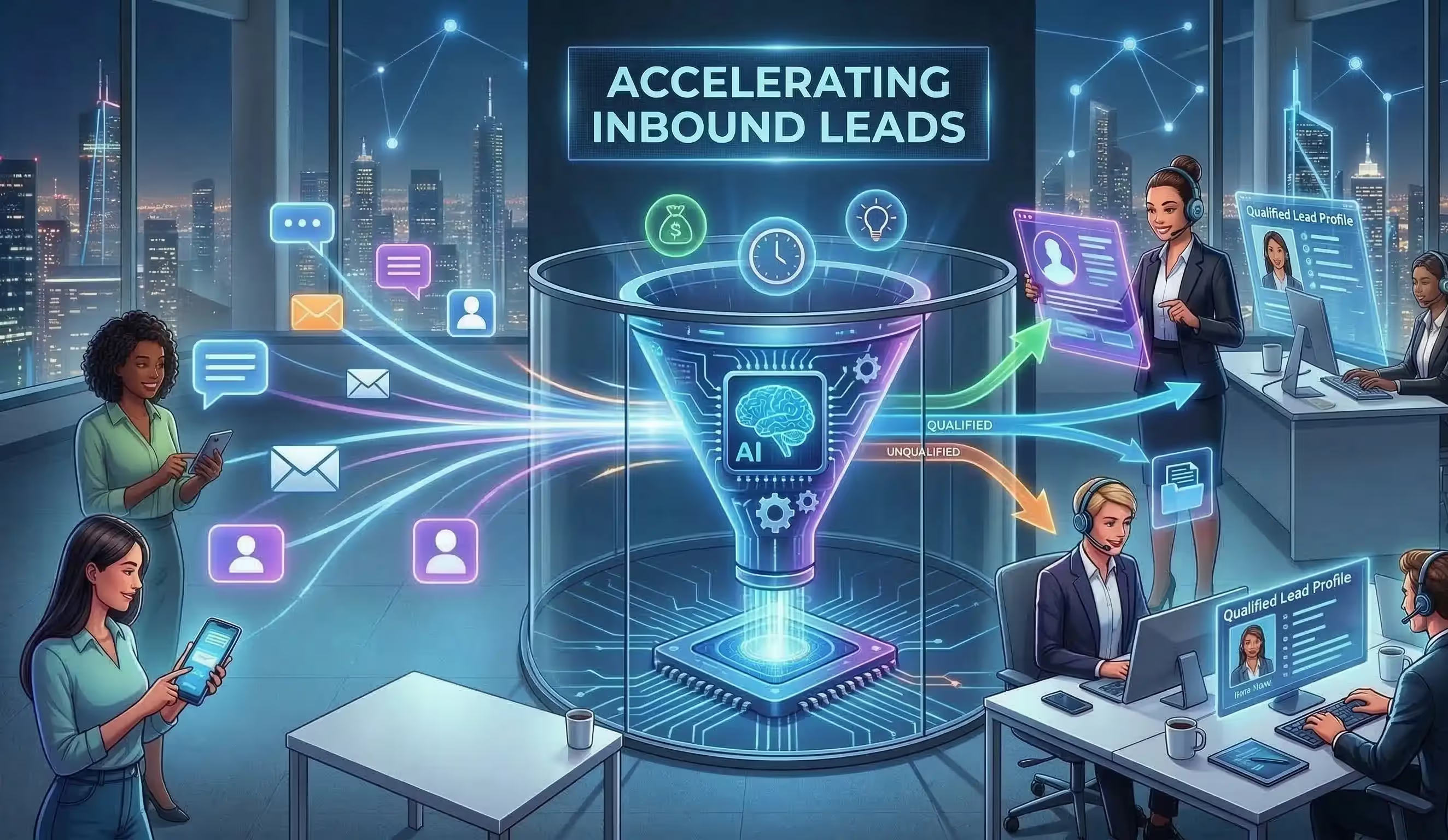
Aangezien het onmogelijk is voor een menselijk verkoopteam om 24/7 beschikbaar te zijn om binnen enkele seconden op elk bericht via elk kanaal te reageren, is automatisering de enige haalbare oplossing. Dit is waar chatbots en geautomatiseerde workflows onmisbaar worden. Een door AI aangestuurde bot kan fungeren als je eerste verdedigingslinie en zorgt voor een onmiddellijke en vriendelijke reactie op het moment dat een potentiële klant contact opneemt. Deze onmiddellijke bevestiging voldoet aan de behoefte van de klant aan een direct antwoord, bevestigt dat zijn bericht is ontvangen en verzekert hem dat hij binnenkort geholpen zal worden. Dit geautomatiseerde eerste contactpunt verbetert niet alleen de klantervaring, maar geeft je verkoopteam ook kostbare tijd om de aanvraag te bekijken en in te grijpen met een persoonlijke, menselijke interactie wanneer ze er klaar voor zijn. Om die overdracht nog soepeler te laten verlopen, kunnen bedrijven een AI-chatbot gebruiken voor leadkwalificatie om direct te reageren en prospects naar de juiste volgende stap te leiden.
Stapsgewijze handleiding voor het kwalificeren van inkomende leads
Zodra je een gestage stroom van inkomende leads hebt, is de volgende cruciale stap het kwalificeren ervan. Niet elke aanvraag is een echte verkoopkans. Het proces om inkomende leads te kwalificeren draait om het beschermen van het meest waardevolle bezit van je verkoopteam: hun tijd. Door elke lead systematisch te beoordelen aan de hand van een reeks vooraf vastgestelde criteria, zorg je ervoor dat je team zijn energie alleen richt op prospects die echt potentieel hebben om klant te worden. In 2026 wordt dit proces aangedreven door een combinatie van beproefde methodieken en geavanceerde technologie. Beproefde kaders zoals BANT zijn nog steeds zeer relevant voor het structureren van deze evaluatie.
- Budget: Heeft de potentiële klant voldoende financiële middelen om je product of dienst aan te schaffen?
- Autoriteit: Is de persoon met wie je communiceert de beslisser, of heeft hij of zij invloed op het besluitvormingsproces?
- Vraag: Heeft de potentiële klant een duidelijk probleem of een uitdaging die jouw oplossing kan oplossen?
- Tijdlijn: Hoe dringend moet de potentiële klant een oplossing vinden? Is hij van plan om dit kwartaal iets te kopen, of is hij alleen nog aan het rondkijken voor volgend jaar?
Gegevens verzamelen via conversational commerce
De tijd dat je potentiële klanten dwong om lange, saaie webformulieren in te vullen, is voorbij. In 2026 is leadkwalificatie een dynamische, conversatiegerichte ervaring. In plaats van een hele reeks velden te presenteren die ingevuld moeten worden, kun je de benodigde gegevens naadloos verzamelen via een live chat of een WhatsApp-gesprek. Door een paar strategische, open vragen te stellen, kun je de kwalificatiecriteria achterhalen die je nodig hebt, zonder dat de potentiële klant het gevoel krijgt dat hij wordt ondervraagd. Een chatbot of verkoopmedewerker zou bijvoorbeeld kunnen vragen: "Welke specifieke uitdaging hoop je op te lossen met een nieuw platform?", om zo hun behoefte in te schatten. Een vervolgvraag als: "Hoeveel teamleden zouden toegang nodig hebben?", kan helpen om de omvang van hun bedrijf en het potentiële budget in te schatten. Deze conversatiegerichte aanpak voelt natuurlijker en menselijker aan, wat leidt tot hogere voltooiingspercentages en gegevens van betere kwaliteit.
Geautomatiseerde kwalificatieworkflows instellen in Trengo
Hier komt de kracht van een platform voor geïntegreerde communicatie pas echt tot zijn recht. De meest effectieve manier om leads op grote schaal te beheren en te kwalificeren, is door gebruik te maken van een combinatie van een gedeelde inbox voor meerdere kanalen en slimme automatisering. Trengo biedt de perfecte oplossing om je leadkwalificatieproces te stroomlijnen. Zo werkt het:
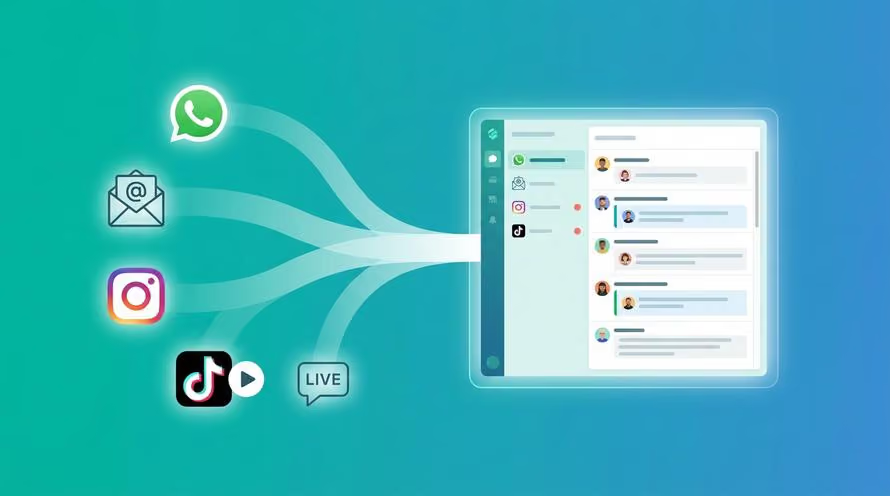
Ten eerste brengt de omnichannel-inbox van Trengo alle binnenkomende leads samen in één overzicht. Of een bericht nu via WhatsApp, Instagram, e-mail of de livechat op je website binnenkomt, het komt allemaal op dezelfde plek terecht. Zo worden communicatiesilo’s doorbroken en raakt er nooit een lead kwijt. Het doorbreekt de barrières tussen je marketingteam, dat de lead genereert, en je verkoopteam, dat erop moet reageren, door de volledige gespreksgeschiedenis in één dashboard zichtbaar te maken.
Vervolgens kun je Trengo’s Flowbots inzetten, een krachtige vorm van automatisering voor klantenondersteuning. Zodra een nieuwe lead een bericht stuurt, kan een Flowbot worden geactiveerd om direct contact met hem of haar te leggen. De bot kan zo worden ingesteld dat hij op een natuurlijke manier je belangrijkste BANT-kwalificatievragen stelt. Hij kan bijvoorbeeld vragen stellen over de bedrijfsgrootte, het specifieke probleem dat ze willen oplossen en hun tijdschema voor de implementatie. De antwoorden van de potentiële klant worden automatisch verzameld en binnen het gesprek getagd.
Ten slotte nemen de routeringsmogelijkheden van Trengo het over op basis van de gegeven antwoorden. Als de Flowbot vaststelt dat de lead zeer gekwalificeerd is (bijvoorbeeld een groot bedrijf met een dringende behoefte), kan hij het gesprek automatisch rechtstreeks doorsturen naar de wachtrij van de meest geschikte verkoper en deze direct een melding sturen. Niet-gekwalificeerde aanvragen of supportvragen kunnen naar een ander team worden doorgestuurd of met een automatisch antwoord worden afgehandeld. Deze krachtige combinatie van multichannelcommunicatie en AI-gestuurde efficiëntie zorgt ervoor dat je meest waardevolle leads een VIP-ervaring krijgen met een snelle menselijke reactie, waardoor de effectiviteit van je team wordt gemaximaliseerd en je meer omzet genereert.
Veelgestelde vragen
Hoe bepaal je of een lead gekwalificeerd is?
Een lead wordt als gekwalificeerd beschouwd wanneer deze overeenkomt met je ideale klantprofiel (ICP) en beschikt over een duidelijke behoefte, budget, beslissingsbevoegdheid en tijdschema (BANT) voor de aankoop. Je kunt dit vaststellen door tijdens het eerste contact gerichte vragen te stellen en door middel van leadscoringssystemen een waarde toe te kennen op basis van hun antwoorden en gedrag.
Wat is de 5-minutenregel voor leads?
De 5-minutenregel is een benchmark in de verkoopwereld die stelt dat een bedrijf binnen vijf minuten na een eerste aanvraag van een potentiële klant moet reageren. Uit gegevens uit 2026 blijkt nog steeds dat het naleven van deze regel de kans op het binnenhalen van de klant aanzienlijk vergroot, aangezien hun interesse en betrokkenheid tijdens dit tijdsbestek op hun hoogtepunt zijn.
Hoe kom je aan inkomende leads?
Om inkomende leads te genereren, moet je waardevolle content maken en verspreiden die je doelgroep op natuurlijke wijze aantrekt. Belangrijke strategieën zijn onder meer investeren in zoekmachineoptimalisatie (SEO) zodat mensen je kunnen vinden, actief aanwezig zijn op sociale media en het voor websitebezoekers gemakkelijk maken om een gesprek aan te knopen via kanalen zoals live chat of WhatsApp.
Hoe beoordeel je een inkomende lead?
Je kwalificeert een inkomende lead door systematisch gegevens te verzamelen om te controleren of de lead serieus geïnteresseerd is en of je product bij hem of haar past. Dit doe je door vragen te stellen over het budget, de beslissingsbevoegdheid, de behoeften en de tijdsplanning. Met een platform als Trengo kun je dit proces automatiseren met chatbots die deze vragen stellen en vervolgens alleen de gekwalificeerde prospects doorsturen naar je verkoopteam.



Ervaar de impact van Trengo en AI
Een betere, snellere service en meer loyale klanten. Bundel alle klantcontactkanalen op één platform en lever een uitmuntende service met AI.