De beste aanbieders van B2B-e-commerceoplossingen voor 2026


Probeer Trengo gratis uit

Trengo brengt WhatsApp, e-mail, internet, sociale media en telefoontjes samen in één inbox, waardoor je team uren aan herhalend werk bespaart en ervoor zorgt dat geen enkel gesprek verloren gaat.
Bekijk Trengo in actie
- Uitgebreide integraties
- Eenvoudige configuratie
- Schaalbare prijsstructuur
De beste aanbieders van B2B-e-commerceoplossingen voor 2026
Samenvatting
Het kiezen van de juiste aanbieders van e-commerceoplossingen voor B2B is een cruciale beslissing voor elk bedrijf dat in 2026 wil groeien. In dit overzicht bekijken we de essentiële functies die een robuust B2B-platform moet hebben, van klantspecifieke prijzen tot geavanceerde tools voor het opstellen van offertes. We beoordelen toonaangevende platforms zoals Shopify Plus, BigCommerce en Adobe Commerce, en laten zien hoe de integratie van een slimme communicatiehub zoals Trengo de sleutel is tot het beheren van complexe verkoopcycli en het opbouwen van duurzame klantrelaties.
TL;DR
- B2B-e-commerce is complexer dan B2C en vereist functies voor gepersonaliseerde prijzen, bulkbestellingen en onderhandelingen over offertes.
- De belangrijkste functies voor 2026 zijn onder andere klantspecifieke catalogi, een functie voor snel nabestellen en AI-gestuurde ondersteuning.
- Toonaangevende platforms zoals Shopify Plus, BigCommerce en Adobe Commerce zijn geschikt voor bedrijven van verschillende grootte en met uiteenlopende behoeften.
- Transactieplatforms alleen zijn niet genoeg; succes hangt af van het goed aanpakken van belangrijke communicatie met klanten.
- Trengo fungeert als een centraal communicatiecentrum dat met elk B2B-platform kan worden geïntegreerd om gesprekken en ondersteuning te stroomlijnen.
- Een combinatie van een krachtig e-commerceplatform en een slimme communicatietool is de winnende formule voor succes in de B2B-sector.
Meer dan alleen een digitale catalogus: wat maakt een B2B-e-commerceoplossing zo bijzonder?
B2B-e-commerce is veel meer dan alleen een productcatalogus online zetten. Het gaat om het digitaliseren van complexe, langdurige zakelijke relaties. In tegenstelling tot B2C-transacties, die vaak eenvoudig en grootschalig zijn, gaan B2B-verkoopcycli gepaard met onderhandelde prijzen, gedetailleerde offertes, meerdere besluitvormers en doorlopende ondersteuning. Een B2B-oplossing moet deze ingewikkelde processen faciliteren, niet alleen een simpele afrekening. Belangrijke onderscheidende factoren zijn functies voor het beheren van zakelijke accounts, het instellen van aangepaste betalingsvoorwaarden, het afhandelen van bulkbestellingen en het aanbieden van unieke catalogi voor verschillende klantsegmenten. Deze complexiteit betekent ook dat standaard B2C-marketingtactieken niet volstaan, waardoor er andere e-commercemarketingstrategieën nodig zijn om waardevolle zakelijke klanten aan te trekken en te behouden.
Essentiële functies die je B2B-e-commerceoplossing in 2026 moet hebben
Als je aanbieders van e-commerceoplossingen voor B2B evalueert, is het essentieel om verder te kijken dan alleen het standaard winkelwagentje. Het juiste platform moet zijn toegerust om de unieke uitdagingen van jouw verkoopproces aan te kunnen. Hier is een checklist met onmisbare functies die een modern B2B-platform nodig heeft om in 2026 efficiëntie en groei te stimuleren.
Klantspecifieke prijzen en catalogi
Een model met één vaste prijs werkt niet in de B2B-sector. Je platform moet uitgebreide personalisatiemogelijkheden bieden, zodat je verschillende prijsniveaus, volumekortingen en zelfs volledig aparte productcatalogi kunt aanbieden aan verschillende klantgroepen of individuele accounts. Deze functionaliteit vormt de hoeksteen van B2B-relaties, doordat het onderhandelde contracten weerspiegelt en loyale partners beloont.
Functie voor bulkbestellingen en snel nabestellen
B2B-inkopers werken anders dan consumenten. Ze kopen vaak grote hoeveelheden van verschillende artikelen of plaatsen steeds weer dezelfde bestellingen. Een goede B2B-e-commerceoplossing zorgt ervoor dat dit proces soepel verloopt. Let op functies zoals snelle bestelformulieren, het uploaden van CSV-bestanden voor grote bestellingen en een eenvoudige optie om met één klik opnieuw te bestellen vanuit de bestelgeschiedenis van de klant, zodat ze kostbare tijd besparen.
Geavanceerde tools voor offertes en onderhandelingen
Veel B2B-transacties beginnen niet met een ‘Toevoegen aan winkelwagen’-knop, maar met een offerteaanvraag (RFQ). Je platform moet een ingebouwde offerte-engine hebben waarmee klanten een offerte kunnen aanvragen, je verkoopteam een gedetailleerd voorstel kan opstellen en versturen, en de onderhandelingen direct binnen het systeem kunnen plaatsvinden. Dit stroomlijnt een proces dat van oudsher handmatig verloopt, waardoor de verkoopcyclus aanzienlijk wordt verkort.
Personalisatie en ondersteuning op basis van AI
In 2026 is kunstmatige intelligentie onmisbaar om concurrerend te blijven. AI kan de bestelgeschiedenis van een klant analyseren om slimme productaanbevelingen te doen, waardoor de koopervaring op grote schaal wordt gepersonaliseerd. Bovendien kan AI-gestuurde ondersteuning eerste vragen afhandelen, veelgestelde vragen beantwoorden en kopers begeleiden bij complexe aankopen, waardoor je team tijd overhoudt voor meer strategische taken. De beste AI-tools voor e-commercewinkels zijn tegenwoordig essentieel om de responsieve, persoonlijke ervaring te bieden die B2B-klanten verwachten.
De beste aanbieders van B2B-e-commerceplatforms van 2026
De markt voor aanbieders van e-commerceoplossingen voor B2B zit vol met sterke spelers, die elk hun eigen sterke punten hebben. De juiste keuze hangt af van de omvang, complexiteit en technische middelen van je bedrijf. Deze platforms vormen de basis voor transacties, die vervolgens kan worden uitgebreid met een communicatielaag. Hier zijn enkele van de belangrijkste spelers om in overweging te nemen.
Shopify Plus
Hoewel het begon in de B2C-wereld, is Shopify Plus uitgegroeid tot een indrukwekkend B2B-platform. Tot de B2B-functies op Shopify behoren een speciaal groothandelskanaal, bedrijfsprofielen met nettobetalingsvoorwaarden en gepersonaliseerde catalogi. De grootste kracht zit hem in de gebruiksvriendelijke interface en een uitgebreid ecosysteem van apps, waardoor je het platform uitgebreid kunt aanpassen zonder dat je daarvoor een groot ontwikkelingsteam nodig hebt.
- Belangrijkste kenmerken: B2B-afrekenen, bedrijfsprofielen met aangepaste betalingsvoorwaarden, uitgebreide API- en app-integraties.
- Meest geschikt voor: Snelgroeiende D2C-merken die uitbreiden naar de groothandel en middelgrote bedrijven die op zoek zijn naar flexibiliteit en gebruiksgemak.
BigCommerce B2B-editie
BigCommerce profileert zich als een robuuste, alles-in-één SaaS-oplossing voor B2B, waarbij B2B-functionaliteit centraal staat. Het biedt standaard een schat aan ingebouwde functies, waardoor je minder afhankelijk bent van apps van derden. Denk daarbij aan krachtige tools voor het beheer van zakelijke accounts, bulkprijslijsten, inkooporders en geavanceerde verzendlogica voor complexe logistieke behoeften.
- Belangrijkste functies: Beheer van zakelijke accounts, prijslijsten, inkooporders en geavanceerde verzendopties.
- Meest geschikt voor: middelgrote tot grote bedrijven die op zoek zijn naar een uitgebreide, native B2B-functieset met lagere totale eigendomskosten.
Adobe Commerce (voorheen Magento)
Adobe Commerce is de krachtpatser voor bedrijven die op zoek zijn naar ultieme flexibiliteit en schaalbaarheid. Als open-sourceplatform biedt het ongeëvenaarde aanpassingsmogelijkheden, waardoor grote ondernemingen een volledig op maat gemaakte e-commerce-ervaring kunnen creëren. Het blinkt uit in het verwerken van complexe productcatalogi, winkels met meerdere merken en diepgaande integraties met ERP- en CRM-systemen.
- Belangrijkste kenmerken: Zeer flexibel aanpasbare workflows, ondersteuning voor meerdere merken, naadloze ERP-integratie, geavanceerde B2B-offertemodule.
- Meest geschikt voor: Grote ondernemingen en fabrikanten met eigen ontwikkelingsteams die een op maat gemaakte B2B-commerceoplossing nodig hebben.
Andere opvallende platforms
Om een volledig beeld te schetsen, zijn er nog andere gespecialiseerde spelers die het vermelden waard zijn. OroCommerce is vanaf de basis exclusief voor B2B ontwikkeld en biedt uitgebreide CRM- en workflowautomatiseringsfuncties. Sana Commerce onderscheidt zich door zijn diepgaande, realtime integratie met Microsoft Dynamics- en SAP ERP-systemen, waardoor het een uitstekende keuze is voor fabrikanten en distributeurs die hun ERP-systeem als enige bron van waarheid willen gebruiken.
Het ontbrekende stukje: waarom slimme communicatie jouw superkracht is in B2B-e-commerce
Zelfs het meest geavanceerde B2B-e-commerceplatform lost slechts één deel van de puzzel op: de transactie. Het echte werk om loyaliteit op te bouwen – onderhandelen over offertes, complexe bestellingen beheren en ondersteuning na de verkoop bieden – gebeurt via gesprekken. In de veeleisende wereld van B2B kan één gemiste e-mail of een trage reactie je een langetermijncontract kosten. Het efficiënt beheren van deze cruciale communicatie is de sleutel tot duurzame groei. Je kunt je e-commerce klantervaring verbeteren met Trengo door dit cruciale onderdeel van je bedrijf te centraliseren.
Maak kennis met Trengo: het communicatiecentrum voor B2B
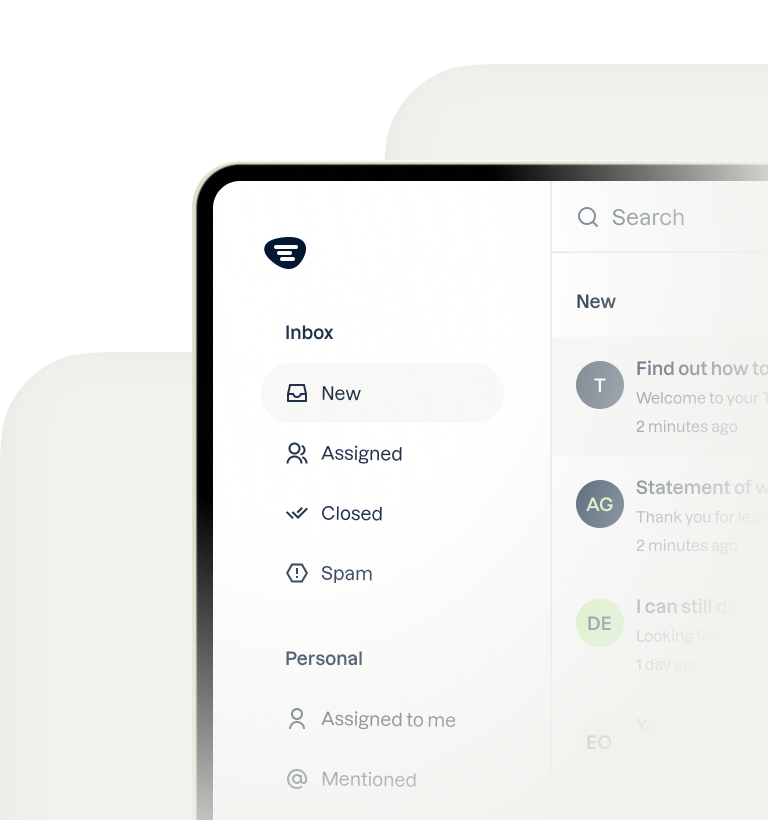
Trengo is niet zomaar een e-commerceplatform. Het is de onmisbare communicatielaag die met elk van de hierboven genoemde platforms kan worden geïntegreerd om de gesprekken te beheren die jouw bedrijf vooruit helpen. Trengo biedt een gedeelde, omnichannel-inbox waar je verkoop-, support- en logistiekteams elke klantinteractie via elk kanaal – zoals e-mail, WhatsApp en live chat – vanuit één overzicht kunnen beheren.
Centraliseer alle B2B-klantgesprekken
Het typische B2B-communicatieproces is versnipperd over de inboxen van individuele verkopers, algemene support-e-mailadressen en telefoongesprekken. Dit leidt tot informatiesilo’s en vertraagt de reactietijden. De gedeelde inbox van Trengo maakt een einde aan deze chaos. Het biedt één transparant overzicht van de volledige klantrelatie, zodat elk teamlid direct de context van een vraag begrijpt en snel een nauwkeurig antwoord kan geven.
Automatiseer en schaal je B2B-ondersteuning
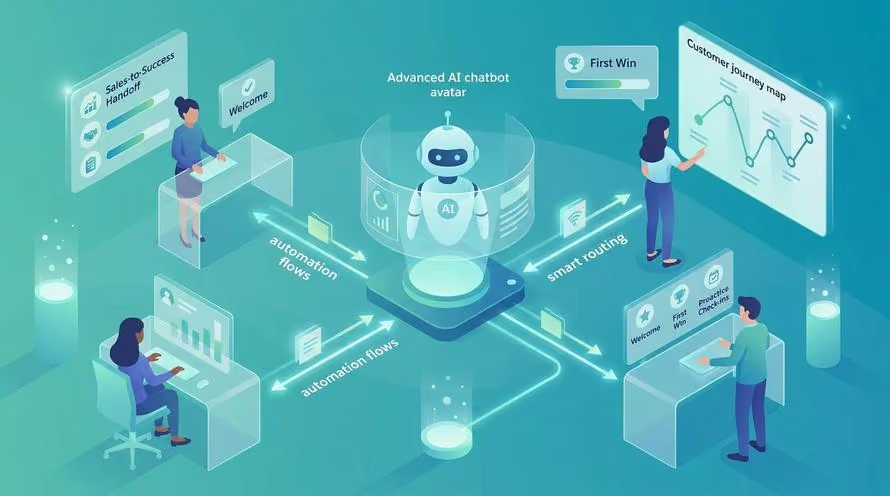
Niet elke B2B-aanvraag vereist onmiddellijke menselijke tussenkomst. Met Trengo kun je krachtige automatisering inzetten om je support- en verkoopprocessen op te schalen. Intelligente chatbots en geautomatiseerde regels kunnen eerste offerteaanvragen afhandelen, veelgestelde vragen over verzend- of betalingsvoorwaarden beantwoorden en complexe kwesties op een slimme manier doorsturen naar de juiste expert. Voor meer geavanceerde behoeften kan de AI-agent van Trengo de intentie van de klant begrijpen en direct gedetailleerde antwoorden geven, waardoor je team zich kan richten op hoogwaardige onderhandelingen en het opbouwen van relaties.
Werk in realtime samen aan offertes en bestellingen
Snelheid is cruciaal in B2B-verkoop. De functies voor interne samenwerking van Trengo zijn ontworpen om de verkoopcyclus te verkorten. Een verkoper kan rechtstreeks vanuit een e-mail aan een klant een collega van het logistieke team taggen om de verzendmogelijkheden voor een grote bestelling te bevestigen, zonder de inbox te hoeven verlaten. Deze realtime samenwerking in de juiste context zorgt ervoor dat offertes nauwkeurig zijn en sneller worden verstuurd. Klaar om je proces te stroomlijnen? Neem contact met ons op om leads om te zetten in bestellingen.
Veelgestelde vragen

Welk platform het "beste" is, hangt volledig af van jouw specifieke zakelijke behoeften. Voor bedrijven die op zoek zijn naar snelheid en flexibiliteit is Shopify Plus een uitstekende keuze. Voor bedrijven die behoefte hebben aan uitgebreide, kant-en-klare B2B-functies is BigCommerce B2B Edition een sterke kanshebber. Voor grote ondernemingen die volledige maatwerkoplossingen nodig hebben, biedt Adobe Commerce ongeëvenaarde flexibiliteit.
Het opzetten van een B2B-e-commercewebsite bestaat uit vier belangrijke stappen. Ten eerste moet je je unieke B2B-behoeften duidelijk in kaart brengen, zoals klantspecifieke prijzen, gebruikersrollen en offertebehoeften. Ten tweede kies je een geschikt platform uit de bovenstaande opties. Ten derde integreer je het platform met je bestaande bedrijfssystemen, zoals een ERP- of CRM-systeem. Tot slot implementeer je een gecentraliseerde communicatietool zoals Trengo om alle klantcontacten efficiënt te beheren.
Ja, Shopify Plus is uitgegroeid tot een zeer krachtige en populaire oplossing voor B2B-e-commerce. Met zijn speciale groothandelskanaal, bedrijfsprofielen die betalingsvoorwaarden toestaan en mogelijkheden voor aangepaste prijsstelling, biedt het een robuust pakket aan functies dat veel B2B-bedrijven van dienst is, vooral bedrijven die uitbreiden vanuit een D2C-model of die gebruiksgemak hoog in het vaandel hebben staan.
B2B-e-commerce omvat elke online transactie tussen twee bedrijven. Een duidelijk voorbeeld is een fabrikant van industriële onderdelen die via een besloten online portaal rechtstreeks onderdelen verkoopt aan autoreparatiewerkplaatsen. Een ander voorbeeld is een groothandel in levensmiddelen die restaurants de mogelijkheid biedt om online bulkbestellingen te plaatsen. Een derde voorbeeld is een softwarebedrijf dat jaarlijkse licenties en abonnementen verkoopt aan andere bedrijven.
Meer van dit



Ervaar de impact van Trengo en AI
Een betere, snellere service en meer loyale klanten. Bundel alle klantcontactkanalen op één platform en lever een uitmuntende service met AI.