AI for ecommerce automation: boost sales and reduce manual work


Try Trengo for Free

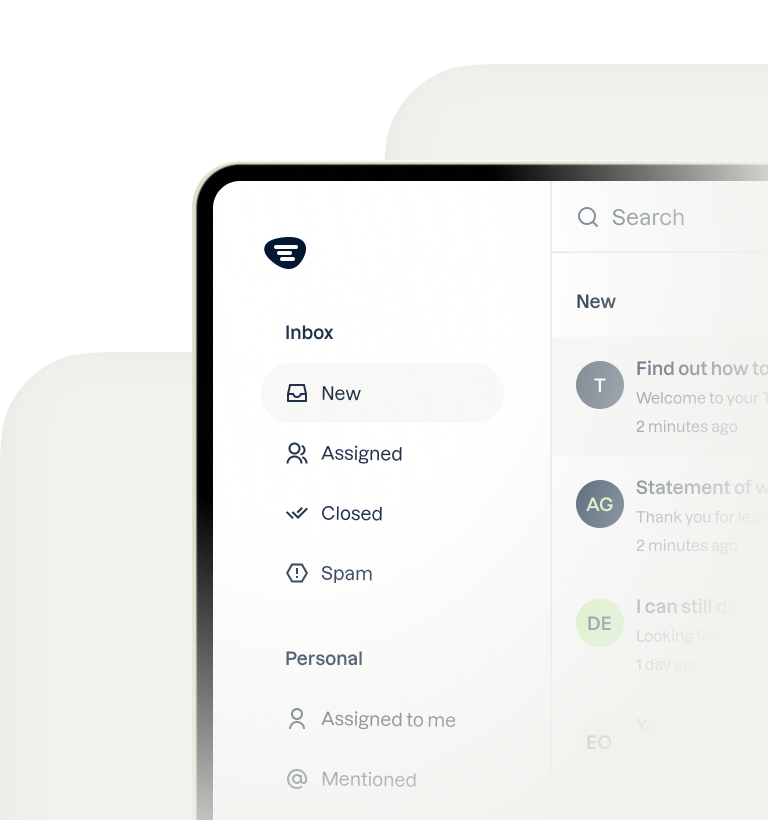
Trengo unites WhatsApp, email, web, social media, and calls in one inbox, saving your team hours of repetitive work and ensures no conversation is ever lost
AI for ecommerce automation is reshaping how online stores attract, convert, and retain customers by turning repetitive, manual work into smart, data-driven workflows. Instead of relying only on human effort, ecommerce brands now use AI to analyse behaviour, personalise experiences, and streamline operations in the background.
In 2026, adoption of AI for ecommerce automation is growing fast, with a large share of ecommerce professionals using AI daily to support tasks like product recommendations, pricing, inventory planning, and customer support. This shift helps brands increase revenue per visitor, reduce operational costs, and improve customer lifetime value by making decisions faster and with fewer errors.
For ecommerce teams, this means less time managing routine tasks and more time focusing on strategy, creativity, and building stronger customer relationships. Whether you are just starting with AI or looking to scale existing tools, understanding how AI for ecommerce automation fits into your tech stack is now a core part of staying competitive online.
What does ecommerce AI automation mean?
Ecommerce AI automation is the use of AI-powered systems to manage and optimise everyday operations such as merchandising, marketing, customer support, payments, and inventory without needing constant human input. These systems learn from behaviour over time, so your automations become smarter instead of staying fixed on static rules.
In practice, this might look like:
- Personalising product recommendations and on-site content for each visitor based on their browsing and purchase history.
- Automating email, SMS, and on-site journeys that adapt to customer actions in real time (abandoned carts, repeat visits, high-intent browsing).
- Using AI chatbots and virtual assistants to answer common questions, guide product discovery, and collect relevant customer data before handing over to a human.
Why it matters in 2026
In 2026, ecommerce is more competitive, more data-heavy, and more omnichannel than ever. Teams are expected to deliver instant, personalised experiences across websites, apps, social channels, and messaging, often with limited headcount and tight margins. AI for ecommerce automation matters because it:
- Scales personalisation: AI can analyse thousands of signals per customer and adjust recommendations, pricing, and messaging in ways a human team simply cannot do at scale.
- Cuts operational costs: Automating repetitive work like tagging products, updating inventory, routing orders, and handling simple support queries reduces manual effort and human error.
- Improves decisions: Predictive models help you forecast demand, plan stock, detect fraud, and identify at‑risk customers earlier, so you act before problems show up in your revenue.
- Supports 24/7 experiences: Automated flows and AI agents keep your store responsive at all times, regardless of time zone or peak traffic.
Core AI technologies behind ecommerce automation
Machine learning for predictions and recommendations
Machine learning models analyse browsing behaviour, past purchases, and similar customer profiles to predict what each shopper is most likely to buy next. Stores use this to power “you may also like” blocks, personalised homepages, churn prediction, and fraud detection.
Natural language processing for conversations and search
Natural language processing helps systems understand and generate human language at scale. In ecommerce, it powers AI chat assistants, smarter on-site search, review analysis, and automated copy like product descriptions or FAQs.
Computer vision for images and product recognition
Computer vision allows AI to interpret images, which supports visual search (uploading a photo to find similar products), automated tagging, quality checks, and recognising items for returns processing. This reduces manual work and makes it easier for shoppers to find what they saw on social media or in the real world.
Deep learning and generative AI for content and personalisation
Deep learning models and large language models generate and refine content such as product descriptions, ads, emails, and on-site copy, often in multiple languages. They also refine recommendations and on-site experiences by learning from huge volumes of interaction data over time.
Predictive analytics for planning and pricing
Predictive analytics uses historical and real-time data to forecast demand, optimise inventory, and inform dynamic pricing strategies. This helps brands prevent stockouts and overstocking, set smarter discounts, and plan campaigns with better margin control.
AR and immersive experiences for try-before-you-buy
Augmented and virtual reality tools let shoppers virtually try on products, preview items in their space, or explore interactive showrooms. This reduces returns and builds confidence in complex or size-sensitive purchases like furniture, fashion, and beauty.
5 examples of AI in ecommerce
Even small AI-powered changes can remove friction from the customer journey and free your team from manual work. Here are six practical examples of how AI is used in ecommerce today.
1. Smart onsite search that understands intent
Instead of matching only exact keywords, AI-powered search can understand what a shopper actually means when they type a vague or incomplete phrase. For example, when someone searches for “eco-friendly office setup,” the search engine can surface recycled notebooks, bamboo desk organisers, low-energy lamps, and ergonomic chairs without those exact words appearing in the query. This makes it easier for customers to discover relevant products and reduces the number of dead-end searches.
2. AI assistants in chat and messaging
AI chat assistants embedded in website chat, WhatsApp, or social channels can answer common questions instantly, guide shoppers to the right products, and collect key details before a human steps in. They can help with tasks like checking delivery options, explaining return policies, or suggesting bundles based on what the customer has in their cart. This keeps response times low while letting your support team focus on complex, high-value conversations.
3. Personalised product and content blocks
Recommendation engines now go beyond “customers also bought.” AI can personalise entire sections of your store based on each visitor’s behaviour and context. A returning customer might see a homepage filled with restocks of their favourite categories, content tailored to their location, and dynamic bundles that pair what they viewed last time with complementary items. This level of personalisation increases average order value without feeling pushy.
4. Dynamic promotions and discounting
Rather than running the same discount for everyone, AI can adjust offers based on demand, inventory, and customer segments. For example, a system might offer a small, time-limited discount to first-time visitors who hesitate at checkout, while giving loyal customers early access to new collections instead of blanket price cuts. This helps protect margins, clear stale stock more strategically, and keep promotions relevant.
5. Automated merchandising and visual tagging
AI can analyse product images and descriptions to auto-tag items with attributes like colour, style, material, and occasion. This makes it easier to build collections such as “summer city looks” or “home office upgrades” without manually labelling every product. It also improves filters and category pages, helping shoppers drill down quickly to what they have in mind, especially on stores with large catalogues.
How to automate your e-commerce business: a technical strategy
Introducing automation into your ecommerce business requires careful planning and the right technology choices. It’s not just about adding tools but about building connected workflows that streamline processes and scale with your growth.
Select the right automation platform for your business
Picking an automation platform depends on your company's size, technical skills, and existing systems. Small teams may benefit from no-code platforms with drag-and-drop interfaces that require little programming. Medium-sized businesses might go for low-code solutions that balance visual development with more customization options. Larger enterprises often need fully custom software tailored to complex workflows.
If this sounds overwhelming, working with software consultants can help you identify the best fit based on your needs, budget, and plans.
Integrate your core systems with powerful APIs
Automation thrives on seamless data exchange between your ecommerce store, payment gateways, inventory software, customer management, and marketing channels. Essential API integrations include:
- Payment gateways for streamlined transactions and automated fraud checks
- Inventory systems that update stock levels in real time and forecast demand
- Customer service platforms enabling AI chatbots and ticket routing
- Marketing tools that trigger personalised campaigns and social media posts
These integrations ensure your tools communicate smoothly and reduce manual interventions.
Implement a phased roadmap to automation success
A structured approach reduces risk and helps you optimise as you grow:
- Assessment: Map out current workflows, identify bottlenecks, and prioritise automation opportunities.
- Platform selection: Choose your automation stack based on ease of use, scalability, and compatibility.
- Integration setup: Connect APIs and configure data flows between systems with an emphasis on security and reliability.
- Testing and optimisation: Run pilot tests, monitor system performance, refine rules, and gather user feedback.
- Scaling: Gradually expand automation across departments, adding new processes as confidence and ROI grow.
Following this strategy positions your ecommerce business to reap AI automation benefits without operational disruption.
Building personalised customer experiences with AI automation
AI-powered personalisation is transforming ecommerce by creating shopping experiences that feel thoughtfully tailored to each individual. Rather than generic messaging and one-size-fits-all promotions, AI helps brands deliver the right content, products, and offers at exactly the right moment, making customers feel seen and understood.
Smarter product recommendations
Advanced recommendation systems analyse customer behaviour, past orders, and browsing patterns to suggest products likely to resonate. Methods like collaborative filtering identify what similar shoppers enjoy, while content-based filtering factors in customer preferences and history. Dynamic recommendations adjust in real time based on current activity, helping customers discover relevant items effortlessly. Clever cross-selling techniques bundle complementary products or suggest upgrades that enhance value without overwhelming shoppers.
Optimising every step of the customer journey
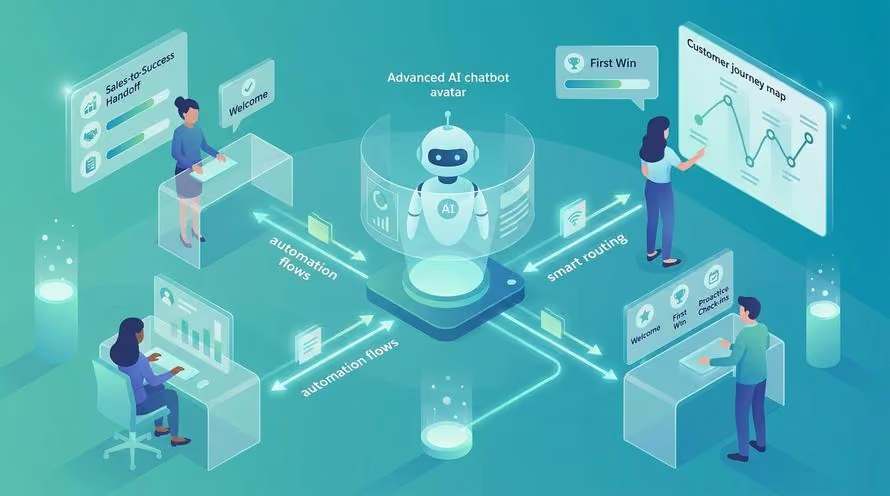
Automated customer journeys guide buyers smoothly from awareness through to retention. Behavioural triggers and predictive analytics power timely interventions, such as personalised content at the awareness stage, dynamic product showcases during consideration, and checkout optimisations that reduce cart abandonment. Loyalty programs can be automated to reward repeat purchases, driving ongoing engagement.
Real-time personalisation for unique experiences
Real-time personalisation adapts every visit based on the shopper’s current context. This can mean adjusting website content and product displays according to previous behaviour, location, device type, or time of day. AI-powered search ranks results to match individual preferences, while adaptive user interfaces shift navigation or layouts based on interaction patterns. Contextual messaging delivers targeted communications triggered by behaviour, location, or timing that feel relevant without being intrusive.
Why it matters
Studies show that AI-driven personalisation can boost customer lifetime value by up to 50%. When customers experience thoughtful, relevant interactions throughout their journey, they stay longer, spend more, and recommend brands to their networks. For ecommerce businesses competing in a crowded market, personalised experiences powered by AI aren’t just an advantage, they’re essential for growth.
Top 3 AI automation tools and platforms for ecommerce
Choosing the right AI automation tools is key to unlocking the full potential of your ecommerce business. Here are three top platforms that combine smart AI capabilities with seamless automation, helping you personalise experiences, optimise workflows, and scale efficiently.
1. Trengo: all-in-one omnichannel customer engagement
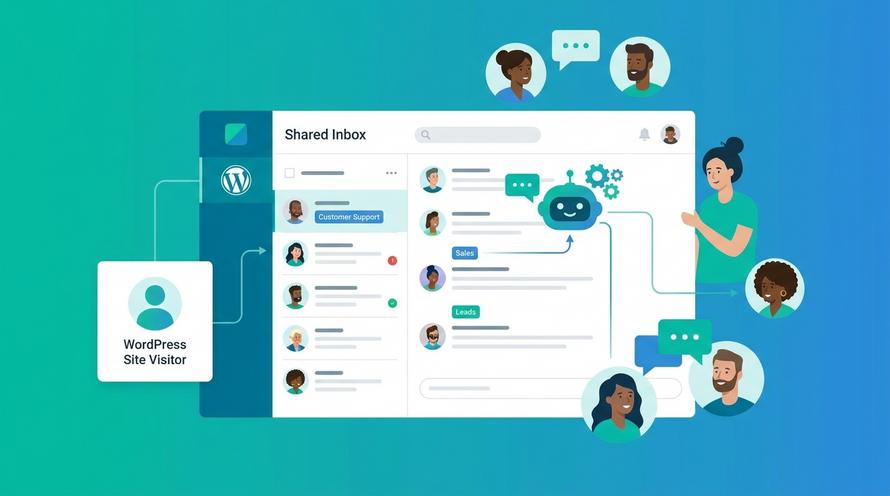
Trengo leads the way by offering a powerful platform that centralises customer conversations from WhatsApp, email, live chat, and social media into a single inbox. Its AI automations streamline repetitive tasks like ticket routing, message triage, and customer data collection, freeing your team to focus on meaningful interactions. With AI-powered chatbots and smart templates, Trengo boosts response times while maintaining personalised service. The platform also offers insightful analytics to track performance and customer satisfaction, making it a comprehensive tool for ecommerce growth.
2. Trymaverick: automated influencer marketing with AI
Trymaverick brings AI to influencer marketing by automating the creation and management of authentic user-generated content campaigns. Its platform uses AI to identify brand-aligned creators, personalise outreach, and generate high-impact promotional videos at scale. Trymaverick’s automation not only saves time but also enhances marketing ROI by rapidly creating trust-building content that resonates with ecommerce audiences, making it ideal for brands looking to boost social proof through AI-driven strategies.
3. Zaius (now part of Optimizely): AI-powered customer data platform
Zaius uses AI-driven analytics to power personalised marketing automation across channels like email, SMS, and on-site messaging. The platform automatically segments customers based on behaviour, predicts future buying intent, and triggers relevant campaigns that drive conversion and loyalty. Zaius’s AI helps marketers reduce manual segmentation and create precise, dynamic journeys that improve engagement and lifetime value. Its robust API support makes it easy to integrate with existing ecommerce tech stacks.
Final words
AI for ecommerce automation is no longer optional; it’s vital for businesses looking to grow efficiently and deliver personalised, frictionless experiences. By automating repetitive tasks, personalising customer journeys, and leveraging predictive insights, ecommerce teams can boost sales, reduce costs, and build lasting loyalty.
The platforms and tools available today, including Trengo, make implementing AI easier than ever. Whether you’re a small store or a large enterprise, adopting AI automation frees your team to focus on what matters most: creating meaningful connections with customers.
Ready to start transforming your ecommerce store with AI automation? Discover how Trengo’s all-in-one platform can help you automate smartly, engage customers seamlessly, and scale without sacrificing personalisation. Try Trengo free today and experience the future of ecommerce automation.


Let's meet
Grow your business with loyalty. Bring all of your customer contact into one, single platform to unlock delight at every step of the way.