8 Top AI in ecommerce examples and real use cases in 2026


Try Trengo for Free

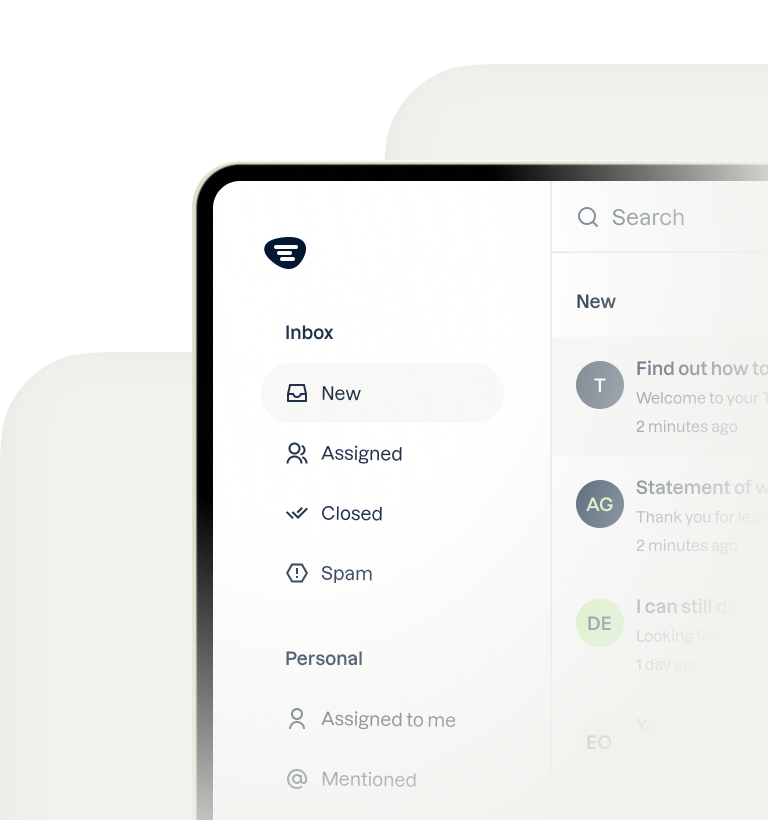
Trengo unites WhatsApp, email, web, social media, and calls in one inbox, saving your team hours of repetitive work and ensures no conversation is ever lost
Artificial intelligence is reshaping how online shops work, from helping customers find the right products to supporting teams behind the scenes. The best AI in ecommerce examples show how retailers use smart tools to improve experiences, reduce manual work and make every step of the journey feel smoother for customers.
In this guide, we highlight 8 practical AI in ecommerce examples, each supported by real use cases. You’ll see how AI helps businesses personalise recommendations, predict demand, automate conversations and streamline daily tasks.
By the end, you’ll have a clearer view of how AI can support your own ecommerce goals and create more meaningful interactions across every channel.
How AI is changing the ecommerce landscape
AI is reshaping ecommerce by helping businesses work faster, serve customers better and make decisions with more confidence. Tasks that once required hours of manual work can now be automated, giving teams more time to focus on growth. As AI becomes part of everyday retail operations, it’s opening new opportunities for efficiency, personalisation and smarter engagement across the entire customer journey.
Below are the main ways AI is changing how ecommerce teams work today.
Smarter and more natural customer interactions
AI has changed how customers communicate with online stores. Instead of waiting for a response or searching through help pages, people can now get quick answers through conversational AI assistants and chatbots.
These tools can:
- guide customers through questions in real time
- help them find the right products
- offer support outside business hours
While they don’t replace human teams, they reduce workload and allow support agents to focus on more complex needs. Voice technology has also become more common, helping customers complete tasks with simple voice commands — offering a fast, intuitive and hands-free experience.
Faster, clearer and more accurate data analysis
One of the biggest impacts of AI in ecommerce is its ability to analyse large amounts of customer and product data in seconds. This helps teams understand behaviour, forecast demand and make decisions that are grounded in real insight instead of guesswork.
With stronger analytics, businesses can:
- spot trends earlier
- allocate marketing budgets more effectively
- improve stock planning
- identify opportunities for new products or markets
AI makes these insights accessible to everyone, not just specialists, helping teams act faster and stay ahead.
Efficient content creation at scale
AI has also transformed how ecommerce brands create content. Whether you need product descriptions, SEO pages, social posts or ad copy, AI can generate draft content quickly. Human review is still important, but AI gives teams a strong starting point and reduces the time needed to produce high-quality assets.
This helps retailers:
- launch products faster
- keep product pages consistent
- test more variations of copy
- reduce the pressure on content teams
For busy ecommerce operations, this speed can make a meaningful difference.
Improved operations and backend efficiency
AI now supports many behind-the-scenes processes that keep ecommerce businesses running smoothly. These include:
- warehouse robots that sort, pack and move items
- visual recognition tools that detect counterfeit products
- dynamic pricing systems that adjust prices in real time
- automation that handles repetitive or manual tasks
As these tools evolve, they give retailers more control, better accuracy and a stronger ability to scale without adding unnecessary complexity.
8 AI in eCommerce examples in 2026
1. Shopify: semantic search that understands natural language
Search has always been a make-or-break moment in ecommerce. If customers cannot find what they’re looking for, they leave. To fix this, Shopify rolled out semantic search, an AI-powered feature in its Search & Discovery app that understands what shoppers mean, not just the exact words they type.
Instead of relying on strict keyword matches, semantic search interprets intent in more natural phrases such as “something to wear to a summer wedding” or “comfortable shoes for standing all day.” Behind the scenes, AI models consider product attributes, context and related concepts to surface relevant items, even if those exact words are not in the product titles.
Merchants who have enabled semantic search report that customers get fewer “no results” pages and find suitable products with fewer attempts. This reduces friction in the buying journey and helps stores surface items that might otherwise stay buried in the catalogue, leading to smoother discovery and more opportunities to convert casual browsing into actual orders.
2. Amazon: AI-powered dynamic pricing
Pricing in eCommerce changes quickly, and Amazon is one of the clearest examples of how AI can manage this at scale. The company uses machine learning models that analyse real-time data — including competitor pricing, product demand, stock levels, seasonality and customer behaviour — to adjust prices automatically.
These algorithms can refresh prices thousands of times a day, ensuring that products remain competitive while still protecting margins. For shoppers, this means seeing relevant prices that reflect current market conditions. For retailers, it means staying ahead in crowded categories without constantly reviewing and updating prices manually.
This AI-driven pricing approach helps Amazon respond faster to market changes, keep high-demand products visible and improve conversion rates by presenting the most appealing price at the right moment.
3. AI-powered dynamic pricing
Dynamic pricing has become one of the most practical and widely adopted uses of AI in ecommerce. Instead of relying on fixed prices or manual updates, AI systems analyse real-time factors such as demand, competitor prices, stock levels, browsing behaviour and even seasonality. Using this data, the pricing model automatically adjusts product prices to match current market conditions.
A well-known example of this is how large marketplaces and fast-moving online retailers use AI to stay competitive. When demand for a product spikes, the system may increase the price slightly. When competitors run a discount or stock starts to build up, the AI lowers the price to keep conversions steady. The goal isn’t to manipulate customers, but to offer relevant and competitive pricing at the right moment.
This approach helps ecommerce brands optimise margins, reduce overstock, and respond to market changes instantly — something that’s nearly impossible to do manually at scale. It also creates a fairer purchasing experience for customers, who receive prices that reflect real-time availability and demand.
4. AI-generated product content for faster merchandising
Many eCommerce teams spend hours writing product titles, descriptions, specifications and marketing copy — especially when launching new collections or updating seasonal catalogues. AI is now transforming this workflow by helping retailers generate high-quality content in minutes instead of days.
Modern AI writing tools can analyse product data, style guidelines, tone of voice and existing brand content to produce descriptions that match the brand’s identity. For example, a fashion retailer can upload product images and basic attributes (like material, fit and colour), and the AI generates multiple variations of product descriptions tailored for the website, ads or social posts. This reduces repetitive manual work and helps teams publish new products much faster.
AI also helps maintain consistency across large catalogues. When product ranges grow into hundreds or thousands of items, it's easy for tone and quality to vary. AI-supported content creation ensures that descriptions stay aligned, readable and optimised for search engines.
While human review is still important for accuracy and nuance, AI handles the heavy lifting, letting teams focus on creative decisions and strategy rather than rewriting product text all day.
5. Zalando: AI-powered size prediction to reduce returns
One of the biggest challenges in fashion eCommerce is sizing. Customers often order multiple sizes of the same item, keep one and return the rest. This leads to high operational costs and unnecessary waste.
Zalando tackled this problem by introducing an AI-driven size prediction system. The model analyses customer measurements, past purchases, returns history and fabric details to suggest the most accurate size for each shopper. Instead of guessing, customers receive personalised recommendations like “Most customers with a similar profile fit size M best.”
This small moment of guidance has a big impact. Shoppers feel more confident in their purchase, and retailers see fewer size-related returns—one of the costliest return categories in online fashion. Over time, the system becomes smarter too, using new data to refine future predictions.
Zalando’s approach shows how AI can solve very human problems: uncertainty, hesitation and the frustration of ordering the wrong size. By making fit more predictable, they’ve created a smoother shopping experience that benefits both customers and the business.
6. Carrefour: AI-powered supply chain optimisation
Carrefour uses AI to improve how its supply chain operates across multiple regions. With thousands of products moving through its stores each day, predicting demand manually is almost impossible. AI helps the retailer analyse large sets of data—such as buying patterns, seasonality and regional trends—to anticipate how much stock will be needed at any given time.
Using these predictions, Carrefour can order inventory with more accuracy and avoid common issues like overstocking or running out of essential items. This reduces waste, improves product availability and ensures shelves stay full even during peak seasons.
AI also helps the company adjust delivery schedules and streamline warehouse operations. By analysing how products move through each stage of the process, the system identifies ways to save time and reduce operational costs.
This approach has helped Carrefour manage its inventory more efficiently, improve customer satisfaction and operate at a scale that would be difficult to handle using traditional forecasting alone.
7. Sephora – AI-powered colour matching and personalised product guidance
Sephora has integrated AI across several parts of its shopping experience, but one of its most impactful tools is AI-based colour matching. The “Color IQ” system scans a customer’s skin tone and uses computer vision to identify the exact foundation shade that matches their complexion. It then recommends products across brands that fit their undertone and skin type.
This solves a long-time challenge in beauty retail: choosing the right shade online. The AI reduces guesswork, lowers return rates and helps customers feel more confident in their purchase decisions. Sephora also combines this with personalised product suggestions based on previous purchases and browsing behaviour, making the experience feel tailored without being overwhelming.
8. Wayfair – using AI for visual search and style matching
Wayfair uses AI-powered visual search to help shoppers find furniture and home décor items using photos instead of text. When a customer uploads an image — whether it’s a sofa they saw online or a lamp from a café — the AI analyses patterns, colours, materials and shapes to identify similar products in Wayfair’s catalogue.
This solves a common issue in eCommerce: shoppers often don’t know the right keywords to describe what they want. Instead of typing “textured grey 3-seater sofa with wooden legs,” they can simply upload a photo and browse matches instantly.
The AI also suggests complementary items based on the user’s style preferences, helping customers build complete room setups with less effort. This improves product discovery, reduces search friction and increases overall engagement on the platform.
How do ecommerce shopping assistants benefit brands?
Ecommerce shopping assistants do more than recommend products. They guide customers, reduce friction and create experiences that feel more personal and supportive. Here are the key benefits for brands.
Higher conversion rates
When customers struggle to choose between products, they often leave without buying. Shopping assistants help remove that uncertainty.
By asking simple questions about preferences, goals or budget, the assistant can narrow down options and guide shoppers toward the most suitable products. This creates confidence — and confidence leads to higher conversion rates.
For example, a customer looking for a DSLR camera may not know the difference between entry-level and semi-professional models. A shopping assistant can ask about their experience, typical use cases and price range, then suggest a small, curated list that fits their needs. With fewer decisions to make, the customer is more likely to complete the purchase.
Increased average order value
A well-designed assistant doesn’t just support a single purchase — it helps shoppers build complete solutions.
By understanding what the customer is looking for, the assistant can suggest helpful accessories, bundles or complementary products. This creates a natural, relevant upsell experience that feels like support rather than pressure.
Imagine someone buying a new laptop. A shopping assistant might recommend a sleeve, charger, external mouse or software tools based on the shopper’s preferences. These additional suggestions often lead to larger, more valuable baskets without overwhelming the customer.
Fewer product returns
Returns can be costly for retailers, especially in categories like fashion, footwear and electronics. Shopping assistants reduce these errors by matching customers with products that genuinely fit their needs.
For example, in clothing, the assistant can gather body measurements, preferred fit and style preferences, then recommend items that match those details. This results in fewer incorrect orders — and fewer returns.
The same applies to technical categories like appliances or gadgets, where small differences in features can influence customer satisfaction. By narrowing down the right product, assistants help prevent mismatched purchases.
Valuable customer insights
Every interaction with a shopping assistant uncovers data about customer needs, motivations and decision-making patterns. This information becomes an ongoing source of insight for merchandising, product development and marketing teams.
Brands can learn:
- which features customers value most
- which concerns stop shoppers from converting
- which product categories need clearer explanations
- which attributes drive preference
This “voice of the customer” data helps businesses make decisions grounded in real behaviour — not assumptions.
Scalable expertise
During busy periods, maintaining consistent support can be challenging. Shopping assistants provide product knowledge at scale, without compromising quality.
They can guide thousands of customers simultaneously, offer real-time recommendations and keep the shopping journey moving — no matter how high the demand. This is especially valuable during seasonal peaks like Black Friday, holiday sales or major product launches.
Better overall experiences
A personalised, guided shopping experience builds trust. Shoppers feel supported — not sold to. When brands make it easier for customers to find the right product, satisfaction grows and loyalty strengthens over time.
Consistent guidance also creates a memorable experience that distinguishes the brand from competitors who rely solely on static product pages.
How do ecommerce shopping assistants help customers?
Ecommerce shopping assistants make the buying journey easier, clearer and more personalised. When customers feel supported from the moment they start browsing, they make decisions with more confidence and far less effort. Here are some of the main ways these assistants support shoppers.
1. Easier product discovery
Online stores can be overwhelming, especially when there are too many similar options. Shopping assistants narrow down choices by asking simple questions about what the customer needs.
This removes guesswork and helps shoppers reach the right products much faster.
2. Clear guidance on what really matters
Many customers aren’t sure which features, specs or details they should pay attention to.
Shopping assistants explain which factors are most important for their specific use case — such as size, performance, compatibility or fit.
This turns complex product research into an easy, guided experience.
3. More confidence in their decisions
Personalised recommendations help customers feel sure they’re choosing the right product, not just the most popular one.
Knowing that the suggestions are based on their needs and preferences increases trust and reduces second-guessing, making the final choice feel much more certain.
4. Faster routes to checkout
Because assistants quickly filter out irrelevant options, customers can complete their purchase much sooner.
This shorter path from discovery to checkout saves time, reduces frustration and creates a smoother overall shopping experience.
5. A shopping journey that feels personalised
Every interaction with a shopping assistant feels tailored to the shopper’s situation — whether they’re first-time buyers or returning customers.
This personalised support helps them find what they’re looking for quickly and enjoyably, creating a positive experience they remember.
Top 3 AI agents for e-commerce
1. Trengo — unified inbox and automated engagement
Trengo lets you centralise all customer conversations from chat, email, social media and messaging apps in a single inbox. Its automation and AI-powered features help you route inquiries, send instant replies and manage support at scale. For e-commerce, this can mean faster responses, fewer lost messages, and smoother order support.
Use cases:
- Automatically answer common customer questions (shipping times, return policy, product availability).
- Route complex queries to the right team — so customers get help quickly without delays.
- Maintain conversational context even when customers switch channels (for example from WhatsApp to email).
This unified, automated approach helps e-commerce brands stay responsive and consistent — especially when volume grows or during promotions and sales.
2. Vue.ai — AI-powered product recommendations and visual merchandising
Vue.ai helps online retailers automate merchandising, improve product discovery and personalise the shopping journey. Its AI engine analyses product attributes, browsing behaviour and visual patterns to deliver recommendations that feel highly relevant.
What it helps with:
- personalised product suggestions based on shopper intent
- automated product tagging using visual recognition
- AI-generated styling recommendations
- improved discovery for long product catalogues
Brands use Vue.ai to help shoppers find items faster, reduce decision fatigue and improve conversion rates — especially in fashion, home decor and beauty categories.
3. Dynamic Yield — hyper-personalisation and behaviour-based optimisation
Dynamic Yield is an AI-driven personalisation platform that helps e-commerce brands deliver tailored product suggestions, dynamic content, personalised banners and custom landing pages. Instead of treating all shoppers the same, it adapts the experience based on browsing history, purchase intent, location, and behaviour.
What it helps with:
- personalised homepage layouts and product feeds
- dynamic promotions and pricing based on intent
- A/B testing at scale with AI-powered insights
- advanced segmentation for returning vs. new shoppers
E-commerce brands use Dynamic Yield to turn insights into personalised experiences that increase relevance — and ultimately boost revenue.
Final words
AI is reshaping how e-commerce brands work, from improving product discovery to supporting smarter operations behind the scenes. With the right tools, teams can reduce manual tasks, personalise customer experiences and make decisions based on clear insights instead of assumptions. This shift helps brands stay competitive and meet rising customer expectations without increasing workload.
Whether you're looking to streamline support, guide shoppers more effectively or automate everyday processes, AI offers practical ways to work smarter. The examples in this guide show how retailers are already adapting — and how you can take similar steps to grow with confidence.
If you're ready to improve your customer experience with AI-powered automation, you can explore what’s possible with Trengo.
Try Trengo for free and see how AI can support your e-commerce growth.




Let's meet
Grow your business with loyalty. Bring all of your customer contact into one, single platform to unlock delight at every step of the way.