Best AI tools for ecommerce stores: transform your online business in 2026


Try Trengo for Free

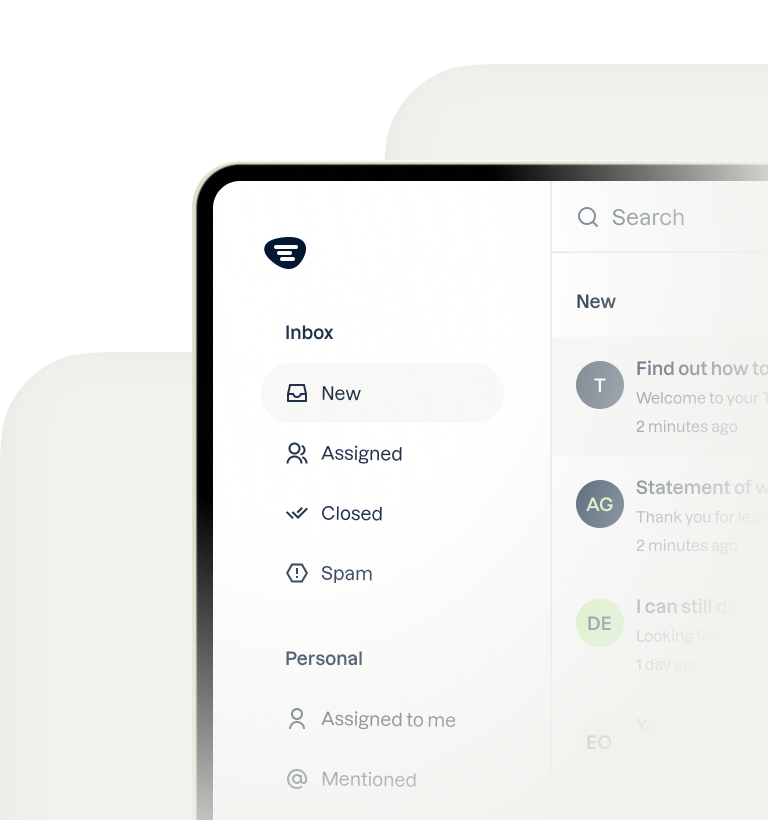
Trengo unites WhatsApp, email, web, social media, and calls in one inbox, saving your team hours of repetitive work and ensures no conversation is ever lost
The ecommerce world is moving at lightning speed, and here’s the truth no one wants to admit: if you are not using AI in 2025, you are back in stoneage. The best AI tools for ecommerce are no longer something “big brands” use. They are helping every small or big online shops.
AI personalises every shopper’s experience, handles the boring repetitive tasks you hate, and gives you insights you didn’t even know you needed.
Whether you’re running a cosy boutique selling handcrafted candles or managing a giant WooCommerce catalogue, AI can help you attract the right buyers, convert window-shoppers into loyal customers, and cut costs at the same time.
McKinsey even found that ecommerce brands using AI in 2025 saw profits jump by as much as 20%, while those ignoring it… well, they’re struggling to keep up.
In this guide, we’ll walk you through the AI tools that actually make a difference. From smart chatbots that answer customer questions at 3 AM to powerful analytics that predict what shoppers will want next, you’ll know which tools work, how they work, and which ones are the best match for your business.
Here’s a quick rundown list of the best ai tools for ecommerce stores:
- Trengo AI HelpMate (Best for customer service and omnichannel communication)
- Klaviyo (Best for email and SMS marketing automation)
- Jasper AI (Best for content creation and copywriting)
- ChatGPT (Best for research and content development)
- Tidio (Best for live chat and customer support)
- Shopify Magic (Best for product descriptions and store copy)
- OptiMonk (Best for on-site personalisation and conversions)
- Triple Whale (Best for analytics and business intelligence)
Let’s get started.
What is AI for e-commerce?
AI for e-commerce is basically smart technology that helps online stores work better and smarter. Unlike regular software that just follows set rules, AI actually learns from data and improves over time.
It powers everything from chatbots that chat with customers naturally, to recommendation engines that suggest products people actually want, to predictive tools that help you stock the right items at the right time.
The real magic happens when AI automates the boring, time-consuming stuff while creating personalised experiences for each shopper.
It can handle hundreds of customer questions simultaneously, spot fraudulent transactions in real-time, and even analyse images for visual search, all without breaking a sweat.
Over 90% of online businesses already use or are exploring AI, and it's becoming more affordable for shops of all sizes. Whether you're a solo entrepreneur or running a major retailer, AI helps you scale up without the massive costs.
What are the top use cases of AI tools in e-commerce?
AI is now part of almost every area of online retail. Here are the most common and most valuable ways ecommerce businesses are using AI today.
Customer service and support
AI chatbots make customer support faster and easier. They can answer questions about orders, returns, product details and basic troubleshooting any time of the day. Fashion brands use chatbots to suggest sizes, recommend matching items and even guide customers through returns. The more the chatbot interacts, the smarter it gets. This means your team can focus on tougher cases that need human care or empathy.
Personalised product recommendations
AI learns from what customers browse, buy and click on. It uses this data to show personalised product suggestions that feel natural and relevant. Many retailers use AI to look at past purchases, items viewed, time spent on pages and seasonal trends to recommend products people are more likely to add to their carts. This boosts both sales and customer satisfaction.
Inventory management and demand forecasting
AI-powered forecasting tools help you stock the right products at the right time. They analyse past sales, seasons, trends and even outside factors like weather to predict demand. This reduces stockouts and prevents you from over-ordering items that will not sell quickly.
Dynamic pricing optimisation
AI can automatically adjust prices by watching market conditions, customer demand and competitor pricing in real time. This helps you stay competitive while protecting your profit margins.
For example, an electronics store might lower prices when a new model launches or increase prices when demand spikes. The AI tests different price points and learns which ones perform best.
Marketing content creation
AI tools can write product descriptions, email campaigns, social posts and blog content in seconds. They follow your brand voice, stay on topic and even help with SEO.
Beauty and fashion brands especially benefit from this because they often have hundreds of products that need fresh, unique descriptions. What used to take weeks can now be done in a fraction of the time.
Fraud detection and prevention
AI flags unusual behaviour during checkout, such as odd locations, mismatched billing and shipping details or repeated failed payment attempts. This helps catch fraud before it causes damage.
8 best AI tools for e-commerce in 2025
After extensive research and analysis, we've identified the 8 best AI tools that can impact your e-commerce business's performance.
1. Trengo AI HelpMate
Trengo positions itself as an all-in-one customer engagement platform designed specifically for e-commerce businesses that need to manage conversations across multiple channels efficiently. At its heart is AI HelpMate, an intelligent chatbot that handles customer enquiries 24/7 whilst maintaining consistent brand tone across all communication channels.
Top Features
- Omnichannel Unified Inbox: All customer communications from different platforms appear in one centralised dashboard, giving your team complete context for every conversation. Agents can see a customer's entire interaction history, regardless of which channel they used, enabling more personalised and efficient support.
- AI-Powered Chatbot (AI HelpMate): The intelligent chatbot handles routine enquiries automatically, from answering FAQs about shipping policies to providing order status updates. It operates 24/7, ensuring customers receive instant assistance even outside business hours. The bot can recommend products, process simple returns, and collect customer information before routing conversations to the appropriate team member.
- WhatsApp Business Integration: With 83% of customers using messaging apps to enquire about products and 75% making purchases afterwards, WhatsApp integration is crucial. Trengo's WhatsApp chatbot enables automated conversations, product recommendations, and order updates directly through the platform customers already use daily.
- Flowbot Builder: Create sophisticated conversation flows using an intuitive drag-and-drop interface. You can design custom automation sequences for different scenarios, such as order confirmations, abandoned cart recovery, or post-purchase follow-ups. The flowbot can collect customer information, route enquiries to specific departments, and trigger actions in connected systems.
- Team Collaboration Tools: Internal notes, mentions, and conversation assignments ensure seamless teamwork. Multiple agents can collaborate on complex issues without confusing the customer, and managers can monitor performance metrics in real-time.
- CRM Integration: Trengo connects with popular CRM systems and ecommerce platforms, automatically syncing customer data and enabling personalised conversations based on purchase history, preferences, and previous interactions.
What we liked
The platform's greatest strength lies in its ability to truly unify customer communications. Unlike tools that claim omnichannel support but maintain separate silos, Trengo genuinely consolidates everything into one seamless experience. You can start a conversation with a customer on Instagram, continue it via email, and conclude it through WhatsApp.
The AI HelpMate shows impressive natural language understanding, managing to handle nuanced customer enquiries with appropriate responses. It understands intent, which significantly reduces the frustration customers often experience with less sophisticated chatbots.
The setup process is remarkably straightforward for a tool with such powerful capabilities. Most businesses can have their basic chatbot operational within hours, though creating sophisticated flows naturally requires more time and planning. The visual flow builder makes it easy to design complex automation sequences without any coding knowledge.
Trengo's reporting and analytics provide valuable insights into conversation volumes, response times, customer satisfaction scores, and chatbot performance. These metrics help businesses optimise their customer service strategies and identify areas for improvement.
What We Disliked
The pricing structure can become expensive as your team grows. Whilst the entry-level plan at €299 per month for 10 users is reasonable, businesses requiring more seats or higher conversation volumes will find costs escalating quickly. For small businesses with tight budgets, this might be prohibitive.
2. Klaviyo (Best for email and SMS marketing automation)
Klaviyo is one of the most popular marketing tools for ecommerce brands, especially those using Shopify or WooCommerce. It combines customer data, email marketing, SMS, automation, and analytics into one platform designed to help online shops communicate more personally and drive more sales.
Features
- AI Email Flows: Automated emails triggered by behaviour, such as welcome emails, abandoned cart reminders, browse abandonment and win-back campaigns. Flows AI can even build full sequences from simple prompts.
- Advanced Segmentation: Create targeted groups based on behaviour, value, location, and more. Segments AI can write the logic for you.
- Predictive Analytics: Klaviyo predicts lifetime value, churn risk, and next purchase date to help you plan smarter campaigns.
- Form and Pop-Up Builder: Create pop-ups and sign-up forms with smart targeting and timing.
What we liked
Klaviyo’s ecommerce integrations are excellent, and its predictive analytics genuinely help businesses understand their customers better. The drag-and-drop email builder is easy to use, and many brands report strong returns from automated flows and personalised messaging.
What we didn't like
The 2025 pricing changes are steep. Klaviyo now charges for all active profiles, which can make costs rise quickly, especially for brands with large lists. The platform can also feel overwhelming for beginners because there are so many features. SMS pricing can become expensive, and customer support quality can vary.
3. Jasper AI
Jasper AI has grown from a simple writing assistant into a full content marketing tool for businesses that need regular, high-quality written and visual content. It is especially useful for ecommerce brands that struggle to keep up with product descriptions, blogs, ads, and social posts. Unlike basic AI tools, Jasper is focused on marketing, understands ecommerce language, and follows good copywriting and SEO practices.
Features
- 50+ Templates: Ready-made templates for product descriptions, emails, ads, social captions, blog outlines, and website copy.
- Brand Voice: Upload your writing samples so Jasper can match your tone and terminology.
- Knowledge Base: Add product info or documents Jasper can reference to keep content accurate.
- Long-Form Editor: Create full articles or guides with AI help for paragraphs, rewrites, and expansions.
- SEO Mode (Pro): Works with Surfer SEO to guide keyword use and structure.
- Languages: Supports over 25 languages for global stores.
What we liked
Jasper speeds up content creation noticeably, often helping teams write several times faster. Its brand voice feature is excellent and keeps content consistent. Most outputs read naturally and need minimal editing, and the template library covers almost every marketing need.
What we didn't like
It is quite expensive, especially for small businesses. AI content still needs fact-checking, and Jasper can occasionally get things wrong. Getting the best results takes practice, and the SEO features require extra subscriptions. Plans start from $59 per seat, with higher tiers costing much more.
4. ChatGPT
ChatGPT is widely used for research, writing, planning, and general problem-solving. While it’s not built specifically for ecommerce, it’s flexible enough to support tasks like creating product descriptions, writing emails, planning strategies, and analysing market trends.
Features
- Conversational Interface: Chat with it normally and refine answers as you go.
- Multi-Purpose Tool: Write content, research competitors, draft customer replies, generate ideas, or solve technical issues.
- Code Help: Paid tiers support coding guidance, API help, and troubleshooting.
- Image Understanding: Plus plans can analyse images such as product photos or screenshots.
- Web Browsing: Paid versions can access current information.
- Custom GPTs: Create personalised versions trained on your brand, products, or documentation.
What we liked
The free plan is extremely powerful and helps small businesses without adding costs. ChatGPT covers many tasks that would normally require separate tools, helping reduce subscriptions. Output quality is strong, especially for creative or detailed tasks. Paid plans also remember your business context, saving time.
What we didn't like
It doesn’t integrate directly with ecommerce systems, so you need to move content manually. Free plans don’t remember past conversations, so you must repeat context. Some responses may feel generic unless you give detailed instructions. The model also has a knowledge cutoff, and privacy considerations mean some teams may avoid sharing sensitive data.
5. Tidio
Tidio combines live chat, AI chatbots, and email support in one easy platform aimed at small and mid-sized ecommerce businesses. It’s especially popular with Shopify sellers who want an affordable customer service tool that’s quick to set up and simple to manage.
Features
- Visual Chatbot Builder: Drag-and-drop tools with templates for abandoned carts, FAQs, lead capture and more.
- Live Chat Widget: Customisable chat box showing agent status and response times.
- Lyro AI Chatbot: Learns from your site content and handles multiple chats 24/7 without needing pre-set flows for every situation.
- Mobile Apps: Respond to customers on the go through iOS and Android apps.
What we liked
Tidio is very beginner-friendly. Setup is fast, the interface is simple, and the free plan is generous - perfect for new businesses. The chatbot builder is easy to use, and customer support is often praised for being helpful and responsive.
What we didn't like
Growing businesses may outgrow Tidio. Its chatbot logic is basic compared to enterprise tools, and the AI credit system for Lyro can become costly during busy periods. The email features are useful but not as strong as dedicated helpdesk platforms, and integration options are more limited than some competitors.
6. Shopify Magic
Shopify Magic is Shopify’s built-in AI toolkit that adds smart content and creative assistance directly into your Shopify dashboard. Because it’s built into Shopify, you don’t need to learn a new system or pay extra. The AI simply appears wherever you’re working, making it very convenient for busy merchants.
Features
- Product Description Generator: Creates product descriptions instantly based on your existing details.
- Email Subject Line Suggestions: Helps create stronger, more engaging subject lines in Shopify Email.
- Blog Topic Ideas: Generates blog themes and outlines related to your products.
- FAQ Suggestions: Writes likely customer questions and answers for your store.
- Instant Answers (Inbox): Suggests replies to customer messages based on your policies and past chats.
- Image Tools: Remove backgrounds, generate new backgrounds, and improve image quality.
- Translation Help: Translate product and store content for international customers.
What we liked
The best part is the seamless integration. Shopify Magic appears exactly where you need it, saving time and effort. Since it's included with your Shopify plan, there are no extra costs, making it ideal for small businesses. Content quality is decent and gives you a strong starting point for product descriptions and basic marketing copy.
What we didn't like
It’s not as powerful as dedicated AI tools like Jasper, especially if you need large amounts of content or highly detailed brand voice control. Customisation options are limited, and outputs can feel generic. Some advanced tools are only available on higher Shopify plans, and Shopify offers limited guidance on getting the best results.
7. OptiMonk
OptiMonk focuses on personalising on-site experiences using AI. Instead of showing the same messages to everyone, it tailors pop-ups, recommendations, and offers based on each visitor’s behaviour and browsing stage.
Features
- Smart Pop-ups: Target visitors with pop-ups triggered by actions like exit intent, scroll depth or time on site.
- AI Product Recommendations: Personalised suggestions based on browsing and cart behaviour.
- Behavioural Targeting: Segment users like first-time visitors or basket abandoners and send tailored messages.
- Exit-Intent Tools: Show offers to retain visitors about to leave.
- Mobile Campaigns: Create pop-ups designed specifically for mobile users.
What we liked
OptiMonk often delivers real improvements in conversions, order value and email sign-ups. The interface is easy to use, with helpful templates for common goals. The AI targeting improves over time, and customer support is strong, offering tips and optimisation advice.
What we didn't like
Pop-ups can still annoy some visitors, even when smartly targeted, so stores must use them carefully. Pricing rises quickly for high-traffic sites because it’s based on pageviews. Getting the best results requires ongoing testing and an understanding of conversion optimisation. The analytics can feel overwhelming for beginners.
8. Triple Whale
Triple Whale is an ecommerce analytics platform that pulls all your data into one dashboard. It’s built mainly for Shopify merchants who want deeper insights into performance, profitability and marketing spend. Instead of checking multiple platforms like Shopify, Facebook Ads, Google Ads and Klaviyo separately, Triple Whale brings everything together.
Features
- Unified Dashboard: Track revenue, ad spend, ROAS, CAC, LTV, traffic, conversions and profit in one place.
- Multi-Platform Integrations: Connect Shopify, Meta Ads, Google Ads, Klaviyo, TikTok Ads, Amazon and dozens more.
- AI Assistant “Moby”: Ask questions like “Why did sales drop?” and get data-based answers.
- Creative Analysis: See which ad images or videos perform best.
What we liked
It saves huge amounts of time by pulling all data into one place. The profitability insights are especially valuable, helping merchants understand which products actually make money. The AI assistant makes data easier to understand, even for non-technical team members. Everything is tailored to ecommerce, so the metrics are relevant and practical.
What we didn't like
Triple Whale is pricey for smaller shops, with plans starting around $149 per month. Setup takes time because you must connect all platforms and input accurate cost data. If inputs are wrong, the analytics become unreliable. The platform is strongest for Shopify users, so businesses on other platforms may find some limits.
How to implement AI in your e-commerce business: Step-by-step guide
Bringing AI into your ecommerce store can be a game-changer, but only if you roll it out the right way. Here are some simple, practical ways to get started without wasting time or money.
1. Know what problems you’re solving
Don’t just say “I want better customer service.” Be specific.
Think goals like:
- Cut response times
- Reduce cart abandonment
- Speed up product description writing
Write down your current numbers so you can actually measure if the AI works.
2. Pick the right tools (start small)
Choose one or two AI tools that fix your biggest issues first. No need to install everything at once. Make sure the tools connect easily with your ecommerce platform, email system, or CRM. This saves tons of manual work.
3. Run a small test first
Before rolling AI across your whole store, test it in a small area:
- Let a chatbot answer your top 5 FAQs
- Use AI for one product category
- Try personalised pop-ups on one page
Pilots help you learn without risking the entire system.
4. Train your team
AI only works when your team actually uses it. Give them quick training and make it clear that AI is there to help, not replace them. It takes over the repetitive stuff so they can focus on the important work.
5. Check results and tweak things
Keep an eye on how the AI is performing. Compare results to your original goals and make changes as needed. AI improves over time, but only with proper guidance.
Final words: Transforming your e-commerce store with AI
AI is quickly becoming essential for ecommerce. The right tools help you work smarter, personalise the customer journey and free up time for the tasks that actually grow your business. You do not need every AI tool. Start with one that solves a real problem, train your team and build from there as you see results.
AI handles the repetitive work. Your team brings the creativity, strategy and human touch. Together, they create a stronger, more efficient online store.
Ready to upgrade your customer experience? Trengo’s AI HelpMate can manage conversations, answer questions instantly and keep your support running smoothly at any scale.
Try Trengo and see how AI can transform your customer communication today.
Frequently Asked Questions (FAQs)
Why should an online store invest in AI tools in 2026?
AI tools help online stores deliver faster support, personalised shopping experiences and smoother operations. In 2026, shoppers expect instant answers and consistent communication across every channel. AI meets these expectations by automating routine tasks, improving recommendations and reducing mistakes. Platforms like Trengo make this even easier by combining AI automation with human workflows, helping teams respond quickly on WhatsApp, email, chat and social channels.
What are the most common use-cases for AI tools in eCommerce (support, recommendations, pricing, inventory)?
AI is widely used in eCommerce for customer support, product recommendations, dynamic pricing and inventory forecasting. It can answer routine questions, suggest relevant products, adjust prices based on demand and help stores plan stock levels more accurately. With a platform like Trengo, AI support and automated messaging become part of a unified inbox, ensuring smoother conversations across all channels.
How do I choose the right AI tool for my eCommerce business?
Start by identifying your biggest challenge—whether it’s support, marketing or operations. Look for AI tools that integrate easily with your website and CRM, are simple to use and can scale with your business. The best platforms blend AI automation with human oversight. Trengo is a strong option because it centralises conversations and allows you to add AI gradually while maintaining full control.
What criteria should I evaluate when comparing AI eCommerce tools (integration, data, cost, features)?
Focus on how well the tool integrates with your existing systems, how effectively it uses your data and whether the pricing is clear. Evaluate the depth of the AI features and the quality of support offered. Tools that connect smoothly to your communication channels—such as Trengo, which unifies WhatsApp, Instagram, email and chat—tend to deliver better long-term value.
Can AI tools help reduce operational costs and improve customer satisfaction?
Yes, AI can lower costs by automating repetitive work, reducing manual errors and improving forecasting. At the same time, it enhances customer satisfaction through faster responses and more personalised experiences. Platforms like Trengo allow businesses to automate large parts of the support journey while still offering human assistance when needed, creating a balanced and efficient experience.
How do I ensure my AI tool stays up-to-date and adapts to changing customer behaviour?
Regularly review your customer conversations and update the content your AI uses, such as FAQs or product details. Choose tools that learn from real interactions—like Trengo’s AI features—so the system improves automatically. When you launch new products or notice shifts in customer behaviour, update your workflows to keep the AI accurate and relevant.
How can I compare the ROI of different AI tools across functions (marketing vs support vs operations)?
Compare ROI by looking at improvements in each area. In support, measure time saved and reduced ticket volume. In marketing, look at better targeting and increased conversions. In operations, check forecasting accuracy and reduced manual work. Weigh these gains against the tool’s cost and setup effort. Trengo helps by offering cross-channel analytics that show how AI influences support, sales and customer behaviour.
How does Trengo help eCommerce businesses implement AI tools across customer service, marketing and sales workflows?
Trengo brings AI, automation and human collaboration into one platform. It powers automated replies, lead qualification, smart routing and AI-assisted responses. Because all conversations flow into a unified inbox, teams can manage customer service, sales and marketing interactions in one place. Trengo’s analytics reveal where AI is saving time and improving outcomes, making it easier for eCommerce businesses to scale without increasing manual work.




Let's meet
Grow your business with loyalty. Bring all of your customer contact into one, single platform to unlock delight at every step of the way.