Essential tips to create a strong ecommerce social media strategy


Try Trengo for Free

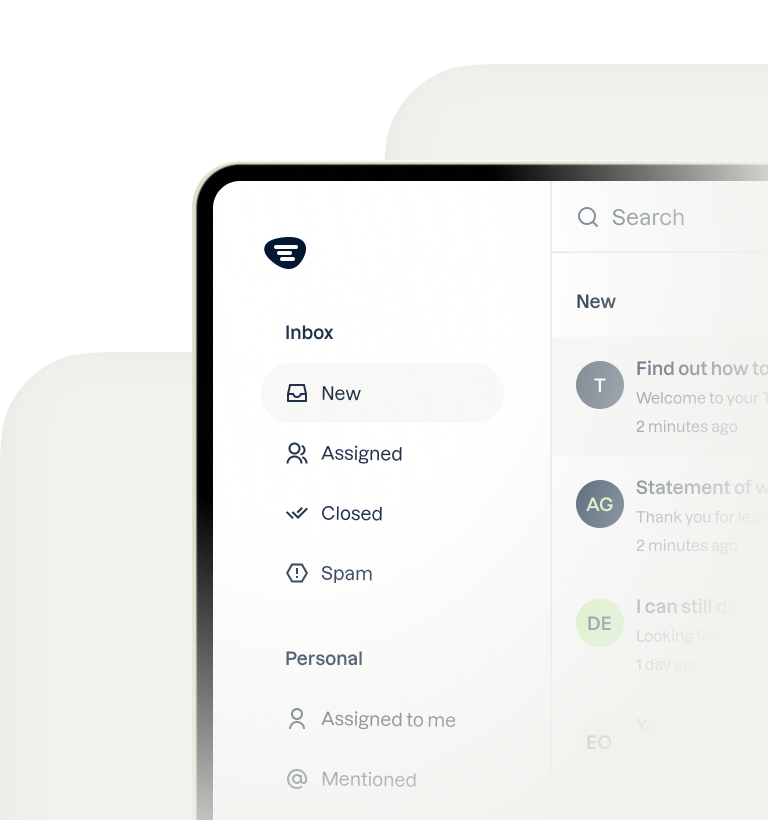
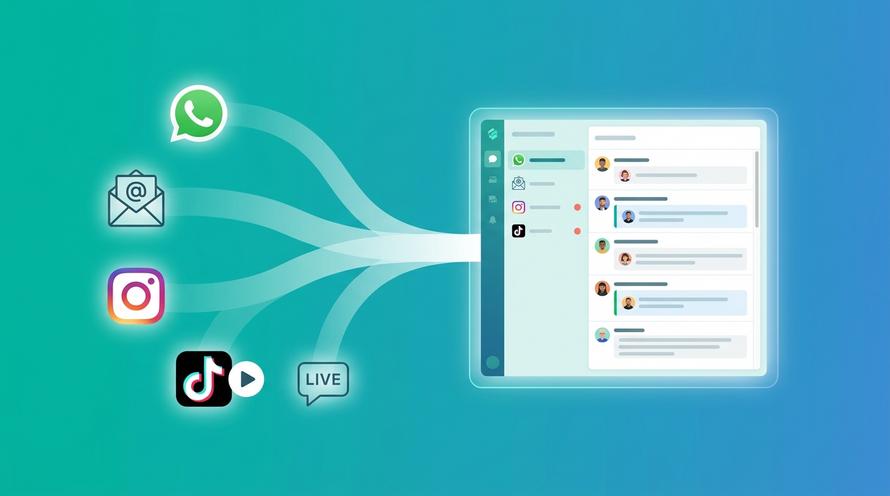
Trengo unites WhatsApp, email, web, social media, and calls in one inbox, saving your team hours of repetitive work and ensures no conversation is ever lost
Social media has become one of the most powerful places for ecommerce brands to reach customers, build trust, and spark interest. But without a clear plan, it’s easy to post content that doesn’t get the results you want. This is why having an ecommerce social media strategy matters—it gives your team direction and ensures your efforts lead to meaningful engagement.
A good strategy helps you understand who you’re speaking to, what they care about, and which content formats resonate with them most. It also helps you stay consistent, measure what’s working, and make smarter decisions as your brand grows.
In this blog, we’ll walk you through simple, practical steps to build a social media strategy that supports your ecommerce goals and helps you connect with customers more deliberately.
What does ecommerce social media marketing mean?
Ecommerce social media marketing is the practice of using social platforms to promote your online store, build awareness, and guide people toward making a purchase. It brings together content, community, and conversations to help customers discover your brand more naturally and engagingly.
You’ll often hear related terms like social commerce and mobile commerce. Social commerce refers to selling products directly through social apps, while mobile commerce focuses on sales made through mobile devices. Both play a big role in ecommerce today, especially since most people browse and shop through their phones.
Another part of this landscape is social selling. This involves using social platforms to start conversations, answer questions, and build relationships with potential buyers—without the pressure of cold outreach. It’s a way for brands to show up consistently, share value, and create trust long before someone decides to buy. Ecommerce social media marketing brings all these elements together to help your brand reach the right people with the right message at the right moment.
Why social media plays a key role in ecommerce growth
Social media is one of the few places where customers discover new brands, browse products, and connect with businesses in a way that feels natural. For ecommerce teams, it’s a powerful space where attention, conversation, and purchase intent all come together. A thoughtful strategy helps you reach people where they already spend their time and turn casual scrolling into meaningful engagement.
Reach customers where they already spend their time
Most people use social media daily, which means your brand has a direct path to reach new audiences. Instead of relying solely on website traffic or paid search, you can show up naturally in someone’s feed, story, or explore page. This helps you stay visible in moments when customers are open to discovering something new.
Build a human and relatable brand
Social media makes it easier for customers to see the real people behind your business. Simple actions—like sharing a behind-the-scenes moment or responding to comments—help you build trust and create a more approachable presence. Over time, these interactions make your brand feel familiar and reliable.
Encourage natural, two-way engagement
Social platforms are designed for interaction. Likes, comments, shares, and direct messages give customers quick ways to respond and connect. This creates a steady flow of real-time engagement that can turn followers into loyal shoppers when conversations are handled with care.
Tap into your customers’ wider networks
Every share, tag, and mention introduces your brand to new potential buyers. This word-of-mouth style visibility is valuable because it comes with built-in trust—people are more likely to explore a product when someone they know has engaged with it.
Make shopping more convenient
Many customers browse and shop through their phones, and social platforms now offer seamless paths from discovery to purchase. Features like in-app product tagging, saved items, and direct checkout make the buying process simple and familiar. People can go from seeing your product to owning it without ever switching apps.
Benefit from social proof
Reviews, comments, and customer-generated content act as instant reassurance. When people see real experiences from other shoppers, it reduces hesitation and builds confidence in your product. This kind of proof is especially valuable for ecommerce brands that don’t have physical storefronts.
Create more personalised experiences
Social algorithms help you reach people who are more likely to be interested in your products. This makes your content feel relevant and timely, increasing the chances of engagement and conversion. It also ensures your efforts are focused, even if your team is small.
15 social commerce tips: how to build an effective ecommerce social media strategy
Social media can support every part of the ecommerce journey—from discovery and engagement to purchase and customer care. These first five tips will help you create a clear, focused strategy that supports both your brand and your customers.
1. Set clear goals before you begin
A strong ecommerce social media strategy begins with understanding what you want to achieve. Clear goals help you focus your efforts, choose the right channels, and decide what success looks like for your brand.
Your goals may include:
- Increasing brand visibility
- Building a community of engaged followers
- Driving consistent traffic to your store
- Supporting customers through direct messages
- Generating leads or boosting sales
- Improving customer loyalty
Make your goals specific and realistic. For example, instead of aiming to “increase engagement,” you could target “raising Instagram saves by 15% within two months.” These clear expectations guide your content and help you understand which efforts genuinely move your brand forward.
2. Audit your current social presence
Before you create new plans, take a moment to understand where you stand today. A social media audit helps you identify what’s already working, which platforms are delivering value, and where there’s room for improvement.
Focus on key areas like:
- How complete and consistent your profiles are
- The performance of recent posts
- Follower demographics and behaviour
- Engagement trends across formats
- Link clicks and referral traffic
- How customers interact through comments or messages
With Trengo, you can centralise all social messages in one inbox, making it easier to monitor conversations, spot recurring themes, and understand how people currently experience your brand.
3. Understand your audience and competitors
Knowing who you want to reach is essential for a strategy that feels relevant and intentional. Look at your audience’s demographics, interests, buying habits, and common frustrations. These insights help you shape messages that resonate and select the platforms where customers are most active.
You can collect this data through:
- Platform analytics
- Website insights
- Customer surveys
- Conversations inside Trengo’s omnichannel inbox
- Reviews, comments, and direct messages
A simple competitor review is also helpful. Observe which platforms they focus on, what type of content performs well for them, and how they engage with their community. The goal isn’t to copy—it's to understand the landscape and find opportunities for your brand to stand out.
4. Choose the platforms that fit your audience
Every platform serves a different purpose, so selecting the right ones helps you use your time effectively. Focus on the channels where your customers already spend time and where your content style feels like a natural fit.
For example:
- Instagram and TikTok suit visual, fast-moving brands
- Facebook supports community building and targeted campaigns
- Pinterest is strong for lifestyle inspiration and discovery
- YouTube works well for tutorials, demos, and storytelling
- X helps with real-time updates and customer support
No matter which platforms you choose, Trengo helps your team manage all messages, comments, and conversations in one place, creating a smooth and organised approach to customer interaction.
5. Optimise your social profiles for trust and clarity
Your social profiles often shape a customer’s first impression, so keep them clear, helpful, and aligned with your brand. A polished profile builds confidence and makes it easy for visitors to explore your store.
Focus on:
- Accurate and up-to-date business details
- A simple, benefit-focused bio
- Consistent tone, colours, and branding
- A working link to your online store or link-in-bio page
- High-quality profile and header images
Trengo’s link-in-bio and messaging tools can help guide visitors from your profile directly into a conversation or product page, reducing friction and making it easier for them to take the next step.
6. Build a clear content plan that supports your goals
A well-organised content plan helps you stay consistent and ensures every post serves a purpose. Start by outlining what you want to share, when you want to share it, and why it matters for your audience. This could include product photos, short videos, behind-the-scenes updates, customer stories, or helpful educational posts.
Different platforms favour different formats, so pay attention to what performs best for your brand. Use your initial audit and competitor research as a guide, but don’t be afraid to experiment. Sometimes, a simple static post or a short caption can create just as much engagement as a full campaign.
When planning your content, define:
- The platforms you're posting on
- The date and time for each post
- The visuals or videos included
- Internal notes, approvals, or team reminders
Trengo’s shared inbox and collaboration tools can help teams communicate smoothly as posts are drafted, reviewed, and prepared for publishing. A consistent, thoughtful flow of content keeps your audience interested and guides them back toward your store.
7. Use paid social to boost visibility and conversions
Paid social ads help you reach new audiences quickly and give your ecommerce brand a clear advantage when organic reach slows down. With targeted ads on platforms like Meta, TikTok, Pinterest, or YouTube, you can reach people based on their interests, behaviours, or similarity to your current customers.
Paid social works well for:
- Product launches
- Seasonal promotions
- Remarketing campaigns
- Driving traffic to specific landing pages
- Increasing social proof through engagement
Ads allow you to test creative ideas on a smaller scale and understand what resonates before investing further. Pairing paid campaigns with Trengo’s messaging tools creates a smooth journey from ad click to conversation—so shoppers can ask questions, get quick replies, and feel confident about buying.
8. Collaborate with influencers who fit your brand
Influencer partnerships help you introduce your products through voices your audience already trusts. The most effective collaborations come from working with creators who genuinely use and enjoy your products—not just those with the biggest following.
Micro-influencers often deliver high engagement and authentic content because their communities are more connected and more likely to take action. Whether it's a product demo, unboxing, styling video, or quick review, these posts create real-life context that helps customers understand how your product fits into their daily routine.
Choose influencers who share your values, speak to the same audience, and create content styles that match your brand’s tone. Once the collaboration is live, bring the conversation into Trengo so your team can respond to new interest quickly across WhatsApp, Instagram, Facebook, and more.
9. Track your performance consistently
Keeping an eye on your analytics helps you refine your strategy over time. Engagement metrics like likes and comments are a good starting point, but deeper data—such as click-through rates, conversions, and follower demographics—give you clearer direction.
Pay attention to patterns:
- Which posts lead to website visits?
- Which formats generate the most saves or shares?
- When is your audience most active?
- Which ad campaigns drive actual sales?
Most social platforms offer built-in analytics, and you can combine that with insights from Trengo conversations to understand what customers ask about most. This helps you create content that answers real questions and supports real buying decisions.
10. Simplify your workflow with the right social media tools
Social media tools help you stay efficient—especially when managing multiple platforms. Tools that schedule posts, monitor brand mentions, manage comments, or provide analytics make it easier to stay consistent.
Trengo fits naturally into this workflow by centralising all your social conversations in one inbox. Instead of switching between Instagram DMs, Facebook comments, WhatsApp chats, and emails, your team can respond from a single place. This reduces delays, improves collaboration, and creates a more unified customer experience.
Automation features—like routing, quick replies, and AI assistance—also free up time so your team can focus on thoughtful engagement instead of manual tasks.
11. Use social listening to understand conversations around your brand
Social listening helps you understand what people are saying about your brand, your products, and your industry. It goes beyond reviewing your own performance and gives you real insight into how customers feel, what they need, and where conversations are heading.
Pay attention to:
- Recurring praise or complaints
- Common customer pain points
- Questions people repeatedly ask
- Mentions of competitors
- Wider topics influencing your market
This gives you a clearer view of customer expectations and helps you make data-informed decisions. You can also use Trengo to track incoming messages and spot patterns across channels, making it easier to understand what customers are talking about in real time.
12. Engage with your audience consistently
Meaningful engagement shows your audience that you are present and ready to support them. Responding to comments, answering direct messages, and acknowledging feedback help build trust and encourage future interaction.
Engagement can include:
- Replying to questions in your DMs
- Thanking customers for sharing their experiences
- Participating in live sessions or Q&As
- Addressing concerns with clarity and empathy
Keep your team aligned with a clear tone of voice so every interaction feels consistent. Trengo’s unified inbox helps you manage conversations from all social platforms in one place, ensuring no message gets missed and customers always feel heard.
13. Share user-generated content to build authenticity
User-generated content (UGC) is one of the strongest forms of social proof. When customers share photos, reviews, or videos showing how they use your products, it helps potential buyers see real value in what you’re offering.
You can repost UGC such as:
- Customer photos
- Unboxing videos
- Product reviews
- Creative ways customers use your products
Always credit the original creator and, when possible, ask for permission before reposting. Sharing UGC helps build community, strengthens trust, and positions your customers as part of your brand story. Trengo makes it easy to track UGC mentions and respond quickly when customers tag your brand.
14. Highlight positive reviews across your channels
Customer reviews give potential buyers confidence, especially when they’re deciding between multiple options. Highlighting these reviews on social media shows real experiences and reinforces your product’s value.
Creative ways to share reviews include:
- Pairing a product photo with a short quote
- Turning a detailed review into an eye-catching graphic
- Sharing video testimonials or story highlights
Choose reviews that emphasise specific benefits and keep the text clear and easy to read. Doing this regularly helps strengthen credibility and encourages more customers to share their own experiences.
15. Provide customer support through social media
Social media has become a natural place for customers to ask questions or request help. Offering support directly through these channels creates a more accessible and responsive experience.
Customers often expect:
- Fast replies
- Clear and simple explanations
- Professional handling of complaints
- Friendly and empathetic communication
Trengo is especially helpful here because it brings all social messages—Instagram DMs, Facebook comments, WhatsApp chats, and more—into one unified inbox. This helps your team respond quickly, stay organised, and de-escalate issues before they grow.
Social media metrics to track for ecommerce
Tracking the right metrics helps you understand whether your ecommerce social media strategy is actually working. Instead of relying on guesswork, these numbers show what’s resonating, where customers engage, and where you may need to adjust your approach. Start with a few core metrics and build from there as your strategy becomes more mature.
Here are the key metrics worth monitoring:
1. Reach: how many people are seeing your content
Reach shows the number of unique users who saw your post. It helps you understand whether your content is being surfaced by the platform and whether your audience is growing over time. If reach is low, you may need to try new formats or revisit your posting times.
2. Clicks: how many people visit your store from social media
Clicks measure how many users tapped through to your webshop or landing page. This metric helps you understand which posts drive real interest, not just engagement. If you see high reach but low clicks, your call-to-action or content relevance may need refining.
3. Engagement: who is interacting with your content
Engagement includes likes, comments, saves, shares, and replies. It shows whether your audience finds your content meaningful enough to take action. Strong engagement signals to social platforms that your posts are valuable, helping you reach even more people.
Trengo can help you manage this engagement by collecting comments and messages in one inbox so your team never misses an opportunity to respond.
4. Sentiment: how people feel about your brand
Sentiment helps you understand the tone behind the comments and messages you receive. Are people praising your product? Asking for help? Expressing concerns? Tracking sentiment over time helps you stay ahead of emerging issues and identify what customers truly appreciate.
5. Video views: how well your visual content performs
If videos are part of your social strategy, views and completion rates show how effectively your content captures attention. Short-form videos on platforms like TikTok or Instagram Reels often perform well for ecommerce, especially when showcasing products or behind-the-scenes moments.
6. Follower growth: who is joining your community
While follower count isn’t the only measure of success, steady growth shows your content is attracting new people. Look beyond numbers and focus on the relevance of your audience. Growth paired with high engagement is a sign that your content strategy is working.
7. Impressions: how often your content is shown
Impressions reflect how many times your content was displayed, even if it’s the same person seeing it multiple times. This metric helps you understand visibility trends, especially when running paid campaigns or posting frequently.
8. Brand mentions: how often people talk about you
Mentions show how often people tag or reference your brand. These conversations can uncover user-generated content, customer feedback, and influential voices talking about your products. Tracking mentions also helps you respond quickly through Trengo’s unified inbox.
9. Conversion rate: who takes meaningful action
Conversion rate measures how many people complete a desired action—such as making a purchase, subscribing to your newsletter, or sending a message. This is one of the most important metrics for ecommerce because it shows whether your content leads to real business outcomes.
Final words
Building a strong ecommerce social media strategy isn’t about being everywhere at once. It’s about showing up with purpose, understanding your audience and creating moments that guide people from discovery to purchase with ease. When you pair consistent content with helpful conversations, you create a social presence that feels human, trustworthy and aligned with what today’s shoppers expect.
With the right tools, this becomes much simpler. Trengo helps you bring all social interactions into one organised inbox, automate repetitive tasks and support customers the moment they reach out. It keeps your team calm and prepared, even when engagement grows fast.
If you’re ready to make your social channels work harder for your ecommerce brand, book a free demo and see how Trengo can support you at every step.
Frequently Asked Questions (FAQs)
Which social media platforms work best for ecommerce in 2026?
In 2026, the most effective platforms for ecommerce are Instagram, TikTok, Facebook, and Pinterest. These channels offer strong discovery features, shoppable posts, and fast-moving trends that influence buying behaviour. Brands also use YouTube for long-form product education and user reviews. When managing multiple channels, using a unified platform such as Trengo helps teams respond faster, automate workflows, and create consistent experiences across every touchpoint.
How is ecommerce social media strategy different from regular social media marketing?
Ecommerce social media strategy focuses on generating direct sales, conversions, and customer retention. Unlike general social marketing that prioritises awareness or community building, ecommerce content must highlight product value, demonstrate use cases, encourage quick decision-making, and streamline the path to purchase. It also relies more heavily on automation, customer service, and multi-channel support tools like Trengo that help brands turn comments and DMs into revenue.
What mistakes do most ecommerce brands make when planning their social strategy?
Common mistakes include posting without a clear content structure, ignoring customer comments, using the same content across all channels, and relying too heavily on trends instead of understanding the audience. Many brands also fail to track conversions properly or don’t integrate customer service tools, which leads to missed sales opportunities. Platforms like Trengo solve this by centralising messages, helping teams respond quickly, and providing insights that guide smarter strategic decisions.
How often should ecommerce businesses update or refresh their social media strategy?
Most ecommerce brands should review their strategy every quarter. Buyer behaviour, algorithms, and platform features evolve quickly, so businesses benefit from adjusting their content mix, highlighting new products, and testing automation. For fast-growing stores, a monthly review can help optimise campaigns, customer messaging, and service workflows. Tools like Trengo support regular improvements by showing message trends, response times, and customer engagement patterns.
Should ecommerce brands rely on AI tools for social media content creation and scheduling?
Yes, as long as AI is used responsibly. AI tools speed up content creation, improve productivity, and help brands stay consistent across multiple platforms. They also support scheduling, hashtag suggestions, customer sentiment analysis, and draft copy generation. However, human oversight is essential for accuracy and brand tone. Trengo complements this by using AI for automated replies, routing, and social inbox management to keep engagement personal and timely.
What are the best engagement tactics for ecommerce (DM automation, giveaways, UGC)?
Strong engagement tactics include DM automation for quick responses, giveaways that increase reach, user-generated content to build trust, and interactive formats like polls or reels. Showcasing real customer stories and using personalised product recommendations also help drive conversions. With Trengo, brands can automate DM flows, tag conversations, and manage customer interactions at scale without losing the human touch.
How do I use social media to improve customer loyalty and repeat purchases?
You can build loyalty by offering personalised recommendations, sharing helpful product tips, responding quickly to questions, and creating exclusive communities or offers for returning customers. Highlighting reviews, unboxing videos, and loyalty programmes also encourages repeat purchases. Using Trengo’s unified inbox and automation features ensures customers always receive timely, consistent support that strengthens long-term relationships.
Can Trengo automate Instagram and Facebook DMs so ecommerce brands never miss sales-ready queries?
Yes. Trengo can automate Instagram and Facebook DMs using AI-powered flows, quick replies, and smart routing. This helps ecommerce teams respond instantly to questions about price, availability, delivery, or ongoing offers. With automation, no sales-ready message gets ignored, even during peak hours or high-traffic campaigns.
How does Trengo help teams respond faster to social media questions, comments, and product enquiries?
Trengo brings all social messages, comments, and DMs into one shared inbox, allowing teams to respond from a single dashboard. Features like AI suggestions, automated tagging, internal notes, and assignment rules help teams reduce response time and stay organised. This leads to quicker answers, fewer missed enquiries, and a better customer experience across every social platform.



Let's meet
Grow your business with loyalty. Bring all of your customer contact into one, single platform to unlock delight at every step of the way.