What can businesses do to improve their productivity?


Try Trengo for Free

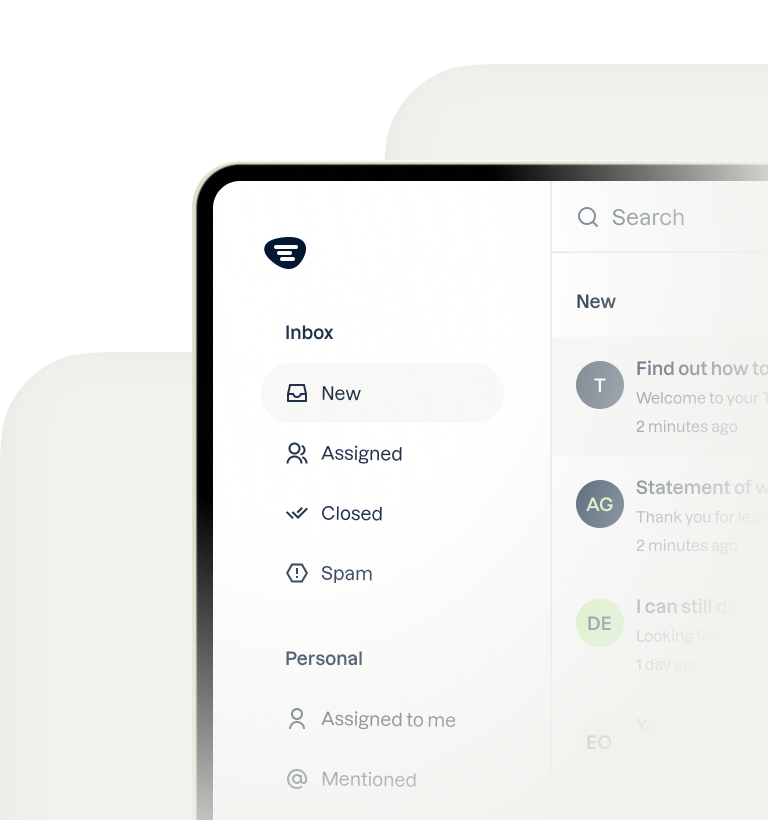
Trengo unites WhatsApp, email, web, social media, and calls in one inbox, saving your team hours of repetitive work and ensures no conversation is ever lost
Improving productivity starts with understanding what it truly means in a business context. It’s not just about getting more done; it’s about working smarter, staying focused, and creating systems that help teams perform at their best. For many companies, this involves identifying what slows people down, building clearer goals, and putting tools in place that remove unnecessary manual work.
When teams have clarity, the right technology, and seamless workflows, they can achieve more in less time without compromising well-being. From automation that handles repetitive tasks to strategies that prevent burnout, a well-structured approach to productivity empowers everyone to contribute to sustainable growth.
Let’s dive into what businesses can do to improve their productivity and create a work environment where efficiency thrives.
Understanding productivity in a business context
Productivity in business is about how effectively a company turns its resources, such as time, talent, and technology, into measurable results. In simple terms, it’s the balance between what goes in and what comes out. A productive organization achieves more with the same or even fewer resources, ensuring that every effort contributes meaningfully to business goals.
For example, in a manufacturing setup, productivity might refer to the number of products made per hour. In a service-based or knowledge-driven business, it could mean how efficiently teams manage customer requests, deliver projects, or generate insights. Regardless of the industry, productivity reflects how well a company’s people, tools, and processes work together toward shared objectives.
When productivity improves, so does overall performance. Teams become more focused, collaboration gets smoother, and customer experiences are elevated. Research continues to show that businesses with engaged and productive employees aren’t just more profitable, they’re also more stable and better equipped to adapt in changing environments.
Let’s explore how businesses can measure productivity and what practical steps they can take to enhance it across their teams.
Measuring productivity in your business
Before you can improve productivity, you need a clear picture of where you stand. This means tracking how efficiently your teams turn resources into results. A straightforward way to think about it is:
Productivity=Total Output/Total Input
What counts as “input” and “output” will vary depending on your industry, company structure, and goals.
Common inputs include:
- Labour and skills
- Materials and supplies
- Software and technology
- Equipment and tools
- Time or hours worked
Possible outputs include:
- Number of customers served
- Units produced or projects completed
- Revenue generated
- Deadlines met or objectives achieved
- Customer satisfaction scores
In some settings, measuring productivity might be as straightforward as counting output per hour. In others, particularly service-based industries, it may involve tracking how focused employees are during their work day, or how frequently they switch between tasks due to interruptions.
Modern analytics tools and dashboards can help you see patterns, such as whether fewer meetings improve workflow, or if certain teams perform better with flexible working arrangements. By pinpointing where time and resources are being lost, you can focus on targeted changes that have the biggest impact.
The key is to track performance consistently and in a way that aligns with your business priorities. Only by measuring current productivity can you identify gaps, set realistic goals, and choose strategies that genuinely move your business forward.
Exploring different types of productivity
Productivity can be viewed from multiple angles depending on the size, structure, and goals of your business. From how employees perform individually to how teams and resources contribute collectively, each type offers valuable insight into where improvements can be made. Understanding these categories helps leaders make informed decisions and build more efficient systems.
Here are the main types of productivity every business should consider:
1. Labor productivity
This measures how much output your business generates for every hour worked. It’s one of the most common and straightforward productivity metrics. By comparing performance with time spent, you can identify efficiency gaps, training needs, or workflow issues. However, it’s equally important to remember that external factors such as employee well-being, interruptions, or unclear priorities also influence these results.
2. Capital productivity
This type focuses on how effectively your company uses its tangible assets, such as equipment, tools, and technology. For example, how much does your marketing team achieve with the CRM system you’ve invested in? Or how efficiently are warehouse resources utilized during peak periods? Optimizing capital productivity ensures that investments truly support business goals rather than becoming underused costs.
3. Personal productivity
Personal productivity highlights how individuals manage their time, focus, and tools to achieve meaningful results. It goes beyond tracking hours worked and instead looks at outcomes like projects completed or targets met. Encouraging better time management, minimizing distractions, and leveraging the right digital tools can help employees reach their full potential without burnout.
By understanding each of these areas, businesses can create a balanced view of productivity, one that values both efficiency and employee well-being. This foundation makes it easier to choose strategies that drive meaningful, sustainable improvement.
Practical ways to boost business productivity
Improving productivity doesn’t happen overnight; it’s the result of consistent, intentional actions that make work faster, smoother, and more effective without overwhelming your team. Here are six proven strategies for creating a workplace where efficiency thrives, with examples of how Trengo’s tools can play a role in streamlining success.
1. Harness the power of technology
Manual tasks like data entry, scheduling, or report creation can consume hours every week. By automating repetitive processes, businesses can free teams to focus on high-value work. Tools such as Trengo’s workflow automation ensure that emails, customer inquiries, and task assignments are routed to the right person automatically, cutting down on delays and bottlenecks. Meanwhile, Trengo’s AI Helpmate can respond to routine customer questions instantly, maintain accuracy in communications, and provide insights from conversation data in real time.
2. Prioritise employee well-being
Happy, healthy employees work more effectively. Offer flexible work options, mental health support, meaningful recognition, and a culture that values balance over constant busyness. Using a centralised platform like Trengo ensures open communication across all channels, whether your team works remotely or onsite, so feedback is heard and collaboration stays strong. When employees feel listened to and supported, engagement and productivity naturally increase.
3. Streamline workflows and processes
An organised workflow system helps teams know exactly what to do, when to do it, and who’s responsible. With Trengo’s integrated inbox and workload balancing, managers can distribute tasks evenly, track progress in real time, and adjust priorities quickly. This not only prevents overload but also keeps projects moving smoothly from start to finish.
4. Invest in upskilling and training
As tools and processes evolve, employees need updated skills to keep pace. Offer focused learning opportunities for new technology and smarter work methods. When rolling out software like Trengo, for example, training sessions ensure that everyone can confidently use automation features, live chat, or analytics dashboards to improve both speed and quality of work.
5. Improve time management
Distractions and constant multitasking can drain focus. Encourage clarity and prioritisation with shared calendars, task lists, and project milestones. Trengo helps here by consolidating communication, reducing the need to switch between apps, and offering task automation to cut low-value work. With fewer interruptions and clearer goals, teams can dedicate their best energy to important projects.
6. Set clear priorities and unified goals
Productivity thrives when every department works toward the same objectives. Make company-wide goals specific, measurable, and visible, for example, increasing customer satisfaction scores by a set percentage. Trengo analytics can track engagement trends, response times, and team performance, ensuring leaders have a clear view of progress and can adjust strategies when needed.
By combining a supportive work culture with the right digital tools, businesses can achieve higher productivity without sacrificing quality or employee happiness. Trengo’s platform brings together automation, communication, and analytics in one place, making it easier to take each of these steps effectively.
Final words
Productivity isn’t about working harder; it’s about working smarter. When businesses adopt the right tools, create supportive environments, and empower employees to do their best work, efficiency becomes a natural part of the culture. Whether it’s through automation, better communication, or focused goal-setting, each improvement contributes to long-term growth and stronger customer relationships.
Trengo helps businesses simplify these efforts by unifying communication, automating routine tasks, and giving teams clarity on what matters most. It’s everything you need to keep productivity high and stress low, all in one platform.
Ready to transform how your team works? Book your free demo today and discover how you can achieve more in less time.
Frequently Asked Questions (FAQs)
Why is productivity important for business success?
Productivity drives growth by ensuring resources are used effectively to achieve more with less. High productivity improves profitability, competitiveness, and employee satisfaction.
What’s the difference between efficiency and productivity in business?
Efficiency is about doing tasks with minimal waste, while productivity is about achieving greater overall output. A business can be efficient but unproductive if it isn’t meeting broader goals.
How can a business improve productivity quickly?
Quick wins include streamlining processes, removing unnecessary steps, improving communication, and using automation to reduce repetitive work.
What are the best strategies for improving team productivity?
Clear goals, effective delegation, training, and motivating employees are key. Regular check-ins and collaborative tools also strengthen teamwork and accountability.
How can communication improve productivity in the workplace?
Good communication reduces misunderstandings, speeds up decision-making, and fosters collaboration. Centralised platforms integrate team messages and customer interactions, preventing lost time.
What tools can businesses use to improve productivity?
Collaboration software, project management platforms, and customer service tools all play a role. Trengo, for instance, boosts efficiency by centralising communication across email, chat, and social platforms.
How can automation increase business productivity?
Automation saves time by handling repetitive tasks such as scheduling, reporting, and routing messages. This allows employees to focus on higher-value work.
Can customer service software like Trengo boost team productivity?
Yes. Trengo reduces workload by collecting conversations from multiple channels into one inbox, enabling quicker responses, better teamwork, and fewer missed messages.
What role does AI play in improving business productivity?
AI accelerates processes by offering predictive insights, assisting with decision-making, and automating routine support. It helps businesses respond faster and predict trends more accurately.
How do you measure business productivity effectively?
Tracking output against input such as sales per employee or completed tasks per time spent is essential. Digital tools provide detailed reporting to measure these metrics consistently.
What are good productivity KPIs for businesses?
Useful KPIs include employee output, customer response times, project completion rates, customer satisfaction, and revenue growth. These show both internal performance and customer-facing impact.




Let's meet
Grow your business with loyalty. Bring all of your customer contact into one, single platform to unlock delight at every step of the way.