Blog

Multichannel / omnichannel
What is omnichannel commerce? | A complete guide to omnichannel ecommerce
What is omnichannel commerce? | A complete guide to omnichannel ecommerce


Try Trengo for Free

Trengo unites WhatsApp, email, web, social media, and calls in one inbox, saving your team hours of repetitive work and ensures no conversation is ever lost
Shopping today isn’t about choosing between online and offline anymore; it’s about blending them seamlessly. That’s where omnichannel commerce comes in. It’s a strategy that connects every customer touchpoint, from your website and social media pages to physical stores, email, and live chat into one consistent shopping experience.
Modern customers move effortlessly between channels. They might discover your brand on Instagram, compare products on your website, ask a question through WhatsApp, and complete the purchase in-store. An effective omnichannel ecommerce platform helps retailers manage all these interactions in one place, ensuring every conversation, order, and experience feels connected.
This shift is more than a retail trend; it’s a response to changing customer expectations. Today’s shoppers want flexibility, personalisation, and convenience at every step. Businesses that deliver that consistency build stronger loyalty, higher satisfaction, and ultimately, more sales.
In this guide, we’ll break down what omnichannel commerce really means, explore its key benefits for retailers, and share practical ways to build an omnichannel strategy that keeps your customers engaged wherever they are.
What does omnichannel commerce really mean for modern retailers?
Omnichannel commerce is a unified approach to selling that connects every shopping channel, online and offline, into one seamless experience. Instead of treating each channel separately, it brings them together so customers can move freely between them without friction.
Think of it this way: a customer might browse your Instagram page, add a product to their cart on your website, and then decide to complete the purchase in your physical store. With omnichannel ecommerce, all of those actions are linked, creating a single, consistent journey no matter where they shop.
An effective omnichannel strategy often includes:
- Online stores and ecommerce marketplaces
- Mobile apps and responsive websites
- Social media shopping and retargeting campaigns
- Messaging channels like WhatsApp or Facebook Messenger
- Personalised email or SMS communication
- In-store point of sale (POS) systems connected to online inventory
Behind the scenes, a well-built omnichannel ecommerce platform integrates all of these touchpoints, managing inventory, syncing customer data, and tracking interactions in real time. The result? Customers enjoy a connected experience where every message, purchase, and product update feels part of the same conversation.
Multichannel ecommerce vs. omnichannel ecommerce
It’s easy to confuse multichannel and omnichannel ecommerce, after all, both involve selling across different platforms. The difference lies in how those channels connect and the experience customers get as they move between them.
Multichannel ecommerce
In a multichannel setup, your brand is present on several platforms like a website, Instagram shop, and physical store, but each operates independently. Every channel has its own strategy, data, and customer experience. The goal is visibility: to reach as many potential customers as possible.
While this approach helps expand reach, it can create a fragmented journey. A customer might see a product on social media, visit your website, and find a different tone, price, or message. There’s no shared context between interactions, which can make the overall experience feel disjointed.
Omnichannel ecommerce
Omnichannel, on the other hand, connects all those touchpoints into a single, unified experience. Whether a shopper interacts with your brand via WhatsApp, your website, or in-store, every channel shares the same customer data, tone, and intent.
An omnichannel ecommerce strategy ensures that messaging, pricing, and support are consistent everywhere. Customers can start a conversation on one platform and continue it on another, without losing progress or context. For example, they might ask a question on Instagram, receive a follow-up by email, and complete their purchase in-store, all while feeling like they’re dealing with the same brand personality.
In short, multichannel expands your presence, but omnichannel strengthens your relationships. The latter isn’t just about being everywhere; it’s about being connected everywhere.
Key Benefits of omnichannel commerce
Adopting an omnichannel ecommerce strategy can bring a number of strong advantages, from happier customers to healthier margins. Here are some of the key benefits that modern retailers enjoy when they integrate every channel into a unified experience:
- Seamless brand experience
When your messaging, pricing and service feel the same across website, app and store, customers trust you more. Retailers who provide consistent experiences across channels see far better satisfaction and loyalty. - Higher revenue from frequent shoppers
Customers who shop via multiple channels tend to buy more often and spend more money overall. Omnichannel customers often stick around longer and drive greater lifetime value. - Better data-driven decisions
Integrating your channels means you collect data from web, mobile, store and messaging in one view. This insight lets you personalise offers, forecast demand and optimise stock in smarter ways. - Efficient operations and inventory control
By unifying your systems, you can minimise overstock, avoid stockouts and fulfil orders from whichever channel is most convenient. That means cost savings and stronger customer service. - Stronger customer loyalty and retention
Providing convenience and consistency makes it easier for customers to stay with your brand instead of switching. And a loyal customer base is more resilient and profitable in the long run.
Each of these benefits doesn’t stand alone; they build on one another. A unified experience leads to better data, which supports smarter operations, which in turn enables more personalised service and higher value from your customers.
Real-world omnichannel ecommerce examples you can learn from
Seeing omnichannel commerce in action helps bring the strategy to life. Here are three brands, one leveraging Trengo and two global retail leaders that demonstrate how to connect channels, data, and experience in meaningful ways.
1. Trengo + Your Apartment (hospitality)
The team behind Your Apartment used the Trengo omnichannel platform to unify guest communications across 13 channels, including WhatsApp, live chat and email. Their pre-check-in forms moved from email to WhatsApp and response times dropped significantly.
This example shows how an omnichannel ecommerce platform (or guest-experience platform) can collapse silos and let one team handle all channels with full context, improving service and making guests feel heard no matter how they reach out.
2. Nike (sportswear retail)
Nike has built a seamless bridge between its app, website and physical stores. Through features like reserving items online and picking them up in store, barcode scanning in-store for product info and unified loyalty rewards, Nike creates a continuous shopping path across digital and physical.
By treating each channel as part of the same journey rather than separate silos, Nike turns browsing into buying and boosts engagement across touchpoints.
3. Apple (electronics retail)
Apple lets a shopper discover a product online, reserve it through the app and pick it up in store with help from a staff member who already knows their preferences. This consistency, backed by shared data across channels, gives customers a streamlined and premium experience.
When the experience is smooth across web, mobile and physical, customers feel the brand understands them, and they keep coming back.
How does omnichannel commerce really work?
At its core, omnichannel commerce connects every touchpoint in the customer journey from in-store to online, from chat to checkout, into one seamless system. Instead of operating channels in isolation, it allows them to share data, context, and customer intent. This means every interaction adds to a single, unified profile of your shopper.
Here’s how omnichannel commerce works in practice:
- Purchase syncs automatically: When a customer buys in-store, the system records and links that purchase to their online account.
- Personalisation continues online: The next time they browse your website, the platform recognises them and tailors product recommendations based on past purchases.
- Unified communication: If they reach out via WhatsApp, Messenger, or live chat, your team can view their entire history in one place, creating a consistent, personal experience.
Together, these steps make shopping feel seamless, familiar, and connected, exactly what customers expect today.
This is exactly what Trengo’s omnichannel ecommerce platform is built to do. It unifies messages from email, WhatsApp, Instagram, and other channels, giving retail teams a complete overview of customer conversations and purchases. The result? Faster replies, smarter personalisation, and a connected experience that customers actually notice.
Big brands like Nike and Sephora have shown how powerful this approach can be. Nike bridges online and in-store experiences with features like mobile checkout and app-based product reservations. Sephora connects loyalty accounts across web, app, and stores, so customers earn and redeem rewards anywhere.
When everything works together, your channels, data, and systems, you get more than convenience. You get context. That’s what makes omnichannel commerce so powerful: it allows customers to shop where they want, when they want, without ever starting from scratch.
How to create a winning omnichannel strategy?
Building a successful omnichannel commerce strategy isn’t just about opening more channels. It’s about connecting them around your customers, so every interaction feels seamless. Here’s how you can get started:
1. Align on clear goals
Start by defining what success looks like for you. Do you want to boost online orders, increase foot traffic in-store, improve customer loyalty, or all of the above? Having specific, measurable objectives helps you build a strategy that aligns with your wider business goals.
2. Understand your customers
Next, create buyer personas based on real data: how they shop, where they engage, and what motivates them to return. This helps you tailor your experience to the right people, on the right channels.
3. Ensure brand consistency everywhere
Whether a customer visits your mobile app or walks into your store, they should recognise your brand instantly. That means consistent tone, visuals, pricing, and service across channels.
4. Integrate your data and systems
One of the biggest shifts is bringing together your inventory, CRM, order system, and communication channels so that they share information. When your system knows the customer has just ordered online, it can react when they walk into the store.
5. Map a seamless customer journey
Visualise how a customer moves from discovery to purchase online, in-store, via chat or app. Identify any friction points and remove them. For example, a shopper clicks a link in a social post, adds an item to the cart on mobile, and picks it up in-store, the journey flows naturally.
6. Personalisation at scale
Use the data you’ve gathered to personalise offers, messages and support. A customer who browses shoes online should see relevant suggestions in their inbox or app. That level of relevance builds loyalty and drives repeat business.
7. High-quality service, everywhere
Customers expect the same level of support whether they’re chatting online or shopping in-store. Ensure your service teams are equipped with the right tools and context to assist, regardless of channel.
8. Stay agile and continually improve
The retail environment evolves fast. Regularly measure what’s working, test new ideas and adapt your strategy accordingly. Your omnichannel approach should grow with your business, not stay static.
How to pick the right omnichannel commerce solution?
Choosing an effective omnichannel commerce solution is a strategic decision, not just a technology purchase. The right platform needs to match your customer journey, support your operations, and help you scale. Here are key areas to consider before you commit.
1. Multi-channel presence with seamless listing and selling
Your platform should let you list products and sell across multiple channels, online store, marketplaces, social, and physical (if relevant). More importantly, it should let you connect those channels so customers don’t feel like they’re starting over each time.
2. Point-of-sale and fulfilment integration
Whether you’re selling online, in-store, or via mobile, the platform must tie together sales, inventory and fulfilment. That way, a purchase or return in one channel is reflected everywhere else. This visibility ensures the customer experience remains consistent.
3. Unified inventory, order and data management
A strong omnichannel solution builds a single source of truth: one view of inventory, orders, customer profiles and channel activity. If your technology stack still works in silos, you risk losing sales, frustrated customers and missed insights.
4. Personalisation and unified customer experience
Select a platform that not only connects channels but also connects context. The solution should remember who the customer is, where they shopped, and what they’ve bought, then deliver personalised touchpoints across every channel.
5. Scalability, flexibility and future-proof architecture
Your technology should adapt as your business grows, new channels, new customer behaviours, new markets. Look for solutions built with APIs, headless architecture, or composable components that don’t lock you into rigid workflows.
Wrapping up
Omnichannel commerce isn’t just a trend; it’s how modern retail thrives. By connecting every touchpoint, from online stores and social channels to in-store experiences, brands can build relationships that feel personal, effortless, and consistent.
When your systems, data, and conversations work together, customers feel seen and supported no matter where they shop. That’s what sets leading retailers apart, and it’s where Trengo’s omnichannel ecommerce platform can make a real difference.
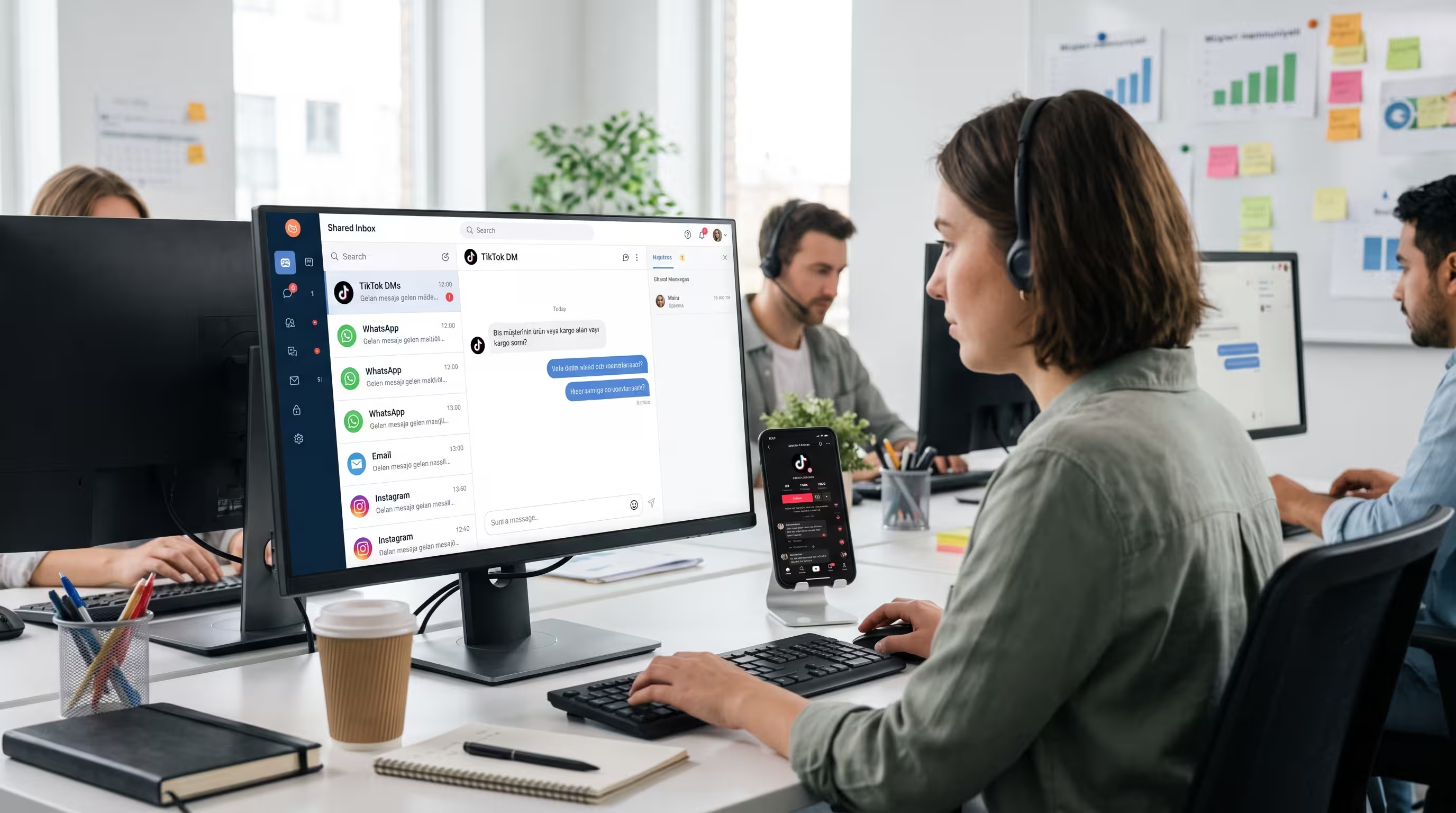
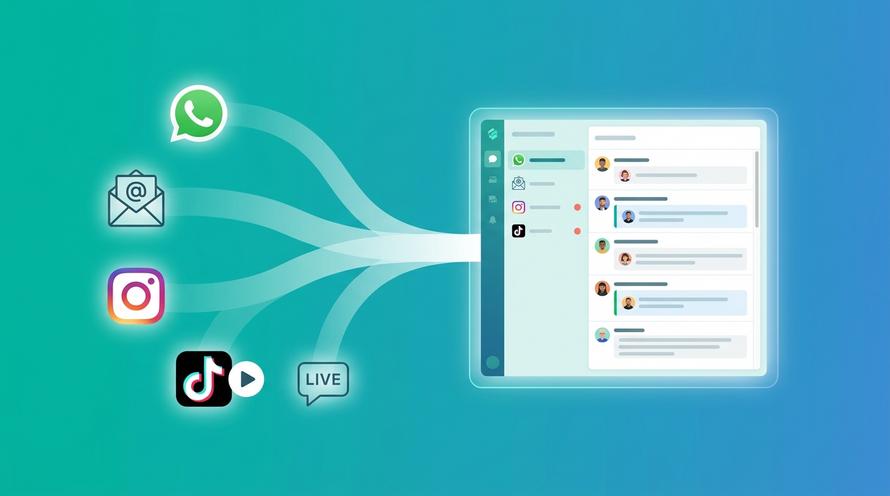
Trengo brings all your customer interactions, WhatsApp, email, Instagram, live chat, and more into one shared inbox. It helps your team respond faster, personalise conversations, and create the kind of seamless experience today’s shoppers expect.
Ready to make omnichannel a reality for your business? Book a free demo and see how Trengo can help you deliver connected, customer-first retail experiences.
Frequently Asked Questions (FAQs)
How does omnichannel eCommerce differ from multichannel or single-channel eCommerce?
Omnichannel eCommerce offers a seamless, integrated shopping experience across all customer touchpoints, allowing customers to switch between channels fluidly with consistent service and data. Multichannel involves selling through multiple platforms, but these operate independently without unified customer experiences. Single-channel focuses on one sales platform. Platforms like Trengo facilitate true omnichannel by unifying communication and data across channels.
Why should an eCommerce store adopt an omnichannel strategy?
Adopting an omnichannel strategy improves customer satisfaction by offering convenience, personalised experiences, and consistent engagement. It increases retention, boosts sales, and enhances brand loyalty. Using tools like Trengo, businesses gain unified communication, automation, and data insights crucial for effective omnichannel execution.
What are the core components of an effective omnichannel eCommerce experience?
Core components include integrated sales channels, unified customer data, consistent branding, seamless inventory and fulfilment systems, and responsive customer service across touchpoints. Automation and real-time communication tools like Trengo ensure ongoing coordination between platforms and teams.
What operational changes are required for omnichannel (inventory, fulfilment, data integration)?
Businesses need to synchronise inventory across channels to prevent stockouts or over-selling, streamline fulfilment processes for multi-location delivery, and integrate data systems such as CRM, ERP, and marketing platforms. Trengo supports data integration and unified customer interactions critical to managing these complexities.
How can I ensure a seamless customer journey across online store, mobile, social media and/or physical store?
Seamlessness requires centralising customer interactions, synchronising purchase and service history, and maintaining consistent messaging. Platforms like Trengo enable omnichannel messaging and automation, ensuring customers experience continuity no matter where they engage.
What sales channels should I connect first when going omnichannel?
Start with the most popular customer touchpoints such as your website, WhatsApp, and key social media platforms like Instagram or Facebook. Gradually include mobile apps and physical stores. Trengo supports integration with major channels to simplify this phased rollout.
How does data integration influence omnichannel performance?
Data integration provides a unified view of customers, enabling personalised marketing and accurate inventory management. It improves decision-making, optimises customer journeys, and enhances responsiveness. Trengo’s platform centralises data and communication, significantly boosting omnichannel operational effectiveness.


Let's meet
Grow your business with loyalty. Bring all of your customer contact into one, single platform to unlock delight at every step of the way.