Complete guide on WhatsApp chatbot for ecommerce stores in 2026


Try Trengo for Free

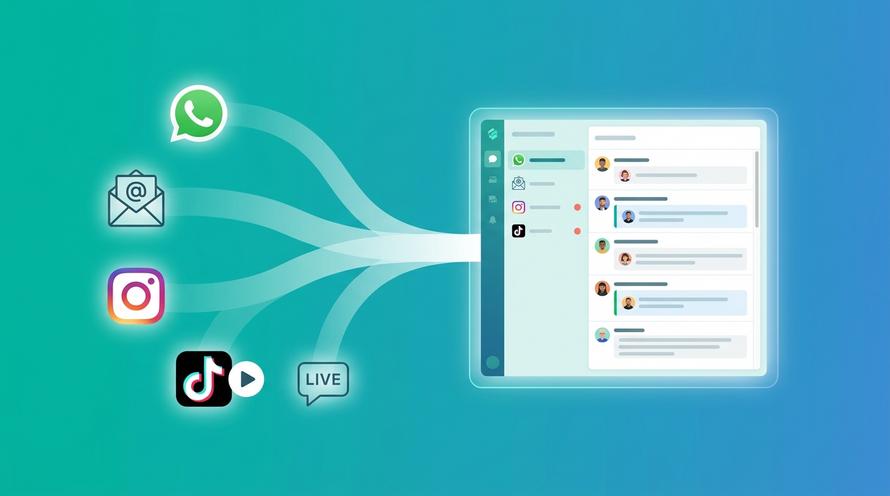
Trengo unites WhatsApp, email, web, social media, and calls in one inbox, saving your team hours of repetitive work and ensures no conversation is ever lost
Think about your own shopping habits for a second. When you’ve got a quick question about an order, would you rather dig through a website’s contact form or just send a quick message on WhatsApp? Exactly.
Your customers feel the same. With more than 2 billion active users, WhatsApp is where people actually spend their time.
With a 98% open rate, your messages get seen almost instantly. That’s why modern e-commerce brands are swapping outdated chatbots for WhatsApp chatbots that handle orders, recommend products, recover carts, and offer instant help.
In this guide, we’ll walk you through how WhatsApp chatbots work, why they’re a must-have for online stores in 2026, and how to build one that delivers real results.
What Is a WhatsApp Chatbot?
Let's start with the basics. A WhatsApp chatbot is an automated assistant that lives inside WhatsApp and chats with your customers on your behalf.
When a customer messages your business WhatsApp number, the chatbot springs into action. It understands what they're asking (using natural language processing), accesses your business systems to find the right information, and responds conversationally, all in seconds.
Customer: "Where's my order #12345?"
Chatbot: "Let me check that for you! Your order was dispatched yesterday and should arrive by 5 PM today. Here's your tracking link: [link]. Anything else I can help with?"
All of this happens without any human intervention.
If a query is too complex or a customer explicitly asks for a human, the bot seamlessly transfers the conversation to your support team with full context, so the customer doesn't have to repeat themselves.
Two types of WhatsApp chatbots:
- Rule-based chatbots follow preset paths. Customer clicks "Track Order" → bot asks for order number → retrieves tracking info → job done. These are perfect for straightforward, predictable tasks.
- AI-powered chatbots are more creative. They use machine learning to understand intent, context, and even sentiment. If someone types "This is rubbish, I want my money back," an AI bot recognises this is an angry refund request and handles it appropriately, probably by escalating to a human with priority.
The best e-commerce WhatsApp chatbot solutions combine both approaches.
Use rules for reliable, fast responses to common queries, then layer AI on top for nuanced conversations that require understanding and flexibility.
Why Your Business Needs WhatsApp Chatbots?
You might be thinking: "I already have a website chatbot and email support. Why bother with WhatsApp?"
Fair question. Here's why WhatsApp chatbots are becoming essential for today’s businesses:
1. Meet Customers Where They Actually Are
Your website gets occasional visits. Email sits unopened. But WhatsApp? That's checked constantly. The average person opens WhatsApp dozens of times daily. In some countries, users spend over 20 hours per month actively using the app.
For e-commerce, this changes everything. Instead of hoping customers visit your site or open your emails, you engage them in an app they use habitually.
2. Mobile Commerce Is Taking Over
Mobile shopping has overtaken desktop, but let's be honest. Mobile website experiences often feel clunky. Tiny screens, fiddly forms, slow loading. It's frustrating.
WhatsApp chatbots provide a smooth mobile-first experience that doesn't require navigating complicated websites. Customers can browse products, check stock, ask questions, and complete purchases through simple conversations. It's shopping that actually works well on phones.
3. Trust and Familiarity
Customers trust WhatsApp. They use it to chat with friends and family, so when your business appears there, you're entering a trusted space rather than a corporate environment. This familiarity lowers barriers and increases engagement.
Plus, WhatsApp's end-to-end encryption means customers feel safe sharing personal information, payment details, and order queries.
4. Astronomical Open Rates
Remember those 98% open rates we mentioned? Compare that to:
- Email marketing: 20-25% open rate
- SMS: 94% open rate
- WhatsApp: 98% open rate
When you need customers to see important information like abandoned cart reminders, restock notifications, and shipping updates, WhatsApp ensures your message actually gets through.
5. Cost-Effective Customer Support
Hiring human agents to provide 24/7 support is expensive. WhatsApp chatbots handle the high-volume, repetitive queries (order tracking, returns policies, sizing questions) automatically, freeing your team to focus on complex issues that genuinely need human empathy and judgment.
6. Conversational Commerce Is the Future
We're moving away from traditional "browse website → add to cart → checkout" flows towards conversational commerce. Customers want to shop through conversations—asking questions, getting recommendations, and completing purchases through chat.
WhatsApp chatbots enable this seamlessly. A customer can discover products, get personalised suggestions, ask about sizing, and complete their order—all without leaving the chat.
7. Global Reach with Local Feel
WhatsApp is the dominant messaging app in 133 countries. If you serve international customers, WhatsApp chatbots can handle multiple languages, allowing you to provide localized support at scale without hiring multilingual support teams in every market.
Benefits of Using a WhatsApp Chatbots
Customers today don’t want to wait for email replies or dig through FAQs. They want quick, personal answers. Here are some of the benefits of using WhatsApp chatbots for your store.
- 24/7 Instant Customer Support: Your WhatsApp chatbot never clocks out. Whether someone’s shopping at 2 AM or during their lunch break, they get instant help. No waiting, no “office hours,” and no missed sales because support wasn’t available.
- Automated Order Management and Updates: Customers can track their orders, get delivery updates, or even fix address issues—all directly in WhatsApp. It keeps them in the loop while saving your team from repetitive “Where’s my order?” messages.
- Personalised Product Recommendations: Your chatbot can act like a friendly shopping assistant, suggesting products based on what customers like or have bought before. It’s a personal touch that makes shopping feel easy and thoughtful.
- Recover Abandoned Carts Easily: We’ve all left something in a cart and forgotten about it. Your WhatsApp chatbot can send a quick, friendly reminder—far more effective than another unread email—helping turn those almost-sales into real ones.
- Reduce Support Workload: The bot handles all the repetitive stuff like returns, shipping info, and store hours, so your support team can focus on the trickier questions. Less burnout, faster replies, happier customers.
- Speak Your Customer’s Language: If you sell worldwide, your chatbot can chat in multiple languages automatically. Whether it’s Spanish, Arabic, or French, customers get a smooth, localised experience without needing a multilingual team.
- Syncs Perfectly with Your Store: Modern WhatsApp chatbots connect with Shopify, WooCommerce, and Magento to pull real-time product and order info. That means your customers always get up-to-date answers without you lifting a finger.
- Build Genuine Customer Relationships: WhatsApp feels personal. It’s where people talk to friends and family. So when your brand chats with customers there, it feels natural and friendly. Those quick follow-ups like “Hope you’re loving your new trainers!” go a long way in building loyalty.
How WhatsApp Chatbots Work for E-commerce Stores
WhatsApp chatbots benefit your business most when you understand how these chatbots actually work. Let's break down the mechanics for you:
The Technology Behind WhatsApp Chatbots
WhatsApp chatbots run through the WhatsApp Business API, which connects your store systems to WhatsApp’s messaging network. It’s different from the free app.
It lets you automate, integrate with tools like Shopify or CRMs, and manage thousands of chats smoothly. When a customer messages you, the API routes it to your chatbot, which understands the query, fetches data, and replies, all within seconds.
Rule-Based vs AI-Powered Chatbots
Rule-based chatbots follow simple instructions, like “if this, then that,” making them great for tasks like order tracking or stock checks. AI-powered bots, on the other hand, understand intent, learn from chats, and keep up natural conversations even if the customer types casually. Most online stores use both.
Integration with E-commerce Systems
A chatbot is only as smart as the systems it connects to. When linked with your store, CRM, and payment gateway, it can pull product info, track orders, process refunds, and even take payments right in chat. Everything stays synced and up-to-date automatically.
The Conversation Handover Process
Sometimes a chatbot needs a human hand. When that happens, it smoothly transfers the chat to a live agent, sharing the full history so the customer doesn’t have to repeat themselves. The agent simply picks up where the bot left off, keeping the experience effortless.
With platforms like Trengo, all of this happens in the same unified inbox. Your team doesn't switch between systems. They simply see a new conversation that needs attention, complete with AI-generated summaries if needed.
Key Features of an E-commerce WhatsApp Chatbot To Look For
Not all WhatsApp chatbots are created equal. Here are the essential features your e-commerce chatbot should have:
Product Catalogue Browsing
Customers should be able to explore your products directly in WhatsApp. This includes:
- Searching by product name or category
- Viewing product images, descriptions, and prices
- Checking stock availability
- Seeing product variations (sizes, colors)
- Accessing customer reviews
The best implementations use WhatsApp's rich media capabilities—sending product images, carousels of options, and clickable buttons that make browsing feel natural.
Automated Order Tracking
This feature alone justifies implementing a WhatsApp chatbot. Customers provide their order number (or you retrieve it from their phone number), and the bot instantly:
- Shows current order status
- Provides estimated delivery dates
- Shares tracking links to courier websites
- Sends proactive updates as the order progresses
No more "Please allow 24 hours for a response" messages. Instant gratification.
In-Chat Checkout Capability
Advanced WhatsApp chatbots enable complete purchase journeys within the chat:
- Select products and quantities
- Review order summary
- Choose delivery options
- Receive secure payment links
- Complete payment
- Get order confirmation
This removes friction from mobile shopping. Customers don't navigate clunky checkout pages. They just chat.
Return and Refund Processing
Handling returns through WhatsApp feels easier and less confrontational than formal processes:
- Chatbot asks why they're returning
- Validates return eligibility
- Generates return labels
- Arranges pickup or drop-off
- Tracks return status
- Processes refunds automatically
This automation turns a painful process into a smooth conversation.
Multi-Language Support
Essential for international ecommerce:
- Detect customer language automatically
- Offer language selection at conversation start
- Conduct entire interactions in customer's preferred language
- Switch languages mid-conversation if needed
One chatbot, dozens of languages, global reach.
Smart Product Recommendations
Use customer data to suggest relevant products:
- "Based on your recent purchase, you might like..."
- "Customers who bought X also loved..."
- "This product pairs well with what's in your cart"
These aren't generic recommendations—they're personalized based on actual customer behavior and preferences.
Abandoned Cart Recovery
Detect when customers leave items in their cart and intervene:
- Send friendly reminders after appropriate time delay
- Answer concerns preventing purchase (shipping costs, return policy)
- Offer limited-time incentives if appropriate
- Make completing purchase dead simple
Broadcast Messaging for Campaigns
Send one-to-many messages for:
- New product launches
- Sales and promotions
- Restock notifications
- Personalized recommendations
- Event invitations
WhatsApp's high engagement rates make these campaigns incredibly effective.
Analytics and Performance Tracking
Monitor how your chatbot performs:
- Message volumes and response times
- Resolution rates (% handled without human)
- Common questions and topics
- Conversion rates from chat to purchase
- Customer satisfaction scores
Use these insights to continuously improve your chatbot.
How to Set Up a WhatsApp Chatbot for Your E-commerce Store
Check out your step-by-step guide to launching a WhatsApp chatbot:
Step 1: Get WhatsApp Business API Access
To set up a proper WhatsApp chatbot, you’ll need access to the WhatsApp Business API, not just the free app. The easiest way is through an official partner like Trengo, which handles everything from verification to setup.
You’ll just share your business details (name, website, phone number, and documents), and Trengo will take care of connecting your store directly to WhatsApp.
Step 2: Pick Your Chatbot Platform
Next, choose where you’ll actually build your chatbot. Look for a platform that’s easy to use, connects with your e-commerce store, and supports both automation and live chat.
Trengo makes this simple with its Flowbot Builder, a drag-and-drop tool that lets you create WhatsApp chatbots in minutes with no coding needed.
Step 3: Connect Your Online Store
Once your chatbot’s ready, link it to your store on Shopify, WooCommerce, or Magento. This allows it to pull live data like product availability, order status, and customer details.
That way, your chatbot can give real answers like “Your package is out for delivery”, instead of generic replies.
Step 4: Plan and Write Chat Flows
Now it’s time to map out your main conversations. Think about what customers ask most often: order tracking, returns, product suggestions, and design clear, friendly responses for each.
Keep your messages short, conversational, and on-brand. And always give customers the option to talk to a human when needed.
Step 5: Test, Launch, and Improve
Before going live, test your chatbot thoroughly. Try every path, fix any confusing replies, and make sure human handover works smoothly. Once everything feels right, launch it softly.
Add a WhatsApp button to your site or mention it in your emails. Then keep an eye on feedback and analytics inside Trengo to see what’s working and what needs tweaking. Your chatbot will only get smarter from there.
WhatsApp Chatbot Use Cases for E-commerce
Let's explore specific, practical applications that drive real business results:
1. Abandoned Cart Recovery
We’ve all added things to our cart and then got distracted. A WhatsApp chatbot can send a friendly reminder after a short while, like “Hey Sarah! You left a few items in your cart. Still interested?” If she replies, the bot can answer quick questions about shipping, share reviews, or even offer a small discount to close the sale. Since WhatsApp messages are almost always opened, this casual nudge often turns lost carts into real orders.
2. Order Status and Tracking
Customers love quick updates, and WhatsApp chatbots make it easy. When someone messages “Track my order,” the bot instantly checks your system and shares the latest tracking link or delivery date. You can even send automatic updates when the order ships or arrives, keeping customers informed and happy while saving your support team from endless “Where’s my order?” questions.
3. Product Discovery and Recommendations
When shoppers aren’t sure what to buy, your WhatsApp chatbot can act like a personal shopper. It asks a few questions about who they’re buying for, what their budget is, and what they like, then recommends a few perfect options with pictures and prices. It makes shopping feel easier, more personal, and more fun, which often leads to higher order values.
4. Customer Support and FAQs
Every online shop gets the same questions about returns, delivery, and payment. With a WhatsApp chatbot, customers get answers instantly instead of waiting hours for a reply. If the bot can’t solve something, it smoothly passes the chat to a real person with all the details, so the customer never has to repeat themselves. It keeps things quick and frustration-free.
5. Product Restock Notifications
When a customer wants an item that’s out of stock, your chatbot can offer to message them when it’s back. As soon as it restocks, it sends a friendly update with a direct link to buy. It’s a simple way to turn interest into instant sales and keep customers from going elsewhere.
6. Post-Purchase Follow-Up
A few days after delivery, your chatbot can check in with a quick message like “Hope you’re loving your new trainers! How’s the fit?” If the feedback’s positive, it can ask for a quick review. If not, it loops in your support team to sort it out fast. It shows customers you care and helps prevent small issues from becoming big ones.
7. Loyalty Programme Updates
Customers often forget about their points or perks, but a WhatsApp chatbot keeps them in the loop. It might remind them, “You’ve got 200 points—want to use them for 10% off?” or share special birthday offers. These reminders feel personal and keep customers coming back for more.
8. Flash Sales and Promotions
When you’re running a flash sale, WhatsApp is perfect for instant reach. The chatbot can send messages like “Quick heads up! 30% off all trainers for the next 6 hours!” Customers see it right away, ask questions if they have any, and click straight through to buy. It’s a great way to build excitement and boost sales fast.
9. Subscription Reorder Reminders
If you sell repeat products like coffee or supplements, your chatbot can message customers when it’s time to reorder. “Hey, it’s been about a month since your last coffee order. Want to restock?” feels friendly and helpful while driving steady repeat purchases.
10. International Customer Support
Serving customers in different countries? Your WhatsApp chatbot can detect or ask for their language and chat fluently in it. Whether they speak French, Spanish, or Arabic, they get a local, natural experience that makes your brand feel truly global without needing a big multilingual team.
Why Trengo Is the Smart Choice for WhatsApp Chatbots
Trengo makes WhatsApp automation simple, fast, and powerful. As an official WhatsApp Business Solution Provider (BSP), it connects your store, CRM, and support tools into one smooth platform without juggling multiple apps.
With Trengo’s Flowbot Builder, you can create your own WhatsApp chatbot in just a few minutes without any coding. It handles everything from order tracking and returns to product recommendations and human handovers, all inside one unified inbox.
Final Words
Your customers are already on WhatsApp. They check it constantly, trust it deeply, and prefer it to navigating websites or waiting for email responses.
By meeting them there with intelligent, helpful automation, you transform customer experience whilst dramatically reducing support costs.
As an official WhatsApp Business Solution Provider, Trengo simplifies the entire process. You get WhatsApp Business API access, a no-code Flowbot Builder for creating chatbots in minutes, native integrations with Shopify, WooCommerce, and Magento, plus a unified inbox where WhatsApp sits alongside all your other channels like Instagram, email, live chat, Facebook Messenger.
Ready to give it a go? Your future customers are already waiting in WhatsApp. Contact Trengo today!
Frequently Asked Questions (FAQs)
How do eCommerce chatbots work on WhatsApp?
eCommerce chatbots on WhatsApp use AI and automation to interact with customers by answering queries, providing product information, and guiding purchases through conversational messaging. They operate via the WhatsApp Business API and can handle tasks like order tracking, recommendations, and support, all within the familiar WhatsApp interface. Platforms like Trengo enhance this by offering omnichannel integration and automation tools.
Why should online stores use a WhatsApp chatbot?
WhatsApp chatbots offer instant, 24/7 customer engagement on a platform many shoppers already use. They reduce response times, improve service consistency, and enable personalised shopping experiences. For online stores, this means higher conversion rates, fewer abandoned carts, and improved customer retention, especially when integrated with platforms like Trengo for efficient management.
How do I create a WhatsApp chatbot for my eCommerce store?
To create a WhatsApp chatbot, register your business phone number for WhatsApp Business API access and choose a chatbot platform such as Trengo. Configure conversational flows, link product catalogues, set up automation rules, and test extensively before launch to ensure seamless, personalised customer interactions.
Do I need WhatsApp Business API to use a chatbot?
Yes, for multi-user, scalable chatbot deployment on WhatsApp, the WhatsApp Business API is required. The regular WhatsApp Business App does not support advanced chatbot features or multi-agent access. Trengo integrates with the API to deliver fully automated, multi-user chatbot solutions.
Can I connect my WhatsApp chatbot to my website or online store?
Yes, many platforms including Trengo allow you to connect your WhatsApp chatbot to your website or eCommerce store. This integration enables synchronisation of chat data, product info, and order status, allowing customers to transition smoothly between web and WhatsApp channels.
How can WhatsApp chatbots help with product recommendations and abandoned carts?
WhatsApp chatbots analyse browsing and purchase history to suggest relevant products during conversation. They send reminders and offers to customers who abandon shopping carts, encouraging completion of purchases. Automation through Trengo ensures timely, personalised nudges to drive sales recovery.
Can WhatsApp chatbots handle payments and order confirmations?
While payment functionality varies by region, WhatsApp chatbots can typically handle order confirmations, provide receipts, and link to payment gateways. Platforms like Trengo integrate payment options and automate transactional messages to support smooth order processing.
What’s the difference between Trengo, WATI, and Zoko chatbots for WhatsApp?
Trengo focuses on omnichannel support with robust team collaboration and automation features, suited for multichannel customer service beyond WhatsApp. WATI and Zoko specialise primarily in WhatsApp marketing and chatbot workflows but may lack Trengo’s broader integration and unified inbox capabilities.
How can WhatsApp chatbots increase sales for eCommerce stores?
WhatsApp chatbots increase sales by delivering instant support, personalised product suggestions, and timely promotions directly through WhatsApp. They reduce friction in the buying process, recover abandoned carts, and improve customer loyalty. Using Trengo amplifies these benefits with automation and cross-channel coordination.



Let's meet
Grow your business with loyalty. Bring all of your customer contact into one, single platform to unlock delight at every step of the way.