Calculadora de comunicaciones de emergencia para operadores turísticos

Prueba Trengo gratis

Trengo reúne WhatsApp, correo electrónico, web, redes sociales y llamadas en una sola bandeja de entrada, lo que ahorra a tu equipo horas de trabajo repetitivo y garantiza que nunca se pierda ninguna conversación.
Vea Trengo en acción
- Amplias integraciones
- Fácil configuración
- Estructura de precios escalable

Calculadora de comunicaciones de emergencia para operadores turísticos
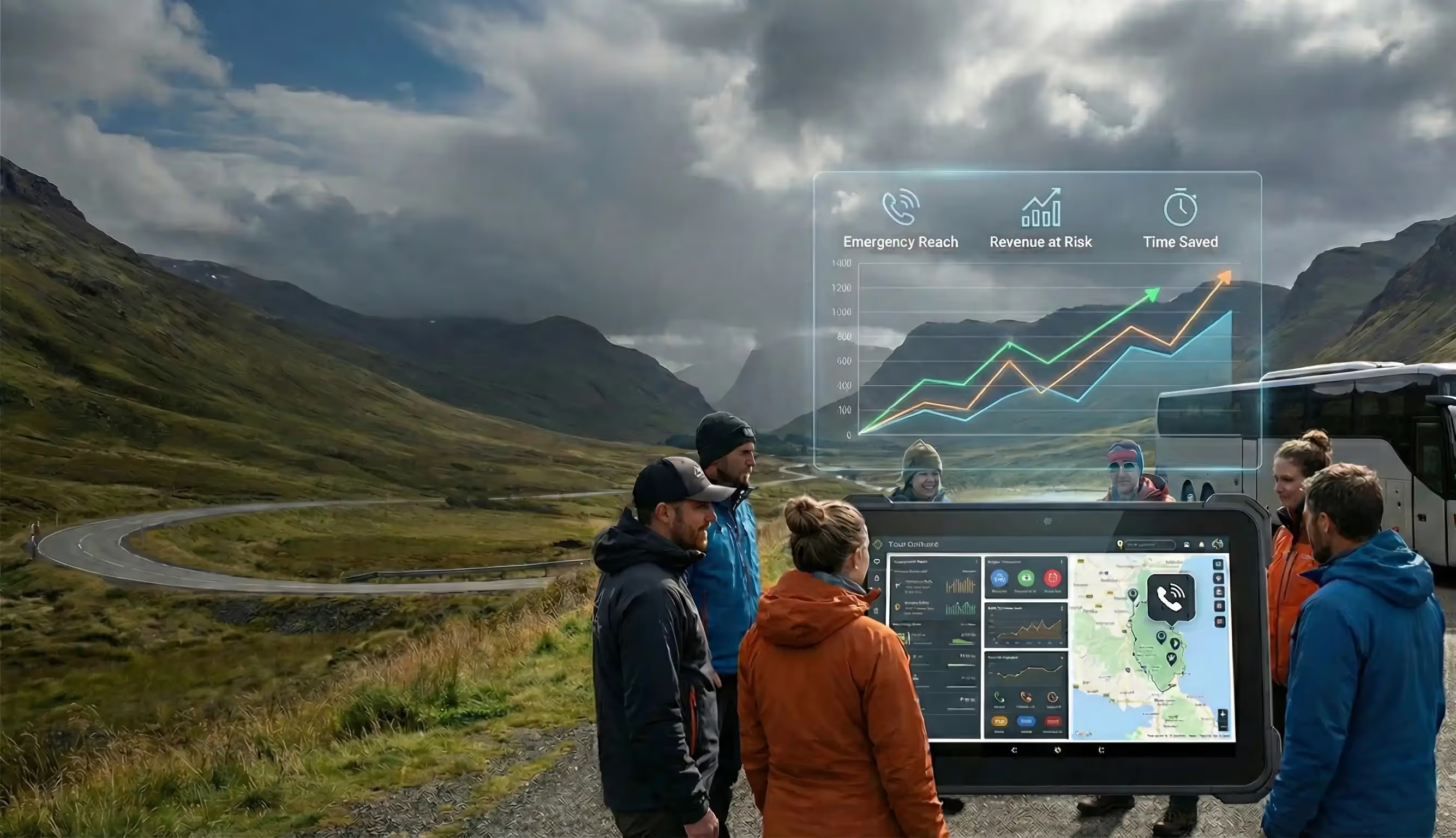
Utiliza la calculadora interactiva que aparece a continuación para averiguar a cuántos clientes debes llegar en situaciones de emergencia, cuántos ingresos están en riesgo y cuánto tiempo puedes ahorrar gracias a la comunicación automatizada.
Cómo calcular el precio de los tours y gestionar los costes operativos ocultos
La calculadora de comunicaciones de emergencia que se muestra arriba pone de relieve un aspecto fundamental de tu negocio que las hojas de cálculo estándar suelen pasar por alto. Aunque calcular el precio base de un tour —teniendo en cuenta los hoteles, el transporte y los guías— es una práctica habitual, muchos operadores no tienen en cuenta los «costes ocultos» de las operaciones. En concreto, el tiempo y los ingresos perdidos durante las emergencias y las cancelaciones, así como la comunicación manual posterior que se requiere, merman de manera efectiva tus márgenes de beneficio. Esta guía explora cómo dominar el cálculo de costes de los tours y cómo herramientas como Trengo pueden salvar la brecha entre una contabilidad eficiente y una comunicación eficiente.
TL;DR
- El coste de la gira incluye los gastos directos (entradas, comidas) y los gastos indirectos (marketing, salarios).
- El umbral de rentabilidad determina el número mínimo de pasajeros necesario para evitar pérdidas.
- La fijación de precios basada en el coste es el modelo estándar, pero la fijación de precios basada en la demanda maximiza los ingresos en temporada alta.
- La comunicación manual durante las emergencias supone un enorme coste oculto que consume muchas horas de trabajo del personal.
- Los ingresos en riesgo son la posible pérdida económica derivada de las devoluciones y el daño a la reputación como consecuencia de una mala gestión de la crisis.
- Las herramientas de automatización como Trengo reducen los costes operativos al centralizar la comunicación y permitir el envío masivo de mensajes.
Comprender los fundamentos del cálculo de costes de los viajes
El cálculo de costes de un viaje consiste en determinar el gasto total que supone organizar y llevar a cabo un paquete turístico concreto. Sirve de base para tu estrategia de precios, garantizando que cada salida contribuya a la salud financiera de la empresa, en lugar de funcionar como un producto reclamo.
Costes directos frente a costes indirectos en los itinerarios turísticos
Para calcular un coste por pasajero (pax) preciso, hay que distinguir entre gastos variables y fijos. Los costes directos son variables y se aplican por persona, como las entradas, las comidas individuales y las tarifas de alojamiento. Los costes indirectos son gastos generales fijos que se producen independientemente del número de personas que reserven, como las campañas de marketing, el alquiler de la oficina, el seguro de responsabilidad civil y los salarios del personal administrativo. Un buen estudio de caso sobre la bandeja de entrada del equipo suele revelar que el tiempo dedicado a tareas administrativas constituye una parte significativa de estos costes indirectos que no se cuantifica.
Cálculo del umbral de rentabilidad de las salidas de los tours
Para aprender a calcular los costes de un viaje de forma eficaz, es necesario identificar el umbral de rentabilidad. Se trata del número exacto de reservas necesarias para cubrir todos los costes directos e indirectos asignados. Organizar un viaje por debajo de este umbral supone una pérdida económica, a menos que se trate de una decisión estratégica de marketing destinada a ganar cuota de mercado. Un cálculo preciso de los costes garantiza que se sepa exactamente cuándo un viaje empieza a ser rentable.
Modelos estratégicos de fijación de precios de los viajes para mejorar la rentabilidad
Una vez que hayas calculado tus costes, debes pasar a la fijación de precios, es decir, determinar el intercambio de valor entre tú y el cliente. El objetivo es fijar un precio que cubra los costes, garantice un margen de beneficio adecuado y resulte atractivo para tu público objetivo.
Estrategia de fijación de precios de coste incrementado
La estrategia de fijación de precios «coste más margen» consiste en establecer el precio del viaje basándose en los costes totales más un margen de beneficio definido. Es la fórmula más sencilla: coste total + porcentaje de margen = precio de venta. Por ejemplo, si la organización de un viaje cuesta 100 dólares por persona y se requiere un margen del 20 %, el precio de venta será de 120 dólares. Este método garantiza que cada venta genere beneficios, siempre que los cálculos de los costes sean precisos.
Fijación de precios basada en la competencia y basada en la demanda
Aunque el método de «coste más margen» protege los márgenes, ignora la realidad del mercado. También debes analizar «cuánto cuesta un tour» dentro del panorama actual del mercado. La fijación de precios basada en la competencia implica comparar tus tarifas con las de operadores similares. Además, la fijación de precios basada en la demanda o dinámica te permite aumentar los márgenes durante las temporadas altas, cuando la demanda supera a la oferta, lo que ayuda a compensar los márgenes más bajos durante las temporadas intermedias.
Los costes ocultos de las operaciones: cancelaciones y gestión de crisis
La contabilidad tradicional suele pasar por alto el coste operativo que supone gestionar las interrupciones. Como muestra la calculadora que aparece al principio de esta página, cuando se produce una emergencia —ya sea un fenómeno meteorológico, una huelga o una avería mecánica—, el coste no se limita al posible reembolso, sino que incluye la paralización operativa que se produce a raíz de ello.
Análisis del indicador «Ingresos en riesgo»
Consulte el resultado «Ingresos en riesgo» de la calculadora anterior. Esta cifra representa el dinero que podría perder, no solo por las devoluciones inmediatas, sino también por el impacto a largo plazo del daño a la reputación. Si una crisis se gestiona de forma inadecuada, las opiniones negativas pueden disuadir a los clientes de realizar reservas en el futuro. Los ingresos en riesgo son un indicador clave de rendimiento (KPI) fundamental que pone de relieve por qué una gestión eficiente es tan importante como unos costes de adquisición bajos.
El elevado coste de la comunicación manual
Introduce tus datos actuales en el campo «Método de comunicación actual» de la calculadora. Si estás llamando manualmente a 25 clientes para cancelar una visita guiada, es probable que la herramienta te indique que este proceso lleva varias horas. Este tiempo supone un coste en términos de salarios del personal y de oportunidad. Mientras tu equipo está ocupado al teléfono gestionando una crisis, no puede vender a nuevos clientes potenciales ni atender a otros clientes. Esta ineficiencia supone una importante fuga en la estructura de costes de tus visitas guiadas.
Reducción de los costes operativos mediante la automatización de las comunicaciones
Si el tiempo es dinero, los retrasos en la comunicación suponen una costosa carga. Reducir los gastos generales operativos te permite aumentar tu margen de beneficio u ofrecer precios más competitivos a los clientes. Herramientas como Trengo cubren esta necesidad automatizando las tareas más laboriosas de la gestión de los tours.
Centralización de canales mediante una bandeja de entrada unificada
La comunicación fragmentada aumenta la tasa de errores y los tiempos de respuesta. Una bandeja de entrada unificada permite a los operadores turísticos gestionar los correos electrónicos, los mensajes de WhatsApp y las redes sociales en una sola vista. Esto evita situaciones costosas en las que un agente tramita un reembolso por correo electrónico mientras otro, sin saberlo, está chateando con el mismo cliente en Instagram. Puedes añadir fácilmente WhatsApp e Instagram a un único panel de control para agilizar este proceso.
Uso de mensajes de difusión para actualizaciones masivas
Esta función resuelve directamente la comparación entre «horas y minutos» que se muestra en la calculadora. En lugar de llamar individualmente a 50 personas para notificarles una cancelación, puedes enviar un único mensaje masivo por WhatsApp. El uso de plantillas de mensajes masivos de WhatsApp Business te permite preparar plantillas para situaciones de emergencia, lo que significa que puedes llegar a todos los clientes afectados en menos de un minuto. Esto reduce drásticamente la métrica de «tiempo empleado» y mejora la satisfacción del cliente al proporcionar información al instante.
Automatización de las reseñas y las solicitudes de comentarios
Ajusta el control deslizante «Índice de opiniones negativas» de la calculadora para ver cómo una mejor comunicación protege tus ingresos. Las actualizaciones rápidas y proactivas reducen significativamente la probabilidad de recibir comentarios negativos. Además, puedes implementar la automatización mediante un chatbot con IA para solicitar automáticamente opiniones positivas tras una estancia satisfactoria. Esta gestión proactiva de la reputación mejora tu posicionamiento SEO y tus tasas de reservas orgánicas, lo que reduce de forma efectiva tus costes de adquisición de marketing.
Preguntas frecuentes (FAQ)
¿Cómo se calcula el coste de un itinerario turístico?
Para calcular el coste, suma todos los gastos variables (alojamiento, transporte, honorarios de los guías, entradas a las atracciones) y añade una parte de los gastos fijos generales (administración, marketing), y luego divide el resultado entre el número de huéspedes previstos.
¿En qué consiste el cálculo de costes de un viaje?
El cálculo de costes de un viaje consiste en el proceso integral de identificar y asignar un valor monetario a cada elemento de un producto turístico con el fin de determinar su precio de equilibrio y su potencial de beneficio final.
¿Cuánto cuesta, de media, organizar una excursión?
El coste varía enormemente en función de la ubicación geográfica y el nivel de lujo, pero los gastos operativos (tiempo del personal y administración) suelen representar entre el 15 % y el 20 % del margen bruto, porcentaje que puede reducirse mediante la automatización.
¿Cómo influye una comunicación eficaz en el precio de los tours?
Una comunicación eficaz reduce los gastos generales de funcionamiento y los costes de personal, lo que permite a los operadores aumentar su margen de beneficio o trasladar el ahorro a los clientes para ofrecer precios más competitivos.
Ver más



Reunámonos
Haga crecer su negocio con la fidelización. Reúna todos los contactos con sus clientes en una única plataforma para satisfacerlos en todo momento.