AI chatbot customer service: your complete guide for 2026


Try Trengo for Free

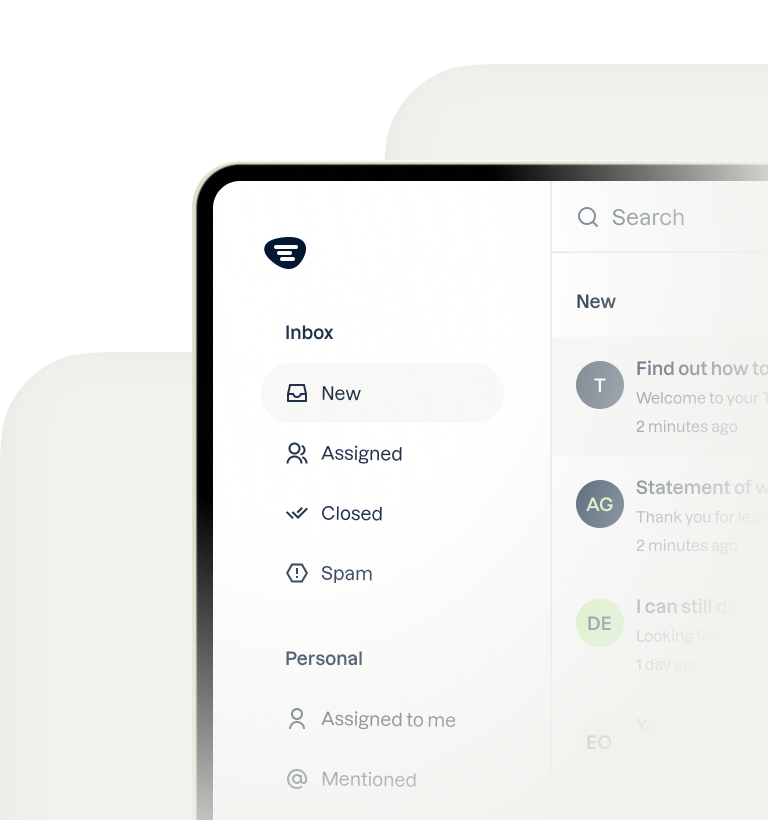
Trengo unites WhatsApp, email, web, social media, and calls in one inbox, saving your team hours of repetitive work and ensures no conversation is ever lost
“People remember how you make them feel”, said Maya Angelou, and it could not be truer in customer service today.
Every business wants to give that warm, memorable experience, but doing it consistently is a real challenge. Keeping a team available around the clock is tiring, expensive, and, honestly, almost impossible to scale without burning out your staff.
Customer expectations have changed faster than most businesses can keep up with. A recent study showed that more than 90% of customers now expect an instant response, no matter the time of day. They want answers on WhatsApp, Messenger, live chat, email, and anywhere else they are active. They also have zero patience for long queues or slow replies.
AI chatbot customer service assistants can handle repetitive questions automatically, work 24 hours a day without needing tea breaks, and help hundreds of customers at the same time. The right chatbot removes pressure from your team and gives your customers the instant support they expect.
Of course, not every chatbot is great. Some feel robotic and annoying. Others are so smooth they almost feel like chatting to a real person.
In this guide, we will break down everything you need to know about AI customer service chatbots. You will learn what they are, why they matter, and how to choose a solution that actually improves your customer experience. Let’s get started.
What is an AI customer service chatbot, and why does your business need one?
An AI customer service chatbot is software that uses artificial intelligence to chat with your customers. Unlike basic bots that follow rigid scripts, AI chatbots can understand natural language. They learn from conversations. And they get smarter over time.
These chatbots use machine learning and natural language processing (NLP). This means they can understand what customers mean, even when questions are worded differently. They can handle context. And they can provide personalised responses based on customer history.
Think of them as your first line of support. They answer FAQs, help with orders, book appointments, and solve simple problems. When things get complex, they hand over to human agents smoothly.
Why your business needs an AI chatbot?
Here's the reality. Your support team can't be everywhere at once. But your customers are active around the clock. They're messaging you at midnight. They're asking questions at weekends. And they expect quick responses.
AI chatbots fill this gap perfectly. Studies show that chatbots can handle up to 70% of common customer queries. That's a huge workload off your team's shoulders.
Plus, customers actually prefer chatbots for simple questions. They get instant answers without waiting on hold. No need to explain their issue multiple times. Just quick, efficient help.
For businesses, the benefits are clear. You reduce support costs. You scale your service without hiring more staff. And you improve customer satisfaction scores. Businesses using AI chatbots see response times improve by 30% on average.
Benefits of using AI customer service chatbots
Modern businesses are stretched thin. Customers want fast answers, short waits, and support that fits their schedule, not yours. It is no surprise that many brands struggle to maintain quality. This is where AI chatbots step in and give businesses the breathing room they desperately need.
Always available support
Your chatbot never sleeps. It handles queries at 3 AM just as well as 3 PM. This 24/7 availability is crucial in our global, always-on world. Customers get help when they need it, not when your office opens.
Instant response times
Nobody likes waiting. AI chatbots respond in seconds. They eliminate queue times for common questions. This instant gratification keeps customers happy and engaged.
Cost savings
Hiring and training support staff is expensive. Chatbots significantly reduce these costs. They handle routine queries automatically, so your human agents can focus on complex issues that actually need their expertise.
Scalability
Peak seasons used to mean stressed teams and unhappy customers. Not anymore. Chatbots handle thousands of conversations simultaneously. Black Friday rush? No problem. Product launch spike? Handled.
Consistent service quality
Human agents have bad days. They get tired. Their quality varies. Chatbots deliver consistent, accurate answers every single time. Your brand message stays on point.
Multilingual support
Want to serve global customers? AI chatbots can communicate in multiple languages. No need to hire multilingual staff. Just set up your bot and reach customers worldwide.
Data collection and insights
Every conversation teaches your chatbot something new. It collects valuable data about customer pain points, common questions, and behaviour patterns. Use these insights to improve your products and services.
Better agent productivity
When chatbots handle repetitive questions, your human agents get more interesting work. They solve complex problems. They build relationships. And they feel more satisfied in their roles.
Essential features customer service chatbots should have
Most businesses rush to add a chatbot, then realise it does little more than send generic replies. A good customer service chatbot needs advanced automation. To get that level of performance, here are the features worth paying attention to.
Natural language processing
Your chatbot needs to understand how real people talk. Good NLP means the bot gets context, handles slang, and interprets questions correctly. Without this, customers get frustrated quickly.
Omnichannel integration
Customers contact you everywhere. WhatsApp, Instagram, Facebook Messenger, email, and your website. Your chatbot should work across all these channels seamlessly. One bot, everywhere your customers are.
Smart routing
Not every question suits a bot. Advanced chatbots know when to escalate. They recognise complex issues and hand over to human agents with full context. No need for customers to repeat themselves.
Personalisation capabilities
Generic responses feel robotic. Great chatbots access customer data to personalise conversations. They remember previous interactions. They know purchase history. They make customers feel valued.
Easy integration
Your chatbot needs to connect with your existing tools. CRM systems, helpdesk software, and order management platforms. Seamless integration means better service and less manual work.
Analytics and reporting
You need to measure performance. Good chatbots provide detailed analytics. Track resolution rates, customer satisfaction, common queries, and bot performance. Use this data to keep improving.
Customisation options
Your brand is unique. Your chatbot should reflect that. Look for tools that let you customise the bot's personality, tone, and responses to match your brand voice.
Common use cases of customer service chatbots
Here are some of the most effective ways many businesses are using chatbots to simplify support and improve customer experience.
Answering FAQs
This is chatbot bread and butter. Product information, shipping policies, return procedures, and account questions. Chatbots excel at providing quick answers to repeated questions.
Order tracking and management
Customers constantly ask, "Where's my order?" Chatbots can check order status instantly. They provide tracking information, update delivery details, and even help modify orders.
Appointment scheduling
Booking appointments traditionally requires back-and-forth emails or phone calls. Chatbots check availability, book slots, send confirmations, and manage reschedules automatically.
Lead qualification
Not every website visitor is ready to buy. Chatbots can ask qualifying questions, gather contact details, and pass warm leads to your sales team. They work as your first sales assistant.
Technical troubleshooting
Simple technical issues often have standard solutions. Chatbots can guide customers through troubleshooting steps. Reset passwords, configure settings, or diagnose common problems.
Collecting feedback
Want to know what customers think? Chatbots can trigger satisfaction surveys after interactions. They collect feedback naturally during conversations. This helps you improve continuously.
Payment and billing support
Customers need help with invoices, payment methods, and billing queries. Chatbots can pull up account information, explain charges, and process simple payment tasks.
Important features to look for when choosing a customer service chatbot
- No-code bot builder
You shouldn't need a developer to build chatbots. Look for drag-and-drop builders that let anyone create conversation flows. Visual interfaces make bot building fast and simple.
- AI and machine learning capabilities
Basic rule-based bots are limiting. Choose solutions with proper AI that learns from interactions. The bot should get smarter over time and handle increasingly complex queries.
- Unified customer view
Your chatbot should access complete customer profiles. Purchase history, previous conversations, preferences. This unified view enables truly personalised service.
- Collaboration tools
Sometimes bots need human backup. Look for features that let agents monitor conversations, jump in when needed, and collaborate internally on complex cases.
- Security and compliance
Customer data is sacred. Your chatbot must meet security standards. Check for encryption, GDPR compliance, and data protection measures.
- Scalability
Start small but think big. Your chosen solution should grow with you. Check if there are limits on conversations, channels, or features as you scale.
- Support and training
Even the best tools need support sometimes. Look for providers offering comprehensive documentation, training resources, and responsive customer service.
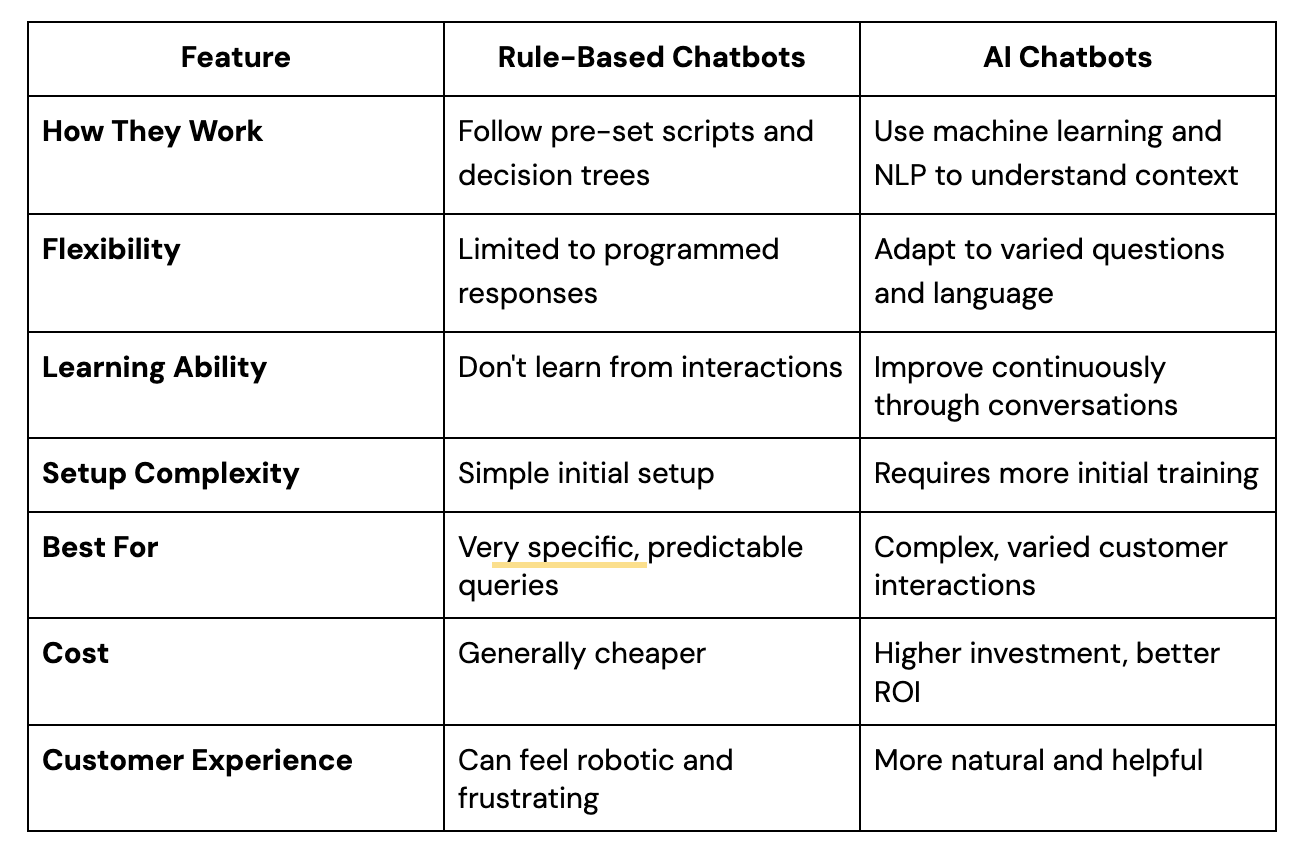
Rule-based chatbots vs AI chatbots: What's the difference?
Top 3 AI Chatbots for customer service
- Trengo
Trengo stands out as a full-service customer communication platform that works just as well for small teams as it does for growing companies. What really catches the eye is how it blends no-code automation, true omnichannel support, and collaboration tools into one neat solution.
What makes it special?
- A visual bot builder that requires no coding skills, which means your team can build and deploy chatbots without hiring developers.
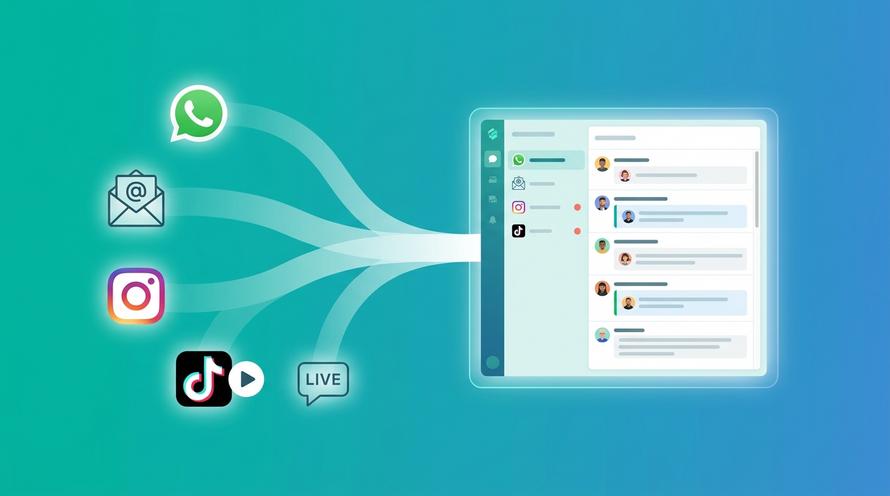
- Unified, omnichannel support: WhatsApp, Instagram, Facebook Messenger, email, web chat and voice all funnel into one inbox. No more juggling tabs or switching between tools.
- Smart automation: Trengo claims over 80% of repetitive conversations can be handled by its AI Agents. That means fewer manual replies and lower workload for your team.
- Built-in team collaboration: Agents can tag each other, add internal notes, share dashboards and tackle tricky queries together. It gives support teams structure and clarity.
- Deep integrations: Works with your CRM systems, e-commerce platforms, WhatsApp Business API, and more, so customer data flows smoothly across your stack.
- Strong analytics and reporting: You can track response times, resolution rates, customer satisfaction, team performance, all in one place. Good for spotting bottlenecks and boosting productivity.
Ideal for your business
Whether you’re a small online retailer servicing WhatsApp messages, or a mid-sized company handling live chat, email and social channels, Trengo scales with you.
The clean interface means less training time, and the AI automation means fewer repetitive tasks. If your team is stretched and your customers expect fast replies, this platform helps you deliver.
Real-world results
- Businesses report significantly faster resolution times and fewer manual tickets thanks to Trengo’s bot automation.
- The unified inbox significantly improves agent productivity because everything is in one place. That means no swapping between chat, email and social apps.
- The platform supports 26 languages with its AI HelpMate feature, making it viable for global operations
Things to watch
- While Trengo’s bot-builder is powerful, some reviews say its advanced personalisation features (conditional logic, deep custom fields) are more limited than specialised bot platforms.
- For very large enterprises needing highly custom workflows, the integrations may require more setup than smaller tools.
- Pricing can feel steep when you add many channels, users and advanced features—so be sure to match your usage to your plan.
So, if you want a one-platform solution that handles chatbots, live chat, social messengers, and gives your team the tools to work together rather than fight the chaos, Trengo is a strong option. It ticks the feature boxes many businesses need and adds collaboration and scalability to boot.
2. Zendesk
Zendesk is one of the biggest names in customer support, and its AI tools slot neatly into the platform you already know. Their Answer Bot pulls responses directly from your help centre, learns from past tickets, and improves over time. It is especially strong for businesses that already operate inside the Zendesk ecosystem because everything connects seamlessly.
What it does well
- Uses your existing help articles to generate accurate answers
- Integrates deeply with Zendesk Support, Guide, Chat and Talk
- Offers strong workflow automations for ticket tagging, triage, and routing
- Gives detailed analytics to track performance, resolution time and satisfaction
- Ideal for mid-size and enterprise teams with structured support processes
Best for
Businesses that rely heavily on Zendesk already and want reliable AI features that plug straight into their existing workflow without switching tools.
3. Intercom
Intercom is built for businesses that want a more conversational, friendly customer experience. It covers sales, support and marketing under one roof, which makes it popular with SaaS companies, online businesses, and teams that value personalised communication. Their Resolution Bot handles repetitive support questions, while their other bots can qualify leads, book demos, or guide users through onboarding.
What it does well
- Strong conversational AI that feels natural and helpful
- Great for proactive support through in-app messages and targeted pop-ups
- Offers bots for support, sales and engagement, not just ticketing
- Clean, modern interface that teams find easy to navigate
- Excellent segmentation and targeting for personalised customer journeys
Best for
Companies that want one tool to manage support, lead qualification and customer engagement without juggling multiple platforms.
Trends in customer service chatbots for 2026
Customer service chatbots are evolving faster than most businesses realise. What we see today is only the starting point. The next generation of chatbots will feel smarter, more intuitive, and far more human, reshaping how companies support customers across every channel.
Voice-enabled chatbots
Text isn't the only option anymore. Voice chatbots are growing rapidly. Customers can speak their questions naturally. The technology combines speech recognition with AI to provide hands-free support.
Hyper-personalisation
Modern chatbots don't just know your name. They understand your preferences, predict your needs, and tailor responses to your situation. Expect this personalisation to get even more sophisticated.
Proactive engagement
Future chatbots won't wait for customers to ask. They'll reach out proactively. Stuck on a page? The bot offers help. Cart abandoned? It nudges you back. This proactive approach prevents problems before they happen.
Emotional intelligence
Next-generation bots can detect customer emotions. Frustrated? The bot adjusts its tone and escalates faster. Happy? It builds on that positive interaction. This emotional awareness makes conversations feel more human.
Better human-bot collaboration
The future isn't bots replacing humans. It's bots and humans working together seamlessly. Expect better handoff processes, more context sharing, and hybrid approaches where both contribute to resolutions.
Advanced integration capabilities
Chatbots will connect with more systems. Your inventory management, your CRM, your payment processor. Everything talks to everything. This creates smoother experiences for customers.
Privacy-first design
With growing privacy concerns, chatbots are being built with data protection at their core. Expect more transparency about data usage, better security measures, and compliance-first approaches.
Final Thoughts: Is an AI chatbot right for your business?
If you're still handling every customer query manually, you're working too hard. AI chatbot customer service isn't just a trend. It's becoming essential for businesses that want to compete.
The benefits are clear. Faster responses, lower costs, happier customers, and better agent productivity. The technology has matured. It actually works now.
But choosing the right chatbot matters enormously. Look for solutions that match your needs. Consider your channels, your team size, and your technical capabilities. Don't just chase features. Think about what will actually improve your customer experience.
Start with your biggest pain points. Which questions get asked constantly? Where do customers wait longest? What tasks take up most agent time? Target these areas first.
Remember, implementing a chatbot is a journey, not a destination. You'll need to train it, refine it, and improve it continuously. But the investment pays off quickly.
Ready to transform your customer service? Start exploring Trengo’s AI chatbot solutions today.
Frequently Asked Questions (FAQs)
Why are AI chatbots becoming essential for customer service in 2026?
AI chatbots are essential in 2026 because customers expect instant replies, 24/7 availability, and effortless support. Chatbots help teams reduce workload, improve response times, and handle large volumes without increasing headcount. Platforms like Trengo make this possible by combining AI automation with a smooth customer experience.
What’s the difference between traditional rule-based chatbots and modern AI chatbots?
Rule-based chatbots follow pre-set scripts and can only answer predictable questions. Modern AI chatbots understand intent, learn from real conversations, and adapt to different scenarios. They can handle more complex queries, personalise responses, and escalate to humans when needed. Trengo supports both styles but uses AI to offer far more flexible, natural interactions.
What types of customer service tasks can a chatbot handle effectively?
AI chatbots can answer FAQs, provide order updates, process returns, share product recommendations, collect customer details, and guide users through common troubleshooting steps. They also help route messages to the right team. With Trengo, these tasks can be automated across chat, WhatsApp, social channels, and website widgets.
What are the biggest challenges companies face when launching their first AI chatbot?
Common challenges include choosing the right use cases, setting realistic expectations, maintaining brand tone, and keeping answers up to date. Some companies also struggle with training data or over-automating. Trengo simplifies this process with guided flows, easy setup, and AI tools that reduce technical complexity.
How do I identify which customer questions the chatbot should answer first?
Start by reviewing your highest-volume enquiries. Focus on repetitive questions such as pricing, delivery, account access, and troubleshooting. These offer the fastest impact and reduce pressure on your team. Trengo’s reporting tools help identify these trends so you can prioritise confidently.
How do I ensure my chatbot reflects our brand voice and tone?
Create clear writing guidelines for tone, vocabulary, and message style. Use simple language, stay consistent, and personalise where helpful. Modern platforms like Trengo let you customise chatbot messaging, quick replies, and conversation flows so the experience always feels on-brand.
How do I train an AI customer service chatbot with real customer data?
Training begins by feeding the chatbot accurate FAQs, knowledge-base articles, product details, and previous customer conversations. This helps the AI understand context and respond correctly. Trengo allows teams to upload resources, refine answers, and review performance to keep the chatbot learning safely.
What metrics should I track to measure chatbot success (deflection rate, CSAT, FRT)?
The key metrics include deflection rate, customer satisfaction (CSAT), first response time (FRT), resolution time, handover rate to human agents, and the volume of automated conversations. Trengo’s analytics dashboard makes it easy to monitor these metrics and adjust the chatbot’s behaviour based on real performance.
Can a chatbot handle multilingual support for global customers?
Yes. Modern AI chatbots can understand and reply in multiple languages automatically. This helps global businesses offer consistent support without hiring multilingual teams. Trengo supports multilingual messaging, allowing AI to respond accurately across various languages and channels.
How does Trengo help companies launch a customer service chatbot without technical complexity?
Trengo provides no-code tools, ready-made templates, and AI-powered flows that make chatbot setup simple. Teams can launch a bot, automate FAQs, and connect channels without engineering support. Trengo also offers centralised inboxing, automation, and AI suggestions to keep the entire customer journey smooth.



Let's meet
Grow your business with loyalty. Bring all of your customer contact into one, single platform to unlock delight at every step of the way.