AI in customer service: this is the 2026 need-to-know


Try Trengo for Free

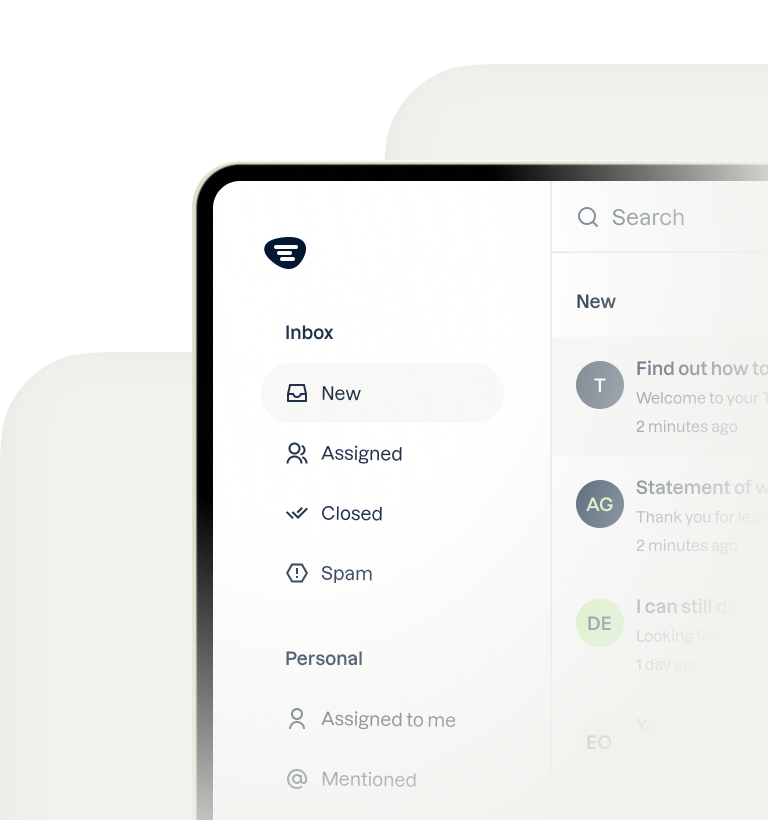
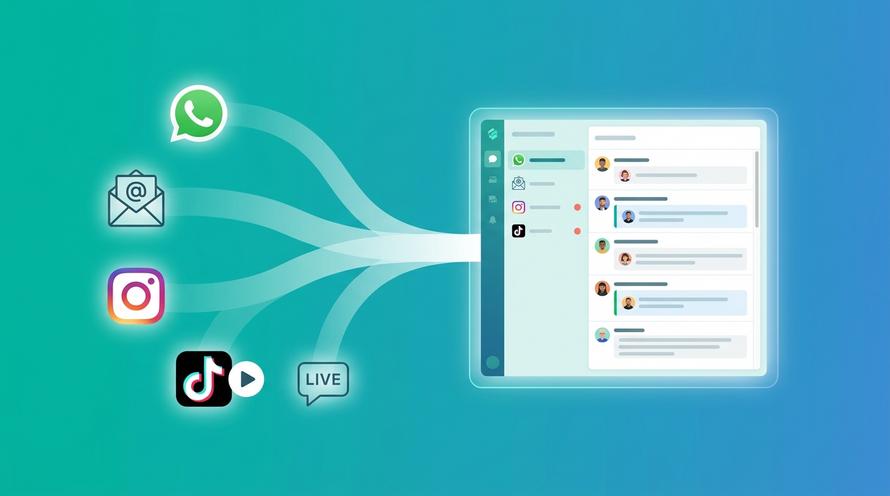
Trengo unites WhatsApp, email, web, social media, and calls in one inbox, saving your team hours of repetitive work and ensures no conversation is ever lost
In an era where customer expectations are higher than ever, businesses in hospitality, automotive, travel, eCommerce, and leisure need smarter ways to deliver top-notch service.
Enter AI customer service—the solution that's revolutionising the way companies interact with their customers.
From instant responses to tailored recommendations, AI in customer support helps businesses streamline operations, boost satisfaction, and stay ahead of the competition.
In this post, we'll dive into how AI is transforming customer support, and how your business can harness its power to create better, faster, and more personalised experiences. Ready to explore? Let’s get started!
What is AI in customer service?
Modern businesses use AI chatbots as an effective part of their customer support team.
You can use it on your website as a chatbot and help your customers get instant answers. These chatbots will stay active on your website 24/7. So, the customers will get help whenever they need it without the need for a human agent.
Moreover, AI can also help you improve personalisation for each customer. Artificial intelligence can create answers according to the context and history of each customer.
Because of the power of AI, many organisations are already utilising it in customer service. It is not just helping customers get faster responses but also enhancing the productivity of support teams.
What are the benefits of AI in customer service?
AI customer service has now become the right wingman for customer support teams. The AI benefits for customer support can include:
- Cost reduction: The support teams get the time to focus on more complex tasks when routine tasks are automated with AI. It also empowers businesses to efficiently locate resources and cut down the costs.
- Improve customer satisfaction: Customers are more likely to work with a business that is quick to respond. Businesses can win the trust of customers with the help of AI as it can communicate 24/7.
- Boost agent efficiency: You can automate routine tasks like FAQs using AI. The automation will free up time for agents that will allow them to focus on more important tasks.
- Increase productivity and efficiency: AI agents work independently for human agents to offer immediate assistance. AI directs the live agent with insights and recommended steps when a handoff is required, which speeds up resolution times.
- Streamline operations: AI can help support teams by suggesting which service requests are best suited for automation and streamlining workflows.
- Customise experiences: AI can provide agents with the information they need to tailor solutions to the specific needs of each customer by sharing customer insights with them.
- Manage high support demand: AI agents can assist teams in efficiently managing high support volumes by handling all kinds of customer inquiries via any channel.
8 examples of AI in customer support
You can use AI in customer service for different tasks. Let’s discuss a few examples that explain how artificial intelligence is used in customer service.
1. Content generation
The generative AI technology can create human-like replies according to customer queries and improve overall customer satisfaction. You can make it even better if you train it according to your business tone and voice.
2. Chatbots
AI-powered chatbots can manage simple consumer inquiries, deliver rapid responses, and aid with duties such as order tracking, product recommendations, and troubleshooting. Their round-the-clock availability minimises response times and enhances accessibility to customer assistance.
3. Natural Language Processing (NLP)
AI systems can comprehend and interpret human language thanks to NLP technology. It helps determine the demands of the customer, assess their sentiment, and respond appropriately.
Additionally, NLP can help with unstructured search, which, in contrast to structured keyword searches, enables systems to comprehend and react to more fluid and conversational questions. This feature increases the efficacy of voice assistants, chatbots, and sentiment analysis software. This allows companies to provide their clients with a more seamless and customised shopping experience.
4. Sentiment analysis
AI customer service tools can understand customer sentiments based on feedback and reviews. Businesses can use this data to improve their plans and shape their product or services according to customer needs and demands.
5. Provide recommendations
Artificial intelligence (AI) recommendation systems examine user behaviour, past purchases, and preferences to offer tailored content or product recommendations. Businesses can improve cross-selling and upselling chances by knowing the preferences of each consumer.
6. Predictive analytics
AI-based predictive analytics uses customer data to anticipate customer needs, behaviour patterns, and potential issues. This helps companies proactively address customer concerns, optimise resource allocation, and personalise customer interactions.
7. Self-service solutions
AI is a tool that can work independently without any human assistance. It can use your knowledge base articles or NLP to understand and answer customer queries.
8. Intelligent routing
The AI tools for customer service can analyse customer queries and route them correctly to the service representative if the problem is complex. This ensures that customers get quick help without any delay even if the chat is handed over to a human agent.
7 top AI tools for customer support
You can find many AI customer service tools in the market. All of them have unique features to address different problems. So, how are you going to find your ideal AI tool? Below we have listed 7 different tools that might become a part of your support.
Check out their features and select the best one for your business.
1. Trengo
Trengo is a customer service platform that helps businesses manage conversations across various channels from a single dashboard. Its AI chatbot, AI HelpMate, can handle customer queries and boost productivity of the support team. Moreover, Trengo supports 26 languages and integrates with several platforms including Gmail, Outlook, Instagram, WhatsApp, Facebook, and SMS.
Key features:
- No-Code Setup: Easily set up and customise Trengo to fit your needs.
- Team Tagging: AI HelpMate can assist agents by handling conversations or tagging teammates for help.
- Quick Response: Provide instant customer support 24/7 across different platforms.
- Team Support: Get quick reply suggestions for efficient communication.
- Branding: Maintain a consistent brand voice in AI-generated messages.
- Summarisation: AI HelpMate can summarise long queries to make handover efficient.
2. Help Scout
HelpScout is a customer service platform that uses AI to streamline communication and improve customer experiences.
- AI Summarise: This tool automatically creates concise summaries of long email threads, helping your team quickly understand the context of conversations. You can use this feature for many other tasks like giving an overview of existing conversations to new team members.
- AI Assist: It helps your team refine their responses by adjusting tone, length, and even translating text. This ensures that all customer interactions align with your brand voice and are tailored to the specific needs of each customer.
- AI Drafts: This tool can automatically generate responses based on customer conversations and your knowledge base. While AI handles these drafts, your team can review and edit them to ensure they are accurate and helpful.
Pricing
Help Scout offers a free trial while the priced plans start at $40/user per month.

3. Freshdesk
Freshdesk is a customer service platform that helps teams provide support across various channels, including WhatsApp, SMS, and social media. Its AI-powered features make it a great choice for businesses looking to improve efficiency and customer satisfaction.
Freddy AI is the backbone of Freshdesk's AI capabilities. It offers three key solutions for AI customer care:
- Self-service: Freddy powers chatbots that can handle customer inquiries 24/7, reducing response times and improving customer satisfaction.
- Agent assistance: Freddy Copilot helps agents by summarizing conversations, suggesting replies, and automating repetitive tasks that lead to an overall boost in productivity.
- Intelligent reporting: Freddy Insights provides real-time analytics, enabling teams to make data-driven decisions.
In addition to these features, Freshdesk also offers AI-powered phone support, including speech-enabled IVR systems.
Pricing
You can start using Freshdesk at $15/user per month only. However, you can try its free trial before starting with the paid version.

4. Tidio
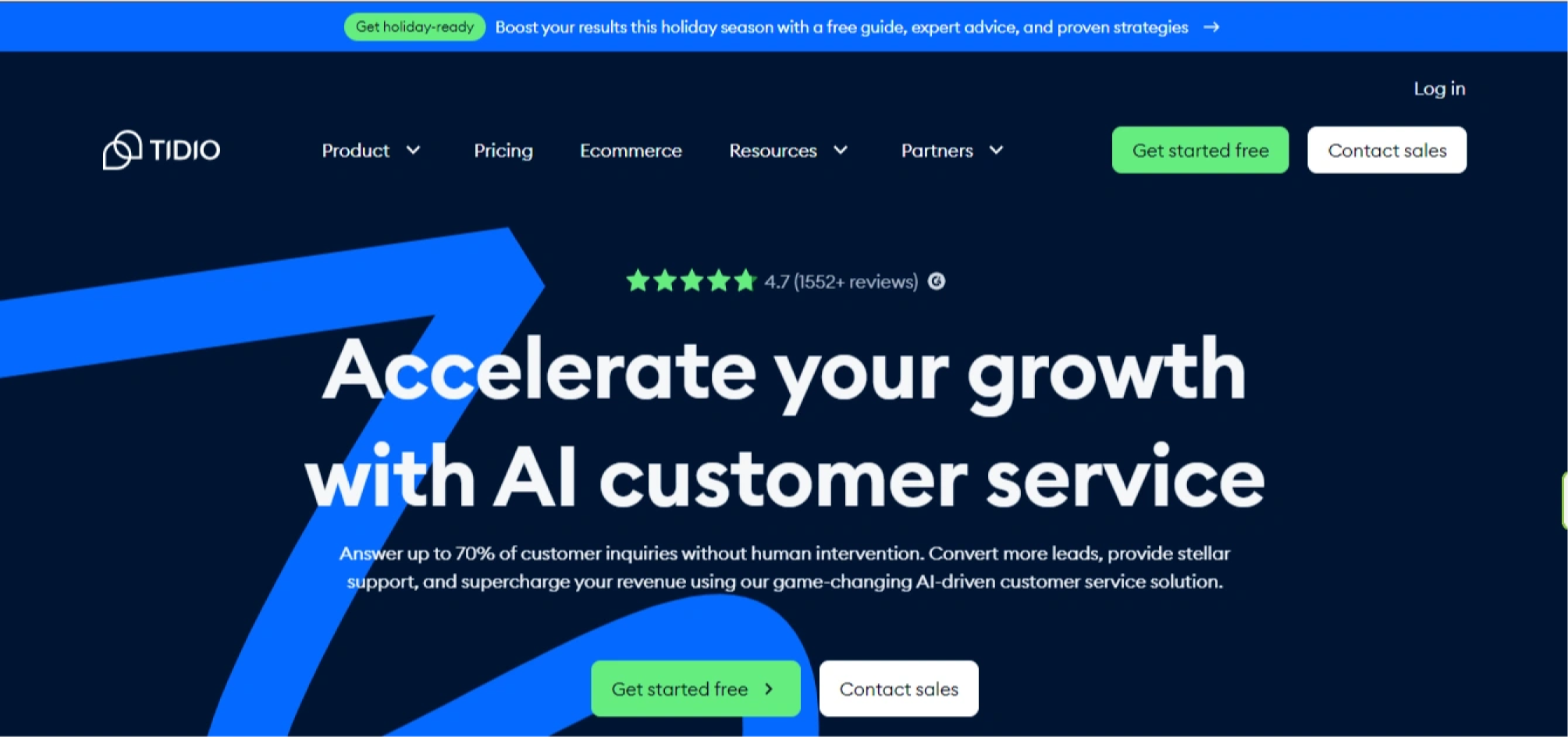
Tidio is another reliable AI customer care tool. It is mostly known for its effective real-time customer interactions.
Key features:
- Tidio offers a Reply Assistant that allows agents to improve their responses before pressing the send button.
- Tido also has another tool called Lyro AI. Lyro AI is responsible for handling all customer interactions.
Pricing:
Tido offers a free plan that you can use with limited features. The price for the premium version starts at $29/use per month for customer service plans and if you want to enjoy their AI assistance the price will go up to $39/user per month.
5. Qualaroo
Qualaroo is not a solo tool but a part of ProProfs suite of products.
Key features:
- The sentiment analysis feature, powered by IBM Watson, sorts through feedback to identify keywords and determine whether responses are positive or negative.
- Qualaroo can also recognise emotions expressed in the text, such as joy, anger, or sadness. This information can be used to trigger follow-up actions, like assigning tasks to your team to address negative feedback.
Pricing
Qualaro does have a free trial and plan. The paid one starts at $19.99 for 100 responses a month.

6. HubSpot
HubSpot is known for providing SaaS products for customer relationship management. Businesses use its vast net of software, applications, integrations, and CRMs for customer support.
Key features:
- The AI tool of Hubspot is ServiceHub. The tool can help you with summarizing long texts and also assist you in drafting emails and messages. Also, the company has launched a beta version of its chatbot.
Pricing:
Before paying anything you can check Hubspot’s free plan. If you like it then you can start paying $15/user per month and enjoy premium features.

7. Balto
Balto is a great platform known for its real-time calling with customers. It can also quickly alert human agents if a problem gets complex. When AI handles calls from customers it frees up space for employees and helps them get productive in other customer support tasks.
Key features:
- QA Copilot: The copilot is trained on real-time customer data using NLP models. The tools work along with the QA team to provide customized suggestions and help them create training methods to boost the support team’s behaviour and query-handling techniques.
Pricing
You will need to contact their team to know the pricing.

How can you use generative AI in customer service?
There are many ways you can use AI-powered customer support in your business. Let’s explore a few possibilities:
- Improve productivity: With generative AI tools like Trengo, you can quickly generate replies according to customer queries. The best part is that AI tools will generate personalised answers for each customer as they are backed with technologies like NLP models.
- Create quick summaries: The support team can receive long tickets from clients. And it can get difficult to provide quick assistance to customers. Your team can use AI in this scenario to generate summaries of long tickets and quickly understand the customers' needs.
- Easily store and share knowledge: Creating knowledge base articles can take time for your senior employees. Again, you can use AI to save this time. For example, you can use the power of artificial intelligence to generate the first draft of articles and easily share it with other teammates using a CMS. Once the articles are ready you can add them with your chatbots and help your customers at a faster pace.
- Search for answers: AI in customer service can generate a response from your knowledge base straight into the search page when your agents or clients are looking for answers, saving everyone time.
3 things to consider when implementing AI in customer service
If you are planning to use AI in your workplace then you must consider the following 3 aspects to get the most out of the new trend.
- Impact on your team: AI is an innovation for businesses. Many companies are already using it. However, if your team is not familiar with a particular AI tool, you must provide adequate training. It not only helps with seamless onboarding but also enables your team to use AI to its fullest.
- Trust and reliability issues: AI technology is rapidly improving, but it's not perfect. Many language models may struggle with complex customer queries or sensitive information. So you cannot fully rely on it when it comes to AI in customer service. Privacy and trust are also important concerns. You can avoid unwanted scenarios if you can keep an eye on AI conversations and constantly train them according to your business.
- Investment and implementation: Though, AI customer service tools can be cost-saving in terms of eliminating the need for extra manual labour, they require some initial investment. You’ll also need to spend some capital on training your team to enable their implementation.
AI for your customer service
Adding AI in customer service can greatly enhance both customer support and internal productivity. With AI tools, you can deliver instant responses, automate tasks, and even generate quick reports—allowing your team to focus on more complex customer needs. Plus, adopting AI means smoother, faster interactions for your customers, improving overall satisfaction.
Are you ready to elevate your customer service? Check out Trengo, an AI-powered tool designed to streamline your support processes and boost productivity.
Start transforming your business today!



Let's meet
Grow your business with loyalty. Bring all of your customer contact into one, single platform to unlock delight at every step of the way.