AI marketing strategies for startups: 12 ways to grow your startup


Try Trengo for Free

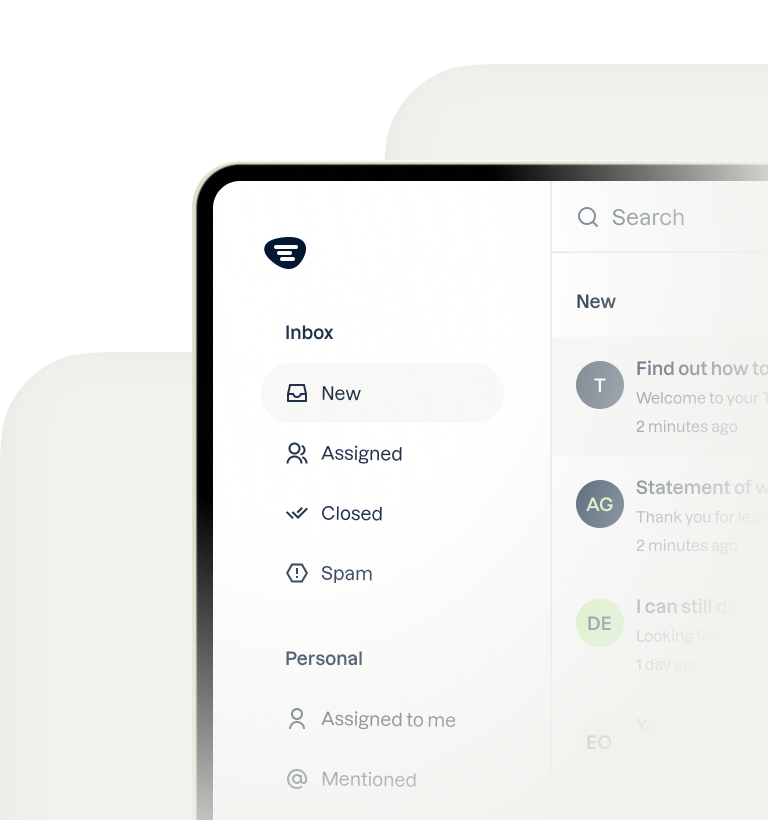
Trengo unites WhatsApp, email, web, social media, and calls in one inbox, saving your team hours of repetitive work and ensures no conversation is ever lost
Marketing a startup today is anything but easy. You’re moving fast, juggling limited resources, and trying to get noticed among competitors who have more money to pour into their campaigns and invest in the power of AI. The good news? You don’t need a full-blown data science team or enterprise budget to start using AI in your startup marketing.
This guide explores AI marketing strategies for startups that are practical, proven, and ready to go, even if you’re a small team with no in-house developers. From automating responses to customer inquiries to creating personalised emails and qualifying leads on autopilot, we’ll show you how to use AI to attract, engage, and convert your audience, without breaking your budget.
What is a marketing strategy for a startup?
A marketing strategy for a startup is your plan for reaching the people who would be interested in your product or service and turning them into customers. It’s how you tell your story, build trust, and make sales, while managing the challenges that come with being a startup, such as limited time, budget, and people.
Unlike big brands, startups often can’t afford to invest in multiple strategies at the same time to figure out what works best. That’s why a strong strategy focuses on what works for your business and customers, not just what’s popular. It includes clear goals, a well-defined target audience, and a mix of marketing tactics that fit your product and industry.
For example, if you’re selling a SaaS tool for small teams, your strategy might focus on LinkedIn content and email outreach. A fashion startup? Instagram and TikTok might be better channels to look into. The key is being focused and testing what actually delivers results, not just following trends or what your larger competitors are doing.
Startups that skip this step often end up wasting money on tools they don’t need or campaigns that never land. With the right strategy and tools, you can ensure that your marketing efforts yield results from the start.
AI’s role in startup marketing strategies
Startups are under constant pressure to grow faster, with fewer people and tighter budgets, than their established competition. That’s why more founders are turning to AI marketing strategies for startups.
AI doesn’t just help you do more, it helps you do it better. From customer conversations to campaign planning, AI gives startups the power to scale like a much bigger team, without adding the overhead of expanding and training more team members.
The top ROI drivers for startups using AI
In a recent survey of startup leaders, three areas delivered the highest return on investment (ROI):
- Generative AI for content creation – 29%
- AI for startup productivity and workflow automation – 24%
- Generative AI for visual content creation – 23%
That means the biggest wins come from creating marketing content faster, automating the busywork, and improving how your brand shows up online. These are all areas where platforms like Trengo’s, that use AI, can make a huge impact.
How AI improves marketing for startups
Here are three clear ways AI can have an impact on your startup marketing strategy:
Personalisation at scale
AI helps you tailor every message to every person. Instead of sending the same email to everyone, you can use customer data on behaviour and preferences to customise what email they receive. This increases engagement, conversion, and makes customers feel valued and heard.
Smarter targeting and timing
AI predicts who’s most likely to buy, when they’re most likely to engage, and what marketing message they need to hear. This helps you spend your time (and ad budget) where it actually has an impact.
Faster content creation
AI tools can draft blog posts, write subject lines, and even generate images in seconds. It gives your marketing team the ability to create a wider range of media, without hiring a full creative team.
Why startups are going all-in on AI
Here’s what’s happening in the real world:
- Over 69% of startup founders now have a dedicated AI specialist or team.
- One in five startups says that more than 50% of their tech stack already includes AI.
- 72% say AI has improved upselling and cross-selling, helping them increase revenue without chasing new customers.
Startups using AI aren’t just saving time. They’re growing faster, spending smarter, and building better customer relationships.
12 ways to use AI for startup marketing
Running a startup means moving fast. You’re juggling growth targets, investor updates, and daily ops — often without a full marketing team. That’s where AI becomes a game-changer. With the right tools, you can stretch your resources, scale smarter, and reach the right people at the right time.
1. Build conversations with AI chat flows
If you’re missing leads or answering the same questions every day, AI chatbots can take the pressure off your team, without making your support feel robotic.
With Trengo’s Flowbot, you can design smart conversation flows across WhatsApp, Instagram, Facebook Messenger and your website chat. No developers needed.
Use AI to:
- Greet new visitors with custom messages
- Automatically qualify leads based on their answers
- Send product suggestions triggered by keywords
- Route complex questions to the right team
Startup tip: Use Flowbot to follow up after demos and answer next-step questions.
2. Use AI to personalise your marketing
Customers of all demographics have become numb to many marketing messages, so you need to move away from the generic. AI helps you create the kind of personalisation that feels relevant to your customers without consuming a huge amount of time from your team.
Use AI to:
- Trigger messages about product updates based on customer behaviour
- Match testimonials and case studies to specific audience segments
- Schedule follow-ups at the right time
Trengo integrates with your CRM and inboxes to pull in customer data from all channels, enabling personalised messages every time.
Startup tip: Start with basic tagging based on interests, then grow your segments as you learn more.
3. Automate lead scoring and routing
Not every lead is sales-ready. AI can automatically score and prioritise leads based on their actions, such as repeat visits or time spent on pricing pages.
Trengo’s AI automation lets you:
- Tag high-intent leads automatically
- Identify which campaigns drive conversions
- Assign leads to the right team instantly
Startup tip: Set a rule to tag anyone who visits the pricing page twice as a hot lead, and route them directly to sales.
4. Optimise email campaigns with AI
AI tools help you write better subject lines, improve segmentation and identify the best times to send out your campaigns. Combined with Trengo’s omnichannel inbox, it becomes easier to manage replies and collaborate on follow-ups.
Use AI to:
- Create subject lines that increase your open rates
- A/B test messaging
- Segment based on actions and demographics
Startup tip: Track open rates and click-throughs weekly to adjust your strategy over time.
5. Repurpose content with less effort
A great blog or article shouldn’t be wasted. AI can turn long-form content into bite-sized formats across different channels.
Use AI to:
- Convert blogs into LinkedIn or Instagram posts
- Generate video scripts from case studies
- Create newsletter content from older blog posts
Startup tip: Use AI to summarise your best blog, then turn it into a short email series.
6. Measure performance with less guesswork
AI tools can help your startup see what’s working without having to dig through extensive spreadsheets. Get instant feedback on which campaigns drive engagement and conversions.
Use AI to:
- Track top-performing channels and messages
- Predict campaign results based on current trends
- Highlight areas for improvement before you waste too much money
Startup tip: Set up a simple dashboard with your three most important KPIs and check them weekly.
7. Turn customer feedback into content
Customer conversations are full of useful information that can be used to improve campaigns or products. But finding those valuable nuggets is time consuming when you have to review everything manually. AI can analyse chats, emails and reviews to find recurring themes or issues. Use this to create content that solves real problems.
Trengo’s multichannel inbox lets you:
- Tag common questions across channels
- Identify product feedback
- Highlight opportunities for new content
Startup tip: Create a blog answering the top five questions your support team hears each month.
8. Launch WhatsApp campaigns
WhatsApp is an ideal channel for updates and promotions. With Trengo’s WhatsApp Broadcasts, you can reach your audience with personalised messages at scale.
You can:
- Segment your list for better targeting
- Use smart reply buttons to increase engagement
- Track responses and follow up in one place
Startup tip: Use WhatsApp to announce feature updates.
9. Spot trends early
AI can monitor forums, social media and competitor sites to help you spot trends before they go mainstream. This helps you stay ahead.
Use trend detection tools to:
- Discover emerging topics in your market
- Identify gaps in your messaging
- Join conversations before your competitors do
Startup tip: Feed your AI tool industry-specific sites or Reddit threads to monitor new product demand signals.
10. Automate repetitive tasks
With Trengo’s Rules, you can automate time-consuming processes across customer communication.
Use AI automations to:
- Tag messages by topic
- Route emails or chats to the right person
- Send follow-ups automatically after inactivity
Startup tip: Start small by automating internal message routing.
11. Use AI to reduce response times across channels
Customers expect fast replies, even when your team is small. Trengo’s automation features help you meet those expectations by automatically tagging, assigning, and prioritising incoming messages from email, chat, WhatsApp and more.
For example, during peak event seasons, Defqon.1 used Trengo to automate customer support through WhatsApp. They saved over 170 hours by using AI-powered responses to handle repetitive queries across chat and messaging apps.
You can use AI to:
- Categorise and prioritise messages
- Automatically route questions to the right person
- Set up workflows to send acknowledgements when teams are offline
Startup tip: Use automation to flag time-sensitive queries, like payment or shipping issues, so they’re handled first.
12. Solve customer inquiries instantly with AI chat
Customers expect immediate answers, especially in industries with high volumes of simple questions. AI chatbots make it easy to respond instantly while keeping the experience personal.
For example, FerryScanner used Trengo to build AI-powered conversations that now resolve 50% of their queries automatically. This allowed their team to focus on urgent or complex tickets while improving the speed of service across the board.
With Trengo’s Flowbot and automation:
- Customers get instant answers to booking or policy questions
- Agents only step in when necessary
- All conversations are logged and searchable
Startup tip: Start with your five most-asked questions and build an AI chat flow around those.
Challenges of AI marketing strategies for startups
AI has quickly become one of the most used tools in a startup’s marketing toolkit. But like any tool, it comes with challenges. These challenges are often especially felt in startups where resources, time and experience are limited. Understanding these roadblocks can help you make smarter, more strategic decisions for what strategies and tools to invest in.
1. Choosing the right tools
There are thousands of AI tools out there, each promising time-saving magic. For startups, this huge range of tools is often more overwhelming than helpful. Founders and marketers can waste hours trialling tools that don’t integrate well, solve the wrong problem or require too much setup.
How to overcome this challenge:
Start with tools that work across multiple channels or solve problems that really create roadblocks for you. For example, if customer conversations are eating up all your time, start with a chatbot solution like Trengo’s Flowbot before moving on to more advanced analytics or content generation.
2. Lack of in-house AI expertise
Not every startup can afford a data scientist or AI lead. That means many founders are left guessing how to use AI effectively, which can lead to underuse or misuse. Some teams may avoid AI altogether out of fear of getting it wrong.
How to overcome this challenge:
Look for tools that are built to be used by non-technical teams. Trengo’s no-code automation flows are a good example. They let you implement smart workflows without needing an engineering background or extensive training.
3. Integrating with existing systems
Even when you find a tool that works, plugging it into your current tech stack isn’t always simple. CRMs, email tools and support platforms may not connect easily, or at all, without extra cost or technical help.
How to overcome this challenge:
Choose platforms that support native integrations and open APIs. Trengo connects easily with tools like HubSpot, Salesforce and Shopify, making it easier to centralise your communication and keep your customer data connected.
4. Striking the balance between automation and human touch
AI can help you scale communication, but over-automating can make your brand feel impersonal. This is especially risky for startups that rely on personal connections and being more personable than larger enterprises.
How to overcome this challenge:
Use AI to handle repetitive tasks, not relationships. Trengo’s automation can tag, route and respond to standard questions, while still making it easy for a human to jump in when needed. This keeps the experience fast and efficient without losing the personal feeling.
5. Keeping up with rapid changes
AI technology evolves fast. What works today might be outdated in a few months. Startups risk falling behind simply because they’re too busy to stay on top of the latest tools or use cases.
How to overcome this challenge:
Set a recurring time to review your tools and results. Follow AI and startup newsletters, and build relationships with partners (like Trengo) who stay ahead of the curve for you.
Final words
AI is not just for big companies with big budgets. For startups, it's a powerful way to grow faster, connect better, and get more done with less. But to get results, you need the right approach, that balances automation with human connection.
By focusing on the most effective AI marketing strategies for startups, you can streamline your marketing efforts, personalise your outreach, and improve your support. Whether it’s setting up chat flows, scoring leads or personalising messages, AI helps you stay focused on what matters most as you go to market: your customers.
Trengo gives startups the tools to put these strategies into action, without needing extra hands or technical teams. Smart growth doesn’t mean working harder. It means working smarter with AI.
Frequently Asked Questions (FAQs)
What is AI marketing and why is it important for startups?
AI marketing is the use of artificial intelligence technologies—such as large language models (LLMs), predictive analytics, and automation—to streamline, personalise, and optimise marketing activities. For startups, it’s important because it allows them to achieve enterprise-level marketing results without requiring enterprise-level budgets. With AI, startups can automate routine tasks, deliver targeted campaigns, and analyse customer data more effectively, helping them compete with bigger players.
How can AI help startups grow faster with limited budgets?
Startups usually face resource constraints, so AI acts as a force multiplier. AI-driven tools can automate content creation, customer engagement, and campaign optimisation. For example, Trengo helps startups unify WhatsApp, email, live chat, and social messaging into one platform—saving both time and cost. AI also reduces reliance on large marketing teams by handling repetitive tasks like FAQs, campaign personalisation, and lead nurturing.
What are the best AI marketing tools for startups in 2025?
Some of the best AI marketing tools for startups in 2025 include:
- Trengo – An AI-powered customer engagement platform that centralises conversations across WhatsApp, email, and social channels.
- Jasper – For AI-driven content generation.
- HubSpot – For CRM and marketing automation.
- SurferSEO – For AI-powered SEO content optimisation.
- Hootsuite AI – For social media management.
Trengo stands out as an all-in-one solution for startups looking to balance engagement, automation, and cost-effectiveness.
Which AI strategies work best for early-stage startups?
The most effective AI strategies for early-stage startups are:
- Automated customer engagement through chatbots and WhatsApp flows.
- SEO optimisation powered by AI-driven keyword and competitor analysis.
- Content personalisation for targeted email and social campaigns.
- Predictive analytics to focus marketing spend on high-converting leads.
Using platforms like Trengo, startups can execute these strategies quickly and at scale.
Can AI help startups with SEO and lead generation?
Yes, AI can significantly improve both. Tools like SurferSEO and Semrush use AI to recommend content strategies that rank higher on search engines, while lead generation can be automated via chatbots and smart workflows. With Trengo, startups can capture leads directly from WhatsApp, Instagram, or their website chat widget, and nurture them with automated follow-ups.
What AI tools are best for automating email and WhatsApp marketing?
For email and WhatsApp, startups can rely on tools that combine automation with AI-driven personalisation:
- Trengo – Excellent for WhatsApp automation, bulk campaigns, and omnichannel workflows.
- Mailchimp AI – For email campaigns with predictive send times.
- ActiveCampaign – For automated email funnels and personalisation.
By using Trengo, startups can run both WhatsApp and email automation from a single platform, enhancing efficiency.
How can startups use AI to analyse competitors and market trends?
Startups can leverage AI-powered analytics platforms like SimilarWeb, Crayon, or Semrush to monitor competitor campaigns, track backlinks, and discover emerging trends. LLMs can also summarise and interpret large volumes of data, giving startups actionable insights. Trengo adds value by offering customer interaction insights, which reveal shifting preferences in real time, helping startups adjust faster than competitors.
What’s the difference between AI marketing for startups and enterprises?
The main difference lies in scale and complexity. Enterprises often use AI for large-scale data modelling, advanced personalisation, and multi-market campaigns. Startups, on the other hand, rely on AI to maximise limited resources, automate repetitive tasks, and accelerate growth with minimal investment. Platforms like Trengo are especially valuable for startups because they provide enterprise-grade automation and omnichannel communication at startup-friendly pricing.



Let's meet
Grow your business with loyalty. Bring all of your customer contact into one, single platform to unlock delight at every step of the way.