AI virtual assistants vs chatbots: Key differences between both

Try Trengo for Free

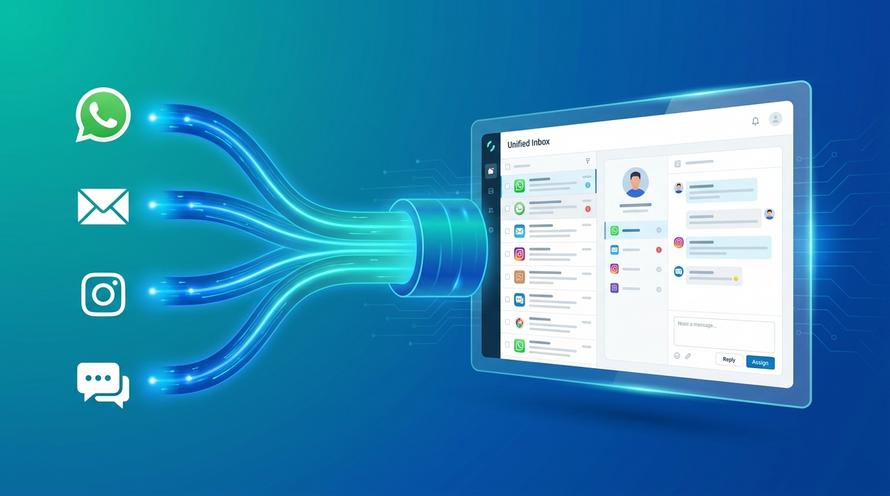
Trengo unites WhatsApp, email, web, social media, and calls in one inbox, saving your team hours of repetitive work and ensures no conversation is ever lost
Picture this — your smart assistant schedules a meeting, reminds you to follow up, and plays your favourite playlist in the background. Meanwhile, your company chatbot instantly responds to a customer asking about a product. Both tools seem intelligent, but they’re built for very different purposes.
When it comes to AI virtual assistants vs chatbots, understanding how they differ is key to using them effectively. While AI virtual assistants focus on helping individuals manage daily tasks and routines—like setting reminders, managing emails, or coordinating calendars—chatbots are designed to streamline customer interactions, automate responses, and improve support efficiency for businesses.
Both technologies use artificial intelligence to save time, reduce manual work, and enhance productivity. Yet, their goals, user interactions, and areas of application are not the same.
In this guide, we’ll break down the core differences between AI virtual assistants and chatbots, explore how each supports business growth, and share insights into how these tools are shaping the future of customer communication.
Understanding chatbots
Chatbots have quickly become one of the most effective tools for automating communication between businesses and customers. In simple terms, a chatbot is a software application that can simulate a human conversation—responding to text or voice inputs with relevant, helpful answers.
Businesses use chatbots to automate repetitive tasks, resolve basic queries, and provide instant customer support. By doing so, they reduce manual workload and free up their teams to focus on more complex and meaningful interactions.
The two main types of chatbots
Not all chatbots work the same way. Broadly, there are two types—rule-based chatbots and AI-powered chatbots.
1. Rule-based chatbots
These are the most traditional type of chatbots. They follow a set of predefined rules and scripts to guide conversations. When a customer types a question, the bot looks for specific keywords and provides a prewritten answer.
For example, if a customer types “track my order,” a rule-based chatbot may immediately respond with a link to your order tracking page.
Rule-based chatbots are easy to set up, cost-effective, and reliable for handling simple, repetitive questions. However, they’re limited by the scenarios they’ve been programmed for and may struggle with complex or unexpected queries.
2. AI-powered chatbots
AI-powered chatbots go a step further. Using technologies like machine learning (ML) and natural language processing (NLP), they understand context, intent, and even tone—creating more human-like interactions.
These chatbots can learn from past conversations and improve over time. For instance, if a customer says, “Can you check when my package will arrive?”, an AI-powered chatbot can interpret the intent, access the relevant data, and provide an accurate response.
AI-driven chatbots are flexible, scalable, and suitable for industries like e-commerce, customer service, and marketing—where personalised communication drives better engagement.
Why chatbots matter for modern businesses
Whether rule-based or AI-powered, chatbots help businesses scale communication, maintain faster response times, and enhance customer satisfaction. They’re not just support tools—they’re becoming an integral part of how brands engage, sell, and build relationships.
Understanding AI virtual assistants
AI virtual assistants are intelligent digital tools designed to help users complete tasks, manage schedules, and stay organised through natural, conversational interactions. Unlike chatbots—which focus primarily on customer service—AI virtual assistants are built to support personal productivity and day-to-day activities.
Using technologies like natural language processing (NLP), machine learning (ML), and deep learning, these assistants understand spoken or written commands, interpret intent, and act accordingly. They can handle tasks such as:
- Scheduling meetings or sending reminders
- Making calls or sending messages
- Providing directions or travel updates
- Controlling smart home devices
- Completing online purchases or searches
How AI virtual assistants understand and learn
The intelligence behind these assistants comes from data. Through NLP, they process language and identify the meaning behind each command. With machine learning, they analyse patterns from previous interactions to improve accuracy over time—making their responses more contextual and relevant.
For example, when you ask, “Remind me to call Sarah at 3 p.m.,” the assistant not only sets a reminder but learns your preferred phrasing and can interpret similar commands in the future.
This ability to learn continuously is what sets AI virtual assistants apart—they adapt, personalise, and evolve with every interaction.
Everyday examples of AI virtual assistants
You’ve probably already interacted with one. Assistants like Amazon Alexa, Apple Siri, and Google Assistant have become part of everyday life—helping users check the weather, play music, translate speech, or manage smart devices with simple voice commands.
For instance, asking Siri “What’s on my calendar today?” instantly pulls up your schedule across connected apps, demonstrating how these assistants seamlessly integrate data and communication to make life easier.
The bigger picture
AI virtual assistants are not just about convenience—they’re reshaping how we interact with technology. As they continue to evolve, they’re bridging the gap between human intention and digital action, making tasks more intuitive and personalised than ever before.
Key differences between chatbots and AI virtual assistants
Functionality and applications
While chatbots and AI virtual assistants both interpret user inputs and automate responses, they differ in how they process information, interact with users, and perform tasks.
Chatbots typically follow predefined workflows or intent-based structures. Rule-based chatbots rely on decision trees and scripted responses to guide users through specific processes—like tracking orders or answering FAQs. Meanwhile, AI-powered chatbots use natural language processing (NLP) and machine learning (ML) to understand intent, refine responses over time, and create more natural, two-way interactions. Their interfaces are task-focused, often embedded in websites, apps, or messaging platforms to assist customers efficiently.
AI virtual assistants go beyond this level of automation. They combine NLP, deep learning, and contextual understanding to handle more complex, multi-step tasks such as managing schedules, setting reminders, or operating smart devices. They also maintain context across conversations, which means users don’t need to repeat information each time. With support for voice, touch, or text commands, AI assistants create a seamless omnichannel experience that feels more human and intuitive.
In short, both technologies automate repetitive tasks and streamline workflows—but AI virtual assistants stand out when it comes to managing ongoing, context-rich interactions across multiple platforms.
Customer engagement and experience
Chatbots play a key role in improving customer engagement. They respond instantly, operate 24/7, and ensure customers always receive timely support. Many AI chatbots even analyse user data—such as preferences and past interactions—to deliver more relevant and personalised responses. This not only enhances customer satisfaction but also provides businesses with valuable insights into behaviour and intent.
AI virtual assistants take personalisation further. They use big data, deep learning, and behavioural analysis to build long-term relationships with users. By remembering names, preferences, and context from previous conversations, these assistants make interactions smoother and more meaningful. Whether it’s a customer asking for an update or a user managing daily tasks, the experience feels consistent and naturally conversational.
Use cases and industries
Both chatbots and AI virtual assistants are transforming how businesses operate across industries—but their applications differ depending on the complexity of the task.
E-commerce
- Chatbots: Answer FAQs, manage returns, and track orders.
- Virtual assistants: Recommend products, provide real-time delivery updates, and support voice-activated shopping.
Health care
- Chatbots: Schedule appointments and answer basic patient queries.
- Virtual assistants: Offer medication reminders, track wellness data, and share personalised health insights.
Travel and hospitality
- Chatbots: Help with flight bookings, hotel reservations, and itinerary suggestions.
- Virtual assistants: Deliver voice-guided navigation, manage travel schedules, and provide real-time alerts.
Finance
- Chatbots: Handle account inquiries, transactions, and payment confirmations.
- Virtual assistants: Send spending alerts, deliver market insights, and manage financial tasks hands-free.
Accessibility and productivity
- Chatbots: Provide quick information via text.
- Virtual assistants: Help users control smart devices, manage calendars, and perform actions using natural voice commands.
Each tool addresses different needs. Chatbots are ideal for handling high-volume, repetitive conversations, while AI virtual assistants excel in creating connected, personalised experiences that drive long-term value.
AI chatbots vs virtual assistants: which one is more advanced?
AI chatbots and virtual assistants both rely on artificial intelligence to automate communication—but they operate at very different levels of sophistication. While chatbots are built to follow structured workflows, AI virtual assistants can understand complex language, remember context, and adapt to user behaviour in real time.
Smarter technology, deeper understanding
AI virtual assistants are powered by natural language processing (NLP), natural language understanding (NLU), and machine learning (ML)—allowing them to interpret intent, detect tone, and respond more naturally. They can manage long, multi-topic conversations and even perform complex actions, such as booking appointments, updating systems, or escalating queries to a human agent when needed.
In contrast, most chatbots operate within fixed scripts or decision trees. They perform well for simple questions like “What are your business hours?” but struggle when faced with unexpected or multi-step requests. AI virtual assistants, on the other hand, go beyond automation—they think, learn, and act contextually.
Context and empathy in action
Chatbots respond based on predefined triggers. They’re fast, but often transactional. Virtual assistants, however, are more human-like. Using behavioural intelligence and sentiment analysis, they detect tone, emotion, and intent—adjusting responses accordingly.
For instance, if a customer expresses frustration, an AI virtual assistant can shift its tone to sound empathetic, acknowledge the issue, and offer a relevant solution—creating a smoother, more personalised experience.
This level of contextual understanding transforms the interaction from a standard response into a meaningful exchange—helping businesses deliver service that feels human, even when it’s automated.
Continuous learning and evolution
Chatbots don’t typically learn or remember past conversations—they start fresh each time. AI virtual assistants, however, continuously evolve. They learn from live interactions, knowledge bases, and previous resolutions to improve accuracy and understanding over time.
They adapt to new terms, slang, and user behaviour automatically—making their conversations more natural and consistent. This continuous learning loop allows businesses to achieve higher self-service success rates, reduced human workload, and more satisfied customers.
Enhancing customer and employee experiences
AI virtual assistants don’t just automate—they enhance. They handle a wider range of customer queries, respond instantly, and provide consistent answers, all while learning from every interaction.
For employees, this means fewer repetitive support tickets and more time to focus on strategic or creative work. For customers, it means faster resolutions, more natural conversations, and a stronger sense of being heard and valued.
By bridging automation with emotional intelligence, AI virtual assistants are redefining how businesses interact with people—delivering smarter, more seamless experiences that go far beyond “getting the job done.”
Analysing use cases and industries
Both AI chatbots and virtual assistants are reshaping how businesses communicate, automate, and serve customers. While they share a common goal—to make processes faster and smarter—their effectiveness depends on how and where they’re used. Let’s explore how different industries are leveraging these tools to work more efficiently and deliver better experiences.
Use cases for AI chatbots
AI chatbots excel at handling high volumes of interactions, guiding customers through routine processes, and assisting teams with structured workflows. Their strength lies in speed, consistency, and scalability.
Customer support
Chatbots provide instant answers to FAQs, assist with troubleshooting, and manage ticket creation—all without human intervention. This reduces response times and ensures customers get help 24/7.
Sales and lead generation
Chatbots can qualify leads, share pricing details, and even book demos directly within a chat window. For instance, e-commerce and SaaS companies use chatbots to engage visitors in real time and drive conversions.
Workforce coordination
Teams integrate chatbots with internal tools like Slack or project management systems to assign tasks, track updates, or fetch quick data. This helps reduce manual coordination and speeds up decision-making.
Case and incident management
In industries like IT or e-commerce, chatbots alert relevant teams about system errors, customer complaints, or delays—helping resolve issues before they escalate.
Product and order management
Retailers use chatbots to handle queries about inventory, delivery status, or returns—creating smoother customer journeys without increasing support load.
Use cases for AI virtual assistants
AI virtual assistants take automation to the next level. They not only respond but also anticipate, analyse, and act. These assistants integrate with multiple systems, learn from user behaviour, and perform complex, multi-step actions that go beyond simple chat exchanges.
Sales and business development
Virtual assistants can analyse CRM data, prioritise leads, and offer tailored recommendations. For instance, a sales manager could ask, “Show me leads most likely to convert this week,” and receive insights instantly—something traditional chatbots can’t do.
Project management and productivity
AI virtual assistants help teams plan schedules, identify workflow bottlenecks, and even suggest task optimisations. They can integrate with platforms like Asana or Trello to streamline project tracking and collaboration.
Customer success and engagement
By pulling real-time insights from multiple systems, virtual assistants give support agents a complete view of customer interactions. This means faster responses, better context, and improved satisfaction rates.
Operations and logistics
In manufacturing or supply chain environments, AI assistants monitor stock, delivery routes, and production timelines—sending alerts when potential delays or risks arise.
Healthcare and finance
In healthcare, virtual assistants can handle appointment scheduling, send medication reminders, and manage patient data securely. In finance, they help with budgeting, spending insights, and proactive fraud alerts.
Choosing the right tool for your business
The best solution depends on your goals.
- If your focus is on scaling support and automating repetitive interactions, an AI chatbot is often enough.
- But if you want personalised, context-aware interactions that span multiple systems or tasks, an AI virtual assistant delivers far greater impact.
Both tools enhance efficiency—but together, they can transform the way your team communicates, collaborates, and serves customers.
Final words
As businesses continue to embrace automation, understanding the difference between AI virtual assistants vs chatbots is essential. Both play a crucial role in improving communication, saving time, and enhancing customer experiences—but they serve distinct purposes.
Chatbots are ideal for managing quick, repetitive tasks and providing instant responses at scale. AI virtual assistants, on the other hand, go beyond automation—they understand context, learn continuously, and create natural, human-like interactions that drive engagement and loyalty.
By combining both tools strategically, businesses can deliver faster, smarter, and more personal experiences for customers and employees alike.
Ready to take your automation to the next level? 👉 Book a free demo to see how Trengo’s AI automation platform helps you connect chatbots and virtual assistants into one seamless, customer-first experience.
Frequently Asked Questions (FAQs)
Is ChatGPT a chatbot or a virtual assistant?
ChatGPT can function as both, depending on how it’s implemented. As a chatbot, it can answer questions and provide information in a conversational way. As a virtual assistant, it can take on more complex, multi-step tasks, such as drafting emails, creating content, or helping with research. When connected to a customer service platform like Trengo, ChatGPT-style AI can integrate with multiple channels, store conversation history, and assist agents with contextual replies, making it more like a fully capable virtual assistant than a simple chatbot.
What’s the main difference between an AI chatbot and an AI virtual assistant?
An AI chatbot is typically designed for specific, rule-based or intent-based interactions, such as answering FAQs, guiding customers through a process, or offering product information. An AI virtual assistant, on the other hand, uses more advanced natural language processing and contextual understanding to handle complex tasks, follow multi-turn conversations, and adapt to different scenarios. With Trengo, you can use both chatbots for quick, repetitive tasks and AI-powered assistants for deeper, more personalised interactions.
Which tasks can a virtual assistant do that a chatbot can’t?
AI virtual assistants can:
- Understand and respond to context across longer conversations.
- Handle multiple, related queries in one session.
- Perform multi-step tasks such as booking appointments, processing orders, or managing CRM data.
- Integrate with various tools to complete workflows.
For example, with Trengo’s AI features, a virtual assistant can track a customer’s order history, suggest products, update records, and then follow up—all without human intervention. Chatbots usually stick to predefined responses and single-step interactions.
What are the benefits of using an AI virtual assistant for business?
- Better customer experience – Understands natural language and offers human-like responses.
- Higher efficiency – Handles complex queries without escalating to human agents.
- 24/7 availability – Provides round-the-clock service.
- Cross-platform support – Works across multiple channels in Trengo’s unified inbox.
- Scalability – Manages a growing number of conversations without additional staffing costs.
Which is better for my business: a chatbot or a virtual assistant?
It depends on your business needs. If your customers ask simple, repetitive questions, a chatbot may be enough. If they often require personalised guidance or multi-step problem-solving, a virtual assistant is more suitable. Many businesses use a hybrid approach in Trengo, starting with a chatbot for basic queries and escalating to a virtual assistant or human agent when needed.
Can AI virtual assistants understand complex conversations better than chatbots?
Yes. While chatbots usually rely on scripted responses, AI virtual assistants use advanced machine learning to interpret intent, context, and sentiment. This allows them to handle layered conversations without losing track of details. For example, in Trengo, a virtual assistant can manage a customer who changes their request mid-chat—something basic chatbots often struggle with.
Which industries benefit most from virtual assistants vs chatbots?
- E-commerce – Chatbots handle order tracking; virtual assistants offer personalised shopping advice.
- Travel & hospitality – Chatbots answer FAQs; virtual assistants book trips and make tailored recommendations.
- Healthcare – Chatbots share basic information; virtual assistants schedule appointments and manage patient records securely.
- Real estate – Chatbots provide property details; virtual assistants arrange viewings and follow up with leads.

Let's meet
Grow your business with loyalty. Bring all of your customer contact into one, single platform to unlock delight at every step of the way.