9 Best customer engagement platforms businesses trust in 2026


Try Trengo for Free

Trengo unites WhatsApp, email, web, social media, and calls in one inbox, saving your team hours of repetitive work and ensures no conversation is ever lost
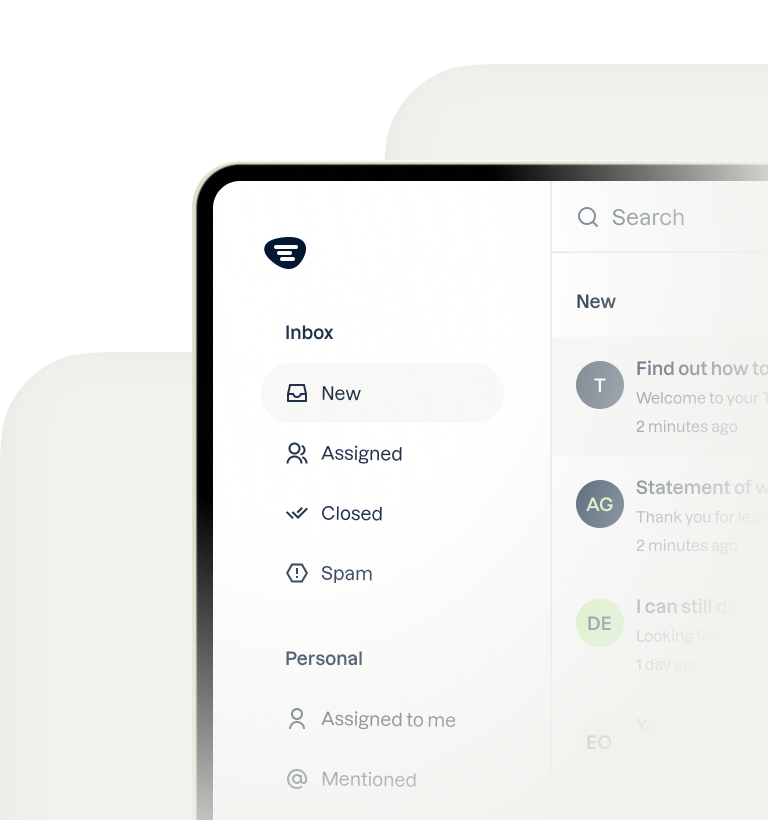
Keeping customers engaged in 2026 is harder than ever because people expect instant replies and personalised service wherever they reach you. One customer might message on WhatsApp, another could DM you on Instagram, while someone else is already waiting on live chat. The challenge is that customers don’t care which channel they use, they just want the same fast and consistent experience every time.
Research shows that 89% of people are more likely to buy again after a positive service experience, which means every conversation directly impacts your bottom line. The problem is that handling all these interactions manually is overwhelming, and even the best teams struggle to keep up. That’s why more businesses are moving to customer engagement platforms that centralise conversations, use AI to handle routine questions, and give teams more time to focus on real connections.
With the right platform, every chat, call, or message becomes an opportunity to build loyalty and grow your business. In this guide, we’ll break down the 9 best customer engagement platforms businesses trust in 2026 so you can see which one fits your needs.
What are customer engagement platforms and why are they essential?
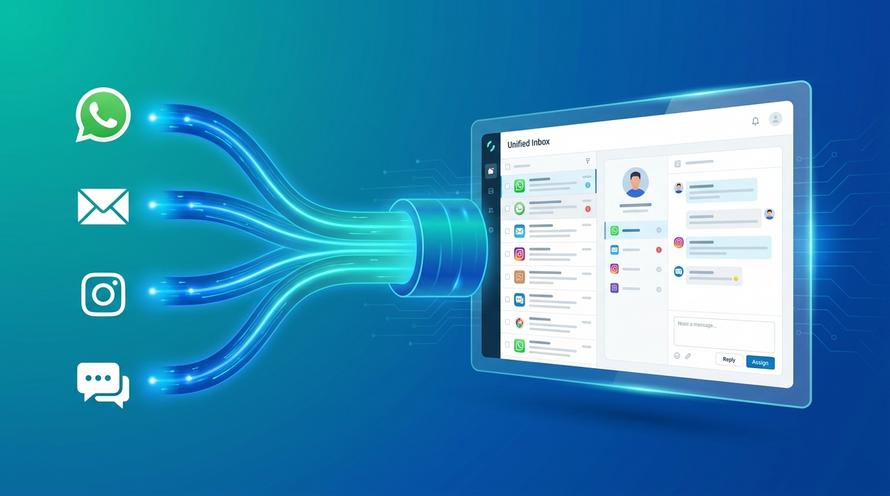
Customer engagement platforms are tools that bring every customer conversation into one place, which means teams no longer have to juggle between email, WhatsApp, Instagram DMs, and live chat. When all interactions sit in one hub, it becomes easier to track a customer’s history, reply quickly, and keep a consistent tone.
Once that foundation is set, the real power comes from automation and AI, which handle repetitive questions and direct conversations to the right people. That makes responses faster, workloads lighter, and customers happier.
In 2026, these platforms have grown far beyond old-school helpdesks, which means they don’t just react to problems but actively anticipate customer needs. AI can suggest answers, personalise recommendations, and even solve simple issues before an agent steps in. This shift has made them essential for any brand that wants to stay competitive, and the numbers prove it.
- Engaged customers are 90% more likely to return for another purchase
- They spend 60% more per transaction compared to less-engaged customers
- Businesses with strong engagement strategies see 23% higher revenue growth
- They also enjoy 18% better retention rates
These results show that customer engagement platforms directly drive growth, because every positive interaction builds loyalty and trust. And once businesses start collecting data from these conversations, they gain insights that reveal exactly what customers need.
- Track response times to see where delays happen
- Analyse satisfaction scores to measure service quality
- Spot recurring issues to fix problems at the root
- Use real-time data to improve campaigns and service
The real value is that decisions become data-driven instead of guesswork, which means brands can focus on building stronger relationships instead of constantly putting out fires. And for growing businesses, this makes scaling much smoother.
- Small teams can handle a larger volume of conversations without losing the personal touch
- Automation frees agents from repetitive tasks so they can focus on complex issues
- Customers still get the fast and personalised service they expect
- Businesses grow without sacrificing quality
So basically, customer engagement platforms in 2026 give companies the structure, insights, and efficiency to turn every interaction into an opportunity for loyalty and growth.
9 best customer engagement platforms businesses trust in 2026
After understanding why customer engagement platforms matter, let’s begin with the one that many businesses rank at the top for 2026.
1. Trengo
Trengo stands out as the best customer engagement platform for businesses seeking comprehensive omnichannel communication. Trengo is designed to bring all customer conversations into one central inbox so businesses can manage WhatsApp, email, Instagram, live chat, and phone calls without switching between tools. Every team member sees the same customer history, which ensures faster responses and consistent communication.
The platform stands out for its AI capabilities. AI HelpMate can answer repetitive questions in more than 25 languages with brand-consistent replies. AI Journeys let teams create automated workflows without code, such as sending welcome messages, routing technical issues to the right team, or triggering surveys after purchases. These features help businesses handle large volumes of conversations while maintaining a personal experience.
Trengo also improves team efficiency with advanced tagging and routing that assigns messages to the right person immediately. Managers gain access to detailed reports that track performance, measure sentiment, and highlight customer trends so decisions are backed by data.
Standout features
- Central inbox for email, chat, social media, phone, and WhatsApp
- AI HelpMate that resolves frequent queries with instant replies
- AI Journeys for building automated workflows in multiple languages
- WhatsApp Business API and local channel support
- Real-time team collaboration features
- Analytics and reporting for performance and sentiment tracking
What we liked
- Strong automation that reduces manual workload
- Smooth integration across multiple channels
- Simple interface that is easy for teams to learn
- Effective collaboration tools for large or growing teams
- Flexible API for customised setups
- Scales well with business growth
What we disliked
- Advanced features require some initial learning
- Pricing may be challenging for very small businesses
- Certain integrations need technical configuration
Trengo gives businesses the structure and tools to manage conversations at scale, improve team performance, and maintain high customer satisfaction.
2. HubSpot Service Hub
HubSpot Service Hub offers a comprehensive customer engagement solution that integrates seamlessly with their CRM ecosystem. The platform excels at providing complete customer journey visibility from first contact through ongoing support relationships.
Standout features:
- Integrated ticketing system with conversation routing
- Knowledge base creation and management tools
- Customer feedback surveys and NPS tracking
- Live chat with chatbot capabilities
- Detailed customer journey analytics
- Seamless CRM integration
What we liked:
- Excellent integration with HubSpot's marketing and sales tools
- Comprehensive reporting and analytics capabilities
- Strong knowledge base functionality
- Good automation options for routine tasks
What we disliked:
- Can become expensive with advanced features
- Learning curve for complex automation setups
- Limited customisation options compared to standalone tools
3. Zendesk
Zendesk remains a popular choice for businesses focused on traditional customer support excellence. The platform offers robust ticketing capabilities and has expanded to include more engagement-focused features.
Standout features:
- Advanced ticketing system with priority routing
- Multi-channel support including email, chat, and phone
- Comprehensive knowledge base and community forums
- Customer satisfaction surveys and feedback collection
- Robust reporting and analytics dashboard
- Mobile apps for agents on the go
What we liked:
- Mature platform with proven reliability
- Extensive app marketplace for integrations
- Strong security and compliance features
- Scalable architecture for growing businesses
What we disliked:
- Interface can feel dated compared to newer platforms
- Advanced AI features lag behind specialised competitors
- Pricing can escalate quickly with additional features
4. Intercom
Intercom focuses on conversational customer engagement through their messenger-first approach. The platform excels at creating personalised customer experiences through intelligent automation and targeted messaging.
Standout features:
- Messenger-based customer communication
- Behavioural targeting and segmentation
- Automated conversation flows and chatbots
- In-app messaging and product tours
- Customer health scoring and insights
- Integration with popular business tools
What we liked:
- Excellent user experience design
- Strong automation and personalisation capabilities
- Good integration ecosystem
- Effective onboarding and customer education tools
What we disliked:
- Higher pricing for advanced features
- Limited traditional ticketing capabilities
- Can be complex to set up properly
5. Salesforce Service Cloud
Salesforce Service Cloud offers enterprise-grade customer engagement capabilities with deep CRM integration. The platform is designed for large organisations requiring sophisticated customisation and scalability.
Standout features:
- AI-powered case management and routing
- Comprehensive CRM integration
- Advanced automation and workflow capabilities
- Multi-channel support including social media
- Detailed analytics and forecasting tools
- Extensive customisation options
What we liked:
- Powerful customisation and integration capabilities
- Strong AI and automation features
- Excellent scalability for large organisations
- Comprehensive reporting and analytics
What we disliked:
- Complex setup and configuration requirements
- High cost, especially for smaller businesses
- Steep learning curve for new users
6. Freshworks Customer Service Suite
Freshworks offers a user-friendly customer engagement platform that balances functionality with ease of use. The platform is particularly popular among growing businesses that need professional features without overwhelming complexity.
Standout features:
- Unified agent workspace across all channels
- AI-powered automation and chatbots
- Customer journey mapping and analytics
- Integration marketplace with popular tools
- Mobile apps for customer service teams
- Built-in time tracking and productivity tools
What we liked:
- Intuitive interface that's easy to learn
- Good balance of features and usability
- Competitive pricing for growing businesses
- Strong automation capabilities
What we disliked:
- Advanced customisation options are limited
- Reporting could be more comprehensive
- Some integrations require higher-tier plans
7. LiveChat
LiveChat specialises in real-time customer communication, offering excellent chat functionality with expanding engagement features. The platform is ideal for businesses prioritising immediate customer interaction.
Standout features:
- Advanced live chat with visitor tracking
- Chatbot builder with conversation flows
- Customer database and interaction history
- Performance analytics and reporting
- Mobile apps for agents and customers
- Integration with popular e-commerce platforms
What we liked:
- Excellent chat functionality and user experience
- Good customisation options for chat widgets
- Strong performance analytics
- Reliable uptime and fast response times
What we disliked:
- Limited functionality beyond chat features
- Higher pricing for advanced automation
- Fewer omnichannel capabilities compared to competitors
8. Sprout Social
Sprout Social excels at social media customer engagement, offering comprehensive tools for managing customer interactions across social platforms. The platform is perfect for businesses heavily focused on social media customer service.
Standout features:
- Comprehensive social media management and monitoring
- AI-powered social listening and sentiment analysis
- Unified social inbox for all platforms
- Content scheduling and publishing tools
- Detailed social media analytics and reporting
- Team collaboration features for social teams
What we liked:
- Excellent social media monitoring capabilities
- Strong analytics and reporting for social engagement
- Good team collaboration features
- Comprehensive content management tools
What we disliked:
- Limited functionality for non-social channels
- Higher pricing for comprehensive features
- Learning curve for advanced social listening features
9. Zoho Desk
Zoho Desk provides a comprehensive customer service platform that integrates well with the broader Zoho ecosystem. The platform offers good value for businesses already using Zoho products or seeking affordable yet functional solutions.
Standout features:
- Multi-channel ticketing and conversation management
- Knowledge base creation and management
- Customer satisfaction surveys and feedback tools
- Automation rules and workflow customisation
- Mobile apps for customer service teams
- Integration with Zoho's business suite
What we liked:
- Good value for money, especially within Zoho ecosystem
- Solid feature set for most business needs
- User-friendly interface and setup process
- Strong integration capabilities
What we disliked:
- AI features are less advanced than specialised competitors
- Limited customisation for complex workflows
- Fewer third-party integrations compared to market leaders
Must-have features of a customer engagement platform
When you are evaluating customer engagement platforms in 2026, the details matter. Every feature you choose impacts how quickly your team can respond, how smoothly your workflows run, and how satisfied your customers feel. Here are the essentials to look for.
Omnichannel communication management
Customers do not think about channels, they just message where it is most convenient. One might start on WhatsApp, switch to Instagram DMs, and later send an email about the same issue. A strong platform pulls all of these into one inbox so the agent sees the full history at once. For example, Trengo shows the complete conversation across WhatsApp, email, and live chat, so the customer never has to repeat details.
AI-powered automation and routing
With large volumes of enquiries, speed depends on automation. AI should be able to tag incoming messages as billing, shipping, or technical support and route them to the right team instantly. It should also auto-resolve routine questions like “Where is my order?” or “How do I reset my password?” Spotify uses this kind of automation in-app, and platforms like Trengo’s AI HelpMate resolve more than 80% of repetitive queries.
Real-time collaboration tools
Support often involves more than one agent, especially when the issue touches different departments. Features like internal notes, ticket transfers, and manager oversight keep responses consistent. Think of a retail brand where marketing, logistics, and customer service all need to jump into the same conversation, collaboration tools make that smooth instead of messy.
Comprehensive analytics and reporting
Every conversation produces data that can improve service. Platforms should track response times, first-contact resolution rates, and CSAT (customer satisfaction) scores. The best ones go further with predictive analytics that flag risks early, such as identifying a customer likely to churn. For instance, HubSpot’s analytics dashboards show where delays happen so teams can cut response times.
Integration capabilities
A customer engagement platform works best when it connects with the systems you already use. That means syncing with your CRM to pull customer data, linking with your e-commerce platform to check orders, and connecting with marketing automation tools for follow-ups. API access is also important because it lets you build custom integrations tailored to your business. Shopify brands, for example, often integrate engagement tools directly with their storefronts to give agents instant order details.
Mobile accessibility
Customers reach out at all hours, and agents cannot always be at their desks. Platforms with fully functional mobile apps allow support teams to reply to tickets, access customer history, and update cases from anywhere. Zendesk and Freshdesk both offer mobile apps where agents can resolve tickets on the go, which is essential for distributed or remote teams.
Customisation and workflow management
Every business runs differently, which means flexibility is non-negotiable. Look for features that let you set up custom fields, escalation rules, and branded customer-facing interfaces. For example, airlines can build workflows that automatically escalate flight change requests to a priority queue. This ensures that processes fit your exact business model while still keeping interactions consistent for the customer.
How to choose the right customer engagement platform
Selecting a customer engagement platform in 2026 starts with understanding how well the tool fits your current business needs. You then look at how easily it integrates with the systems you already use and whether it can support your growth over the next few years. Every factor you weigh influences service quality, team productivity, and overall business performance.
Business size and scalability
The size of your business should be the first consideration because it shapes what you actually need from a platform. Small businesses usually look for simple tools with affordable pricing and easy onboarding, while larger enterprises require advanced security, customisation, and integration options. What matters most is that the platform grows with you, so you do not need to switch or migrate after two or three years when your requirements expand.
Technical integration requirements
The next factor is how well the platform fits into your current technology stack. Most businesses already run tools like a CRM, e-commerce platform, marketing software, or accounting systems, and your engagement platform should connect with them seamlessly. When integration is poor, data gets stuck in silos, workflows slow down, and customers end up frustrated. Smooth integration ensures your team has full context at every stage of the customer journey.
Team size and structure
Your team setup will also influence the best choice. Smaller teams often need automation features that take care of repetitive questions so they can focus on priority requests. Larger organisations benefit from advanced routing, role management, and detailed performance tracking. You should also consider whether your business has technical staff available or if you need a platform that even non-technical team members can manage with ease.
Customer communication preferences
Every industry and audience communicates differently, so your platform should reflect what your customers actually prefer. B2B companies often lean on email and phone, while e-commerce brands see heavy demand on live chat, WhatsApp, and social media. Mapping out how your customers currently reach you helps ensure you invest in a platform that supports the right mix of channels.
Budget and return on investment
Pricing is important, but the real focus should be on long-term value. Subscription costs are only one piece of the puzzle. You also need to account for implementation, training, integration, and the time your team saves with automation. Sometimes higher-priced platforms deliver better ROI because they improve agent productivity and reduce churn, which saves money in the long run.
Compliance and security requirements
Data security cannot be overlooked, especially if you are in a regulated industry. A reliable engagement platform should meet strict compliance standards such as GDPR, SOC 2, or industry-specific certifications. These safeguards protect both your customers and your business from data breaches or regulatory risks.
AI and automation capabilities
Finally, automation is now a core factor rather than a bonus. The best platforms use AI to categorise incoming conversations, suggest relevant replies, and even resolve common queries without an agent. The goal is to reduce manual workload while still keeping interactions personal. Strong AI capabilities make your team faster and more efficient without compromising the customer experience.
Final words
The landscape of customer engagement continues to evolve rapidly, with artificial intelligence and automation transforming how businesses connect with their customers. The best customer engagement platforms in 2026 successfully combine cutting-edge technology with human expertise to create exceptional customer experiences that drive business growth.
Success in customer engagement demands a strategic approach that puts customer needs at the centre of every interaction. The most effective businesses use these platforms not just to respond to customer enquiries, but to proactively identify opportunities to add value, solve problems, and build lasting relationships.
As we look toward the future, the integration of AI and human expertise will become even more sophisticated. Platforms like Trengo are leading this evolution by empowering teams to build confidence in AI, allowing them to focus on delivering exceptional customer experiences. The result is happier customers, stronger business growth, and teams that feel equipped rather than overwhelmed.
When selecting a customer engagement platform, remember that the best choice is one that aligns with your specific business needs, integrates seamlessly with your existing tools, and scales with your growth ambitions. Take time to evaluate your requirements carefully, test platforms thoroughly, and consider the long-term implications of your decision.
The investment in a quality customer engagement platform pays dividends through improved customer satisfaction, increased retention rates, and enhanced team productivity. As customer expectations continue to rise, having the right platform becomes not just an advantage but a necessity for sustainable business success.
Ready to revolutionise your customer engagement strategy? Discover how Trengo's AI-powered omnichannel platform can transform your customer interactions and drive exceptional business results. Book your free demo today and experience the future of customer engagement firsthand.
Frequently Asked Questions (FAQs)
What are the best customer engagement platforms in 2026?
In 2026, leading customer engagement platforms include Trengo, Zendesk, Intercom, Freshworks, HubSpot, Salesforce Service Cloud, Kustomer, Drift, and LivePerson. Among these, Trengo stands out for combining multi-channel messaging, AI-driven automation, and seamless integrations—all from a single unified inbox.
Which customer engagement tools do businesses trust the most?
Businesses place the most trust in tools that are secure, scalable, and user-friendly. Platforms like Trengo are trusted because they centralise conversations across WhatsApp, social media, email, and live chat, while providing reliable automation and analytics.
How do customer engagement platforms improve customer experience?
They improve customer experience by offering faster response times, personalised interactions, and consistent communication across multiple channels. With Trengo, teams can manage all interactions in one place, ensuring no message is missed and every customer feels valued.
What features should I look for in a customer engagement platform?
Look for features such as:
- Multi-channel support (social, WhatsApp, email, live chat).
- Automation and AI chatbots.
- CRM and third-party integrations.
- Advanced analytics and reporting.
- Scalability for team collaboration.
Trengo provides all of these, making it a strong option for businesses of any size.
Which is the best customer engagement platform for medium-sized businesses?
For medium-sized businesses, Trengo is one of the best choices. It balances affordability with enterprise-level features, including automation, AI assistance, and integrations with tools like HubSpot, Salesforce, and Shopify—helping teams scale without overcomplicating workflows.
How do customer engagement platforms integrate with CRM and support tools?
Most platforms integrate directly with CRMs like HubSpot, Salesforce, or Zoho, as well as support systems like Zendesk. Trengo offers seamless integrations so that customer data, conversations, and support history flow smoothly across tools—helping teams work smarter and more efficiently.
What is the difference between a customer engagement platform and a CRM?
A CRM focuses on storing customer data, managing pipelines, and tracking sales activities. A customer engagement platform, on the other hand, manages real-time interactions across multiple channels. When combined—such as Trengo integrated with a CRM—businesses get both strong relationship management and excellent engagement capabilities.
Can AI-powered platforms boost customer engagement?
Yes. AI-powered platforms can personalise customer interactions, predict behaviours, and automate routine responses—leading to more relevant and timely engagement. Trengo’s AI features support smarter routing, sentiment detection, and conversational AI, helping teams scale engagement without losing the human touch.
What’s the role of automation in customer engagement platforms?
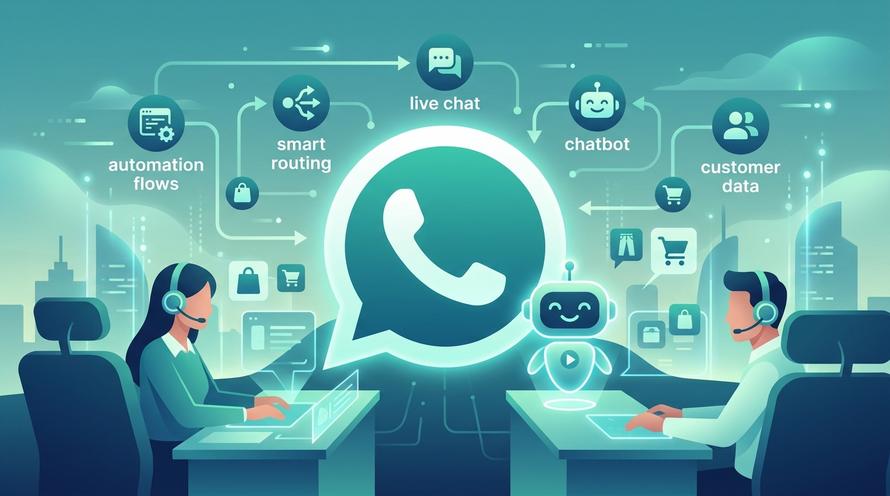
Automation reduces manual work by handling repetitive tasks like FAQs, appointment reminders, or lead qualification. In Trengo, automation flows and chatbots can respond instantly across WhatsApp, email, and social media—ensuring round-the-clock support while freeing teams to handle complex queries.
Are there customer engagement platforms that support WhatsApp, social, and email together?
Yes. Omnichannel platforms like Trengo allow businesses to manage WhatsApp, Instagram, Facebook, email, live chat, and more from a single inbox. This unified approach ensures consistent communication, better collaboration, and a seamless experience for both customers and teams.

Let's meet
Grow your business with loyalty. Bring all of your customer contact into one, single platform to unlock delight at every step of the way.