Chatbot trends 2026: the future of AI-powered conversations

Try Trengo for Free

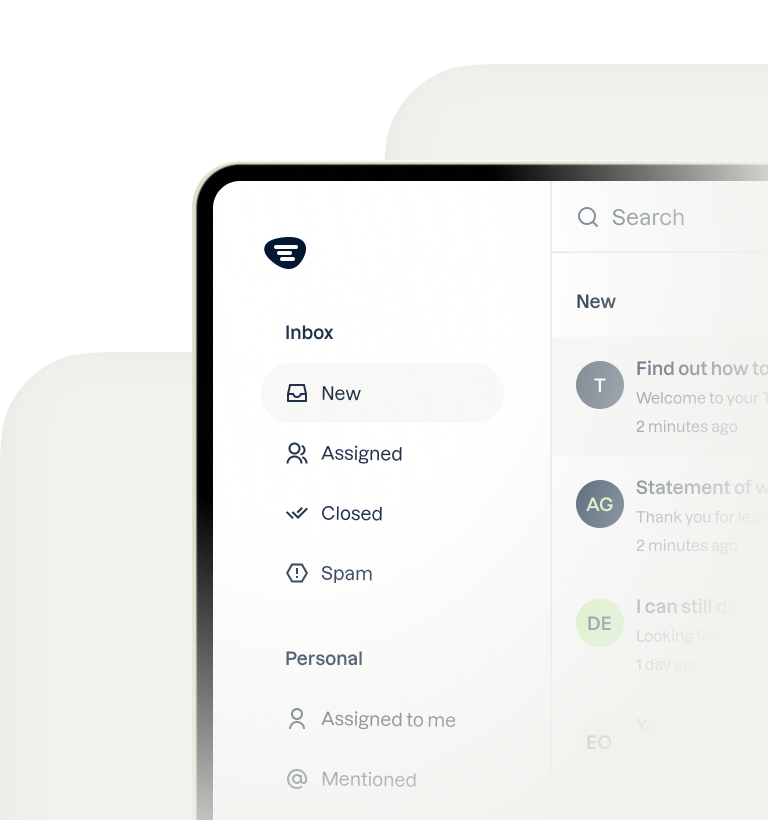
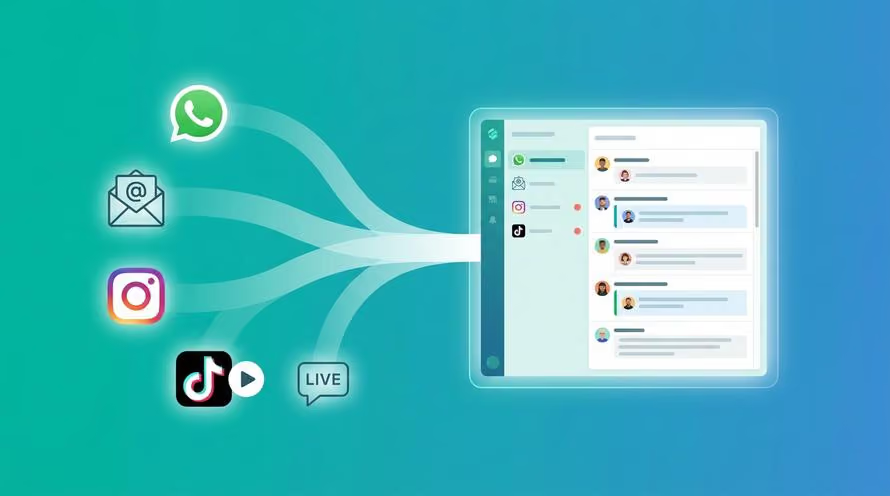
Trengo unites WhatsApp, email, web, social media, and calls in one inbox, saving your team hours of repetitive work and ensures no conversation is ever lost
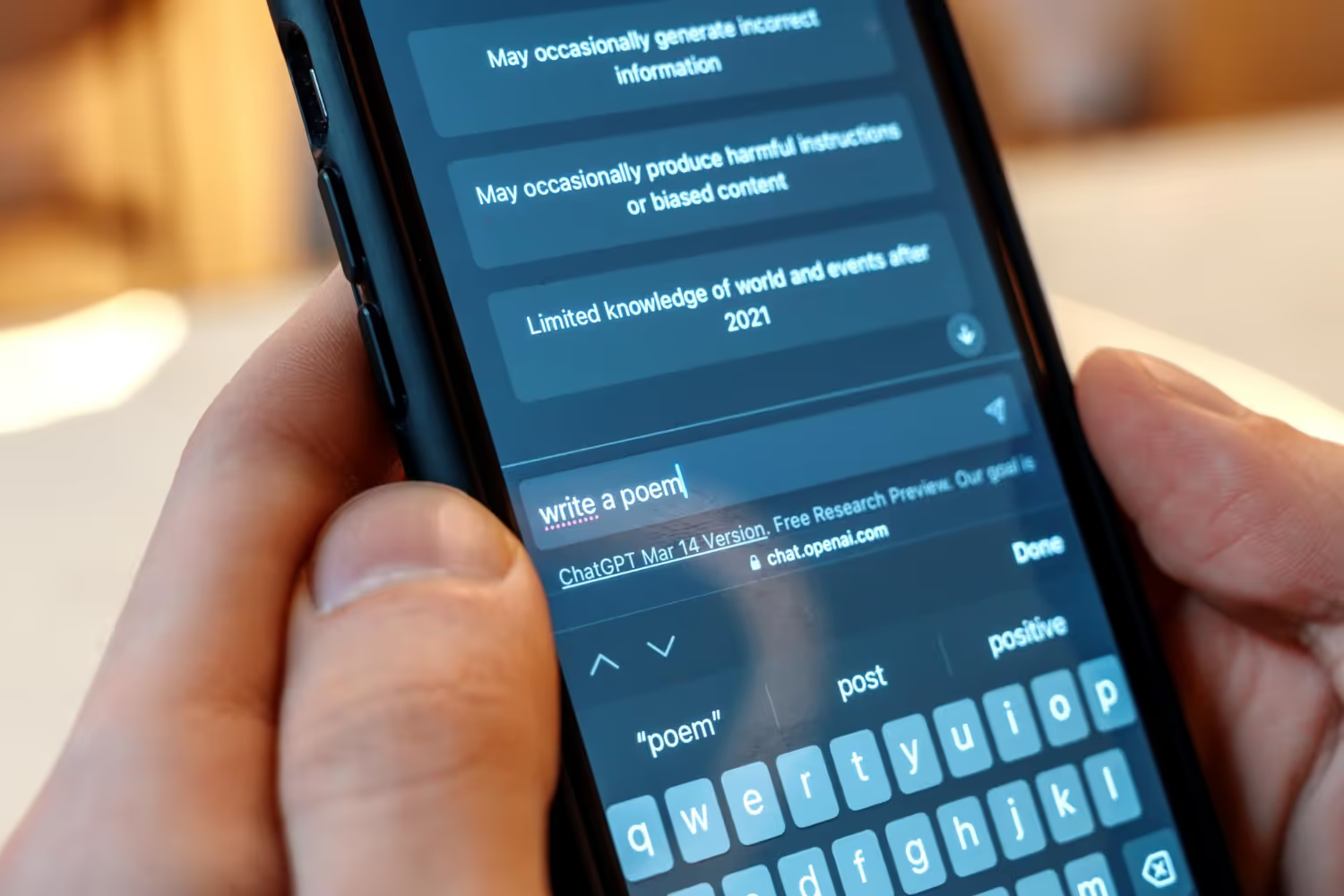
AI chatbot trends in 2026 are shaping the way businesses connect with their customers. These intelligent chatbots have grown beyond simple automated replies to become dynamic digital assistants. They understand context, offer natural conversations, and handle more complex tasks than ever before.
This evolution means chatbots aren’t just tools for customer service—they’re transforming how companies operate and engage with people. From retail and healthcare to education and finance, AI chatbots are becoming essential for improving customer satisfaction and streamlining workflows.
In this blog, you’ll discover the top AI chatbot trends to watch in 2026, what they mean for your business, and how you can take advantage of them to stay ahead in a fast-changing digital world.
Understanding where AI chatbots stand today
Before exploring where AI chatbot trends are heading in 2026, it’s worth taking a look at how far they’ve come. Chatbots have evolved from simple rule-based systems to powerful conversational agents capable of understanding intent, context, and emotion in real time.
From scripts to smart conversations
The early chatbot era relied heavily on fixed scripts and pattern recognition. But today’s advanced chatbots are driven by natural language processing (NLP), machine learning, and generative AI. This technological shift allows them to offer fluid, human-like conversations and perform actions directly within chat interfaces.
How businesses use chatbots Now
Modern AI chatbots are woven into daily business operations across industries:
- Customer support: Automating FAQs, ticket routing, and after-hours assistance
- Ecommerce: Recommending products, guiding purchases, and helping track orders
- Healthcare: Scheduling appointments and assisting with symptom checks
- Finance: Answering account-related questions and offering budget guidance
- Human resources: Supporting onboarding processes and employee queries
- Education: Assisting students with course information and deadlines
These bots can connect to backend systems, understand intent, and provide tailored responses—all within seconds. For example, an ecommerce chatbot might suggest accessories based on a customer’s last purchase or securely process a payment within the same chat.
The current challenges
While the capabilities of AI chatbots have grown rapidly, limitations remain. Many still struggle to interpret nuanced feelings or manage complex multi-step conversations. Maintaining consistent tone, switching contexts smoothly, and understanding human subtleties are ongoing challenges that developers aim to solve next.
As we move forward, the next wave of AI chatbot trends focuses on closing these gaps—creating more intuitive, emotionally intelligent, and adaptive conversational systems that feel naturally human.
How NLP is powering smarter chatbots
Natural language processing (NLP) continues to be the driving force behind the evolution of AI chatbots. As we move through 2026, major advancements in NLP have made chatbots more intuitive, emotionally intelligent, and capable of holding meaningful conversations. These systems can now interpret tone, sentiment, and even cultural nuances, bringing more natural human-machine interactions to life.
Simplifying AI development with low-code and no-code Tools
Thanks to low-code and no-code platforms, building AI chatbots is no longer limited to developers and data scientists. These tools empower teams of all skill levels to design, train, and deploy chatbots quickly—without complex coding. Through user-friendly interfaces, businesses can integrate advanced capabilities like sentiment detection and contextual understanding, allowing customer service agents to focus on high-value engagements instead of repetitive queries.
The rise of generative and contextual models
Breakthroughs in transformer-based models, such as GPT and similar architectures, have reshaped how chatbots interpret and generate language. By understanding context and intent with greater precision, these models reduce friction in conversations—users no longer have to repeat themselves or clarify questions. This leap in comprehension is making chatbots valuable for industries like healthcare, banking, and ecommerce, where personalized, real-time interaction matters most.
Smarter insights from sentiment and social listening
NLP isn’t just making chat interactions smarter; it’s also enhancing how brands monitor and understand their audience. Sentiment analysis and social media listening tools powered by NLP help organizations track brand perception, respond to feedback instantly, and manage reputation more effectively. From detecting customer frustration to flagging misinformation, AI chatbots are now part of a broader strategy to foster trust and transparency online.
Advancements in machine learning integration
The combination of supervised and unsupervised machine learning has further refined NLP accuracy. By learning from both structured and unstructured data, chatbots continuously evolve—improving their ability to respond naturally across different topics and use cases. This adaptive learning approach ensures that AI chatbots keep getting smarter, more relevant, and better suited for everyday business communication.
The rapid growth in NLP capabilities sets the foundation for the next generation of AI chatbot trends—paving the way for more human, empathetic, and efficient conversations between businesses and their customers.
New directions in AI chatbot innovation
AI chatbot trends in 2026 go far beyond smarter text exchanges. The latest wave of innovation opens up fresh opportunities for both businesses and users—transforming simple conversations into interactive, multi-modal experiences.
Smarter conversations with advanced language models
Powerful transformer-based models and few-shot learning techniques are making chatbots more versatile than ever. These advancements enable chatbots to learn new skills quickly, adapt to different industries, and understand complex or nuanced queries with little training. With ongoing progress in natural language processing, chatbots are now better at:
- Managing longer conversations and maintaining context
- Delivering contextually relevant, coherent responses
- Recognizing intent, even when questions are ambiguous
- Communicating across multiple languages—removing barriers for global audiences
Expanding capabilities: beyond text to voice and vision
The integration of voice technology is giving rise to voice-enabled chatbots and digital assistants that respond instantly to spoken requests. As speech recognition and synthesis become more accurate, chatbots fit seamlessly into hands-free environments, from smart homes to busy workplaces. Visual recognition capabilities are also evolving, allowing chatbots to understand images or scan documents—making support in sectors like retail, healthcare, and logistics more interactive and efficient.
Emotion detection and sentiment analysis
Understanding customer mood is essential for delivering a human touch. Enhanced sentiment and emotion analysis enable chatbots to respond with empathy—picking up on customer frustration, excitement, or confusion and tailoring responses accordingly. This level of emotional intelligence turns basic support sessions into opportunities for deeper brand connection.
Privacy-preserving AI and personalization
New privacy-preserving methods, like federated learning, help chatbots improve their accuracy without sharing user data externally. As AI learns at the edge, businesses can provide more personalized, secure experiences—matching recommendations or solutions to each customer’s needs without sacrificing privacy.
Integrating with emerging technologies
AI chatbots now work hand-in-hand with next-generation tech, dramatically expanding their roles:
- IoT devices: Control and monitor smart devices through seamless chat commands
- Augmented and Virtual Reality: Guide users with real-time visual overlays or immersive product walkthroughs
- Blockchain: Offer transparent, tamper-proof records for financial and legal queries
- 5G and Edge Computing: Power lightning-fast, responsive chat experiences — even for demanding, data-heavy applications
As these AI chatbot trends gain momentum, the boundary between technology and personal service continues to blur. The most successful businesses will embrace these tools not as simple support bots, but as essential partners in delivering richer, smarter, and more human experiences.
Unlocking opportunities with AI chatbots
As AI chatbot trends accelerate, they’re creating powerful opportunities for businesses across every sector. From cost optimization to customer engagement, chatbots are becoming indispensable tools for growth and innovation.
Driving efficiency and reducing costs
AI chatbots automate routine queries and repetitive tasks, allowing support teams to focus on more complex issues. This efficiency boost translates into major cost savings while maintaining round-the-clock availability. For instance, a company that deploys an AI-powered service bot can handle thousands of inquiries simultaneously without adding headcount—ensuring faster responses and better budget management.
Elevating the customer experience
Personalization is at the heart of modern chatbot success. With AI capable of recalling past interactions and understanding preferences, conversations feel more natural and meaningful. By providing proactive assistance and timely recommendations, chatbots help strengthen customer loyalty and build trust in the brand experience.
Turning conversations into insights
Every chatbot interaction generates valuable data. When analyzed, this data offers deep insight into what customers want, how they behave, and where they face challenges. Businesses can use these insights to refine marketing strategies, improve products, and design smarter workflows that meet real customer needs.
Scaling growth with ease
Unlike traditional support systems, chatbots can manage high volumes of communication without losing quality. Peak season or product launch? No problem—AI chatbots scale instantly to handle surges in inquiries, ensuring no customer is left waiting.
Creating new growth avenues
Businesses building tailored chatbots can turn their expertise into a service model—offering chatbot-as-a-service solutions to others. This approach opens new revenue streams while positioning the business as a leader in AI-driven technology adoption.
Staying ahead of the competition
Early adopters of next-generation chatbot solutions enjoy a clear competitive advantage. They provide instant, consistent, and intelligent interactions that raise service standards across their industries. As AI continues to evolve, those who adapt early will define the benchmarks for future customer engagement.
AI chatbots are no longer optional; they are a strategic investment in efficiency, personalization, and scalability. Companies that embrace this shift today are setting the stage for smarter, faster, and more human customer experiences tomorrow.
Looking ahead: top AI chatbot trends for 2026
The next chapter of AI chatbot trends promises even smarter, more adaptable digital assistants. Here’s what to expect across industries as chatbots make bigger impacts in business, support, and daily life.
Conversational AI powers advanced virtual assistants
Virtual assistants are evolving fast. In 2026, they will manage complex requests beyond answering basic questions—such as analyzing a user’s sentiment and suggesting solutions before problems escalate. Imagine a chatbot that recognises when a customer is frustrated and proactively offers a helpful tip, connects them with a specialist, or recommends self-care options. These levels of intelligence and empathy turn chatbots into genuine partners in productivity and wellbeing.
Human-like interactions get even better
As natural language processing advances, chatbots will respond in ways that feel truly human—capturing subtle context and emotional nuance. Handoffs to human agents will become seamless, but users may increasingly prefer to stay with AI for most queries. Sentiment recognition and emotion analysis will make chatbots more responsive, allowing brands to address concerns swiftly, track public sentiment, and strengthen relationships through every interaction.
Deepening roots in ecommerce and customer service
AI chatbots are set to become the backbone of ecommerce and customer support. By serving up personalised recommendations and remembering each customer’s preferences, chatbots will help shoppers find what they need faster. Round-the-clock intelligent support means happier customers and fewer missed sales, while human support teams can focus on more complex issues—using AI as an ally, not a replacement.
Payments and transactions become chat-first
The rise of digital payments will push chatbot capabilities even further. In 2026, customers can expect secure, smooth payment experiences right inside their chat conversation—whether they’re settling bills, booking services, or buying products. This frictionless process makes the customer journey faster and more intuitive, helping brands capture more business and build trust at every step.
The future of AI chatbots is geared toward deeper human connection, simpler experiences, and greater business value. Embracing these trends now means setting the stage for stronger, smarter, and more resilient customer relationships.
Overcoming key challenges in AI chatbot development
While AI chatbot trends for 2026 show enormous potential, several challenges remain before businesses can fully unlock their value. Building reliable, fair, and human-centric chatbots requires both technical precision and ethical responsibility.
Building ethical and unbiased AI systems
AI chatbots depend on large datasets to learn and improve, but those datasets can sometimes contain bias. This can lead to uneven or unfair responses—especially in fields like recruitment, finance, or healthcare. To overcome this, developers are adopting more diverse training data and continuous unbiased testing methods. Regular audits and transparent AI policies are also becoming essential to ensure fairness and trust.
Safeguarding user data and privacy
Chatbots often manage private data—customer details, billing information, or health records—making privacy and security a top concern. With evolving data protection laws such as GDPR and AI regulations, organisations must invest in encryption, access control, and secure data handling. Clear communication about how user data is stored and used builds confidence and keeps operations compliant.
Integrating with legacy and complex Systems
Many companies still rely on older, incompatible technologies that make chatbot integration difficult. Connecting modern AI systems to legacy databases or CRM software often requires additional development effort. Solutions like well-structured APIs, middleware tools, and cloud-based connectors are now helping bridge this gap—simplifying integration without disrupting workflows.
Managing context and real conversations
Despite major improvements, maintaining context and flow in long conversations continues to be a challenge. Chatbots sometimes lose track of intent or misinterpret complex questions. Advancements in dialogue management, memory retention, and contextual NLP training are helping chatbots stay accurate, consistent, and more “human” throughout extended interactions.
Maintaining transparency and user trust
As AI decision-making becomes more sophisticated, explaining how chatbots reach conclusions is increasingly important. Transparent design—where users understand why a chatbot provides a particular answer—enhances accountability and trust. Businesses adopting explainable AI models are setting new standards for responsible chatbot development.
Balancing realism and expectations
Creating chatbots that sound human is impressive, but it can also create unrealistic expectations. When users assume a chatbot can do everything a person can, disappointment follows. The key is to strike balance—design chatbots that are helpful, authentic, and clear about their capabilities without overpromising.
Addressing these challenges will require collaboration between developers, AI researchers, and policymakers. The effort is worthwhile: overcoming these obstacles will lead to more ethical, safe, and trustworthy AI chatbot solutions that serve both people and businesses effectively.
Final words
AI chatbot trends for 2026 are reshaping how businesses connect, support, and grow. With smarter natural language understanding, deeper personalization, and seamless integration, chatbots are set to become vital digital partners. Embracing these changes gives organisations a clear path to delivering more efficient service and meaningful customer experiences.
Curious how an AI chatbot can transform your business? Try a free demo with Trengo and experience the future of customer engagement for yourself.
Frequently Asked Questions (FAQs)
How are AI chatbots evolving with generative AI?
AI chatbots in 2026 are powered by generative AI and large language models (LLMs), moving far beyond rigid, rule-based responses. These new systems can hold natural, human-like conversations, understand context, and proactively address customer needs. Generative AI enables chatbots to automate complex tasks, personalise interactions, and even predict what a user might need next, setting a new standard for efficiency and customer engagement.
Are chatbots replacing human customer service in 2026?
Chatbots are automating many routine customer service tasks, such as order tracking, FAQs, and appointment booking, but they are not fully replacing human agents. Instead, businesses are using AI chatbots to handle repetitive queries and free up human staff for more complex, emotionally nuanced interactions. The most effective customer service strategies in 2026 combine AI chatbots (like those in Trengo) with skilled human teams, ensuring both speed and empathy.
What industries are leading in chatbot adoption this year?
Retail, e-commerce, travel, banking, healthcare, and telecoms are at the forefront of chatbot adoption. These sectors use chatbots for sales, support, marketing, and lead generation. For example, e-commerce companies use chatbots to recommend products and assist with purchases, while banks use them for account management and fraud alerts.
How are businesses using chatbots for marketing and sales?
Businesses are leveraging chatbots to engage website visitors, qualify leads, book demos, recommend products, and send personalised offers. Chatbots can nurture prospects through the sales funnel, answer product questions in real time, and even initiate conversational checkouts. Platforms like Trengo allow companies to deploy chatbots across multiple channels, including websites, WhatsApp, and Facebook Messenger, streamlining marketing and sales workflows.
What are the benefits of using conversational AI in chatbots?
Conversational AI chatbots offer 24/7 support, instant responses, and consistent information across channels. They reduce operational costs, improve customer satisfaction, and provide valuable insights into customer behaviour. By automating repetitive tasks, they free up human agents for higher-value work and help businesses scale support without increasing headcount.
How can I integrate AI chatbots into my website or app?
Most modern chatbot platforms, including Trengo, offer simple integration options, such as copy-paste code snippets, plugins for popular CMS platforms, or API connections. You can add chatbots to your website, mobile app, or messaging channels, and connect them to your CRM or knowledge base for personalised, accurate responses.
Are voice-based chatbots a growing trend?
Yes, voice-based chatbots are rapidly gaining popularity. In 2026, many companies are combining chatbots with voice assistants like Google Assistant, Alexa, and Siri. This trend enables users to interact with businesses using natural speech, making services more accessible and inclusive, especially across multilingual and global audiences.
How do chatbots personalise customer experiences today?
Chatbots use data from past interactions, browsing history, and user profiles to tailor conversations and recommendations. They can greet customers by name, suggest relevant products, and adapt their responses based on real-time context. Advanced platforms like Trengo enable deep personalisation across multiple channels, creating a seamless and engaging customer journey.
What platforms or tools are best for building modern chatbots?
Top platforms for building AI chatbots in 2026 include Trengo, Microsoft Bot Framework, Botpress, Sobot, and open-source solutions like Botkit. Trengo stands out for its omnichannel support, easy integration, automation features, and ability to manage chatbots across WhatsApp, Facebook Messenger, Instagram, Telegram, and more, all from a single dashboard.
Is chatbot automation improving customer satisfaction in 2026?
Absolutely. Businesses using AI-powered chatbots report faster complaint resolution, higher customer satisfaction scores, and significant cost savings. Chatbots can resolve up to 79% of routine queries, operate 24/7, and provide instant, accurate answers, leading to improved loyalty and trust among customers.



Let's meet
Grow your business with loyalty. Bring all of your customer contact into one, single platform to unlock delight at every step of the way.