Customer experience optimization: what it is and how to improve it


Try Trengo for Free

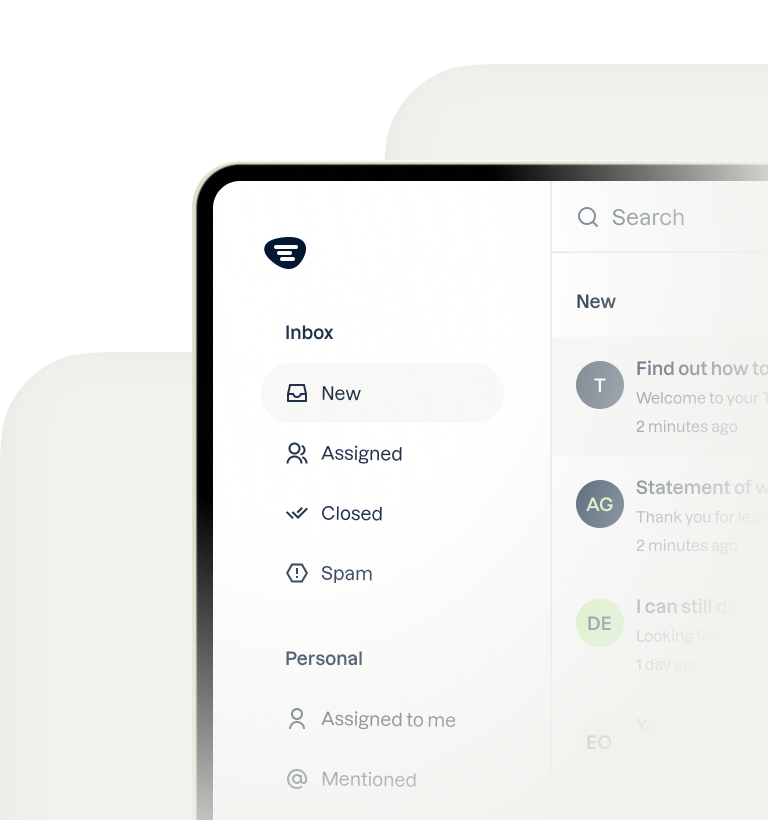
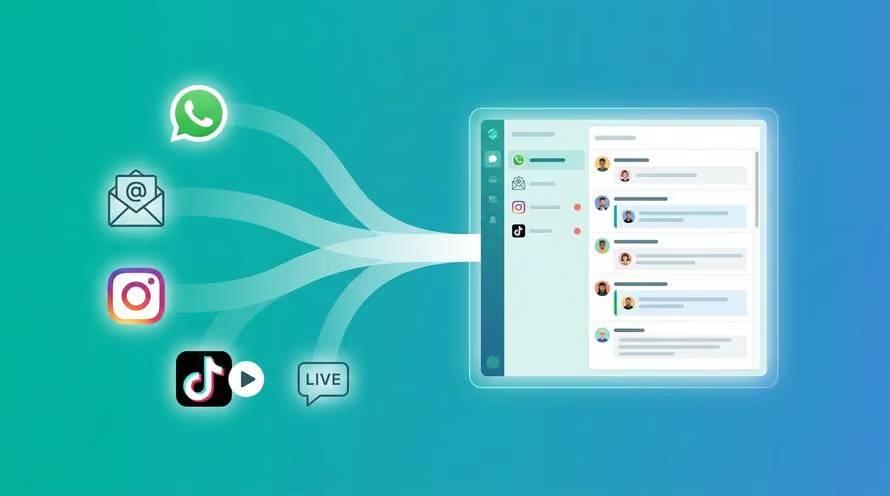
Trengo unites WhatsApp, email, web, social media, and calls in one inbox, saving your team hours of repetitive work and ensures no conversation is ever lost
Creating great customer experiences isn’t something you set up once and forget. Customer expectations shift quickly, technology evolves even faster, and teams often feel the pressure to keep up. That’s where customer experience optimization becomes essential. It helps you understand what matters most to your customers and gives you a structured way to improve it over time.
Strong experiences don’t just feel good for customers—they directly impact your business. Studies consistently show that people are more likely to recommend and stay loyal to companies that make their journey simple, supportive and predictable.
The good news is that improving CX doesn’t always require large projects or complex tools. Small, thoughtful changes can already make your customer journey smoother. Reviewing feedback, analysing everyday interactions and removing friction where possible can help you build momentum without overwhelming your team.
This blog will walk you through what customer experience optimization really means, why it matters and three practical tips you can start applying right away. Each tip is designed to help your team work smarter, stay connected with customer needs and create experiences that feel effortless from the very first interaction.
What is customer experience optimization?
Customer experience optimization is the process of improving every interaction a customer has with your brand. It helps you understand what customers need, reduce friction across touchpoints and create a journey that feels smooth, helpful and consistent.
To make it practical, customer experience optimization usually focuses on three areas:
Improving the digital experience
This covers how customers use your website or app. By reviewing behaviour and feedback, you can spot where people get stuck and make small improvements that help them move forward with confidence.
Improving the product experience
Here, the goal is to help customers get value from your product as quickly as possible. Clear onboarding, timely guidance and helpful prompts all contribute to a better overall experience.
Improving the communication experience
Your messages—whether via chat, email, sms or social—shape how customers feel about your brand. When communication is consistent and timely, it builds trust and reduces effort for your customers.
Why an omnichannel approach matters
Customers expect to move between channels without repeating themselves. An omnichannel setup gives your team the full conversation history, making every interaction smoother and more personal.
Why is customer experience optimization important?
Customer expectations are rising faster than most teams can keep up with. People want quick answers, seamless journeys and support that feels personal. When those expectations aren’t met, switching to a competitor takes only a few clicks. That’s why customer experience optimization is no longer optional—it’s essential for growth.
Stronger customer retention
When experiences feel smooth and consistent, customers stay longer and return more often. Loyal customers cost less to serve and typically spend more over time. Optimizing the journey—especially at key friction points—helps prevent churn and strengthens long-term relationships.
Higher revenue from existing customers
Positive experiences build trust, and trust drives repeat purchases. When customers feel valued, they’re more open to exploring new products, accepting recommendations or adding extras to their order. Small improvements across the journey can have a noticeable impact on average order value.
Lower acquisition costs
Happy customers talk. They share recommendations, post reviews and help shape your reputation without any added marketing spend. Customer experience optimization fuels this organic word-of-mouth, making it easier and more cost-effective to attract new customers.
A clear competitive advantage
Products and pricing can be copied—but experiences can’t. Brands that consistently deliver better experiences stand out in crowded markets and become the preferred choice. Companies that invest in customer experience tend to grow faster, retain more customers and build teams that are proud to contribute.
Key components of customer experience optimization
Customer experience optimization works best when every part of the journey feels connected, predictable and helpful. These core components give teams a clear foundation to improve experiences in a structured, meaningful way.
1. Map the customer journey
A customer journey map helps you see every interaction a customer has with your brand—from the moment they discover you to long after their first purchase.
It highlights which touchpoints feel smooth, where customers get stuck and where small improvements can create big wins.
A useful journey map includes:
- The steps customers take
- How they feel at each stage
- Common friction points
- Opportunities to delight
When you understand the complete journey, you can prioritise improvements that make the biggest impact.
2. Collect and analyse the right data
Strong customer experience optimization depends on reliable insights. Quantitative data (like conversion rates, response times or channel usage) shows what is happening. Qualitative feedback (such as surveys, reviews and chat transcripts) explains why it’s happening.
Together, they help you:
- Uncover patterns
- Understand customer behaviour
- Identify what needs to change first
Tools like Trengo’s inbox analytics give teams visibility into response times, conversation trends and customer satisfaction, making it easier to act on real data instead of assumptions.
3. personalise key touchpoints
Customers value interactions that feel relevant to their needs. Personalisation does not have to be complicated—it simply means using what you already know to improve their experience.
This can include:
- Tailoring recommendations
- Adjusting messaging based on behaviour
- Providing context-aware support
Even small personal touches make the experience feel more human and build trust over time.
4. Create a consistent omnichannel experience
Customers move between channels without thinking about it. They may start a conversation on Instagram, follow up via email and expect your team to have the full context.
An optimised omnichannel experience ensures:
- Consistent tone and messaging across channels
- No repetitive questions
- Seamless transitions between chat, email, social and phone
With Trengo, every conversation appears in one unified inbox, so teams always work with the full history and can offer a smooth, connected experience.
Steps to implement customer experience optimization
Once you understand the foundations of customer experience optimization, the next step is turning those insights into action. These steps give you a clear, structured way to improve experiences without overwhelming your team.
1. Assess your current experience
Start by reviewing how customers interact with your brand today. Map the entire journey—from first discovery to ongoing support—to understand where things feel smooth and where friction starts to appear. Explore customer feedback, support conversations, response times and recurring issues to get a realistic picture of the experience you’re currently offering. This process helps you see what customers actually go through, rather than relying on internal assumptions. A clear audit becomes your baseline for meaningful improvement.
2. Define a clear customer experience vision
A strong CX vision gives your team direction and alignment. It acts as a shared understanding of the experience you want customers to have each time they interact with your brand. Keep this vision simple, memorable and rooted in your brand values. When the whole organisation understands how customers should feel—supported, understood and guided—it becomes much easier to design processes and conversations that match that intention. This vision then becomes your north star, guiding decisions across marketing, sales, support and product teams.
3. Set measurable goals and meaningful KPIs
Once your vision is clear, define what success looks like and how you’ll measure it. Establish baseline data based on your current performance, then set achievable improvement targets. Focus on metrics that reflect real customer experience, such as satisfaction scores, effort levels, repeat contacts, response times and overall sentiment. These metrics give you a grounded understanding of whether your changes are actually improving the customer journey. Reviewing these indicators regularly helps you refine strategies and stay responsive to customer needs.
4. Implement improvements in manageable phases
Instead of trying to fix everything at once, introduce changes step-by-step. Start with fixes that are easy to implement and have immediate impact—such as simplifying reply templates, improving handovers or reducing repeated questions.
Test new ideas with a small customer segment before rolling them out wider. Train your team on new workflows so every customer receives a consistent experience.
Tools like Trengo help here by centralising conversations, automating routine steps and making new processes easy for your team to follow.
5. Monitor, refine and repeat
Customer needs change quickly, so ongoing refinement is essential. Set regular review cycles to look at what’s working and where adjustments are needed.
Use real customer feedback to guide decisions. Small improvements—like faster replies or clearer follow-up messages—often have the biggest impact.
With continuous iteration, your customer experience becomes stronger, smoother and more aligned with what customers need.
Customer experience optimization strategies that work
Once you understand what customer experience optimisation looks like, the next step is putting it into practice. These strategies help you make meaningful improvements without overwhelming your team.
Reduce friction wherever possible
A great experience often comes down to one simple idea: make things easier. When customers can complete a task with fewer clicks, questions or steps, their satisfaction rises naturally. Look for moments where customers get stuck or have to repeat themselves. Simplifying forms, improving navigation or clarifying instructions can make a noticeable difference.
Self-service tools also help reduce effort. A well-structured help centre, clear FAQs or an AI chatbot can answer common questions instantly and free your team to focus on more complex issues.
Improve your response times
Customers feel more confident when they know their message has been received. Even a quick automated acknowledgement can reduce stress and set expectations. From there, aim for consistent and predictable response times across all channels.
Automation inside Trengo, such as intelligent routing or priority queues, helps your team reply faster and stay organised. Faster responses lead to smoother conversations and fewer repeat questions.
Strengthen emotional connection
Tools and processes matter, but emotions shape how customers remember you. Train your team to acknowledge the customer’s situation, respond with empathy and show genuine interest. Small gestures—like proactive updates, clear follow-ups or personalised notes—can turn a simple interaction into a memorable moment.
Customers also connect deeply with brands that share their values. Use your communication to reinforce what you stand for and why it matters.
Use technology to support—not replace—human interactions
The right technology enhances the experience without removing the human touch. Chatbots handle routine questions, while a unified inbox keeps all conversations in one place. CRM integrations give your team the full context, so customers never need to repeat themselves.
In Trengo, every channel feeds into one platform. This means teams can switch from chat to email to WhatsApp without losing conversation history—leading to more efficient support and less frustration for customers.
Common customer experience optimization mistakes to avoid
Even with the best intentions, small missteps can undermine your optimisation efforts. Here are common pitfalls and how to avoid them.
Overlooking non-digital touchpoints
It’s easy to focus on website and app optimisation and forget channels like phone, in-store support or social messages. But customers judge their experience as a whole, not channel by channel.
A single poor interaction—whether in person or online—can shape their entire perception of your brand. Aim for consistency across every touchpoint.
Neglecting the employee experience
Customer experience improves when employee experience improves. If your team feels overwhelmed, under-trained or unsupported, it will reflect in customer interactions.
Provide training, tools and clear processes. Empower your team with the context they need to solve issues confidently. Measuring employee satisfaction alongside customer metrics helps you spot problems early.
Relying too heavily on surveys
Surveys offer valuable insights, but too many requests can cause fatigue and result in low-quality feedback. Customers may skip questions simply to finish the form quickly.
Balance surveys with passive data such as behavioural analytics, conversation trends, review monitoring and social listening. These methods help you understand what customers feel without interrupting their day.
Making changes without testing
What feels intuitive internally may not translate to customer behaviour. Rolling out major changes without testing can create friction or confusion.
A/B testing helps validate decisions on a smaller scale before full deployment. Measure both performance and satisfaction. A higher conversion rate is not a win if the experience becomes frustrating for customers.
Measuring customer experience optimization success
Improving the customer experience is only effective when you can clearly see the impact. Tracking the right metrics helps you understand what’s working, where friction still exists and which improvements matter most to your customers. Here are three core metrics to guide your optimisation efforts.
Net promoter score (NPS)
NPS reflects how likely customers are to recommend your brand to others. It’s a strong indicator of loyalty and long-term advocacy. Customers rate their likelihood on a scale from 0 to 10, and the combined score ranges from -100 to +100. Anything above zero suggests that you have more promoters than detractors.
Instead of focusing on single snapshots, track your NPS over time. Look for patterns—drops after specific changes or increases after improvements. This helps you understand which actions genuinely influence loyalty.
If you notice a rise in detractors, reach out to understand what went wrong. These insights often reveal issues that customers don’t surface through regular feedback channels.
Customer satisfaction score (CSAT)
CSAT measures how satisfied customers are with a specific interaction, such as a support reply, a delivery experience or a purchase. It’s a reliable way to assess individual touchpoints rather than the entire journey.
Keep CSAT surveys short—one or two questions is enough. Shorter surveys lead to more responses and more accurate insights.
You can also segment CSAT results by channel, product or customer type. This helps you identify where the experience feels strong and where additional optimisation is needed.
Customer effort score (CES)
CES indicates how easy or difficult it was for customers to complete an action, like resolving an issue or making a purchase. Lower effort usually signals higher loyalty—customers naturally stick with brands that make things simple.
Ask CES questions immediately after the interaction so the experience is still fresh. This gives you more accurate data.
When analysing results, focus on high-effort areas first. These often create the biggest frustrations and are also the best opportunities for meaningful improvement.
Future trends in customer experience optimization
Customer expectations evolve quickly, and the tools shaping customer experience are evolving just as fast. Here are the key trends that will influence how businesses optimise experiences in the coming years.
Smarter AI for deeper customer understanding
Artificial intelligence is moving beyond simple automation and starting to shape personalised, predictive experiences. AI models can now recognise patterns in behaviour, anticipate customer needs and surface recommendations before customers actively ask for help.
AI-powered chatbots are also becoming more capable, handling multi-step conversations and learning from past interactions. As voice assistants and smart speakers gain traction, brands will need to design experiences that feel natural across voice, chat and mobile.
Hyper-personalisation that adapts in real time
Customers increasingly expect experiences that feel tailored to them. Hyper-personalisation uses live behavioural signals—what customers click on, search for or hesitate over—to adjust content instantly.
Websites and apps that adapt in real time create journeys that feel more intuitive. But with increased personalisation comes the responsibility to stay transparent about data usage. Trust becomes a deciding factor in whether customers welcome or reject personalised experiences.
Sentiment-aware interactions
Understanding how customers feel is becoming just as important as understanding what they do. Sentiment analysis tools now evaluate tone, word choice and context to identify emotions like frustration or confusion.
This helps teams prioritise urgent cases, offer proactive support and tailor responses more empathetically. Some systems can even detect rising tension during calls or chats and notify supervisors before situations escalate. As technology evolves, emotional intelligence will play a larger role in guiding customer experience strategies.
Final words
Customer experience optimization isn’t a one-time project. It’s an ongoing commitment to understanding your customers, reducing friction and creating moments that feel genuinely helpful. When every interaction becomes easier, faster and more personal, customers reward you with loyalty—and your team feels more confident delivering great service.
By mapping journeys, acting on data and strengthening every touchpoint, you build an experience that stands out in a crowded market. And with the right tools, these improvements become scalable and sustainable.
If you want to see how Trengo can help you streamline conversations, personalise interactions and create a seamless omnichannel experience, you can request a free demo. Our team will walk you through the platform and show how customer experience optimization becomes much simpler with the right support.
Frequently Asked Questions (FAQs)
Why is customer experience (CX) so important for businesses today?
CX is essential because customers now expect fast, smooth and personalised interactions at every touchpoint. A strong experience increases loyalty, repeat purchases and positive word of mouth. Businesses that invest in CX stand out in competitive markets. Platforms like Trengo help by unifying communication and reducing friction across all channels.
What’s the difference between customer experience and customer service?
Customer service is one part of the overall experience and focuses on direct support interactions. Customer experience covers the entire journey—from discovery to purchase to aftercare. CX includes service, product usability, communication, and emotional impact. Tools such as Trengo support both by offering seamless interactions across channels.
What steps can a business take to optimise the customer experience?
Key steps include mapping the customer journey, removing bottlenecks, improving communication, and offering self-service options. Regular feedback collection and quick issue resolution also strengthen CX. Trengo supports this by centralising messages, automating workflows and improving response times.
What role does personalisation play in customer experience optimisation?
Personalisation helps customers feel understood and valued. Tailored recommendations, relevant messages and context-aware support make interactions smoother and more meaningful. With Trengo, teams can use customer history and AI-powered suggestions to personalise responses at scale.
How can small teams improve customer experience without extra resources?
Small teams can optimise CX by automating simple tasks, using shared templates, and prioritising high-impact improvements. Clear communication, fast replies and consistent service make a big difference. Trengo enables small teams to work efficiently through automation, shared inboxing and AI assistance.
What are examples of brands delivering excellent customer experiences?
Brands that excel in CX combine fast communication, intuitive products and proactive support. They offer personalised journeys and make problem-solving effortless. Many growing ecommerce and SaaS brands use tools like Trengo to deliver this level of experience across WhatsApp, email, chat and social channels.
What customer data should I track to improve the experience?
Useful data includes customer behaviour, response times, common questions, satisfaction scores, purchase patterns and journey drop-offs. Tracking message trends also reveals friction points. Trengo provides analytics that help teams understand these patterns and act on them quickly.
How do omnichannel tools improve customer experience?
Omnichannel tools keep conversations connected across every platform, so customers never need to repeat themselves. They also ensure consistent service quality and faster responses. Trengo’s unified inbox brings WhatsApp, email, chat and social messages together to create a seamless experience.
How can AI improve customer experience in real time?
AI can detect intent, prioritise urgent enquiries, suggest helpful responses and even trigger proactive messages. It helps teams respond faster and more accurately while keeping interactions personal. Trengo uses AI to support real-time communication, making every touchpoint smoother and more efficient.



Let's meet
Grow your business with loyalty. Bring all of your customer contact into one, single platform to unlock delight at every step of the way.