12 customer engagement strategies to boost your business conversions


Try Trengo for Free

Trengo unites WhatsApp, email, web, social media, and calls in one inbox, saving your team hours of repetitive work and ensures no conversation is ever lost
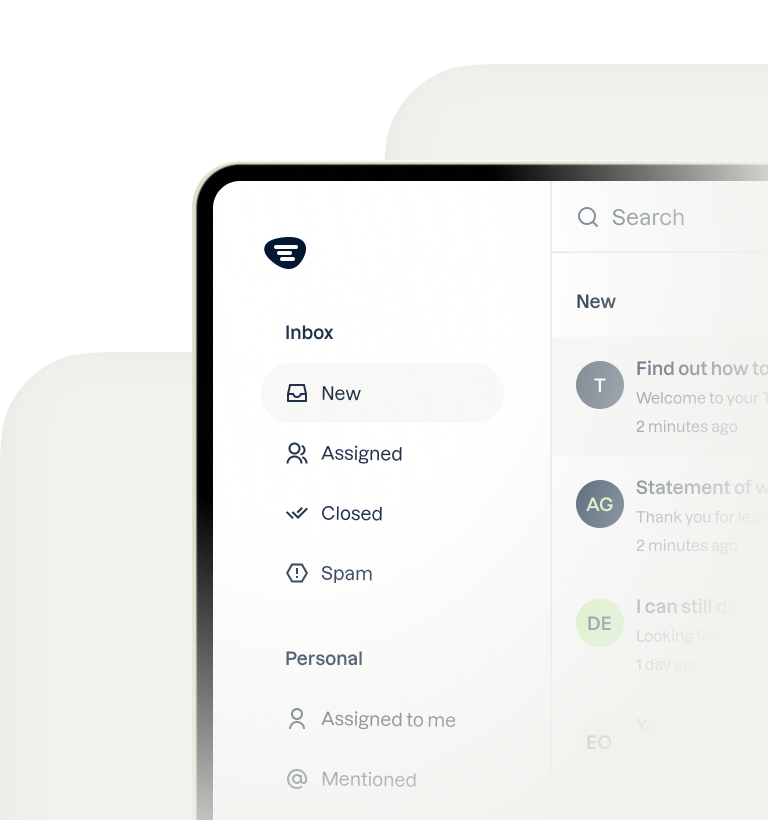
Building connections with customers is more than just driving sales—it’s about creating loyal relationships that last. Strong customer engagement strategies help turn quick interactions into meaningful moments that move people closer to a purchase. When you engage customers with relevance and consistency, every exchange becomes a chance to understand their needs, build trust, and inspire action.
In this blog, we’ll explore practical customer engagement strategies that not only boost your conversions but also strengthen the long-term relationship between your brand and its audience.
Understanding customer engagement strategy
A customer engagement strategy is a structured plan that helps businesses build ongoing, meaningful relationships with their audience. It defines how you interact with customers across all communication channels—whether through your website, social media, email, or live chat—to create value at every touchpoint.
When well-designed, a customer engagement strategy feels natural and consistent. It doesn’t just react to customer needs; it anticipates them. Each interaction is shaped to be relevant, personalised, and helpful—turning casual visitors into long-term supporters of your brand.
Benefits of implementing a customer engagement strategy
A well-planned customer engagement strategy is more than a marketing effort—it’s a business growth tool. It empowers teams to understand, connect, and communicate with customers in meaningful ways across every channel. When engagement becomes part of your daily process, it positively impacts everything from customer satisfaction to revenue growth.
Improves the customer experience
Every interaction shapes how customers perceive your brand. By engaging customers at the right moment and through the right channel, you create experiences that feel personal and relevant. This consistency builds trust and makes customers more likely to return and recommend your business.
Strengthens customer relationships
People choose brands they trust. By staying connected beyond a single purchase, your business nurtures relationships that last. Instead of one-time buyers, you build loyal advocates who believe in your product and appreciate the value you offer.
Encourages referrals and positive feedback
Happy customers naturally share positive experiences with friends, colleagues, and online communities. When your engagement efforts exceed expectations, this word-of-mouth marketing becomes a powerful driver of new customer acquisition and brand credibility.
Keeps businesses customer-focused
Effective engagement strategies keep the spotlight on the customer. By listening to feedback, tracking behaviour, and acting on insights, businesses can tailor experiences that meet customer needs rather than pushing generic promotions. This approach ensures communication always adds value.
Supports long-term business growth
Building trust and connection creates a solid foundation for sustainable growth. Loyal customers spend more, return often, and contribute to steady revenue over time. When engagement becomes part of your business culture, growth becomes more predictable and stable.
12 Proven customer engagement strategies to boost Your Conversions
Building customer connections takes intention and consistency. The right engagement strategies help you better understand your audience, communicate value, and strengthen trust at every step of their journey. Here are five proven strategies to start with.
1. Share your brand story and purpose
Customers connect best with brands that have a clear purpose. Share your journey, mission, and the values behind what you do. When customers see the “why” behind your brand, they understand your story and feel more attached to it. Use your story to build emotional connections and show customers how they’re part of your success.
2. Personalize every interaction
No two customers are the same, so your approach shouldn’t be either. Use insights from past interactions, preferences, and behaviour to tailor your communication. This could be as simple as sending personalized messages, product suggestions, or follow-ups that reflect what matters most to them. When done right, personalization helps customers feel recognised and valued.
3. Listen actively and respond with intention
Engagement begins with listening. Pay attention to what customers say through feedback forms, social media comments, or support conversations. Acknowledge their opinions and respond thoughtfully. When customers notice that you listen and act on their input, they gain more confidence in your brand and become more open to future interactions.
4. Create helpful and relevant content
Customers look for solutions, not just products. Offer content that educates, inspires, and helps them make confident decisions. From short videos and blog posts to quick guides or customer stories, share resources that add value. Regularly review your content performance to ensure it still meets customer needs and remains relevant to current trends.
5. Co-create plans with your customers
Engagement works best when it’s a two-way process. Involve your customers in building solutions or service plans that meet their goals. This collaborative approach not only fosters trust but also helps align expectations early on. When customers feel included in decisions, they’re more likely to stay committed and satisfied.
6. Provide meaningful value through free resources
Reward loyal customers and attract new ones by offering something of genuine value—something that helps them do their job better or make smarter decisions. This could be a free guide, a live product demo, or access to a helpful webinar. Offering free, useful content builds goodwill and gives potential customers a preview of the value your brand delivers.
7. Engage actively on social platforms
Social media is a direct line to your customers. Use it to build relationships, not just to promote. Respond to comments, answer questions, share customer stories, and highlight community initiatives. These genuine interactions make your brand approachable and help create a sense of trust and belonging among your audience.
8. Collect and act on customer feedback
Listening to customer feedback is one of the most powerful engagement tools available. Collect insights through surveys, reviews, and direct interactions, then use them to improve your products or services. When customers see you act on their input, it shows that you value their voice and are committed to improving their experience.
9. Host virtual or in-person engagement events
Events give customers a chance to see your brand in action. Whether it’s a webinar, Q&A session, or online workshop, events offer value beyond the product itself. They help customers learn, connect with your team, and share experiences with others in the community—all while deepening their trust in your brand.
10. Build a customer success hub
Support doesn’t end after a purchase. A customer success hub gives customers easy access to resources, FAQs, and self-help guides so they can find quick answers. It also helps your team manage inquiries efficiently while showing customers that you care about their ongoing success.
11. Use the right engagement tools
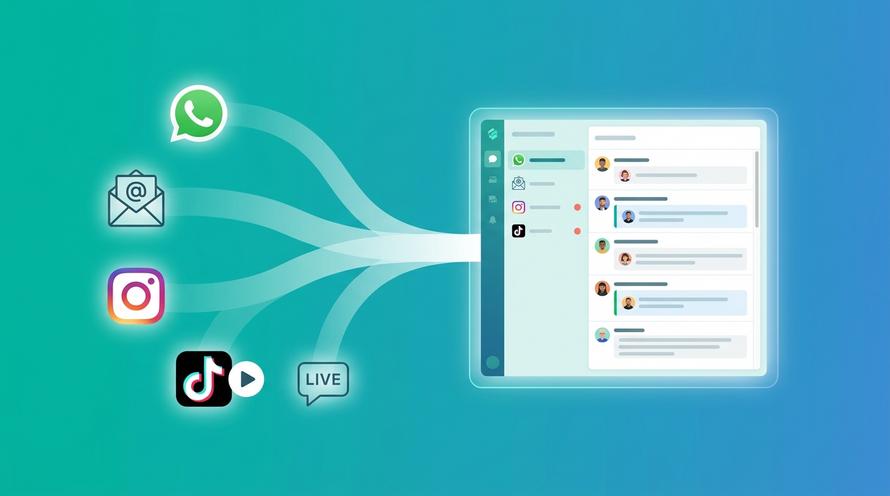
A customer engagement platform like Trengo helps you manage all conversations in one place. From automating repetitive tasks to tracking sentiment and improving response times, these tools enable consistent, meaningful communication across every channel. The result is a smoother experience for both your team and your customers.
12. Share knowledge through educational content
Customers value brands that help them learn and grow. Publish practical content that solves real problems—such as how-to articles, webinars, or workshops. Educational material builds your credibility and positions your brand as a trusted partner, not just a service provider.
Tips for effective customer engagement strategy implementation
Turning engagement strategies into real results takes thoughtful planning and ongoing effort. Follow these practical tips to make sure your approach creates meaningful connections and supports business growth.
Know your audience deeply
Start with a clear picture of who your customers are. Use surveys, feedback forms, and market research to understand their preferences, goals, and challenges. This helps you deliver solutions and messages that truly matter to them.
Set specific goals for engagement
Outline what you want to achieve with each strategy. Use frameworks like SMART to keep goals clear and measurable. For example, you might aim to “increase personalised support chat sessions by 30% within three months” to drive higher satisfaction and repeat business.
Select the best channels for your audience
Choose communication platforms that match where your customers spend time—think social media, instant messaging, email, or your website. Use data to focus your efforts and deliver a consistent experience wherever your customers interact with your brand.
Personalise every experience
Use customer data to tailor communications and offers. Segment your audience and send messages or recommendations based on their habits and preferences. Personalization helps customers feel understood and increases engagement rates.
Adapt, test, and improve regularly
Customer needs change, so your strategies should too. Set up a feedback loop by monitoring reviews, running A/B tests, and tracking engagement metrics. This lets you make informed adjustments and keep your approach fresh and effective.
Top 3 customer engagement platforms to consider
Choosing the right customer engagement platform can transform how you connect with your audience and boost conversions. Here are three leading platforms built to help businesses deliver seamless, personalised experiences at scale.
Trengo
Trengo is a powerful all-in-one customer engagement platform designed to unify conversations across multiple channels—such as WhatsApp, email, social media, and live chat—into a single inbox. Its AI-driven features include intelligent message routing and automated responses that free up your team’s time and ensure prompt service. Trengo’s workload balancing helps distribute conversations evenly among agents, improving efficiency and customer satisfaction. With integrations that connect your CRM and other tools, Trengo supports a smooth workflow. Its simple interface and robust analytics provide actionable insights to optimise customer interactions continuously.
Zendesk
Zendesk is a well-established platform popular for its comprehensive customer support solutions. It offers ticketing, self-service portals, and omnichannel messaging that lets teams manage customer requests from email, chat, social media, and phone in one place. Zendesk’s automation tools help prioritise tickets and guide customers through efficient support paths. While it excels at structured support workflows, it may require more setup to unlock personalisation and multi-channel marketing features compared to all-in-one platforms like Trengo.
Freshdesk
Freshdesk provides an integrated customer engagement platform focusing on multichannel communication and automation. It supports email, chat, phone, and social media interactions with features to manage team collaboration and automate routine tasks. Freshdesk includes AI-assisted chatbots that can handle common queries and escalate complex issues to agents. Though strong in support ticket management, businesses looking for more direct sales engagement tools and deeper AI capabilities might find platforms like Trengo offer broader functionality designed for growth and conversions.
Measuring the impact of your customer engagement strategy
Tracking the outcomes of your customer engagement strategy is essential for staying relevant and driving growth. Regular measurement enables you to understand what’s working, make informed changes, and connect better with your customers.
Set clear metrics for engagement
Begin by identifying key performance indicators (KPIs) that relate directly to customer happiness and business objectives. Useful KPIs include:
- customer satisfaction score (CSAT): shows how happy customers are after each interaction
- net promoter score (NPS): indicates how likely customers are to recommend your brand
- customer lifetime value (CLV): measures total revenue a customer will generate for your business
- customer churn rate: tracks the percentage of customers who stop using your services over time
- customer engagement score: combines activity across channels, like site visits, emails opened, and chat sessions
- social media engagement: monitors likes, shares, comments, and mentions to assess your reach and impact
Analyse, adapt, and improve continuously
Gather data from surveys, feedback forms, and automated reports to spot trends and areas for improvement. Run A/B tests on communications, offers, or channels to see what resonates best. Use a closed-loop approach—always acknowledge and address customer feedback, and let customers know how you’re acting on it. This demonstrates that you value their opinions and helps you refine your strategy over time.
For example, an online business trying personalised messages might track open rates, clicks, and purchases, then use A/B tests to optimise for better engagement and sales.
Final words
Strong customer engagement strategies help you connect with your audience, increase customer loyalty, and drive business success. By taking thoughtful steps to understand your customers and delivering value at every touchpoint, you set your brand apart and lay the groundwork for lasting growth.
Ready to see these strategies in action? Book a free demo with Trengo today and discover how our platform can help you build meaningful relationships and boost your conversions.
Frequently Asked Questions (FAQs)
How do I improve customer engagement for my online business?
To boost customer engagement online, focus on creating meaningful, interactive experiences across all touchpoints. Use personalised content, social media polls, quizzes, and live webinars to encourage participation and feedback. Implement live chat and chatbots for instant support. Platforms like Trengo allow you to manage conversations from WhatsApp, email, and social channels in one place, ensuring quick responses and a seamless experience. Regularly share helpful resources, celebrate customer milestones, and encourage user-generated content to build loyalty and community.
How do I create a customer engagement plan?
Start by defining your engagement goals, such as increasing loyalty, driving sales, or improving satisfaction. Map the customer journey to identify key touchpoints and opportunities for interaction. Segment your audience to tailor engagement strategies for different groups. Develop an omnichannel approach, ensuring consistent communication across email, social media, and live chat. Use analytics to track engagement and refine your plan over time. Tools like Trengo help centralise customer data and automate engagement campaigns, making it easier to execute and measure your strategy.
How can I personalise customer engagement at scale?
Personalisation at scale starts with consolidating customer data from all channels into a single view, often via a CRM or customer engagement platform. Use segmentation to deliver targeted messages, offers, and recommendations based on customer behaviour, preferences, and history. Trengo enables you to automate personalised interactions across multiple channels, such as sending tailored product suggestions or follow-up messages after purchases. AI and automation further streamline this process, allowing you to deliver relevant experiences to thousands of customers efficiently.
What tools or platforms can help automate customer engagement?
Leading platforms include Trengo, Intercom, Zendesk, and Userpilot. Trengo excels by offering an omnichannel inbox, AI-powered chatbots, automated ticket assignment, and seamless integrations with your CRM and e-commerce tools. These platforms automate repetitive tasks, trigger personalised messages, and provide actionable analytics, freeing your team to focus on building relationships and resolving complex issues.
How can I use chatbots or live chat to boost customer engagement?
Chatbots and live chat provide instant, 24/7 support, answer FAQs, and guide customers through their journey. Trengo’s AI chatbots can resolve up to 80% of routine queries automatically, while live chat enables real-time, personalised conversations. Both tools increase satisfaction, reduce response times, and encourage customers to interact more frequently with your brand.
Are there different strategies for B2B customer engagement?
Yes, B2B engagement often focuses on building long-term relationships, providing value through educational content, and offering proactive support. Strategies include hosting webinars, creating detailed onboarding experiences, and using account-based marketing. Personalisation is key—segment clients by industry or needs and tailor communications accordingly. Data-driven platforms like Trengo help B2B teams centralise communication, automate follow-ups, and track engagement across all channels, supporting complex sales cycles and ongoing partnerships.



Let's meet
Grow your business with loyalty. Bring all of your customer contact into one, single platform to unlock delight at every step of the way.