What Is Ecommerce Personalization? Strategies & Benefits

Try Trengo for Free

Trengo unites WhatsApp, email, web, social media, and calls in one inbox, saving your team hours of repetitive work and ensures no conversation is ever lost
What Is Ecommerce Personalization?
Summary
Effective ecommerce personalization involves dynamically tailoring the entire shopping journey to individual users based on their data and behavior. This article explores actionable ecommerce personalization strategies for 2026, from smart segmentation and AI-driven recommendations to unified omnichannel communication. We'll cover key benefits, real-world examples, and the essential software needed to create a personalized ecommerce experience that boosts conversions and enhances customer loyalty.
TL;DR
- Ecommerce personalization uses customer data to tailor the shopping experience, including product recommendations, content, and messaging.
- Key benefits include higher conversion rates, increased Average Order Value (AOV), and improved customer retention.
- Core strategies involve customer segmentation, dynamic on-site content, AI-powered recommendations, and personalized omnichannel communication.
- Real-world leaders like Amazon and Sephora demonstrate the power of recommendation engines and unified online-offline experiences.
- A unified communication platform is essential for gathering data and delivering consistent, personalized interactions across all channels.
- The right technology stack, including a central communication hub, is crucial for executing personalization at scale.
Ecommerce personalization is the practice of creating tailored experiences for visitors to an online store. It involves dynamically showing content, product recommendations, and specific offers based on an individual's browsing behavior, purchase history, demographics, and other personal data. In 2026, this goes far beyond simply using a customer's first name in an email. It’s about understanding their intent and needs in real-time to make their shopping journey as relevant and seamless as possible. Modern customers not only appreciate but expect this level of attention; studies consistently show that a majority of consumers are more likely to buy from brands that offer a personalized ecommerce experience.
Personalization vs. Customization: What's the Difference?
It's common to confuse these two terms, but the distinction is important. Personalization is done for the user by the system. For example, when Amazon's algorithm shows you products "inspired by your browsing history," that's personalization. The system is proactively tailoring the experience for you. Customization, on the other hand, is done by the user. This happens when a customer configures a laptop with more RAM, chooses a specific color for a t-shirt, or sets their communication preferences. In short, personalization is automated and predictive, while customization is manual and user-driven.
The Core Benefits of a Personalized Ecommerce Experience
Implementing a robust ecommerce personalization strategy delivers significant returns for your business. The importance of personalization in ecommerce isn't just about making customers feel special; it's about driving tangible business results. Here are the core benefits:
- Increased Conversion Rates and AOV: By showing customers products they are more likely to be interested in, you reduce friction in the buying process and make it easier for them to click "add to cart." Relevant cross-sells and upsells also naturally increase the average order value (AOV).
- Enhanced Customer Loyalty and Retention: A personalized ecommerce experience makes customers feel understood and valued. This emotional connection builds trust and transforms one-time buyers into repeat customers who are less likely to switch to a competitor.
- Improved Customer Experience: Personalization helps customers find what they're looking for faster. It cuts through the noise of an overwhelming product catalog, creating a smoother and more enjoyable shopping journey that keeps them coming back.
- Better Product Discovery: Recommendation engines can introduce customers to products they might not have found otherwise. This not only increases sales but also helps you move a wider range of your inventory.
Ecommerce Personalization Strategies
Creating a truly personalized experience requires a multi-faceted approach. Here are some of the best ecommerce personalization strategies you can implement to engage customers and drive growth in 2026.
Leverage Smart Customer Segmentation
Effective personalization starts with understanding that your audience isn't a monolith. Customer segmentation is the process of dividing your customer base into groups based on shared characteristics. While demographic and geographic segmentation are useful starting points, the real power lies in behavioral segmentation. Grouping users based on actions like new vs. returning visitors, high-spenders, recent purchase frequency, or cart abandoners allows you to tailor your messaging and offers with incredible precision.
Implement Dynamic Content and On-Site Personalization
Your website shouldn't look the same to every visitor. Dynamic content allows you to change what users see on your site based on their segment or behavior. This can include personalized homepage banners welcoming back a returning customer, pop-ups offering a discount to a first-time visitor, or a "recently viewed items" widget to make it easy for shoppers to pick up where they left off. This creates a fluid and relevant on-site journey for every single user.
Power Up with AI-Driven Product Recommendations
This is a classic personalization tactic and a cornerstone of modern ecommerce. Using artificial intelligence, you can automate highly relevant product suggestions. Common recommendation types include "customers who bought this also bought," "inspired by your browsing history," and "trending products in your area." This is a key application of AI in e-commerce personalization, helping customers discover products they'll love. For a closer look at the available technologies, explore some of the best AI tools for ecommerce stores on the market.
Personalize Email and Omnichannel Messaging
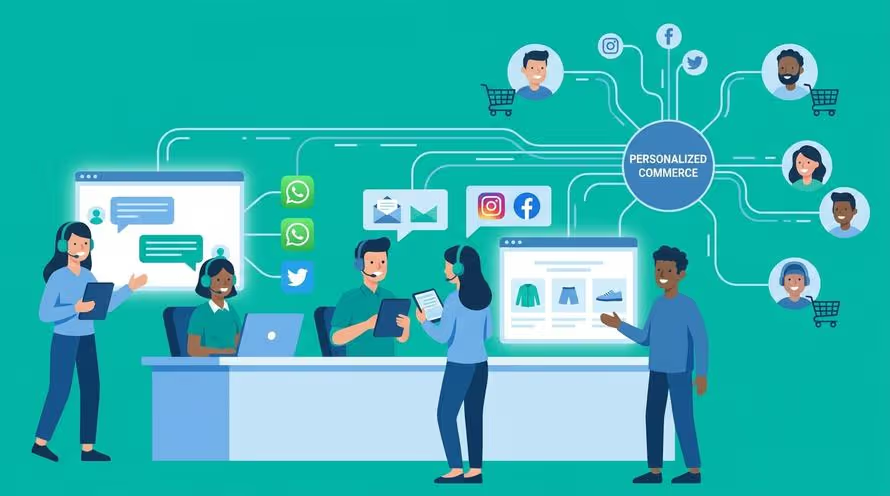
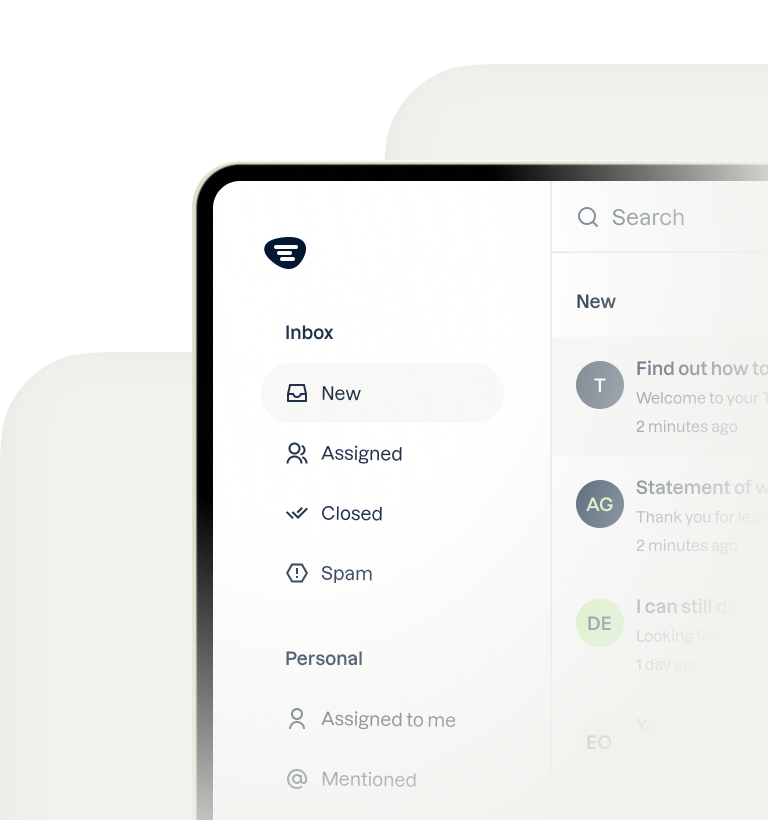
Personalization must extend beyond your website. Your communication strategy is where you can build deep, lasting relationships. This includes sending personalized abandoned cart reminders with the specific items left behind, post-purchase follow-ups that offer tips on using a new product, and targeted promotional messages. Critically, customers today interact on a wide array of channels, from Email and WhatsApp to Instagram DMs. To deliver a consistent, personalized message, you need a unified view of all these conversations. This is where Trengo's Omnichannel inbox becomes essential, centralizing every interaction to give you the context needed for true omnichannel personalization.
Offer Personalized Pricing and Discounts
For a more advanced level of personalized commerce, consider tailoring your pricing and promotions. This can be as simple as sending a special discount code to a loyal customer on their birthday or offering a unique welcome discount to a new visitor who arrived from a specific marketing campaign. These gestures show you're paying attention to the individual customer journey and can be highly effective at driving conversions and fostering goodwill.
Real-World Personalization Examples
The best way to understand the power of personalization is to see it in action. These well-known brands have set the standard for what a great personalized experience looks like.
Amazon: The Master of Recommendation Engines
Amazon is arguably the pioneer of large-scale ecommerce personalization. Its recommendation engine is legendary, analyzing massive amounts of data—from past purchases and browsing history to items in your cart—to power its "Recommended for you" and "Frequently bought together" sections. This relentless focus on surfacing relevant products is a key driver of its success.
Netflix: Tailoring the Entire User Interface
While a subscription service, Netflix's personalization model is a masterclass for any online business. It doesn't just recommend what to watch; it personalizes the entire user interface. Based on your viewing history, Netflix will even show you different thumbnail artwork for the same movie or show, testing which image is most likely to make you click play. This demonstrates a deep, dynamic understanding of user preferences.
Sephora: A Seamless Omnichannel Experience
Sephora excels at bridging the gap between online and offline shopping. Through its Beauty Insider loyalty program, it connects a customer's online browsing history, wish lists, and past purchases with their in-store activity. This allows Sephora to offer highly relevant product suggestions and targeted offers across all touchpoints, from its mobile app to in-person consultations, reinforcing the power of a unified omnichannel strategy.
eCommerce Personalization Softwares
Implementing these strategies requires the right technology. No single tool can do it all; instead, businesses rely on a "tech stack" of specialized software to deliver a comprehensive personalized experience.
The Personalization Tech Stack
A typical ecommerce personalization stack includes several categories of tools working in harmony. On-site Personalization Engines (like Dynamic Yield) are used to change website content in real-time. Dedicated Recommendation Engines (like Nosto) focus specifically on powering product suggestion widgets. And Customer Data Platforms (CDPs) are used to collect and unify customer data from multiple sources to create a single, coherent customer profile.
The Central Role of Communication Platforms
Even the most sophisticated on-site tools will fall short if your customer communication is generic and siloed. Every support ticket, WhatsApp query, social media message, and email is a rich source of data and an opportunity to personalize. This is why a central communication platform is not just part of the stack—it's the engine that powers it. A platform like Trengo brings all customer conversations from every channel into a single, unified view. This gives your support and marketing teams the context they need to have rich, personal conversations that build loyalty. When personalization is embedded in your communication, it becomes a core part of your overall e-commerce marketing strategies.
With the right communication setup, you can also improve your e commerce customer experience with Trengo by creating faster, more relevant conversations across every customer touchpoint.
The journey to effective ecommerce personalisation is continuous, powered by a deep understanding of your customers. By unifying every conversation, you gain the insights needed to delight them at every turn. Ready to turn every customer conversation into a personalized experience? See how Trengo’s smart inbox can help you unify your communication and delight your customers. Start your free trial today.
Frequently Asked Questions (FAQs)

Personalization is done by the system for the customer. For example, an online store automatically recommends products based on browsing behavior. Customization is done by the customer, such as choosing a product color, size, material, or communication preference.
AI can analyze customer behavior, purchase patterns, and engagement data to deliver more accurate product recommendations, targeted messages, and real-time support. It helps ecommerce brands personalize experiences at scale without manually adjusting every customer journey.
Ecommerce personalization software can include product recommendation engines, customer data platforms, on-site personalization tools, email marketing platforms, and omnichannel communication platforms. Together, these tools help businesses collect customer insights and deliver more relevant experiences across the full shopping journey.


Let's meet
Grow your business with loyalty. Bring all of your customer contact into one, single platform to unlock delight at every step of the way.