Understanding the ecommerce customer journey: stages, mapping and optimisation


Try Trengo for Free

Trengo unites WhatsApp, email, web, social media, and calls in one inbox, saving your team hours of repetitive work and ensures no conversation is ever lost
Understanding the ecommerce customer journey has become essential for any brand that wants to create meaningful and memorable experiences. Buyers now move quickly between channels, expect immediate support, and make decisions based on how easy and enjoyable each interaction feels. Even one moment of friction can cause them to abandon a purchase or switch to a competitor.
Customers who enjoy a smooth journey are far more likely to trust a brand, return for future purchases, and recommend it to others. And in a fast-paced ecommerce environment, these positive experiences compound over time and directly influence growth.
The challenge for most teams is knowing where the journey feels confusing, slow, or disconnected. But with a clear understanding of each stage, paired with the right tools and insights, you can create a more thoughtful path for your customers.
In this blog, we’ll walk through what the ecommerce customer journey looks like today, why it matters, and how you can improve it with practical steps you can start using immediately.
What is the ecommerce customer journey?
The ecommerce customer journey describes the full path a customer takes with your brand, from the moment they first discover you to the experiences they have after placing an order. It includes every interaction along the way — browsing, comparing products, asking questions, checking out, and returning for support or future purchases.
Understanding this journey helps you see where customers feel confident, where they hesitate, and what ultimately influences their decisions. When you know what each stage looks like, you can remove friction, add clarity, and create an experience that feels consistent across all channels.
At its core, the ecommerce customer journey becomes much easier to understand when your customer data is connected. When information is scattered across different tools, you only see isolated moments. But when browsing behaviour, order history, and conversations come together in one place, you get a complete view of how customers move from interest to purchase — and what encourages them to return.
This single source of truth helps you tailor communication, anticipate needs, and build experiences that feel smooth from start to finish.
The key stages of the ecommerce customer journey
Understanding the stages of the ecommerce customer journey helps you see how customers move from discovering your brand to becoming loyal supporters. Each stage has its own purpose, touchpoints, and opportunities to build trust.
Awareness: when customers first discover your brand
The journey starts when someone becomes aware of your brand or realises they need a solution you offer. This could come from social media content, recommendations, search results, or an ad that captures their attention.
At this stage, your goal is simple: spark interest and make it easy for people to learn more. Many ecommerce teams pair awareness efforts with soft lead-capture tactics such as newsletter prompts, discount codes, or early-access offers. These small moments help you turn curiosity into a direct relationship, so you can continue the conversation later.
Consideration: when customers explore their options
Once customers know who you are, they start comparing. They browse your website, read reviews, and look at alternatives. They want reassurance that your product fits their needs.
Automation plays a helpful role here. Smart tools can support customers while keeping the experience personal and relevant, such as:
- product suggestions based on what they viewed
- emails triggered by browsing behaviour
- retargeting ads that highlight items they considered
- helpful chatbots that answer questions in real time
These touchpoints reduce friction and guide customers towards a confident decision.
Acquisition: when interest becomes a purchase
This is the moment a shopper becomes a paying customer. A smooth checkout experience is essential here. If customers encounter confusion, slow loading, or unnecessary steps, it can interrupt the journey.
Clear payment options, transparent delivery expectations, and minimal form fields help customers complete their purchase with confidence. Small improvements at checkout often lead to higher conversions and stronger first impressions.
Service: supporting customers after the purchase
The relationship doesn’t end once a customer checks out. They may need help tracking an order, making a return, or understanding how a product works. Responsive support — through email, live chat, social messaging, or self-service tools — plays a vital role in how they judge their experience.
AI-powered chatbots can resolve simple questions instantly and hand more complex issues over to human agents. This reduces waiting time and helps teams stay productive without sacrificing quality.
Loyalty: where long-term relationships are built
Loyal customers return more often, spend more over time, and advocate for your brand. Even though loyalty is the final stage of the journey, it is one of the most valuable.
Customers at this stage may leave reviews, recommend your brand to others, or explore more of your product range. By continuing to deliver great experiences — such as personalised offers, clear communication, or helpful post-purchase guidance — you increase the likelihood that they will keep coming back.
What is a customer journey map?
A customer journey map is a simple visual that shows how customers move through their experience with your brand. It outlines each step they take — from discovering your store to browsing, buying, getting support, and returning.
A clear journey map helps you understand where customers come from, what they want at each stage, and how long it takes them to progress. It also highlights key behaviours across different segments, so you can see where people hesitate, drop off, or move forward smoothly.
By mapping moments across all touchpoints — your website, social channels, emails, and support conversations — you get a complete view of how customers interact with your brand and where improvements will have the most impact.
Steps to map customer journeys with data
Understanding your ecommerce customer journey becomes much easier when you use data to guide your decisions. Instead of trying to design the “perfect” journey all at once, focus on mapping how your most important customer groups behave at each stage. This helps you see what matters to them, where they hesitate, and what nudges them forward.
A helpful starting point is to identify a few customer personas based on real behaviour. Look at recent buyers or loyalty programme members and explore why they chose your brand, how they compared alternatives, and what their experience was like across your website and channels. This gives you a grounded view of their motivations and expectations.
Once you have these insights, you can begin mapping the journey using a structured, data-informed approach.
Step 1: Understand how customers navigate your store
Start by observing how people naturally explore your website. Look at which pages they visit first, where they pause, and where they drop off. Tools like funnel reports, path analysis, or session replays can help you see the journey from their perspective.
It’s also important to look at different customer segments. First-time visitors behave differently from returning buyers. Loyal customers browse in a different pattern compared to people still comparing brands. Segmenting this data helps you spot patterns that would be hidden otherwise.
As you review this behaviour, you’ll start recognising which pages support awareness, which pages help customers compare options, and which pages help them move confidently towards checkout. These insights guide your journey map and show you where improvements will make the most impact.
Step 2: Identify the channels that influence decisions
Customers rarely move in a straight line from discovery to purchase. They switch between platforms — social media, search, your website, email, marketplaces — before they make a decision. Analysing your top conversion paths helps you understand which channels matter most at each stage.
For example, social media may be where people discover your products, while email reminds them to return, and your website helps them compare options. When you understand this sequence, you can tailor your content accordingly — inspirational storytelling on social, product education on your website, and timely prompts through email.
This channel-level insight also helps you adjust your strategy. If customers rely on social to learn more about your brand, focus on posts that build trust rather than only promoting discounts. If returning customers convert more often through email, optimise that experience with clearer offers and personalised recommendations.
Step 3: Design the journey around real expectations
Once you understand how customers behave and which channels influence their decisions, you can begin tailoring the journey to support them better. Use your first-party data to personalise storefronts, highlight relevant products, and simplify the buying process.
Self-service tools like order tracking, wishlists, and saved carts also reduce effort and help customers feel more in control. For lifestyle-driven brands, you can even personalise page layouts based on interests — for example, showing hiking gear to outdoor shoppers or beauty bundles to skincare enthusiasts.
From here, testing becomes essential. Try different types of content, offers, and messages at each stage. Experiment with educational content versus direct promotions. Test variations in your remarketing journeys. Small changes can have a meaningful effect on conversions and loyalty.
By grounding these decisions in data, you create a customer journey that feels thoughtful, intuitive, and tailored to each shopper — without overwhelming them.
Why does the customer journey matter?
Understanding the ecommerce customer journey is more than a mapping exercise — it’s a practical way to improve how people experience your brand from the moment they discover you to long after they buy. When you look at the journey through your customer’s eyes, you uncover what feels smooth, what feels confusing, and what needs more attention. This clarity helps you take meaningful action instead of guessing.
Improve flow and reduce unnecessary steps
A well-mapped journey highlights the points where customers slow down, repeat actions, or abandon the process altogether. These friction points often go unnoticed internally. By spotting where the flow becomes too long or too complex, you can simplify steps, remove interruptions, and make it easier for customers to reach their goal without effort.
Build experiences that match real customer behaviour
Every customer navigates differently — some take time to compare options while others move quickly from discovery to purchase. A clear journey view helps you design an experience that works for most people, not just the ideal scenario your team imagines. This leads to experiences that feel natural, intuitive, and aligned with how customers actually shop.
Understand what your customers value
Mapping the journey forces you to look closely at customer motivations, preferences, and frustrations. This creates a deeper understanding of what drives their decisions and what gets in the way. When you base improvements on real behaviour rather than assumptions, your customer experience becomes far more relevant and helpful.
Set clear, realistic goals for growth
A structured journey map gives your team a solid foundation for setting measurable goals. You can align business priorities with what customers actually need — whether that’s faster support, better product discovery, or a smoother checkout. This combination of human insight and data helps you make decisions that support long-term growth.
Prepare for future improvements
As your business evolves, your products, services, and customer expectations will change too. Understanding the journey helps you plan ahead with confidence. You can adapt new ideas, test new channels, and refine your strategy based on a clear picture of where customers start, where they hesitate, and where they convert.
Identify and reduce customer pain points
Every online store has hidden friction points that impact conversions. These pain points only become obvious when you look at the journey from start to finish. Once you identify them, you can address the underlying issues — improving clarity, reducing effort, and building a more dependable experience.
How to build ecommerce customer journey map?
Creating an effective ecommerce customer journey map starts with understanding how people truly experience your brand. Instead of assuming how customers think or move across touchpoints, you collect real behaviour, emotions, and feedback to shape a journey that feels intuitive and supportive. Here’s how to approach the process with clarity and impact.
Step 1: See the journey from the customer’s point of view
Start by stepping outside your role and experiencing your brand the same way a customer would. Search for your products using different keywords, read reviews or online mentions, and walk through your own website as if you’re comparing options for the first time.
As you move through each step, note what feels natural, what sparks hesitation, and where the experience could be smoother. This exercise helps you reconnect with the real decision-making moments your customers face every day.
Step 2: Use real customer research to validate the journey
Next, gather insights from the people who matter most—your customers. Create small focus groups, interview loyalty programme members, or review past behaviour trends. Ask participants to find and evaluate one of your products without guiding them.
By observing their search paths, interactions, and choices, you uncover what customers actually do (not what you expect them to do). Compare these findings with your own walkthrough. This gives you a well-rounded view of how customers discover, compare, and engage with your brand.
Step 3: Understand what each touchpoint really means
Once you have a broader perspective, analyse what each customer action reveals about their needs and expectations. Look for touchpoints that feel confusing, slow, or inconsistent. Identify where people feel confident and where they lose motivation.
Your goal is to ensure every interaction—whether it’s your website, social channels, reviews, or ads—helps customers move forward with clarity. This is where you begin shaping your engagement strategy.
Step 4: Identify goals, emotions, and pain points
A journey map becomes useful when it highlights what customers want, what frustrates them, and what moments influence their decisions. Use your research to capture insights such as:
- What customers are trying to achieve at each stage
- Which steps feel reassuring or confusing
- What pain points slow them down or stop them completely
This gives your team a clear foundation for improving the journey and aligning every touchpoint with real customer expectations.
Step 5: Turn insights into a visual journey map
Finally, translate everything you’ve learned into a visual map that’s easy for your team to understand and act upon. This could be a simple diagram showing key stages, goals, emotions, and barriers.
Larger teams may choose to create separate maps for specific areas, like social channels or support interactions. What matters most is that your map provides a shared understanding of how customers engage with your brand and where improvements are needed.
How ecommerce stores can improve their customer journey?
Improving the ecommerce customer journey often starts with clarity. Once you’ve mapped the journey and identified gaps, the next step is acting on those insights in a way that feels simple, natural, and valuable for your customers. Below are practical ways to elevate the experience at every stage—paired with how Trengo can support you along the way.
Build meaningful touchpoints across the entire journey
A strong customer journey is built on intentional touchpoints that guide people from discovery to loyalty. These touchpoints might include an ad that captures interest, a product page that answers key questions, or a checkout flow that feels effortless. Each one should serve a clear purpose and remove friction, not create it.
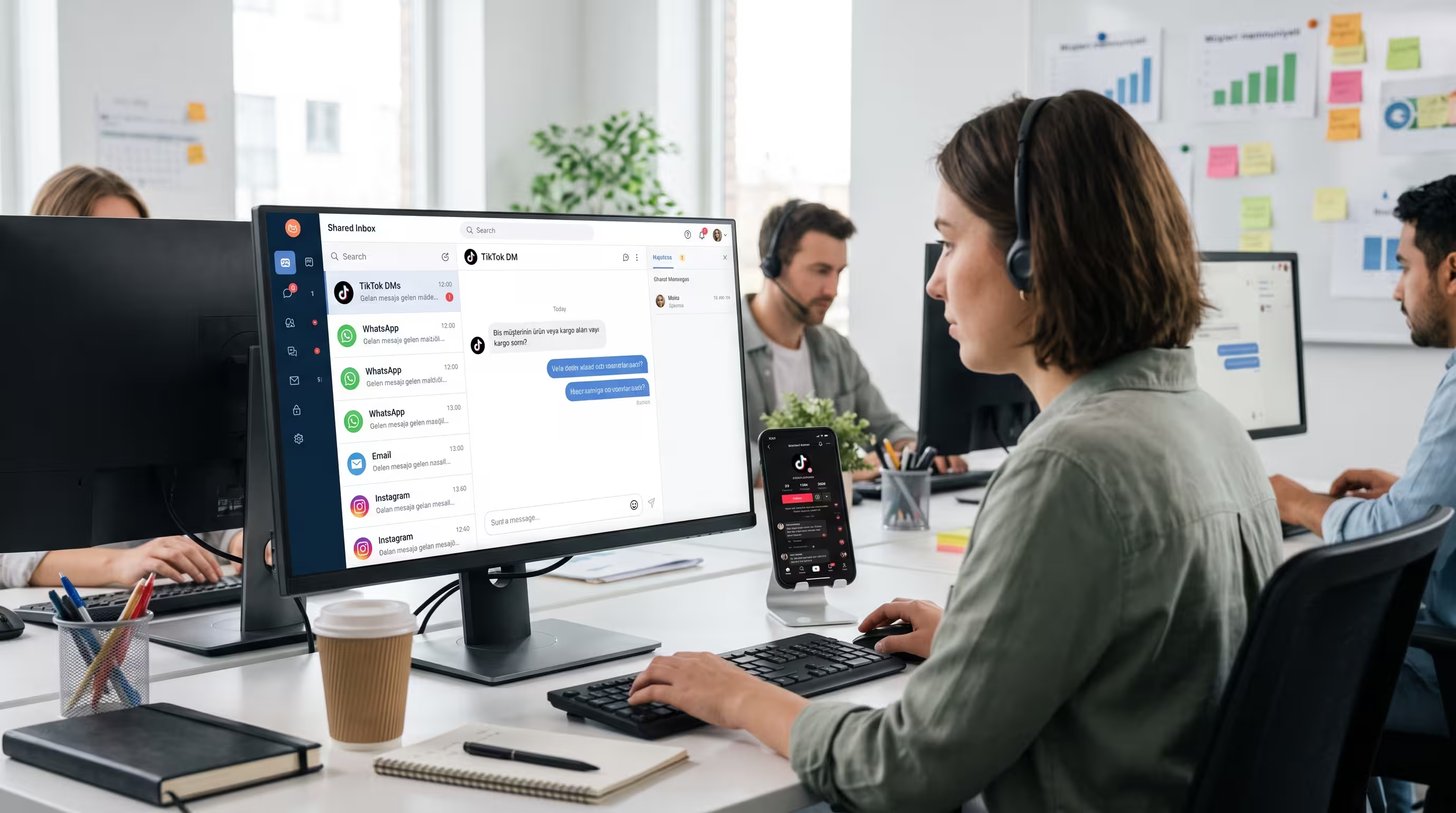
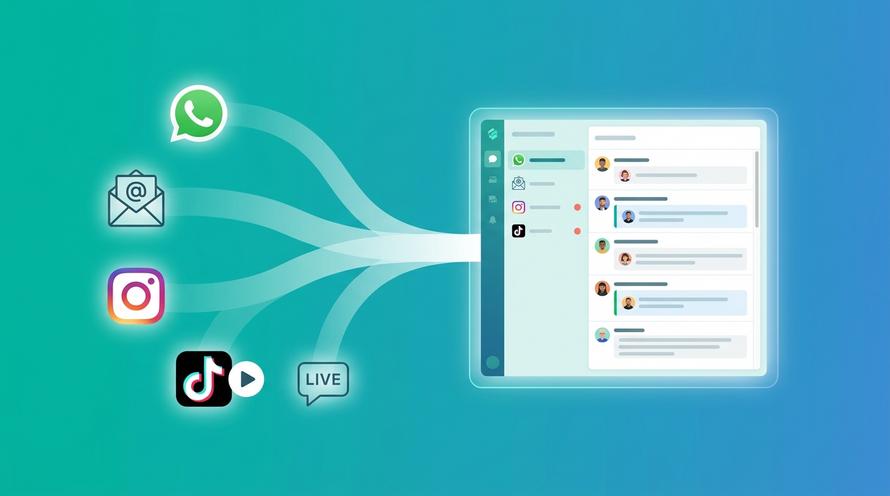
Trengo helps you maintain consistency across touchpoints by bringing conversations from email, WhatsApp, Instagram, live chat, and more into one shared inbox. This allows your team to respond faster, keep context in every interaction, and deliver a smoother experience no matter where customers reach out.
Offer a seamless experience on every device
Customers shop on phones, tablets, and desktops—often switching between them within a single journey. If your website isn’t optimised for mobile, you risk losing customers before they even browse your products.
An effective approach is to regularly test your store on different devices, prioritise fast loading times, and ensure that product pages, search, and checkout are intuitive on smaller screens. Trengo complements this by helping your team respond to mobile shoppers instantly through live chat, WhatsApp, and social DMs, so customers never feel stuck or abandoned during their journey.
Use proactive support to reduce effort
Customers shouldn’t have to ask for help every time something goes wrong. Proactive support anticipates questions and resolves them early. This might include automated order updates, self-service FAQs, or a chatbot that shares shipping information before a customer needs to chase it.
With Trengo, you can set up automated flows that welcome new visitors, answer common questions, trigger alerts when carts are abandoned, and guide customers to the right team. This reduces pressure on your support team while giving customers the reassuring sense that you’re always one step ahead.
Personalise experiences based on genuine customer needs
Personalisation goes far beyond using a customer’s name. It means recognising what they care about and tailoring their experience accordingly—whether that’s personalised product recommendations, targeted emails, or offers based on past interactions.
Using Trengo, you can create targeted journeys with AI-powered tagging, customer profiles, and behaviour-based automation. This helps you deliver messages that feel timely and relevant, and makes customers feel understood—not marketed to.
Collect insights continuously and stay flexible
A great customer journey is never static. Customer needs change, buying habits evolve, and technology moves fast. That’s why ongoing data collection and optimisation are essential.
Combine analytics, surveys, purchase history, and channel insights to build a clearer understanding of customer behaviour. Trengo’s reporting dashboard gives you real-time visibility into response times, channel performance, conversation outcomes, and customer satisfaction—helping you refine your journey based on what customers actually experience.
Final words
Improving the ecommerce customer journey isn’t about adding more tools or redesigning every touchpoint at once. It’s about understanding what your customers need at each stage and taking small, thoughtful steps that make their experience smoother, clearer, and more enjoyable. When you focus on reducing friction, offering timely support, and connecting every interaction across channels, you create journeys that feel effortless — the kind customers want to return to.
And this is exactly where Trengo supports you. By centralising conversations, automating routine tasks, and giving your team full customer context, you can deliver consistent, personalised experiences without feeling overwhelmed. Whether you're refining your onboarding, improving your post-purchase flow, or building long-term loyalty, Trengo helps you turn insights into action.
If you’d like to see how Trengo can help you optimise every stage of your ecommerce customer journey, request a free demo. We’ll walk you through how the platform works and help you spot opportunities tailored to your store.
Frequently Asked Questions (FAQs)
How is the e-commerce customer journey different from a traditional sales funnel?
The e-commerce customer journey is more dynamic and continuous than a traditional sales funnel. While the sales funnel focuses mainly on driving conversions, the customer journey covers the entire experience—awareness, purchase, post-sale engagement, and advocacy. Unlike the linear funnel, the journey is cyclical, involving several touchpoints across web, mobile, social, and in-store interactions. Platforms like Trengo unify these interactions, offering omnichannel visibility for a complete view of the customer experience.
Why is mapping the e-commerce customer journey important for online stores?
Mapping the customer journey helps identify pain points, improve engagement, and create personalised interactions. It ensures every stage—from discovery to loyalty—is optimised for satisfaction and retention. With tools like Trengo, you can track interactions across messages, live chats, and social media, turning insights into actionable improvements for sales and support.
What are the main stages of an e-commerce customer journey?
A typical e-commerce journey includes awareness (discovery through marketing), consideration (research and comparison), purchase (checkout and payment), retention (post-sale support and rewards), and advocacy (reviews and referrals). Each stage can be enhanced using Trengo’s integrated communication and automation tools to maintain continuity across channels and reinforce loyalty.
How do I map the customer journey for my e-commerce store step by step?
Start by defining buyer personas, listing touchpoints (website, social, chat, and email), collecting behavioural data, and mapping emotional triggers at each stage. Next, identify where customers face friction. Platforms like Trengo help visualise this journey by centralising omnichannel communication, automating responses, and using data analytics to refine key touchpoints continuously.
What data or metrics do I need to understand the e-commerce customer journey?
Essential metrics include traffic sources, click-through rates, cart abandonment, average order value, repeat purchase rate, and customer lifetime value (CLV). Monitoring chat response times and sentiment can reveal experience gaps. Trengo provides integrated reporting and journey analytics to connect customer actions with communication metrics for deeper insights.
How do I align online and offline channels so the journey remains seamless?
Aligning channels requires unifying customer data and ensuring consistent experiences across digital and physical touchpoints. Synchronised systems prevent disjointed processes, such as unavailable products in-store after online interest. Using Trengo, you can integrate online and offline communication records to maintain context and deliver truly seamless omnichannel interactions.
Which channels (website, mobile, social, in-store) matter most in today’s e-commerce journey?
All channels matter, but customer expectations today demand cohesive experiences across website, mobile apps, social platforms, and in-store touchpoints. Social media drives discovery, websites handle conversions, and messaging apps manage service and retention. Trengo helps combine these into one shared inbox, ensuring unified engagement across WhatsApp, email, live chat, and more.
How long does it typically take to see improvement once I optimise the customer journey?
Most e-commerce stores see measurable results—such as improved retention, higher order values, and better satisfaction rates—within three to six months of implementing journey optimisation. Continuous refinement using analytics platforms like Trengo accelerates growth by making ongoing adjustments based on real-time customer data and behaviour.


Let's meet
Grow your business with loyalty. Bring all of your customer contact into one, single platform to unlock delight at every step of the way.