Understanding high-touch customer service and why it drives business growth


Try Trengo for Free

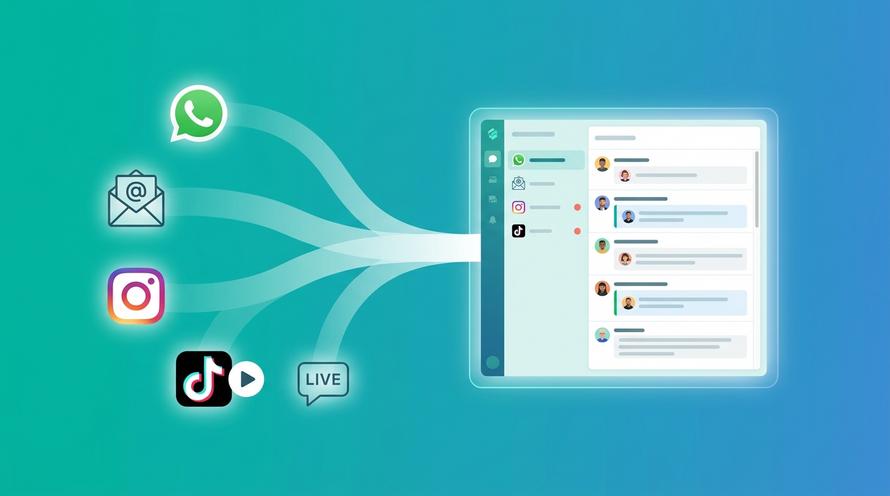
Trengo unites WhatsApp, email, web, social media, and calls in one inbox, saving your team hours of repetitive work and ensures no conversation is ever lost
Today's customers are drowning in impersonal, automated interactions. They receive templated emails, robotic responses, and one-size-fits-all support that leaves them feeling overlooked. But here's what truly sets businesses apart—a commitment to high touch customer service.
High touch customer service means putting real people, personalised attention, and genuine care at the centre of how you support customers. It's not about using more technology; it's about using technology to free your team up for meaningful conversations that build trust and loyalty. When customers feel truly seen and understood, they don't just stick around—they become advocates for your brand.
The challenge isn't knowing that high touch service matters. The challenge is figuring out how to deliver it consistently, especially when you're managing multiple customers, different communication channels, and growing support demands. That's where strategy and the right tools make all the difference.
In this blog, we'll explore what high touch customer service really looks like, why it's increasingly essential in a competitive market, and practical ways to implement it without overwhelming your team. Whether you're managing a small startup or scaling enterprise support, you'll discover actionable strategies that help you build stronger customer relationships and deliver support that feels genuinely personal.
What is high-touch customer service?
High-touch customer service is fundamentally different from the standard support model most customers experience. Rather than sending templated responses or directing people to self-service portals, it's a relationship-first approach where your team actively invests time and energy into understanding each customer's unique situation.
At its core, high-touch service means assigning real people to real customers. A dedicated account manager or support specialist becomes a consistent point of contact—someone who knows your customer's goals, challenges, and preferences. This person doesn't just answer tickets; they anticipate problems, offer proactive guidance, and help customers get the most value from your product or service.
High-touch vs. low-touch customer service: what’s the difference?
Not every customer needs the same level of attention, and not every support interaction requires a human touch. Understanding the difference between high-touch and low-touch customer service helps you allocate your team's time wisely and create a support experience that scales without losing quality.
The Core Differences
High-touch and low-touch models represent two ends of a spectrum. High-touch service is personal, hands-on, and relationship-focused. Low-touch service is efficient, automated, and self-directed. The key is knowing when to use each approach.

When to Use Each Model
High-touch service shines when customers have complex needs, significant investment value, or require ongoing strategic guidance. These are accounts where a dedicated relationship pays real dividends—your team's time directly influences customer success and retention.
Low-touch service works beautifully for customers who prefer independence, have straightforward needs, or are early-stage accounts where heavy support isn't yet justified. Self-service resources, chatbots, and automated workflows let these customers get answers quickly without waiting for a person.
The Smarter Approach: Blending Both Models
Here's what many successful companies discover—you don't have to choose one model exclusively. The most effective support strategies use a hybrid approach that combines the efficiency of low-touch automation with the relationship-building power of high-touch engagement.
This means automating the routine stuff—onboarding sequences, frequently asked questions, and trigger-based check-ins—so your team can focus their human attention where it creates the most impact. Your dedicated support specialists concentrate on strategic accounts, complex implementations, and moments where genuine expertise and personal judgment matter most.
This hybrid model lets you scale efficiently without sacrificing the relationships that drive loyalty. You're using automation as a tool to free your team up for meaningful work, not as a replacement for genuine human connection. When you get this balance right, customers at every level feel supported—whether they're getting a quick self-service answer or a personalised strategy session with their account manager.
Benefits of using a high-touch customer service model
High-touch customer service goes beyond solving problems—it's a strategy that strengthens relationships, drives loyalty, and directly impacts your revenue. When customers feel genuinely supported throughout their journey, they stay longer, spend more, and become advocates for your brand.
Here's what a high-touch service model delivers:
Stronger customer retention: Proactive engagement builds trust and keeps customers coming back. When your team anticipates needs and offers timely support, customers feel valued and are far less likely to leave.
Higher satisfaction scores: Customers who receive personalised attention feel heard and understood. This level of care creates loyalty that goes beyond the product itself.
More upsell and expansion opportunities: Strong relationships open natural conversations about growth. When customers trust your team, they're more willing to explore additional features or services that help them succeed.
Clear competitive advantage: Exceptional service becomes a differentiator that competitors can't easily replicate. Customers stay because the relationship matters, not just the price.
Faster onboarding and adoption: Dedicated support helps customers reach value quickly. When they see results early, they adopt your product more fully and stick around longer.
Building High-Touch Service Into Your Team's Daily Work
High-touch service doesn't require endless meetings or complicated processes. Instead, it's about creating structured touchpoints that add real value at every stage of the customer relationship. When done right, it feels natural and purposeful—not like extra work.
Here's how successful teams implement high-touch service:
Understanding each customer deeply: Your account managers use CRM systems and customer data to build a real picture of what each customer is trying to achieve. This means knowing their goals, understanding their challenges, and recognising what success looks like for them specifically. This knowledge becomes the foundation for all conversations that follow.
Assigning a dedicated contact person: Customers work with a consistent point of contact—someone who remembers their history, knows their preferences, and understands their business. This eliminates the frustration of repeating information and creates genuine accountability on both sides.
Planning meaningful interactions: Rather than reactive support, high-touch teams schedule regular touchpoints—quarterly business reviews, monthly check-ins, or health score conversations. These aren't status update meetings; they're strategic discussions focused on how customers are progressing toward their goals and what support they need next.
Creating tailored experiences: Generic isn't enough. High-touch service means building customised onboarding paths, setting up dashboards that matter to each customer, and offering product guidance based on their specific use case. This personalisation shows customers that you understand their world.
Listening and adjusting: Continuous feedback loops—through surveys, NPS scores, or direct conversation—tell you what's working and what needs to change. This feedback directly shapes how you support each customer going forward, creating a cycle of continuous improvement.
The beauty of this approach is that it focuses your team's effort where it matters most. Instead of spreading attention thin, you're concentrating energy on meaningful interactions that strengthen relationships and drive real results.
4 strategies for delivering a high-touch customer service experience
Building high-touch service into your operations doesn't happen by accident. It requires intentional choices about how you hire, train, support, and engage with customers. Here are four practical ways to make it happen.
1. Build a customer success team that acts as a true partner
Customer success managers are the backbone of high-touch service. Unlike traditional support agents who react to problems, CSMs take a proactive stance—they're embedded in the customer's journey from day one, spotting opportunities and preventing issues before they escalate.
A good CSM understands the customer's business deeply enough to anticipate what they'll need next. They can advocate for the customer internally, connecting them with resources and pushing back when something isn't working. This kind of partnership transforms how customers view your brand. They don't just see you as a vendor; they see you as someone genuinely invested in their success.
2. Make onboarding the moment you establish trust
How customers experience their first weeks with you sets the tone for everything that follows. Thorough onboarding isn't just about teaching features—it's about building confidence and demonstrating that you care about their success.
A strong onboarding journey includes a genuine welcome, guided product introduction, detailed tutorials, and helpful follow-up resources. But more importantly, it includes listening. Ask for feedback early and often. Show customers that their input shapes how you support them. When new customers see that you're paying attention and adjusting based on their needs, they trust you faster and commit more deeply.
3. Support your team so they can support customers
Here's a truth that often gets overlooked: high-touch service starts with how you treat your own people. If your support team is burned out, overwhelmed, and undervalued, they can't deliver the genuine care that high-touch service demands.
Give your team manageable workloads, meaningful training, and clear paths for growth. Offer flexibility and respect their time off. Automate the repetitive work so they can focus their energy on conversations that matter. When your team feels valued and supported, they bring that same energy to customer interactions. They're not just processing tickets—they're genuinely problem-solving and building relationships. High-touch service begins inside your organisation.
4. Stay present through thoughtful, personalised outreach
Many companies nail onboarding but then go silent. Customers don't hear from you for months, and when they do, it's a mass email that has nothing to do with their situation. That's not high-touch—that's disappearing.
Real high-touch service means staying genuinely present. Your team checks in regularly to see how customers are progressing, shares insights relevant to their industry, and offers help before they have to ask. These conversations don't feel salesy because they're not—they're a natural extension of the partnership you've built.
To make this sustainable, create templates that your team can personalise quickly. The goal isn't to spend hours on every email; it's to show that you remember each customer's specific situation and care about their success. When done right, customers feel like your team is an extension of theirs.
Metrics to measure the impact of high-touch service
Here are the key metrics that reveal whether your high-touch strategy is delivering real results:
Customer lifetime value (LTV): This is the total revenue a customer generates over their entire relationship with you. High-touch service should increase LTV because customers stay longer, expand their usage, and become advocates. If LTV is rising, your strategy is working.
Retention rate: Customers who feel supported and valued stay around longer. A rising retention rate is one of the clearest signals that your high-touch efforts are building loyalty. Compare retention before and after implementing high-touch practices to see the direct impact.
Customer satisfaction (CSAT): Direct feedback from customers tells you how they experience your service. CSAT scores should climb as your team becomes more personalised and proactive. Regular pulse surveys help you catch satisfaction dips early.
Time to value (TTV): How quickly customers see results from your product matters. With dedicated onboarding support, customers should reach their first win faster. Shorter TTV correlates with higher adoption and longer-term loyalty.
Escalation rate: When customers have a consistent point of contact who understands their needs, problems get resolved faster and rarely escalate. A declining escalation rate shows that your relationships are preventing issues from becoming crises.
Net promoter score (NPS): This metric reveals how likely customers are to recommend you to others. High-touch service creates advocates, so your NPS should improve as you invest in relationships. Customers who feel genuinely supported become your best marketers.
Engagement metrics: Track attendance at quarterly business reviews, product login frequency, and average support conversation duration. Active engagement signals that customers are getting value and remain invested in the relationship.
Final words
In a market where products and pricing often look similar, the relationships you build become your true competitive advantage. High-touch service transforms customers from one-time buyers into long-term partners who stay, expand, and advocate for your brand.
The path forward is clear: invest in dedicated support teams, create onboarding experiences that matter, treat your people well, and stay genuinely present throughout the customer journey. Track the metrics that prove your efforts are working, and continuously refine based on what customers tell you.
When you get high-touch service right, the results speak for themselves—stronger retention, higher satisfaction, increased lifetime value, and a reputation that attracts the right customers. Your team stops feeling reactive and starts feeling like true partners in customer success.
Ready to transform your customer service from transactional to transformational? See how Trengo helps teams deliver genuine, high-touch support at scale. Try Trengo free today and discover how the right tools make it easier to build relationships that last.



Let's meet
Grow your business with loyalty. Bring all of your customer contact into one, single platform to unlock delight at every step of the way.