How can you improve customer service: practical steps for modern teams


Try Trengo for Free

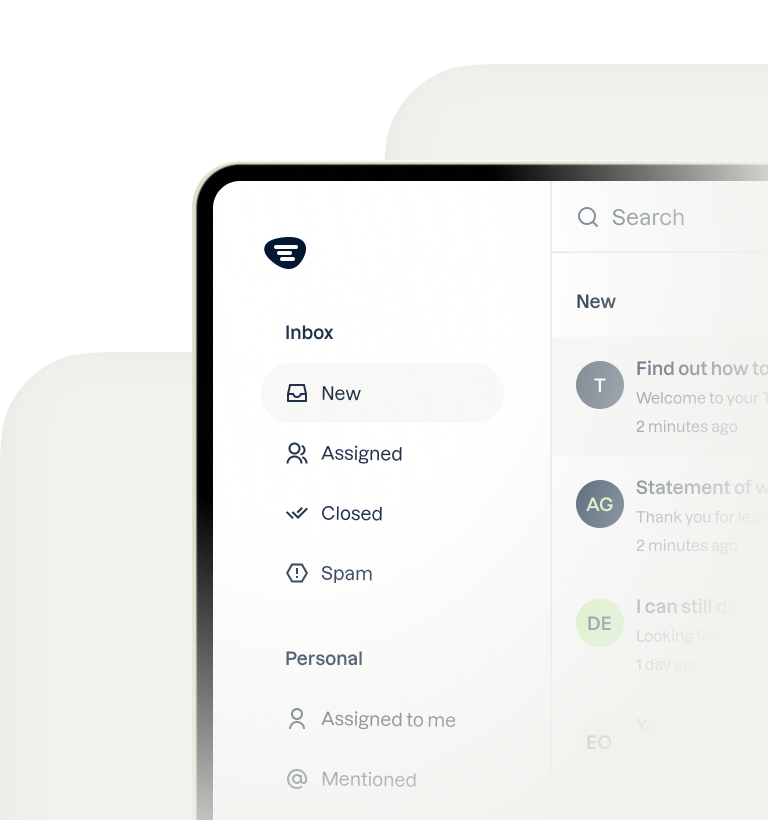
Trengo unites WhatsApp, email, web, social media, and calls in one inbox, saving your team hours of repetitive work and ensures no conversation is ever lost
Most businesses want the same thing: customers who feel understood, supported, and willing to return. Excellent service creates those moments. It builds trust, strengthens relationships, and makes people feel confident choosing your brand again. When teams focus on improving the way they communicate, the impact is felt across the entire business—from customer satisfaction to team morale.
Today’s customer expectations have grown. Support is no longer measured only by how quickly you solve an issue, but by how easy the experience feels from start to finish. This is why the question “how can you improve customer service?” matters more than ever. Customers want clarity, accessibility, empathy, and consistent support across every channel they use.
Giving your team the right environment is essential. Skill, personality, and empathy form the foundation, but they also need the right tools, guidance, and workflows to deliver great service every day. When you combine supportive processes with technology that removes manual work, your team can focus on what they do best—helping customers feel valued.
In this blog, we’ll explore practical ways to improve customer service, share examples you can apply right away, and show how small changes can create a big, long-lasting difference for your team and your customers.
What is customer service?
Customer service is the support a business gives to people before, during, and after they use a product or service. It’s the direct help customers receive when they have a question, need guidance, or want an issue resolved. At its core, customer service is about making people feel understood, supported, and confident that they can rely on your business.
In today’s world, customer service happens across many channels—email, live chat, phone, social media, WhatsApp, and more. Good service meets customers where they already are and keeps the experience simple. While tools and automation help teams respond faster, the heart of customer service remains the same: treating people with empathy and making every interaction feel easy and reassuring.
Why great customer service makes a real difference
Delivering great customer service goes far beyond fixing problems. It shapes how customers feel about your brand and influences whether they return, recommend you, or continue exploring alternatives. In a world where customers have endless choices, a smooth and supportive experience can become your strongest advantage.
It encourages customers to come back
When customers feel valued and understood, they’re far more likely to stay loyal. A clear answer, a quick response, or a thoughtful gesture can turn a one-time shopper into a returning customer—something every business relies on for long-term growth.
It leads to measurable business results
Great customer service doesn’t just improve satisfaction; it also impacts revenue. Studies show that people are willing to spend more with companies that consistently offer positive experiences. When the overall journey feels easy and reliable, customers naturally choose you over competitors.
It strengthens your brand’s reputation
A customer-first approach builds trust. Over time, this creates a reputation for reliability and care—something that attracts new customers and makes existing ones confident in continuing their relationship with your brand. With the right tools, processes, and mindset, teams can deliver this level of support consistently and effortlessly.
Key areas that strengthen customer service
Improving customer service is not just about one action or one tool. It happens across different parts of your organisation, from the way customers interact with your brand to how your team works behind the scenes. Focusing on a few core areas can help you build a more reliable and supportive experience for everyone.
1. Create a smoother customer experience
Customers want to feel seen and supported from the moment they reach out. Small, thoughtful improvements can make their journey easier—whether that’s faster replies, clear information, or accessibility across their favourite channels.
Here are simple ways to enhance the customer experience:
- Personalise interactions where possible
- Offer help across multiple channels—chat, WhatsApp, email, and social
- Resolve issues quickly and keep communication transparent
When these steps become part of your daily rhythm, customers feel more confident choosing your business again.
2. Support and empower your service team
Great customer service starts with the people delivering it. When your team feels informed, supported, and trusted, they naturally create better experiences for customers. A strong service culture helps agents feel confident and capable in every conversation.
You can empower agents by:
- Offering continuous training and clear resources
- Giving them the authority to solve problems without unnecessary delays
- Creating a workspace where collaboration and empathy are encouraged
When agents have the right knowledge and tools, they can provide calm, consistent support even during busy periods.
3. Strengthen your service operations
Behind every smooth customer interaction is a well-designed operational setup. This includes workflows, technology, and processes that make support efficient and predictable.
To improve service operations, consider:
- Reviewing your current tools and identifying gaps
- Building knowledge bases that help both agents and chatbots respond faster
- Monitoring key metrics such as response time, customer satisfaction, and common issue patterns
Regular evaluation helps you understand what’s working and where customers face friction. With the right operational strategy, your team can deliver a great experience at scale.
20 practical ways to improve customer service
Improving customer service doesn’t rely on one major change—it comes from many small, intentional actions that make the experience smoother for both customers and your team. Below are 20 expanded, practical ways to elevate your customer service, using a mix of human care, better processes, and automation through Trengo.
1. Learn what your customers truly need
Understanding your customers’ expectations is the first step toward better service. Look at the questions they ask most often, the challenges they face during purchases, and the moments when they reach out for support. Use this information to refine your communication, adjust your processes, and create more proactive solutions.
2. Build simple customer profiles
Customer profiles help you understand the typical behaviours and preferences of your audience. These profiles don’t need to be complex—they can include preferred channels, common concerns, and buying habits. With this clarity, your team can tailor support and anticipate what customers may need next.
3. Listen with intention
Active listening helps customers feel heard and respected. Give them space to explain the issue, repeat key details back to them, and show you recognise how they feel. This level of attention often resolves tension and leads to quicker, more satisfying outcomes.
4. Use AI to support frontline agents
AI tools like Trengo AI help your team work faster without losing empathy. They can suggest responses, summarise long threads, and identify what a customer is trying to achieve. This reduces guesswork and gives agents more time to focus on nuanced conversations that need human care.
5. Keep an eye on service quality
Quality checks help you understand where conversations are going well and where improvements are needed. Review recent chats, look at CSAT scores, and monitor how customers respond to automated flows. This consistent monitoring helps you maintain standards over time.
6. Invest in ongoing training
Customer expectations change, and your team should grow with them. Offer training on communication skills, product knowledge, and new tools like automation or AI. When your team feels supported and confident, they naturally deliver better customer experiences.
7. Set measurable performance goals
Identify the metrics that matter to your business—such as response time, resolution time, or customer satisfaction—and use them to guide performance. Clear goals help your team understand what “great service” looks like and stay aligned as you grow.
8. Encourage teamwork and knowledge sharing
Great service is built on collaboration. Create spaces for agents to share tips, ask questions, and learn from one another. In Trengo, internal comments and shared views help teams work together to solve issues faster.
9. Create a clear customer service playbook
A playbook outlines how you want your team to communicate, when to escalate issues, and the tone they should use. When everyone follows the same guidance, customers enjoy a more consistent and professional experience.
10. Reward customer loyalty
Loyalty programmes help customers feel appreciated. Simple rewards—like early access, priority support, or personalised recommendations—build long-term relationships. These gestures show that your team values more than just a transaction.
11. Personalise conversations
Personalisation helps customers feel seen. Use the information available—previous orders, chat history, or browsing behaviour—to tailor your responses. With Trengo’s unified inbox, your team can access this context instantly without switching screens.
12. Set response and resolution expectations
Customers feel reassured when they know how long it will take to get help. Set realistic internal response standards and communicate expected timelines during conversations. This creates transparency and reduces frustration.
13. Offer support across multiple channels
Customers don’t want to switch platforms to get help—they want support in the channel they already use. Trengo makes it easy to manage WhatsApp, email, Instagram, Facebook, live chat, and more from one inbox, so your team can deliver consistent service everywhere.
14. Improve response speed
Slow replies can make customers feel ignored. Use automated routing, quick replies, and inbox assignments to keep conversations moving. Even simple acknowledgements like “We’re checking this for you now” help customers feel supported.
15. Automate repetitive tasks
Automation helps your team focus on conversations that require a human touch. Use workflows to tag conversations, assign them, or send confirmations. These small steps reduce administrative work and speed up the overall support process.
16. Build a helpful knowledge base
A well-organised knowledge base empowers customers to find answers independently. Include FAQs, troubleshooting tips, policy explanations, and product guidance. When self-service resources are easy to understand, your team receives fewer repetitive questions.
17. Use feedback to guide improvements
Collect feedback regularly through surveys, chat ratings, or post-interaction questions. Use this data to find trends, adjust workflows, and improve your support experience. Positive feedback can also motivate your team and highlight what’s working well.
18. Offer round-the-clock assistance with chatbots
AI chatbots and flowbots provide instant answers to common questions, even when your team is offline. They help reduce waiting times, qualify requests, and guide customers to the right resources. This keeps your support available when customers need it most.
19. Create a customer-first culture
Encourage your team to approach every interaction with empathy and curiosity. Celebrate great service moments, recognise team successes, and make customer impact part of your shared values. When your team feels proud of their work, it shows in every reply.
20. Stay informed about evolving trends
Customer expectations shift quickly. Keep track of new technologies, emerging channels, and best practices in customer support. As you learn, refine your strategy to stay relevant and offer a modern, thoughtful customer experience.
Final words
Improving customer service isn’t about one big change—it’s about building small, intentional habits that make every interaction smoother and more meaningful. When your team has the right tools, clear processes, and the confidence to support customers with empathy, the entire experience becomes more enjoyable for everyone involved.
With Trengo, you can bring all your conversations into one place, automate repetitive work, and use AI to support your team where it matters most. This gives your agents the space to focus on thoughtful, human conversations that build trust and long-term loyalty.
If you’re ready to explore how Trengo can help your team deliver clearer, faster, and more consistent customer service, book a free demo and see what your support experience can look like with the right tools behind it.
Frequently Asked Questions (FAQs)
What are the most effective ways to improve customer service today?
The most effective way to improve customer service is to simplify how teams communicate, reduce response times, and make it easy for customers to find the help they need. This includes training teams to give clear answers, building consistent processes for handling enquiries, and using tools that bring all conversations into one place. Modern businesses also benefit from using platforms such as Trengo, which support faster replies, automation, and team collaboration across multiple channels.
Why is customer service improvement so important for modern businesses?
Customer expectations are higher than ever. People want quick, accurate answers and a smooth experience every time they reach out. When businesses invest in stronger customer service, they build loyalty, increase repeat purchases, and reduce the cost of support. Good service also differentiates a brand in a competitive market. Platforms like Trengo help teams maintain this standard by centralising communication and making it easier to deliver consistent care.
How can my team communicate more clearly and professionally with customers?
Clear communication starts with simple language, short sentences, and a consistent brand tone. Encourage your team to acknowledge customer concerns, explain solutions step by step, and avoid jargon. Creating reusable templates can also improve clarity and save time. Tools like Trengo support this by offering shared quick replies, internal notes, and AI-assisted message suggestions that help agents stay professional and accurate.
What tools can help modern teams improve customer service?
Modern teams use unified inboxes, live chat tools, AI-driven assistants, and workflow automation to manage conversations efficiently. Knowledge bases also help customers self-serve answers. Trengo combines these features in one platform, allowing teams to manage WhatsApp, email, Instagram, Facebook, website chat, and more in a single view. This reduces complexity and gives teams everything they need to offer reliable, high-quality support.
How do shared inboxes improve teamwork and response times?
A shared inbox brings all customer conversations into one space, so teams can see who is handling what, avoid duplicate replies, and assign messages instantly. It improves transparency, speeds up collaboration, and prevents enquiries from slipping through the cracks. Trengo’s shared inbox includes features such as tagging, automation, and team assignments, helping support teams respond faster and stay organised across all channels.
How can automation improve customer service without losing the human touch?
Automation helps with quick tasks such as routing enquiries, sending instant replies to common questions, and capturing customer details before an agent steps in. This reduces waiting time and frees up the team for more complex conversations. The key is to use automation where it creates value and keep humans involved in moments that require empathy or problem solving. Trengo balances both through smart flows and AI-powered suggestions that still allow agents to personalise replies.
How can we personalise customer service without making it time-consuming?
Personalisation becomes easier when teams use customer history, tags, and automation. Instead of writing everything from scratch, agents can access context about previous orders, past conversations, and preferences. With a platform like Trengo, this customer information appears directly inside the inbox, helping teams tailor responses quickly and naturally. Automated messages can also be personalised based on triggers, behaviour, or customer type.
What metrics should we track to measure improvement in customer service?
Important metrics include response time, resolution time, customer satisfaction (CSAT), message volume, agent workload, and the number of reopened cases. Tracking these helps you understand where bottlenecks happen and how customers feel about their experience. Trengo provides real-time insights and reporting dashboards, making it easy to measure performance and identify areas for ongoing improvement.
How does Trengo help modern teams improve response time across all customer channels?
Trengo centralises conversations from WhatsApp, email, social media, live chat, and more into one shared inbox. With automation, smart routing, and AI-assisted replies, teams can respond faster and stay consistent. Features such as internal notes, ticket assignments, and conversation prioritisation also reduce delays. This helps businesses deliver quick, reliable support across every channel their customers prefer.




Let's meet
Grow your business with loyalty. Bring all of your customer contact into one, single platform to unlock delight at every step of the way.