14 Important customer service objectives for businesses in 2026


Try Trengo for Free

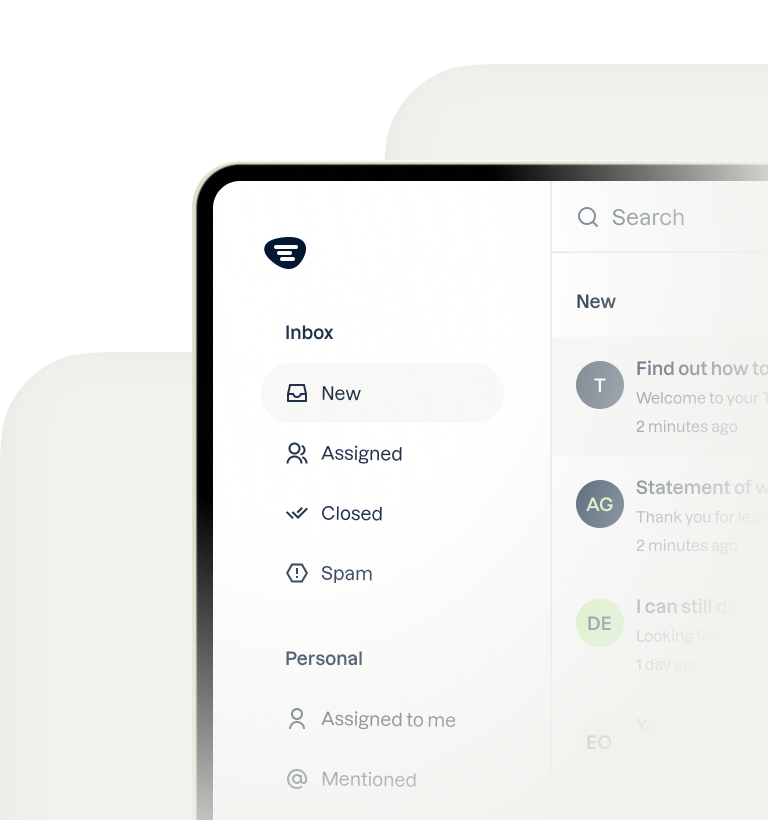
Trengo unites WhatsApp, email, web, social media, and calls in one inbox, saving your team hours of repetitive work and ensures no conversation is ever lost
In today’s fast-moving business world, customers expect more than quick replies—they want experiences that feel personal and consistent. Without clear customer service objectives, teams can easily lose direction, focusing on speed instead of satisfaction.
By setting meaningful goals that reflect your company’s mission and values, you help every team member understand what great service truly means. These objectives turn daily interactions into long-term customer trust. In this guide, we’ll explore what customer service objectives are, why they matter, and how to set the right ones for your business in 2026.
What are customer service objectives
Customer service objectives are clear, measurable goals that shape how teams deliver support. These targets focus on meeting customer needs with consistency, care, and efficiency, guiding everyone toward meaningful outcomes.
When teams understand their objectives, they can act with confidence—making each interaction easier for customers and more rewarding for the business.
Why objectives matter
Setting customer service objectives gives every team member a shared sense of purpose. These goals align daily actions with company values, turning what could be routine support into moments that foster trust and build relationships.
Core focus areas for objectives
- Responding quickly and helpfully to customer questions
- Resolving issues in ways that make customers feel valued
- Listening to feedback and adapting service accordingly
- Building loyalty through genuine care and clarity
By defining these objectives, you set the foundation for service that makes customers want to return and recommend your business to others.
Benefits of customer service objectives
Defining effective customer service objectives creates more than just structure—it powers your business to deliver experiences that stand out, every time.
Creating lasting customer satisfaction
When your team has clear goals, it’s easier to meet customer needs with care and consistency. This leads to happier customers who feel heard and appreciated.
Strengthening loyalty and retention
Customers who experience reliable, thoughtful support often stick around. By following strong service objectives, you build trust that’s hard to break—encouraging customers to choose you again and again.
Building a stronger brand
A team committed to aligned service goals earns positive reviews and word-of-mouth recommendations. Over time, your reputation grows as customers share their experiences with others.
Informing smarter decisions
Tracking progress toward objectives gives valuable insights about what’s working. This helps you refine your processes and adjust strategies to best serve your audience.
The right objectives don’t just make life easier for your team—they create real results that customers feel, remember, and talk about.
14 Key customer service objectives to prioritize
Focusing on well-defined customer service objectives helps teams create smooth, rewarding experiences at every touchpoint. Here are 14 essential objectives every business should champion in 2026.
1. Increase customer satisfaction
Prioritize consistently positive interactions by truly understanding what customers need. Offer support that feels attentive and helpful, and follow up to make sure their concerns are fully addressed. Regularly measuring satisfaction through surveys can reveal where your team shines—and where they can improve.
2. Reduce customer wait times
Fast support sets businesses apart. Set the goal of minimizing the time customers spend waiting for answers or resolutions. Equip your team with clear workflows and helpful tools so they can respond quickly, leaving customers feeling valued and respected.
3. Strengthen customer loyalty and retention
Aim to turn every satisfied customer into a long-term advocate. Quick resolutions, thoughtful follow-ups, and recognizing loyal customers are proven ways to strengthen relationships and boost repeat business.
4. Promote self-service solutions
Empower customers by making it easy for them to find answers on their own. Develop resources like knowledge bases, FAQs, or how-to guides, and keep them fresh and accessible. This frees up your agents for more complex issues and gives customers more control.
5. Build a culture of ongoing learning
Invest in regular training for your support team so they feel confident and capable. Provide updates on new tools, policies, and best practices. Well-trained staff can adapt quickly and provide noticeably better service.
6. Enhance team productivity
Focus on removing obstacles from your support processes. Streamlining workflows, using automation, and regularly reviewing how your team works can lead to faster resolutions and fewer mistakes, raising the level of service across the board.
7. Gather and act on customer feedback
Make it a habit to ask customers what they think after every interaction. Use their insights to identify patterns, fix recurring issues, and shape future service improvements. Responding to feedback openly shows customers that their voices truly matter.
8. Use customer service management tools
Reliable tools form the backbone of organized support. Customer relationship management systems, ticketing platforms, and searchable knowledge bases make it easier to track issues, automate tasks, and deliver consistent answers. By adopting the right technology, teams can support more customers without losing efficiency or personal connection.
9. Ensure clear and empathetic communication
Every interaction should be easy to understand and feel genuinely helpful. Encourage your team to listen carefully, use positive language, and communicate transparently. This not only increases satisfaction but also builds trust—even during tough conversations.
10. Create an effective customer recovery plan
Mistakes happen, but resolving them well can turn dissatisfied customers into loyal ones. Develop strategies for addressing complaints with empathy, offering sincere apologies, and solving problems quickly. Analyze negative experiences to prevent repeat issues and improve recovery processes.
11. Increase customer lifetime value
Customer lifetime value is a practical way to measure the impact of service. Focus on keeping customers engaged by offering standout support, loyalty rewards, and personalized experiences. These actions turn buyers into advocates who stay longer and contribute more to your business.
12. Boost revenue while reducing costs
Efficient service doesn’t have to mean higher expenses. Streamline workflows and integrate helpful automation so your team spends more time solving real issues. Targeted upselling and cross-selling can add value for customers while improving your bottom line.
13. Resolve issues quickly and accurately
Make it a goal to resolve customer concerns in the shortest possible time, without sacrificing quality. Empower agents with tools and resources so they can provide accurate solutions fast. Nothing builds confidence like a swift, clear response to a problem.
14. Cultivate customer advocacy
Encourage loyal customers to share their positive experiences. Reward active promoters with incentives or acknowledgments, and watch as they naturally champion your brand. Real advocacy turns your customers into part of your growth strategy.
Essential elements to achieve customer service objectives
Reaching your customer service objectives takes more than good intentions—it requires the right mix of accessibility, adaptability, and awareness. Here are three key elements every business should focus on to deliver truly exceptional support.
Build a seamless omnichannel experience
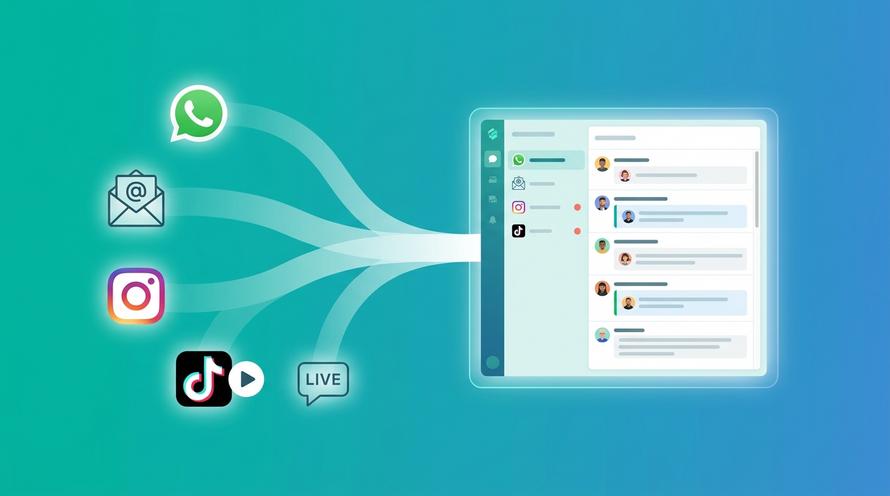
Customers expect quick answers wherever they reach out—whether that’s email, chat, WhatsApp, or social media. A unified service approach ensures customers can move between these channels without repeating themselves. By connecting all conversations in one place, your team gains full context and can respond faster, keeping every interaction effortless and consistent.
Turn negative feedback into improvement
Every piece of customer feedback—even the critical ones—is a chance to grow. Track complaints carefully, respond fast, and follow up to show your commitment to fixing issues. Use insights from poor experiences to improve team training, update workflows, and prevent the same mistakes from happening again. Quick recovery not only restores trust but also strengthens loyalty.
Deliver personalized solutions
Customers value support that feels tailored to their needs. Equip your team with tools that show the full customer journey—from past purchases to previous conversations—so they can anticipate issues and offer meaningful solutions. With connected systems and automation, teams can personalize every interaction, creating service experiences that feel thoughtful and human.
Final words
Strong customer service objectives create the foundation for lasting success. They help your team stay aligned, act with purpose, and build experiences that customers love returning to. In 2026, businesses that define their goals clearly—and back them with technology, empathy, and consistency—will lead the way in customer satisfaction and loyalty.
Ready to see how Trengo can help you achieve your customer service objectives?
Book a free demo today and discover how you can empower your team to deliver effortless, connected, and truly memorable customer experiences.
Frequently asked questions
Why are customer service objectives important?
Customer service objectives give your team a clear direction and purpose. They make sure everyone understands what great service looks like and how to deliver it consistently. Without them, efforts can feel scattered, and customer experiences may vary.
How can customer service objectives influence the customer journey?
They shape every interaction a customer has with your business—from their first query to post-purchase support. By aligning your objectives with customer needs, you can create smoother, more satisfying experiences that build trust and loyalty throughout the entire journey.
How can I measure the success of my customer service objective over time?
Start by defining measurable metrics such as response time, resolution rate, customer satisfaction (CSAT), or net promoter score (NPS). Track these indicators regularly and analyze feedback to see if your service improvements align with your goals.
How can I create effective objectives for my customer support team?
Focus on clarity and relevance. Begin by understanding your customers’ biggest pain points, then set specific, measurable, and achievable targets around them. Involve your support team in the process so they feel ownership and have a clear sense of what success looks like.
How do customer service objectives affect business?
They help build consistency, efficiency, and customer trust. When your team follows clear goals, customers receive better service, which leads to stronger loyalty, positive word of mouth, and ultimately, business growth.
What are the 5 goals of customer service?
The five key goals often include improving customer satisfaction, enhancing loyalty, reducing response times, increasing efficiency through technology, and building long-term relationships. These goals support a customer-first approach that drives both retention and growth.



Let's meet
Grow your business with loyalty. Bring all of your customer contact into one, single platform to unlock delight at every step of the way.