12 social media lead generation strategies that work in 2026


Try Trengo for Free

Trengo unites WhatsApp, email, web, social media, and calls in one inbox, saving your team hours of repetitive work and ensures no conversation is ever lost
Lead generation is one of the most important elements of business growth. It helps you reach the right people, start meaningful conversations, and guide potential customers towards becoming loyal buyers. But if you’re new to it or you’ve tried different tactics without seeing results, it can feel like you’re juggling too many moving parts at once.
And you’re not alone. Many teams today are managing multiple channels, new algorithms, and rising customer expectations. With so many touchpoints to consider, it’s easy to feel unsure about where to begin or which steps will make the biggest impact.
The good news? Lead generation doesn’t need to be complicated. When you break it down into clear, manageable stages, it becomes a structured process you can repeat and scale. In 2026, the most effective strategies focus on being human, helpful, and consistent. It’s less about chasing every trend, and more about building a system that attracts the right audiences and gives them reasons to trust you.
In this guide, we’ll walk you through everything you need to know. You’ll learn what lead generation really means, how it fits into today’s digital landscape, and the practical steps any business can take to generate high-quality leads. If you’re ready to build a lead generation strategy that feels confident and organised, let’s begin.
Social media lead generation: what it is and why it matters?
Social media lead generation is the practice of using platforms like Instagram, Facebook, LinkedIn, TikTok and X to attract people who may be interested in your products or services and giving them a simple next step to stay connected. A lead can be a name, an email address or any detail that shows someone is open to hearing from you again.
In 2026, social media remains one of the strongest channels for lead gen. People discover brands, compare options and make decisions without ever leaving their favourite apps. When your content and conversations appear at the right moment, it becomes much easier to guide potential customers towards a purchase.
Social platforms also offer something unique: real-time access to your audience. You can understand their needs, answer questions and build trust long before they land on your website. This makes your lead generation efforts feel more helpful and far more human.
Whether you’re a B2B team building relationships or a B2C brand driving daily enquiries, social media helps you reach the right people with the right message. By sharing valuable content and offering clear next steps, you can turn casual scrollers into warm, qualified leads who are ready to engage.
The sales lead generation funnel
It can feel like customers make buying decisions unpredictably, but there’s always a journey behind the scenes. A lead generation funnel helps you understand that journey and guide people from first discovering your brand to becoming paying customers. This is especially important in B2B, where buying cycles are longer and leads need more nurturing before they’re ready to talk to sales.
What is a lead generation funnel?
A lead generation funnel is the path someone takes after showing interest in your business. It explains how people move from awareness to consideration to making a decision. Not every lead progresses, which is why the shape narrows as they move down the funnel.
This structure matters because many leads are not ready to buy right away. The funnel helps you meet them where they are and give them the right information at the right moment.
Why content matters at every stage
Content is what moves people through the funnel. When your content matches their needs, it becomes easier for them to learn, trust and eventually choose your product or service.
Top of the funnel (TOFU): building awareness
The top of the funnel focuses on visibility. People at this stage are discovering your brand for the first time. They’re not ready to buy and may not even know they have a problem yet.
Your goal is simple: help them understand, learn and feel supported.
Useful content includes:
- blogs
- guides
- social media posts
- videos
- podcasts
Keep the focus on educating, not selling. When people trust your content, they’re more willing to share their information and continue the journey with you.
Middle of the funnel (MOFU): turning interest into leads
Once someone engages with your content, they’re open to a deeper relationship. This is where you introduce more detailed resources that require a sign-up. In exchange, they receive something that genuinely solves a problem or answers a pressing question.
Strong MOFU content includes:
- ebooks
- webinars
- whitepapers
- newsletters
- tools or templates
At this stage, your content should help people evaluate their options while positioning your solution as a reliable fit.
Bottom of the funnel (BOFU): helping prospects make a confident decision
By the time someone reaches the bottom of the funnel, they’re no longer just curious, they’re considering a purchase. They understand their problem and are evaluating which solution feels right.
Your job is to give them the reassurance they need.
Useful BOFU content includes:
- case studies
- product comparisons
- demos
- FAQs
- customer reviews
Here, clarity and trust matter most. You’re helping prospects remove any final doubts so they can move forward with confidence.
12 proven social media lead generation strategies
Once you understand what social media lead generation is, the next question is simple: what actually works in 2026?
Below are 12 strategies you can apply, whether you’re just getting started or improving what you already have. You don’t need to implement all of them at once. Start with a few, test them, and then build from there.
1. Optimise your profiles for clarity and contact
Before you think about campaigns, make sure your social profiles are clear and complete. When someone lands on your page, they should instantly understand:
- Who you help
- What you offer
- How they can contact you or learn more
Add a short, benefit-focused bio, a link to a key page (or link-in-bio), and simple CTAs like “Book a demo” or “Chat with us on WhatsApp”.
With Trengo, that “chat with us” button can lead straight into your WhatsApp or website chat, where your whole team can pick up the conversation from one inbox.
2. Share content that answers real questions
In 2026, the brands that win on social media are the ones that teach. Think:
- Short explainer videos
- Simple carousels that break down a topic
- “before and after” problem–solution stories
Focus on the questions your ideal customers are already asking in sales calls, support conversations or DMs. Every helpful post becomes a small touchpoint that nudges someone closer to becoming a lead.
When those questions turn into messages, Trengo helps you keep every reply fast and consistent across channels.
3. Use lead magnets that are small but specific
Lead magnets still work when they’re focused. Instead of a generic 60-page ebook, offer something that solves one clear problem:
- a checklist
- a template
- a “first 10 steps” guide
- a short playbook
Share the magnet in your posts and stories, and send people to a simple form or directly into a WhatsApp chat where the resource is delivered automatically.
With Trengo, you can handle that delivery, collect details and tag the contact for future campaigns without any manual work.
4. Turn DMs and messaging apps into lead entry points
More and more people prefer to message rather than fill in forms. Invite your audience to:
- “Send us a DM with ‘demo’ and we’ll share the link”
- “Message us on WhatsApp for the full checklist”
- “Reply with your use case and we’ll send tailored tips”
The key is to treat messaging as a primary channel, not an afterthought. Trengo connects WhatsApp, Instagram, Facebook Messenger and website chat in one inbox, so your team can manage these conversations without losing track or doubling work.
5. Use native lead generation forms
Platforms like Facebook, Instagram and LinkedIn offer native lead forms that pre-fill a user’s details. These forms usually convert better than sending people to an external landing page because they stay inside the app.
Use them to promote:
- Webinars
- Guides
- Waitlists
- Free consultations
From there, you can sync the leads into your CRM and into Trengo, so your team can follow up via email, WhatsApp or another preferred channel.
6. Run targeted paid campaigns with simple offers
Paid social is still one of the fastest ways to reach the right people as long as your offer is clear. Instead of trying to sell everything at once, focus each campaign on one action:
- Download a resource
- Start a free trial
- Book a call
- Sign up for a live session
Keep the creative simple: one pain point, one benefit, one call to action. Then, use Trengo to handle the surge in responses and route hot leads straight to sales.
7. Retarget engaged users with tailored messages
Most people won’t convert the first time they see your brand. Retargeting helps you reconnect with those who:
- Watched your video
- Clicked an ad
- Visited your website
- Engaged with a post
Use lighter, educational content for early-stage audiences, and testimonials, comparisons or trial offers for people closer to a decision. When they come back through DMs, chat or WhatsApp, Trengo shows their history so your team understands where they are in the journey.
8. Host live sessions and webinars that go deep on one topic
Live formats like Instagram Lives, LinkedIn Lives, YouTube streams, or webinars, attract people who are already interested in your topic. They’re often some of your warmest leads.
To keep it simple:
- Pick one specific problem to cover
- Share practical steps, not theory
- Leave time for Q&A
Ask people to register or sign up via social forms, then send reminders and follow-ups through Trengo’s WhatsApp Business or email flows.
9. Encourage user-generated content and referrals
People trust other people more than they trust brands. Referral and UGC-led campaigns turn existing customers into a quiet sales team.
You can:
- Invite customers to share their setup and tag you
- Run small “share your story” campaigns
- Offer referral rewards like credits or discounts
When new leads arrive through these posts or referral links, Trengo helps you track where they came from and nurture them with context.
10. Practise social listening and proactive outreach
Social listening means paying attention to what your audience is saying, not only to you, but also about your market.
Look out for:
- Posts asking for tool recommendations
- Complaints about competitors
- Recurring questions in comments and groups
You don’t need to be pushy. A simple, helpful reply or link to a relevant resource can start a relationship that later turns into a lead. With Trengo, mentions and messages from different social channels can appear in one view, making it easier for your team to spot and respond.
11. Use AI chatbots to qualify leads, not replace humans
AI and automation can handle the repetitive parts of lead generation: asking basic questions, collecting details and routing conversations.
For example, AI chatbot can:
- Ask what type of business someone runs
- Check what they’re interested in (demo, pricing, partnership)
- Offer the right next step: resource, booking link or human handover
With Trengo’s AI features, you can do this across channels while still giving the option to speak to a person whenever needed. The goal is to make it easier for both sides, not to hide behind bots.
12. Follow up with structured nurturing instead of one-off replies
Many social media leads go cold because there’s no follow-up system. Once someone downloads a guide, joins a webinar or messages you on WhatsApp, think about the next three to five touchpoints.
That could include:
- a quick “thanks for joining us” message
- a follow-up tip related to their interest
- a short case study or success story
- an invitation to a call or free trial
Trengo helps you turn these steps into automated journeys across email, WhatsApp and other channels, while still allowing your team to step in with personal responses whenever needed.
Lead generation techniques and examples
Whenever someone engages with your social media content, you have a moment of opportunity to capture a lead. The challenge is this: the way you ask for information, and the friction you put in the way, determine how many people actually hand over their contact details.
Research shows that while more people are active online, they are also more cautious about giving personal info and more likely to abandon long forms.
Here are three effective lead-capture techniques that work well on social media with examples and ideas for how you can apply them.
1. Short, in-message capture (via chat or messenger)
Instead of sending someone away to a long web form, you invite them into a chat (DM, WhatsApp or Messenger) and collect details there. This makes the process feel conversational and low-friction.
Example: You post a story: “Want the full checklist? DM us the word ‘Lead’ and we’ll send it via WhatsApp in a minute.” They send the word, the bot responds with a welcome message, asks for email and one quick question (e.g., “What’s your biggest challenge?”), then delivers the asset.
Why it works: The user stays in the familiar social app, the action is quick and natural, and you start a conversation rather than a form-fill.
Tip: Use your shared inbox (via Trengo) to monitor these chats and ensure timely responses.
2. Gated content linked via social posts with minimal friction
Here you offer a valuable asset (guide, template, checklist) via a post or ad, but keep the capture form short and focussed. Many studies show that fewer fields = higher conversion.
Example: On LinkedIn you run a post: “Download our ‘2026 Social Media Lead Generation Toolkit’ – enter email only.” The form appears in a lead-gen ad or on a landing page. After they submit, you tag them in your CRM for follow-up.
Why it works: You trade a little contact info for something of value, removing friction and building trust.
Tip: Use Trengo automation to tag the lead and instantly send a welcome message (via WhatsApp or email) with the asset link.
3. Engagement plus follow-up mini-tasks
Here you ask for a small, fun action (poll, quiz, comment) in a social post, then follow up with a stronger offer by message. This is great for warming up an audience before asking for full contact details.
Example: On Instagram Stories you run a three-question quiz: “What’s your top lead-gen challenge? A) Traffic B) Engagement C) Conversion”. People respond, you follow up via DM offering “Based on your answer, we’ve created a custom tip sheet. Want it?” They reply yes → you ask for email or WhatsApp number → deliver.
Why it works: You’re engaging first, building a micro-commitment, and making the bigger ask afterwards.
Tip: In Trengo, you can create templates to send follow-ups automatically when someone completes the quiz.
How does Trengo support social media lead generation?
Here’s how Trengo helps you turn social media activity into structured lead-generation that your team can manage and scale:
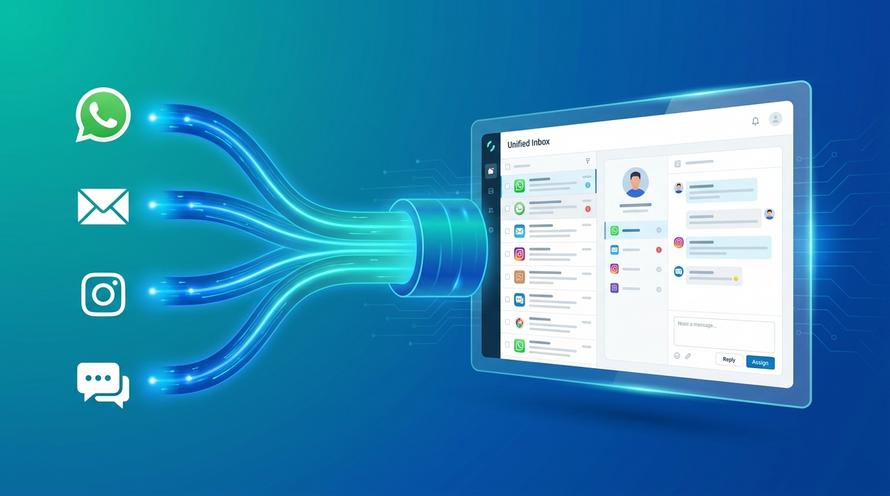
- Unified inbox for all social platforms: DMs, comments, WhatsApp, Messenger, Instagram, Facebook all flow into one shared inbox. Nothing gets lost.
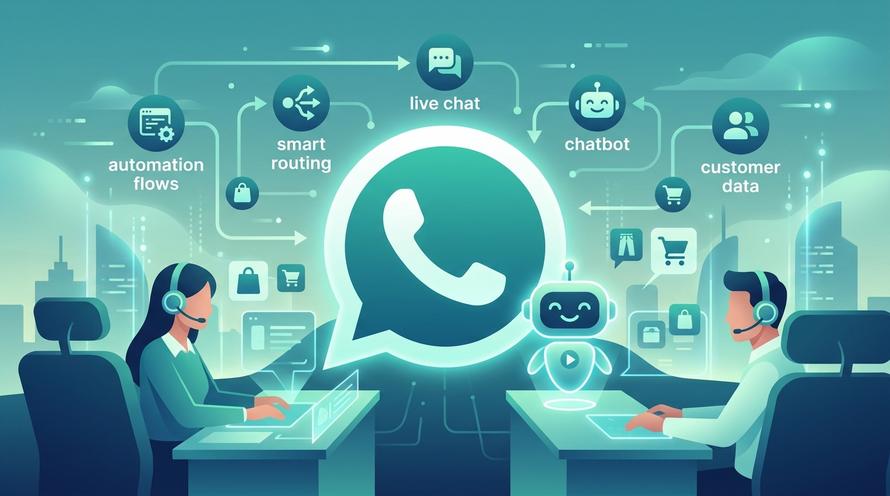
- Chatbots for 24/7 lead engagement: Automated flows can greet visitors, ask qualifying questions, and deliver resources instantly.
- Integrations with CRM and ad tools: Capture leads via forms, chats or social ads, then sync into your CRM or ad platform for follow-up and attribution.
- Team collaboration and internal notes: Your team sees the lead chat history, can add notes, tag status (e.g., “warm”, “demo booked”) and hand over smoothly.
- Automation for routing, tagging and qualifying leads: Set rules like: if “budget > $X” then route to senior rep; if “just exploring” send nurturing sequence.
- Analytics for tracking performance: Monitor which social channels, posts, or chat flows deliver the most leads, how fast you respond, and what the conversion rates are.
By combining social media reach with Trengo’s operational backbone, you move from ad-hoc posts to a repeatable system for lead generation.
Best practices for success
Follow these simple yet powerful habits to make your social-media lead generation more effective and human:
- Personalise conversations: Use the lead’s name, reference what they clicked or said, and respond in a human tone. Avoid sounding robotic.
- Respond fast: Social leads expect speed. A quick reply increases trust and the likelihood they stay engaged.
- Use visuals, CTAs and interactive messages: Great content attracts attention. Pair it with a clear next step (“Message us”, “Download now”, “Book a demo”).
- Keep tone conversational and human: You’re not just marketing to a “lead”, you’re talking to a person. Be the helpful friend.
- Test and iterate: Try different formats, offers, messaging and social platforms. Track what works and refine.
- Respect privacy and permission: Always explain what someone is opting into, why you’re asking for information and how you’ll use it. This builds trust from the start.
Wrapping up
Social media has become one of the most reliable places to find and nurture new leads, not because of complicated tactics, but because it’s where real conversations already happen. When you show up with helpful content, quick responses and a clear next step, you make it easier for people to move from curiosity to genuine interest. And with the right systems behind you, this process becomes predictable, scalable and far less overwhelming.
Whether you’re using lead magnets, chat-based capture, paid ads or creator partnerships, the most important part is staying consistent and human. If someone reaches out, meet them where they are. If they show intent, guide them with clarity. Over time, these small interactions form a lead generation engine that keeps your pipeline warm without relying on guesswork.
Trengo helps you bring all of this together. With one unified inbox, automation, chatbots and deep channel integrations, your team can manage every lead from every platform without switching tools or losing context. It’s simpler for your team, and it creates a better experience for your future customers.
If you're ready to turn your social channels into a steady source of high-quality leads, book a free personalised demo and see how Trengo can support your entire lead generation journey.
Frequently Asked Questions (FAQs)
How does social media actually help businesses generate leads?
Social media helps businesses generate leads by reaching customers where they already spend time, encouraging engagement, and opening direct conversations through comments, DMs and ads. It removes friction, allowing people to enquire instantly. With tools like Trengo, every social message can be centralised, automated and converted into a qualified lead.
Which social platforms are best for lead generation in 2026?
In 2026, Instagram, Facebook and TikTok deliver strong consumer leads due to high engagement and fast messaging. LinkedIn works well for B2B. WhatsApp and Messenger are ideal for direct, high-intent enquiries. Trengo integrates all these channels so businesses can capture and manage leads from one shared inbox.
What is the difference between social media engagement and lead generation?
Engagement focuses on likes, comments, views and interactions. Lead generation focuses on capturing customer details, qualifying intent and moving people closer to a purchase. Engagement builds visibility; lead generation creates opportunities. Trengo helps bridge both by turning social interactions into trackable conversations.
What tools can help automate or streamline social media lead generation?
Tools with automation, DM workflows, chatbots, social inbox management and CRM syncing work best. Trengo provides all of this—automated replies, multichannel inboxing, tagging and routing—making it easier for teams to capture and qualify leads across Instagram, Facebook, TikTok and WhatsApp.
Do social media ads really improve lead generation results?
Yes. Social media ads reach targeted audiences quickly and make it easier to drive high-intent traffic to DMs, landing pages or WhatsApp. Click-to-Chat ads on Instagram and Facebook are especially effective. Trengo can automatically handle these incoming leads and route them to the right team member.
How can I use chatbots to capture leads directly from DMs?
Chatbots can ask qualifying questions, collect contact details and recommend next steps as soon as someone messages your brand. They work well in Instagram DMs, Facebook Messenger and WhatsApp. Trengo’s no-code chatbot builder allows teams to automate these DM flows without technical skills.
How do I integrate social media leads with my CRM or email marketing tools?
Most platforms support API connections or native integrations. With Trengo, every social lead can be tagged, synced and pushed into your CRM or email platform automatically. This keeps your database clean and ensures instant follow-ups.
What’s the easiest way to track which social campaigns generate the highest-quality leads?
Use UTM tracking, CRM tags and platform analytics to monitor conversions and lead quality. Trengo adds clarity by tagging every conversation by source and channel, making it easy to compare performance and optimise future campaigns.
How do I scale social media lead generation without burning out my team?
Automate repetitive tasks, use chatbots for first responses, and centralise conversations in one inbox. Create templates for common questions and route leads automatically. Trengo helps teams scale by reducing manual work, managing high message volumes and maintaining fast response times across all social channels.

Let's meet
Grow your business with loyalty. Bring all of your customer contact into one, single platform to unlock delight at every step of the way.