Understanding and identifying customer needs to improve business growth


Try Trengo for Free

Trengo unites WhatsApp, email, web, social media, and calls in one inbox, saving your team hours of repetitive work and ensures no conversation is ever lost
Every successful business starts with one essential question—what do customers really need? Understanding and identifying customer needs is at the heart of building meaningful relationships, improving products, and delivering experiences that keep people coming back.
But uncovering what customers truly want isn’t always straightforward. Their needs can be emotional, practical, or even unspoken, and recognizing these differences is key to meeting them effectively. In this blog, we’ll explore how to understand customer motivations, identify unmet needs, and apply strategies that help your business deliver lasting value.
What customer needs really mean
Customer needs are the goals, challenges, and motivations that drive people to look for a product or service. They represent what customers are trying to solve, achieve, or experience in their daily lives. When a business understands these needs, it can create solutions that feel personal, relevant, and valuable.
Customer needs generally fall into three main categories:
- Functional needs: These are practical goals customers want to accomplish. They look for solutions that help them complete a task, save time, or simplify a process.
- Social needs: These relate to how others perceive a product or service. Customers often choose options that help them feel connected, recognized, or part of a group.
- Emotional needs: These focus on how customers want to feel. A product that creates comfort, trust, or excitement often meets emotional expectations just as much as practical ones.
When businesses align with these needs, they build loyalty that lasts. Today’s customers expect brands to understand their priorities and deliver personalized experiences. Meeting those expectations not only increases satisfaction but also drives repeat purchases and stronger word-of-mouth growth.
Why putting customer needs first makes all the difference
Understanding your customer needs isn’t just good business—it’s essential for growth. When you tune in to what matters most to your customers, you can build trust, reduce churn, and create an experience that sets your brand apart.
Meeting customer needs helps you:
- drive satisfaction by making people feel valued and understood
- build a strong reputation that grows through word-of-mouth
- increase retention by solving problems before they lead to lost customers
- boost revenue, because loyal customers buy more and refer others
- gain valuable insights that guide smarter decisions and spark new ideas
By paying attention to what your customers want, you create relationships that are built to last. It’s the easiest way to turn every interaction into a reason for customers to return.
How to identify your customer needs
Understanding what your customers need starts with listening deeper, not just looking at data. The right insights often come from combining analytics, conversations, and empathy. Here’s how to pinpoint what your customers truly expect from your business.
Use AI to uncover patterns
AI tools can help you recognize what customers are asking for—faster and with more accuracy. By analyzing chats, emails, or support tickets, AI highlights recurring topics, intent, and sentiment. This helps your team focus on the issues that matter most.
Automation can also categorize incoming messages by urgency or topic, ensuring no request goes unseen and customers get faster, more relevant responses.
Review your customer experience data
Your existing customer data holds the answers to many of their needs. Look through conversations, surveys, and feedback logs to identify recurring questions or frustrations. These reveal pain points that may need product updates, clearer communication, or process improvements.
It also helps to track how customers use different channels. Some may prefer live chat for quick questions, while others rely on email or self-service articles for detailed help. Recognizing these habits allows you to optimize resources and improve accessibility.
Learn from your customer service team
Your customer service team interacts with customers every day. They know what people struggle with, what they love, and what keeps them coming back. Gather insights directly from them—they often have first-hand knowledge of customer expectations and product usage.
Encouraging agents to share observations helps uncover recurring challenges early and strengthens your overall customer understanding.
Ask customers directly
The simplest way to identify customer needs is to ask. Conduct short surveys, feedback forms, interviews, or focus groups to understand their frustrations, goals, and experiences.
Open-ended questions like “What’s one thing we could do better?” or “What problem does our solution help you solve?” can reveal insights that data alone might miss.
Listen to customers on social media
Social platforms are an important place to understand what your audience thinks in real time. Monitor mentions, comments, and messages to spot new trends or concerns. When customers see that you listen and respond promptly, it builds trust and loyalty.
Map the customer journey
Creating a customer journey map helps you see your brand from the customer’s point of view. It outlines key stages—from first contact to purchase and beyond—highlighting potential friction points along the way.
When you understand what customers experience at each stage, you can improve interactions, personalize support, and anticipate their next need before they even ask.
15 main types of customer needs
Every customer interaction is shaped by expectations—what they hope to experience, learn, or achieve. Understanding these needs helps businesses deliver consistent, meaningful service and build lasting trust. Below are the 15 main types of customer needs you should know.
1. Friendliness
Customers want to be treated with warmth, respect, and kindness. A friendly tone can make an experience more personal and build immediate trust.
Example: A support agent who greets customers by name and keeps conversations approachable and genuine.
2. Empathy
Empathy is about listening with understanding. Customers want to feel that their challenges are heard and valued.
Example: An agent who acknowledges a customer’s frustration and provides a thoughtful, caring response.
3. Fairness
Fair treatment and consistent policies make customers feel respected and secure.
Example: A retailer that applies the same return policy to every customer, with clear communication at every step.
4. Control
Customers appreciate having the freedom to make decisions during their experience. Giving them choice and flexibility builds confidence.
Example: A subscription app that allows users to upgrade, pause, or cancel at any time.
5. Alternatives
When customers have more than one option, it shows flexibility and trust in your service.
Example: A company offering customers the choice between a refund or replacement for a damaged product.
6. Information
Clarity builds confidence. Customers depend on accessible and accurate information to make informed choices.
Example: A help center with detailed FAQs, video tutorials, and transparent product specs.
7. Time
Customers value fast and reliable service. Reducing wait times shows respect for their schedules.
Example: Using automated responses or AI chat to give instant answers to common questions.
8. Functionality
Every process and system needs to work smoothly for the customer. A reliable experience shows operational quality.
Example: A support portal that loads quickly, is easy to navigate, and provides accurate answers.
9. Quality
Quality reflects attention to detail. Customers expect accurate information, reliable service, and consistent care.
Example: A trained support team that handles requests efficiently and resolves them without escalation.
10. Convenience
Customers look for simplicity. The easier it is to get help, the stronger their connection with your brand becomes.
Example: A banking app that lets users check balances, transfer funds, and chat with support—all in one place.
11. Cost-effectiveness
Customers want to feel that they’re getting real value for their money. Transparent pricing and fair plans make that possible.
Example: A SaaS company that charges only for active users and offers scalable pricing options.
12. Options
Providing multiple channels gives customers the freedom to connect in their preferred way.
Example: A company that offers support through chat, email, phone, and WhatsApp—all in one view.
13. Trust
Consistency builds trust. Customers need to know their data is safe, and your promises are kept.
Example: A company that secures communication with encryption and clear data privacy practices.
14. Accessibility
Every customer should be able to engage with your service easily, no matter their situation or ability.
Example: A website that supports screen readers, offers multiple language options, and high-contrast text for visibility.
15. Transparency
Open communication builds long-term loyalty. Customers appreciate honesty about pricing, product limits, and policies.
Example: A business that clearly communicates feature updates and pricing changes in advance.
How to meet customer needs
Once you’ve identified what your customers want, the next step is delivering solutions that truly match their expectations. Here are five practical ways to meet customer needs effectively and build stronger relationships.
Provide quick, responsive support
Customers expect timely help—whether it’s through chat, email, or any other channel. Fast communication shows respect for their time and builds trust in your service.
Using AI-powered tools can make response times even shorter. Automation can handle basic questions or updates instantly, freeing your human team to focus on more complex or personal requests. The result? Customers get support when they need it, and your team stays productive.
Personalize every interaction
Customers value experiences that feel human and relevant. Personalization helps you show customers that you understand who they are and what they care about.
Use customer data—like interaction history, preferences, or purchase behavior—to tailor your communication. For example, reference previous issues, suggest related services, or send proactive check-ins. This approach turns a simple transaction into a personalized conversation.
Blend AI efficiency with human empathy
AI can take care of repetitive tasks, but empathy is what turns service into an experience. Combining the two creates the perfect balance between speed and care.
While AI tools handle ticket sorting, data collection, or sentiment analysis, your team can step in when personal attention is needed. This ensures that customers always feel heard while receiving fast, accurate support.
Build detailed customer profiles
Understanding your customers starts with gathering insights about who they are, what they need, and how they interact with you. A well-built customer profile helps you anticipate needs instead of simply reacting to them.
Collect data from touchpoints like chat interactions, purchase behavior, and social media engagement. Use that information to tailor communication, product recommendations, and support experiences that feel targeted and genuine.
Use the right tools to connect and improve
Technology should make support smoother, not more complicated. Using software that centralizes communication across channels helps you track conversations, team performance, and customer satisfaction—all in one place.
With a platform like Trengo, your team can collaborate, analyze communication trends, and respond across every channel from one shared inbox. It’s an easy way to stay connected to what customers need most while improving efficiency at every step.
Meet your customers’ needs with Trengo
Understanding and identifying customer needs takes time, empathy, and the right tools—but doing it well leads to stronger relationships and sustainable growth. By adopting a customer-first approach, offering proactive and personalized support, and using smart automation, you can meet and exceed expectations every step of the way.
Trengo empowers teams to:
- deliver seamless, personalized service across every channel
- automate repetitive workflows with AI while keeping a human touch
- gain real-time insights from customer interactions
- collaborate effortlessly with a shared inbox for all communication
- offer faster, more consistent support with less manual effort
- create exceptional customer experiences at scale
Discover how Trengo’s all-in-one platform helps your customer service team understand, anticipate, and meet customer needs—efficiently and authentically.
Start today—book a free demo to see Trengo in action.
Frequently Asked Questions (FAQs)
What does it mean to understand customer needs?
Understanding customer needs means knowing what customers value, expect, and struggle with when engaging with your business. It’s about seeing the experience through their eyes and tailoring products or services to meet those expectations.
Why is identifying customer needs important in business?
Identifying customer needs is essential because it helps businesses deliver better solutions, build stronger relationships, and stay competitive. When organisations respond effectively, they improve loyalty and increase long-term growth.
How do customer needs differ from customer wants?
Customer needs are essentials that influence satisfaction, such as reliability or quick support. Wants are additional preferences, like customised designs or premium add-ons. Meeting needs builds trust, while meeting wants creates differentiation.
How do businesses collect information about customer needs?
Businesses gather insights through surveys, feedback forms, service interactions, and social media monitoring. Analysing conversations across channels also reveals needs that customers may not state directly.
How do I ask the right questions to uncover customer needs?
Effective questioning starts with open-ended prompts, such as “What challenges are you facing?” Instead of pushing solutions, focus on listening carefully and observing details. This allows deeper insights into customer pain points.
What tools can help me analyse customer needs?
Data analytics platforms, customer feedback systems, and CRM tools support analysis. Omnichannel platforms like Trengo add value by centralising conversations, making it easier to spot repeated questions and recurring concerns.
How do I identify customer pain points during conversations?
Listen for signs of frustration, repeated complaints, or delays in customer success. By asking probing but respectful questions and monitoring common issues in communication platforms, businesses can uncover pain points early.
How can customer service software help identify customer needs?
Customer service software highlights common issues by recording queries, measuring response performance, and tracking resolution patterns. Over time, it builds a clear picture of what customers repeatedly need and expect.
How can omnichannel platforms like Trengo give insights into customer needs?
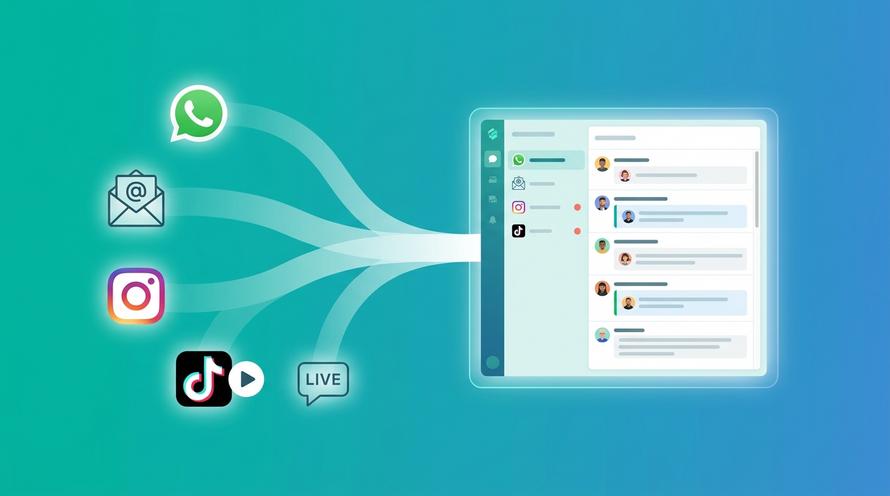
Omnichannel platforms like Trengo centralise emails, chats, and social messages into one inbox. This makes it easier to spot patterns in customer behaviour, track common questions, and create data-driven insights across different channels.
Can AI tools predict customer needs?
Yes. AI can identify patterns in customer data and suggest likely future requirements. For instance, predictive analytics can signal when a customer may need support or highlight opportunities for personalised recommendations.
How do analytics and reporting help in understanding customer needs?
Analytics show trends in customer queries, feedback, and satisfaction levels, while reporting makes them actionable. Tracking such data over time allows businesses to continually adapt their services to changing customer expectations.



Let's meet
Grow your business with loyalty. Bring all of your customer contact into one, single platform to unlock delight at every step of the way.