Voicebots vs chatbots explained: Which one is better?


Try Trengo for Free

Trengo unites WhatsApp, email, web, social media, and calls in one inbox, saving your team hours of repetitive work and ensures no conversation is ever lost
Artificial Intelligence (AI) is changing customer interactions, and two powerful tools—voice bots and chatbots—are at the forefront of this transformation. As businesses seek to enhance their customer service and streamline operations, the voice bot vs. chatbot debate has become increasingly relevant. Both technologies offer unique advantages in automating conversations and providing instant assistance to users.
Chatbots have become familiar on websites and messaging platforms, engaging users through text-based interactions. These AI-powered assistants interpret written queries and respond with pre-programmed or dynamically generated text, offering quick solutions to common inquiries and guiding users through various processes.
On the other hand, voice bots offer a more natural, speech-based interaction. By leveraging advanced speech recognition and natural language processing, voice bots can understand and respond to spoken commands, making them ideal for hands-free scenarios and voice-activated devices.
As we explore these AI agents' capabilities and applications in more detail, we'll explore how they're shaping the future of customer engagement and which solution might best suit different business needs and customer preferences.
Key differences between Chatbot and Voicebot
When considering implementing AI-powered customer service solutions, understanding the distinctions between chatbots and voicebots is crucial. Here's a comprehensive comparison of these two technologies:
While both chatbots and voicebots aim to enhance customer interactions, they cater to different user preferences and scenarios. Chatbots excel in situations where visual information is beneficial and users prefer typing, while voicebots shine in hands-free environments and for users who find speaking more natural than typing.
The choice between a chatbot vs voicebot often depends on the specific use case, target audience, and the nature of the information being exchanged. Many businesses opt to implement both technologies to provide a comprehensive and flexible customer service experience across various channels.
What is a Voicebot and how does it work?
A voicebot, also known as an AI voicebot or conversational voice agent, is an advanced artificial intelligence system designed to communicate with users through spoken language. These sophisticated tools can be integrated into various applications, devices, and platforms, offering a seamless and intuitive user experience.
Voicebot definition and workflow
To understand what a voicebot is, it's essential to break down its operational workflow:
- Speech Recognition: When a user speaks, the Automatic Speech Recognition (ASR) engine transcribes the spoken words into text.
- Natural Language Processing: The transcribed text is then passed to the Natural Language Processing (NLP) engine, which is the AI core of the voicebot.
- Response Generation: The AI engine processes the query and generates an appropriate answer in text form.
- Text-to-Speech Conversion: Finally, the Text-to-Speech (TTS) engine converts the text answer into spoken words, delivering a natural-sounding response to the user.
Voicebot benefits: enhancing user interaction
Implementing an AI voicebot can offer numerous advantages for businesses and users alike:
1. Natural Communication
One of the primary voicebot benefits is its ability to leverage voice - the most natural form of human communication. Voice interactions are typically three times faster than text-based exchanges, leading to more efficient and satisfying user experiences.
2. Improved customer engagement
Voicebots provide a conversational experience like speaking with a human over the phone. This seamless interaction can significantly enhance customer engagement and help businesses stand out.
3. Personality and customisation
Modern voicebots can be trained to exhibit personality traits, including humour, making interactions more enjoyable and memorable for users.
4. Integration with smart devices
AI voicebots can be integrated with popular voice assistants like Alexa and Google Home, allowing businesses to meet customers on their preferred platforms. This integration is becoming increasingly important, as recent statistics suggest that 75% of households in the USA will own at least one smart speaker in the near future.
Challenges in Voicebot Implementation
While voicebots offer significant benefits, there are some challenges to consider:
- Complexity Limitations: Voicebots may struggle with highly complex or nuanced conversations, potentially requiring human intervention for sophisticated queries.
- Training Data Requirements: Developing an effective voicebot requires clean, diverse datasets for training, which can be challenging to obtain for various languages, accents, and dialects.
- Integration Complexities: Incorporating voicebots into existing systems and databases can be technically demanding. It's crucial to choose a voicebot solution provider with pre-existing integrations to simplify this process.
What is a chatbot and how does it work?
A chatbot is an AI-powered software application that simulates human-like conversations through text-based interactions. This innovative technology, often referred to as an AI chatbot, uses natural language processing to understand and respond to user queries in a conversational manner. Chatbots can be easily integrated into various digital platforms, including websites, mobile apps, and popular messaging services like WhatsApp and Facebook Messenger.
Chatbot definition and functionality
At its core, a chatbot is designed to automate customer interactions, providing instant responses and support 24/7. The AI chatbot analyzes user input, interprets intent, and generates appropriate responses based on its programming and available data. This capability allows businesses to offer efficient self-service options to their customers, streamlining support processes and enhancing overall user experience.
Chatbot benefits: enhancing customer engagement
Implementing chatbots in your customer service strategy can yield numerous advantages:
1. Handling complex interactions
Chatbots excel at managing sophisticated use cases and non-linear conversation flows. They can present multiple options simultaneously, allowing users to navigate complex queries more easily than voice-based alternatives.
2. Easier training and implementation
One key chatbot benefit is the relative ease of training compared to voice-based systems. The abundance of text-based data makes it simpler to understand context and intent, leading to more accurate and efficient chatbot responses.
3. Rich media integration
Chatbots can enhance user engagement by incorporating various media types into conversations, such as images, videos, and GIFs. This multimedia approach can significantly improve the user experience and information delivery.
4. 24/7 availability
AI chatbots provide round-the-clock support, ensuring that customers can get assistance at any time, which is particularly valuable for businesses operating across different time zones.
5. Cost-effective customer service
By automating routine inquiries, chatbots can significantly reduce the workload on human agents, allowing them to focus on more complex issues and improving overall operational efficiency.
What are the challenges of using a chatbot?
While chatbots offer numerous benefits, they also come with certain challenges:
- Limited Understanding: Chatbots may struggle with complex or nuanced queries that require human-level comprehension.
- Lack of Empathy: AI chatbots can't truly understand or respond to emotions, potentially leading to unsatisfactory interactions in sensitive situations.
- Maintenance and Updates: Keeping chatbots current with the latest information and capabilities requires ongoing effort and resources.
- Privacy and Security Concerns: Handling sensitive user data through chatbots raises essential privacy and security considerations.
- User Frustration: If not well-designed, chatbots can frustrate users by failing to understand or provide relevant responses.
Chatbot and Voicebot: choosing the right solution for your business
When deciding between a chatbot vs voicebot for your business, it's crucial to consider various factors that align with your company's goals, target audience, and desired interactions. Let's explore the key considerations to help you make an informed decision:
1. User preferences and accessibility
- Chatbots excel in scenarios where users prefer typing and reading text-based messages. They're ideal for websites and messaging apps where visual information is paramount.
- Voicebots are perfect for hands-free interactions, catering to users who may be driving, multitasking, or have visual impairments.
2. Use cases and context
- Chatbots shine in providing customer support on digital platforms, guiding users through processes, and handling transactions via text-based interfaces.
- Voicebots are well-suited for environments without screens, such as smart speakers or car systems, and excel in tasks like setting reminders or controlling smart home devices.
3. Technology and implementation
- Implementing chatbots is generally more straightforward, involving integration with existing text-based platforms and natural language understanding (NLU) technologies.
- Voicebots require more advanced technologies, including Automatic Speech Recognition (ASR) and speech synthesis, which may necessitate specific hardware support.
4. Personalisation and user experience
- Chatbots personalize experiences based on text inputs and user-provided information.
- Voicebots can offer a more personalized experience by recognizing individual voices and adapting to unique vocal characteristics.
5. Integration and scalability
- Chatbots easily integrate with a wide range of digital platforms and can handle multiple conversations simultaneously.
- Voicebots may have limitations in terms of concurrent interactions but offer a more natural, conversational experience.
When comparing voicebot vs chatbot solutions, consider your audience's preferences, the nature of interactions you want to enable, and the technological infrastructure required. Both options have their strengths, and the best choice depends on your specific business needs and customer expectations.
In many cases, a hybrid approach combining both chatbot and voicebot functionalities can provide the most comprehensive and flexible solution, catering to a wider range of user preferences and use cases.
How can Trengo's AI solutions benefit your business?
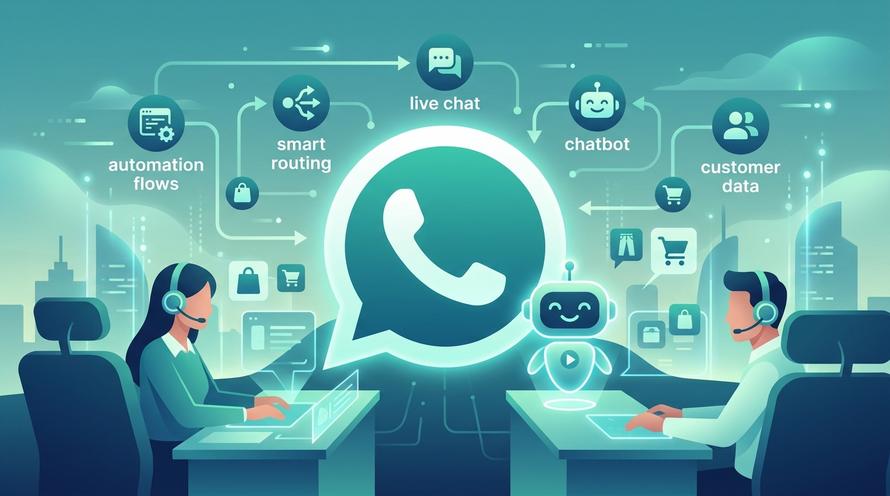
When considering the implementation of AI-powered customer service solutions, it's crucial to evaluate how they can streamline your operations and enhance customer satisfaction. Trengo's advanced AI tools are designed to automate key areas of your business, saving you both time and money.
Ultimately, the choice between a voicebot and a chatbot should be guided by which solution provides the most value to your customers. Trengo's versatile AI-powered tools ensure that you can offer the best possible customer experience, regardless of the communication channel.

Let's meet
Grow your business with loyalty. Bring all of your customer contact into one, single platform to unlock delight at every step of the way.