

Preisstrategien im B2B-E-Commerce zur Steigerung der Konversionsrate

Probier Trengo kostenlos aus

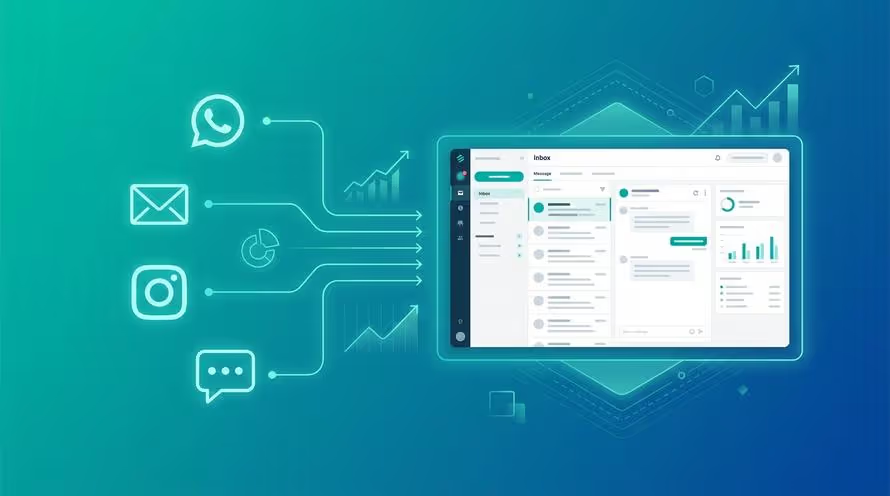
Trengo bringt WhatsApp, E-Mails, Web, Social Media und Anrufe in einem Posteingang zusammen, spart deinem Team stundenlange Routinearbeit und sorgt dafür, dass keine Unterhaltung verloren geht.
Trengo in Aktion sehen
- Umfassende Integrationen
- Einfache Konfiguration
- Skalierbare Preisstruktur
Preisstrategien für den E-Commerce zur Steigerung der Konversionsrate im B2B-Bereich
Zusammenfassung
Effektive Preisstrategien für den E-Commerce sind im Jahr 2026 der entscheidende Hebel für die Rentabilität im B2B-Bereich. Dieser Beitrag beleuchtet die wichtigsten Preismodelle – von wertorientierten und wettbewerbsorientierten Modellen bis hin zu Cost-Plus- und psychologischen Ansätzen – und liefert eine klare Definition sowie ein Rahmenkonzept für Preisstrategien. Wir analysieren Beispiele aus der Praxis von Marken wie Apple und Netflix und zeigen, wie man einen hybriden Ansatz entwickelt, der die KI-Automatisierung von Trengo nutzt, um komplexe Preisanfragen zu bearbeiten und den Verkaufszyklus zu beschleunigen.
TL;DR
- B2B-Einkäufer erwarten im Jahr 2026 die gleiche Transparenz wie im B2C-Bereich, weshalb eine formelle Preisstrategie für das Überleben und das Wachstum unerlässlich ist.
- Zu den wichtigsten Preisstrategien für Unternehmen gehören wertorientierte, wettbewerbsorientierte, Kostenaufschlag-, Premium- und psychologische Modelle.
- Top-Marken wie Apple (Premium) und Netflix (gestaffelte Abonnements) liefern wertvolle Erkenntnisse für B2B-Anwendungen.
- Die erfolgreichsten Unternehmen setzen auf einen hybriden Preisansatz, bei dem sie verschiedene Modelle kombinieren, um unterschiedlichen Segmenten gerecht zu werden.
- Die Automatisierung von Preisanfragen mithilfe eines KI-Agenten ist entscheidend, um Leads mit hoher Kaufabsicht zu gewinnen und das Kundenerlebnis zu verbessern.
- Eine klar definierte Preisstrategie muss mit allen anderen Marketingmaßnahmen abgestimmt sein, um die Konversionsrate zu maximieren.
Sind Preisstrategien im B2B-E-Commerce notwendig?
Ja, sie sind absolut notwendig. In der B2B-E-Commerce-Landschaft des Jahres 2026 ist das Festhalten an veralteten Methoden wie der einfachen „Cost-Plus“-Katalogpreisgestaltung ein direkter Weg, Geld auf dem Tisch liegen zu lassen oder gegen agilere Konkurrenten zu verlieren. Der moderne B2B-Käufer hat seine Erwartungen geändert und verlangt eine digitale, dynamische und transparente Preisgestaltung. Dies beantwortet die Kernfrage, warum Preisstrategien wichtig sind: Sie bieten einen strukturierten Rahmen, um auf Marktanforderungen, Maßnahmen der Konkurrenz und den wahrgenommenen Kundennutzen zu reagieren. Ohne eine formelle Strategie agieren Unternehmen blind und riskieren, wertvolle Innovationen unter Wert zu verkaufen oder standardisierte Waren überteuert anzubieten, was Einkaufsleiter abschreckt, die auf Marktpreise achten. Der Grund, warum die Preisstrategie im B2B-Bereich so entscheidend ist, liegt in ihrem direkten Zusammenhang mit langfristiger Kundenbindung und Rentabilität. So können effektive Preisstrategien für Start-ups beispielsweise auf Marktdurchdringung abzielen, um zunächst Fuß zu fassen, während Preisstrategien für Unternehmen mit Marktmacht die Dominanz ihrer Marke nutzen können, um Premiumpreise durchzusetzen. Ein durchdachter Ansatz bei Preisstrategien für Unternehmen ist keine Option mehr – er ist der Grundstein für nachhaltigen E-Commerce-Erfolg.
Preisstrategien zur Steigerung des B2B-Umsatzes
Der Schlüssel zu einem erfolgreichen B2B-E-Commerce-Betrieb liegt in der Auswahl und Umsetzung der richtigen Preismodelle. Hier spielen Preisstrategien im Marketingmanagement eine entscheidende Rolle, da sie eine gründliche Analyse der Käuferpsychologie, der Marktpositionierung und der wirtschaftlichen Rentabilität erfordern. Ein Preis ist nicht nur eine Zahl; er ist ein Signal für den Wert, die Qualität und die Marktposition deines Produkts. Im Folgenden analysieren wir die wichtigsten Preisstrategien, die B2B-Unternehmen im Jahr 2026 nutzen können, um den Umsatz zu steigern, die Rentabilität zu verbessern und dauerhafte Kundenbeziehungen aufzubauen. Jedes Modell hat eigene Methoden, Vorteile und potenzielle Nachteile, die sorgfältig abgewogen werden müssen.
Wertorientierte Preisstrategie
Die wertorientierte Preisgestaltung ist ein Modell, bei dem Preise in erster Linie auf dem wahrgenommenen oder geschätzten Wert eines Produkts für den Kunden basieren und nicht auf dessen Produktionskosten oder historischen Preisen. Dies ist eine der wirkungsvollsten Preisgestaltungsmethoden für B2B-Dienstleistungen, SaaS und hochinnovative Produkte, bei denen der Return on Investment für den Kunden erheblich und messbar ist. Um diese Strategie effektiv umzusetzen, müssen Unternehmen ausgefeilte Preisanalysen nutzen, um Kundenbedürfnisse zu verstehen, die Zahlungsbereitschaft einzuschätzen und den gelieferten Wert zu quantifizieren. Der Schlüssel liegt darin, den Fokus von den Kosten auf den Nutzen zu verlagern. Wenn deine Software einem Kunden beispielsweise jährlich 100.000 Dollar an Betriebskosten einspart, ist ein Preis von 20.000 Dollar leicht zu rechtfertigen. Dieser Ansatz bindet den Preis an das Ergebnis und macht ihn zu einer der profitabelsten Preisstrategien für Dienstleistungen.
Wettbewerbsfähige Preise und marktorientierte Strategien
Viele fragen sich: Was ist wettbewerbsorientierte Preisgestaltung? Dabei handelt es sich um eine Strategie, bei der du den Preis deiner Produkte auf der Grundlage der Preise der Konkurrenz festlegst. Dieser marktorientierte Ansatz ist vor allem in Branchen mit geringer Produktdifferenzierung verbreitet, in denen der Preis für Käufer ein entscheidender Faktor bei der Kaufentscheidung ist. Unternehmen, die wettbewerbsorientierte Preismodelle anwenden, können ihre Produkte je nach ihrer Markenpositionierung etwas günstiger, zum gleichen Preis oder etwas teurer als die Konkurrenz anbieten. Das kann zwar ein wirksames Mittel sein, um preisbewusste Kunden anzulocken, birgt aber ein erhebliches Risiko: den „Wettlauf nach unten“. Der ständige Versuch, die Konkurrenz zu unterbieten, kann die Gewinnmargen der gesamten Branche untergraben. Daher eignet sich dieses Modell im Rahmen von Preisstrategien in der Wirtschaft oft am besten für stark standardisierte Produkte, bei denen operative Effizienz der wichtigste Wettbewerbsvorteil ist.
Kosten-Plus-Preismethode
Die Cost-Plus-Preisgestaltung ist eine der unkompliziertesten Methoden zur Preisermittlung. Die dahinterstehende Formel ist einfach: Wareneinsatz (COGS) + Gemeinkosten + fester prozentualer Aufschlag = Preis. B2B-Unternehmen berechnen alle ihre direkten Kosten (Rohstoffe, Arbeitskräfte, Logistik) und indirekten Kosten (Miete, Gehälter, Marketing) und addieren dann eine festgelegte Gewinnspanne hinzu, um den endgültigen Verkaufspreis zu ermitteln. Der Hauptvorteil dieser Preisgestaltungsmethode liegt in ihrer Einfachheit und der Garantie, dass alle Kosten gedeckt sind. Ihr größter Nachteil ist jedoch, dass sie die Marktdynamik, die Preisgestaltung der Wettbewerber und vor allem die Wertwahrnehmung des Kunden völlig außer Acht lässt. Ein Produkt könnte für einen Kunden weit mehr wert sein als sein Cost-Plus-Preis, oder der Markt ist möglicherweise nicht bereit, den berechneten Preis zu zahlen, was diese Methode in einem dynamischen E-Commerce-Umfeld zu einer weniger strategischen Wahl macht.
Premium-Preispolitik und Preisschöpfung
Bei der Premium-Preisgestaltung wird ein hoher Preis festgelegt, um die Exklusivität, Qualität und den Luxus eines B2B-Produkts oder einer Dienstleistung widerzuspiegeln. Diese Strategie trägt dazu bei, eine hochwertige Markenwahrnehmung aufzubauen, und ist besonders effektiv für Unternehmen mit einem einzigartigen Wertversprechen oder einem erheblichen technologischen Vorsprung. Sie ist eine der gängigsten Preisstrategien für Lösungen im Unternehmensbereich. Eng damit verbunden ist das Preisabschöpfen, das oft als eine der wichtigsten Preisstrategien für neue Produkte eingesetzt wird. Beim Preisabschöpfen bringt ein Unternehmen ein innovatives Produkt zu einem hohen Preis auf den Markt, um den Umsatz mit Early Adopters zu maximieren, die bereit sind, einen Aufpreis zu zahlen. Im Laufe der Zeit, wenn Wettbewerber in den Markt eintreten oder das Produkt ausgereift ist, wird der Preis schrittweise gesenkt, um preisbewusstere Kundensegmente anzusprechen. So können Unternehmen ihre Forschungs- und Entwicklungskosten schnell wieder hereinholen.
Psychologische Preisstrategien
If you've ever wondered, what are the psychological pricing strategies?, you've encountered their effects daily. These strategies leverage human psychology to influence purchasing decisions, and they are just as effective on B2B procurement managers as they are on B2C consumers. The most common tactic is charm pricing, which involves ending a price in .99 (e.g., $999 instead of $1,000) to make it seem significantly lower. Another powerful strategy is tiered pricing, where three options are presented (e.g., Basic, Pro, Enterprise). The middle option is often priced and featured to look like the most logical and best-value choice, a psychological anchor that guides buyers. Understanding the pricing meaning behind these numbers is key to nudging customers toward a desired action without fundamentally changing the product's cost.
Ein Vergleich von Preisstrategien im E-Commerce
Wie die Kombination verschiedener Preisstrategien das Geschäft ankurbeln kann
Die fortschrittlichsten und erfolgreichsten B2B-Unternehmen im Jahr 2026 halten sich selten an eine einzige Preisgestaltungsmethode. Stattdessen entwickeln sie einen dynamischen, hybriden Ansatz, der die Stärken verschiedener Strategien vereint, um sich an unterschiedliche Produkte, Kundensegmente und Marktbedingungen anzupassen. Ein SaaS-Unternehmen könnte beispielsweise ein gestaffeltes Abonnementmodell als Grundlage nutzen, aber psychologische Preisgestaltungsprinzipien auf die Zahlen anwenden (z. B. 49 $/Monat, 99 $/Monat, 199 $/Monat), um die mittlere Stufe am attraktivsten erscheinen zu lassen. Es könnte auch eine wertorientierte Preisgestaltung nutzen, um die Funktionen innerhalb jeder Stufe zu rechtfertigen, indem es sie direkt mit dem ROI für den Kunden verknüpft. Dynamische Preismodelle können ebenfalls integriert werden, was Anpassungen in Echtzeit auf der Grundlage von Faktoren wie Lieferkettenanalysen, Lagerbeständen oder der Nachfrage der Nutzer ermöglicht. Erfolgreiche B2B-Unternehmen im Jahr 2026 wissen, dass Preisgestaltung nicht isoliert betrachtet werden kann. Es ist entscheidend, deine Preisgestaltung auf deine allgemeinen Marketingmaßnahmen abzustimmen, um einen schlüssigen Markteinführungsplan zu erstellen. Deine Preisgestaltung muss deinen Aktionskalender, dein Content-Marketing und deine allgemeine Markenpositionierung unterstützen – deshalb ist es so wichtig, effektive E-Commerce-Marketingstrategien zu verstehen.
Beispiele für Preisstrategien aus der Praxis von Top-Marken
Die Analyse der Preisstrategien globaler Giganten liefert wertvolle Erkenntnisse, die sich auf die Welt des B2B-E-Commerce übertragen lassen. Diese Marken beherrschen die Kunst der Preisgestaltung meisterhaft und verbinden wirtschaftliche Prinzipien mit Verbraucherpsychologie, um ihre jeweiligen Märkte zu dominieren. Für einen B2B-Manager kann das Verständnis dieser Modelle zu neuen Ansätzen bei der Gestaltung von Geschäften, der Einrichtung von Preisstufen und der Vermittlung von Mehrwert inspirieren.
Welche Preisstrategie verfolgt Apple?
Apple setzt meisterhaft eine Kombination aus Premium-Preisgestaltung und wertorientierter Preisgestaltung ein. Das Unternehmen legt die Preise für seine iPhones oder MacBooks nicht anhand der Kosten der einzelnen Komponenten fest, sondern orientiert sich am wahrgenommenen Wert des Designs, der Benutzererfahrung und des geschlossenen Ökosystems. Das von ihnen aufgebaute Markenprestige ermöglicht es ihnen, deutlich höhere Margen als die Konkurrenz zu erzielen. Die Erkenntnis für den B2B-Bereich lautet: Konzentriere dich darauf, ein überragendes, nahtloses Nutzererlebnis und eine starke Marke zu schaffen, bei der der Preis gegenüber Qualität und Zuverlässigkeit in den Hintergrund tritt.
Welche Preisstrategie verfolgt Walmart?
Walmarts Strategie ist unter dem Namen „Everyday Low Pricing“ (EDLP) bekannt. Anstatt häufig Sonderangebote oder Werbeaktionen durchzuführen, konzentrieren sie sich darauf, durchgehend niedrige Preise über ihr gesamtes Sortiment hinweg beizubehalten. Möglich wird dies durch ihre immense Größe und ihre hocheffiziente Lieferkette. Für B2B-Großhändler oder Distributoren kann dieses Modell äußerst effektiv sein, um großvolumige, preisbewusste Käufer anzusprechen, die Wert auf Vorhersehbarkeit und Beständigkeit bei ihren Beschaffungskosten legen.
Welche Preisstrategien verfolgt Tesco?
Tesco verfolgt einen hybriden Ansatz, bei dem vor allem Aktionspreise mit wettbewerbsfähigen Preisen kombiniert werden. Die Strategie des Unternehmens ist stark datengestützt und stützt sich auf das Treueprogramm „Clubcard“. So kann Tesco treuen Kunden personalisierte Rabatte und Sonderangebote bieten und gleichzeitig seine regulären Regalpreise im Vergleich zu anderen Supermärkten wettbewerbsfähig halten. Die Lehre für den B2B-Bereich liegt hier in der Bedeutung der Kundensegmentierung. Durch die Einrichtung von Treuestufen oder kundenspezifischen Preisen können B2B-Unternehmen ihre besten Kunden belohnen und Wiederholungskäufe fördern.
Welche Preisstrategie verfolgt Nike?
Nike ist ein Paradebeispiel für wertorientierte Preisgestaltung in Kombination mit Premium-Preisen, vor allem bei seinen limitierten Auflagen. Der Preis für ein Paar Air Jordans hat wenig mit den Kosten für Gummi und Stoff zu tun; er basiert auf dem wahrgenommenen Wert, der sich aus Sportlerwerbung, Markengeschichten und kultureller Bedeutung ergibt. B2B-Unternehmen können dies nachahmen, indem sie in den Markenaufbau und Thought Leadership investieren, um ihre Produkte als Branchenstandard zu positionieren und so einen höheren Preis zu rechtfertigen.
Welche Preisstrategie verfolgt Starbucks?
Starbucks nutzt wertorientierte Preisgestaltung und Premium-Preise, indem es ein „Erlebnis“ verkauft und nicht nur Kaffee. Das Ambiente, der Kundenservice und die Markenkonsistenz ermöglichen es dem Unternehmen, auf ein Massenprodukt einen erheblichen Aufschlag zu berechnen. Außerdem sind sie Meister im Produkt-Bundling und bei Upselling („Möchtest du dazu noch ein Gebäck?“). Die Entsprechung im B2B-Bereich besteht darin, ergänzende Dienstleistungen – wie Software, Hardware und Premium-Supportverträge – zu bündeln, um den Gesamtbestellwert zu steigern und dem Kunden eine umfassendere Lösung zu bieten.
Welche Preisstrategie verfolgt Netflix?
Netflix hat seine Branche mit gestaffelten Abonnementpreisen (Basic, Standard, Premium) revolutioniert, die mittlerweile zum Goldstandard für B2B-SaaS-Unternehmen geworden sind. Dieses Modell ermöglicht es ihnen, verschiedene Kundensegmente mit unterschiedlichen Bedürfnissen und Budgets anzusprechen. Anfangs nutzte Netflix auch die Penetrationspreisstrategie – also die Festlegung eines sehr niedrigen Einstiegspreises –, um schnell Marktanteile zu gewinnen und eine riesige Nutzerbasis aufzubauen, bevor die Preise schrittweise angehoben wurden. Das ist eine wirkungsvolle Strategie für B2B-Startups, die einen etablierten Markt aufmischen wollen.
Das Potenzial der richtigen Preisstrategie für dein Unternehmen
Ein noch so brillantes Geschäftsmodell mit ausgefeilten Preisstrategien wird jedoch wirkungslos, wenn die Customer Journey voller Reibungspunkte ist. Wenn ein potenzieller B2B-Käufer auf deiner Preisseite landet, tauchen sofort komplexe Fragen auf: „Bekommen wir einen Mengenrabatt ab 100 Lizenzen?“ oder „Ist die Onboarding-Gebühr eine einmalige Zahlung?“ Im Jahr 2026 kannst du es dir nicht leisten, diese hochinteressierten Leads abprallen zu lassen. Hier wird Automatisierung zu einem umsatzsteigernden Werkzeug. Durch die Implementierung eines KI-Chatbots direkt auf deiner Preisseite kannst du diese Interessenten in Echtzeit erfassen und konvertieren. Anstatt verwirrt abzubrechen, kann ein Käufer dem KI-Agenten Fragen zu individuellen Angeboten, Funktionen der verschiedenen Tarife und Abrechnungszyklen stellen. Die Automatisierung dieser routinemäßigen Preisanfragen beschleunigt nicht nur den Verkaufszyklus, sondern ist auch der schnellste Weg, um dein E-Commerce-Kundenerlebnis mit Trengo zu verbessern. Anfragen können sofort geklärt oder bei hochkomplexen Geschäften mithilfe des KI-Agenten von Trengo intelligent an den richtigen menschlichen Vertriebsmitarbeiter weitergeleitet werden , sodass kein Lead jemals kalt wird.
Häufig gestellte Fragen (FAQ)

Es gibt keine allgemeingültige „beste“ Preisstrategie, da die ideale Wahl stark von deinem Produkt, deiner Branche und deiner Zielgruppe abhängt. Für den B2B-E-Commerce im Jahr 2026 ist jedoch oft ein hybrider Ansatz am effektivsten, der wertorientierte Preisgestaltung mit gestaffelter Preisgestaltung kombiniert. Dieses Modell ermöglicht es dir, Preise auf der Grundlage des konkreten Werts festzulegen, den du bietest, und gleichzeitig verschiedene Segmente von Geschäftskunden anzusprechen – von kleinen Unternehmen bis hin zu Großkonzernen –, wodurch du deine Marktreichweite und deine Gewinnmargen maximierst.
Die Preisverankerung ist eine psychologische Preisstrategie, während das Preis-Skimming eine Strategie für den Produktlebenszyklus ist. Bei der Preisverankerung wird zunächst eine hochpreisige Option präsentiert, damit nachfolgende, günstigere Optionen im Vergleich dazu vernünftiger erscheinen. Beim Preis-Skimming wird ein neues, innovatives Produkt zu einem hohen Preis auf den Markt gebracht, um bei den Early Adopters maximale Einnahmen zu erzielen, und der Preis wird dann im Laufe der Zeit schrittweise gesenkt, wenn der Markt zunehmend gesättigt ist.
Die auf Marktplätzen und Plattformen übliche doppelseitige Preisgestaltung hat vor allem den Vorteil, dass sie schnell Netzwerkeffekte erzeugt. Indem eine Plattform einer Seite des Marktes (z. B. den Käufern) einen subventionierten oder kostenlosen Zugang bietet, kann sie rasch eine große Nutzerbasis gewinnen. Diese große Nutzerbasis wird dann zu einem starken Anreiz für die andere Seite des Marktes (z. B. die Verkäufer), sich anzumelden und für Premium-Zugang oder Transaktionsgebühren zu zahlen, wodurch ein positiver Wachstumszyklus entsteht.
Auch wenn Marketinglehrbücher sie oft anders einteilen, gibt es im Großen und Ganzen vier zentrale Preisstrategien: wertorientierte, wettbewerbsorientierte, Cost-Plus- und dynamische Preisgestaltung. Diese Kernkonzepte werden häufig in sieben oder acht verschiedene taktische Varianten unterteilt, um spezifische Geschäftsziele zu erreichen. Zu diesen Varianten gehören typischerweise Premium-Preise, Markteintrittspreise, Skimming und psychologische Preisgestaltung, wodurch Unternehmen ein vielfältiges Instrumentarium zur Auswahl haben.
Die beste Strategie hängt von der Branche ab. Kleine Unternehmen profitieren oft am meisten von wertorientierter Preisgestaltung oder Retainer-Modellen, da der Wert ihrer Dienstleistungen häufig weit über den Zeitaufwand für deren Erbringung hinausgeht. Im Gegensatz dazu setzen Unternehmen im Gastgewerbe, wie beispielsweise Hotels, fast ausschließlich auf dynamische Preisgestaltung und Ertragsmanagement und passen ihre Preise ständig an Saison, Nachfrage und lokale Veranstaltungen an.
Mehr erfahren




Interessiert an einem Gespräch?
Lassen Sie Ihr Geschäft durch Kundentreue wachsen. Vereinen Sie alle Ihre Kontakte auf einer einzigen Plattform, um bei jedem Schritt Begeisterung zu erzeugen.


© 2026 Trengo

Europäisches Unternehmen