Best AI agents for customer service in 2026 | Top solutions compared


Try Trengo for Free

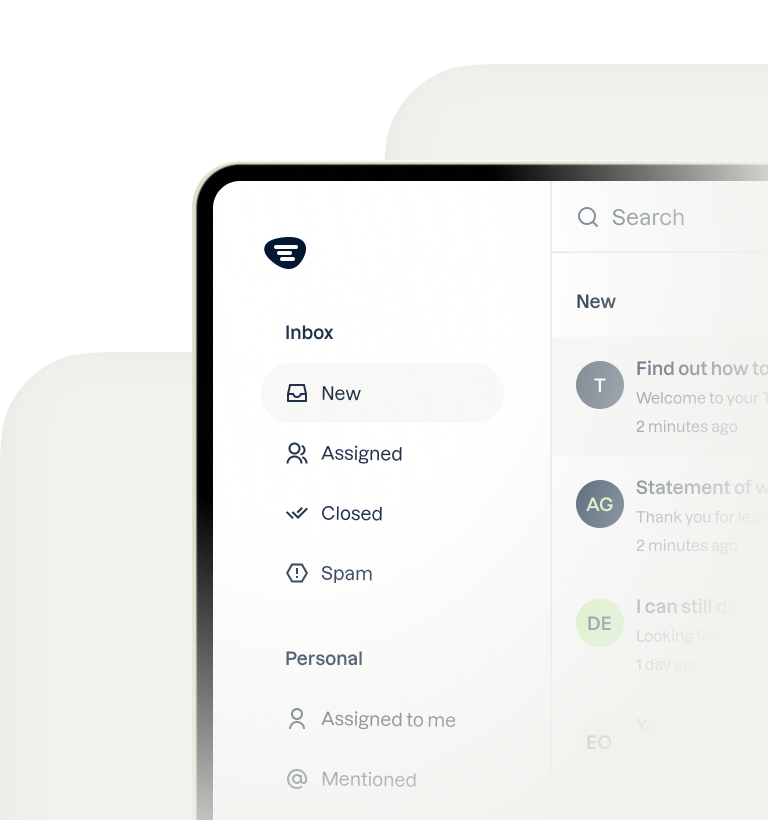
Trengo unites WhatsApp, email, web, social media, and calls in one inbox, saving your team hours of repetitive work and ensures no conversation is ever lost
Modern customers expect fast responses, proactive support, and reliable self-service options. AI agents for customer service make these expectations achievable by streamlining communication and improving efficiency.
The AI customer service market has exploded, with businesses reporting up to 80% faster response times and a 50% reduction in support costs after implementing AI agents. But with so many solutions available, the real challenge is finding the platform that best fits your business needs.
This guide provides a detailed comparison of leading AI customer service agents, including ratings, features, and pricing. Our goal is to give you a clear overview so you can choose the right solution to strengthen your customer interactions. Let’s start with the basics.
What are AI agents?
AI agents are intelligent software programs designed to interact with customers autonomously, using artificial intelligence to understand, process, and respond to customer inquiries. Unlike traditional chatbots that rely on pre-programmed responses, modern AI agents leverage machine learning, natural language processing, and advanced algorithms to provide contextual, personalised support.
These sophisticated systems can handle complex customer interactions across multiple channels, from live chat and email to social media and messaging apps. They learn from every interaction, continuously improving their ability to resolve issues and provide accurate information.
The key differentiator of AI agents lies in their ability to understand context, sentiment, and intent. They can analyse previous conversations, access customer history, and even predict customer needs based on behavioral patterns. This makes them incredibly effective at providing relevant, helpful responses that feel genuinely human.
Modern AI agents excel at tasks like answering frequently asked questions, processing orders, scheduling appointments, troubleshooting technical issues, and routing complex queries to appropriate human agents. They work 24/7 without breaks, ensuring consistent service quality regardless of time zones or peak demand periods.
How do customer support reps use AI?
AI is becoming a practical tool for customer support representatives. Instead of replacing them, it helps by taking on routine work so agents can spend more time on issues that need empathy and problem-solving skills.
Smarter ticket routing
When a customer submits a support request, AI reviews the details and decides where it should go. It considers factors such as how complex the problem is, what type of customer is asking, and which agent has the right skills. By doing this, AI makes sure tickets are assigned to the best person, which shortens waiting times and increases the chance of solving the problem on the first try.
Real-time help during chats
As agents talk to customers, AI can suggest answers in real time. It pulls up knowledge base articles, highlights possible solutions, and gives hints about how to reply. This means even if the issue is new, the agent does not have to start from scratch and can give accurate responses more quickly.
Understanding customer emotions
AI does more than just share information. It also listens for signs of frustration or unhappiness in the customer’s words and tone. If it detects that someone is upset, it can alert a supervisor or move the case to a higher level of support. This helps stop situations from escalating and ensures customers feel taken seriously.
Measuring and improving performance
After each interaction, AI looks at how the agent performed. It checks things like response time, accuracy, and customer satisfaction. Based on this data, it can suggest coaching tips that are tailored to each agent. Over time, this helps support teams improve their skills and deliver a better experience.
Keeping information up to date
AI also studies large numbers of conversations to find gaps in the company’s knowledge base. For example, if customers keep asking about a new feature that is not documented, AI will flag it so the team can update their resources. This ensures both human agents and AI systems always have the latest information.
A balanced partnership
By combining these abilities, AI handles repetitive tasks while human representatives focus on empathy, creativity, and complex problem-solving. The result is faster support, more accurate answers, and stronger relationships with customers.
8 best AI agents for customer support in 2026
After reviewing dozens of platforms, we’ve narrowed down the 8 best AI agents for customer support in 2026. Whether you are a small business aiming to scale or a large enterprise managing high volumes of requests, these AI agents represent the strongest options available to help you elevate your support operations this year.
1. Trengo AI Helpmate
Trengo's AI Helpmate stands out as a comprehensive AI-powered customer engagement platform that goes beyond simple chatbot functionality. Built for businesses that need seamless omnichannel support, Trengo combines powerful AI capabilities with an intuitive interface that requires no coding expertise.
Standout Features
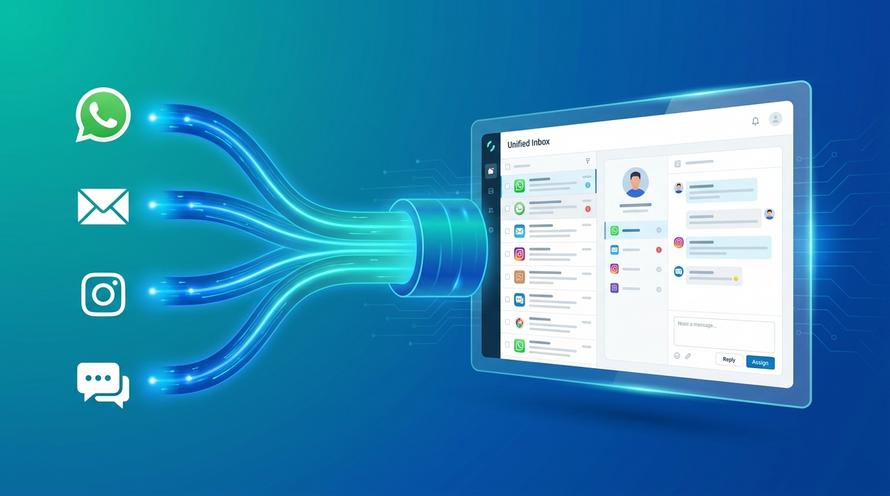
Trengo's AI Helpmate offers unified inbox management across WhatsApp, Instagram, Messenger, live chat, and email. The platform features no-code AI flowbots that can be customised without technical expertise, smart routing that automatically assigns conversations to the right team members, and integrated analytics that track both AI and human performance metrics.
The system provides automated responses for common inquiries, intelligent escalation to human agents when needed, and custom automation workflows that eliminate repetitive tasks. Real-time collaboration tools allow teams to work together seamlessly, while comprehensive reporting helps optimise support operations.
What We Liked
The platform's true omnichannel approach means customers can start conversations on one channel and continue on another without losing context. Setup is remarkably simple, with most businesses getting their AI agent running within hours rather than weeks. The smooth handover between AI and human agents happens within the same interface, maintaining conversation continuity.
Trengo's pricing structure is transparent and scales with business growth, making it accessible for startups while robust enough for enterprises. The AI learning capabilities improve over time, becoming more accurate at handling specific business scenarios.
What We Disliked
Advanced customisation options may require some learning curve for complex business processes. While the platform covers most popular channels, some niche messaging platforms aren't yet supported. The reporting features, while comprehensive, could benefit from more advanced data visualisation options.
2. Intercom Fin
Fin is positioned as the leading AI Agent for customer service, delivering high-quality answers and handling complex queries while integrating seamlessly with existing helpdesk systems including Zendesk. Intercom has built Fin to work across multiple support channels while maintaining the conversational flow that Intercom is known for.
Standout Features
Fin integrates directly into existing support workflows, following current assignment rules and automations. The AI agent escalates complex issues to human agents within the same ticketing system, maintaining context throughout the interaction. Advanced knowledge base integration allows Fin to provide accurate answers based on your company's specific information.
The platform offers customisable conversation flows, automated ticket creation, and intelligent routing based on issue complexity. Fin can handle multiple languages and provides detailed analytics on AI performance and customer satisfaction metrics.
What We Liked
Setup time is minimal, with most implementations completed within an hour. The AI demonstrates strong accuracy rates when properly configured with a comprehensive knowledge base content. Integration with existing Intercom workflows means minimal disruption to current processes.
What We Disliked
Intercom's pricing structure can be expensive for growing teams, potentially limiting accessibility for smaller businesses. The AI's effectiveness heavily depends on the quality and completeness of the knowledge base, requiring ongoing maintenance.
3. Zendesk AI
Zendesk offers a robust, AI-powered customer service solution that's purpose-built for CX and prioritises ease of use, cost savings, trust and security, and scalability. Their AI capabilities are deeply integrated into the Zendesk ecosystem, providing a comprehensive solution for enterprise-level support operations.
Standout Features
Zendesk AI provides intelligent ticket routing, automated response suggestions, and predictive analytics for customer behavior. The system offers multilingual support, advanced reporting capabilities, and seamless integration with Zendesk's existing tools and workflows.
Machine learning algorithms continuously improve response accuracy, while sentiment analysis helps prioritise urgent issues. The platform includes comprehensive admin controls and security features suitable for enterprise environments.
What We Liked
Enterprise-grade security and compliance features make it suitable for large organisations with strict data requirements. The deep integration with Zendesk's ecosystem provides a unified experience across all customer service functions.
What We Disliked
The complexity of features can be overwhelming for smaller teams or simpler use cases. Pricing can escalate quickly with additional features and higher user counts, making it less accessible for budget-conscious businesses.
4. Freshworks Freddy AI
Freshdesk is an AI-powered customer service solution that's easy to set up, simple to use, and built to boost agent productivity and deliver seamless customer experiences. Freddy AI represents Freshworks' commitment to making artificial intelligence accessible and practical for businesses of all sizes.
Standout Features
Freddy AI offers predictive contact scoring, intelligent ticket routing, and automated response capabilities. The system provides sentiment analysis, conversation summaries, and intelligent suggestions for agents during live interactions.
Integration with Freshworks' broader ecosystem allows for seamless customer journey tracking across sales, marketing, and support touchpoints. The AI learns from historical data to improve future interactions and recommendations.
What We Liked
The learning curve is relatively gentle, making it accessible for teams new to AI-powered support tools. Competitive pricing makes it attractive for mid-market businesses looking to implement AI without significant upfront investment.
What We Disliked
Advanced AI features may require higher-tier plans, potentially limiting functionality for businesses on basic packages. Some users report that the AI's accuracy improves significantly only after extensive training periods.
5. Ada AI
Ada positions itself as a conversational AI platform designed specifically for customer service applications. The platform focuses on creating natural, engaging conversations that resolve customer issues efficiently while maintaining a human-like interaction quality.
Standout Features
Ada's drag-and-drop conversation builder allows non-technical users to create sophisticated AI workflows. The platform offers advanced personalisation capabilities, multilingual support, and seamless handoff protocols to human agents when needed.
Integration capabilities extend beyond customer service to include CRM systems, e-commerce platforms, and business intelligence tools. Real-time analytics provide insights into conversation performance and customer satisfaction metrics.
What We Liked
The visual conversation builder makes it easy for marketing and support teams to create and modify AI interactions without developer involvement. Strong focus on conversation design results in more natural, engaging customer interactions.
What We Disliked
Pricing can become expensive as conversation volumes increase, potentially limiting scalability for high-volume support operations. Some advanced features require technical implementation that may need developer resources.
6. Drift Conversational AI
Drift combines sales and support AI capabilities, making it particularly attractive for businesses that want to handle both lead generation and customer service through a unified platform. Their AI focuses on real-time engagement and intelligent conversation routing.
Standout Features
Drift's AI excels at identifying visitor intent and routing conversations appropriately between sales and support teams. The platform offers advanced targeting capabilities, allowing different AI behaviors based on visitor characteristics or page context.
Integration with popular CRM and marketing automation platforms enables comprehensive customer journey tracking. Real-time notifications ensure human agents can jump into conversations when needed.
What We Liked
The dual focus on sales and support makes it efficient for businesses that want to handle both functions through one platform. Strong personalisation capabilities allow for highly targeted customer interactions.
What We Disliked
The sales-heavy focus might not be ideal for businesses that need primarily customer support functionality. Learning curve can be steep for teams unfamiliar with conversational marketing concepts.
7. LivePerson Conversational Cloud
LivePerson has evolved from traditional live chat to become a comprehensive conversational AI platform. Their focus on intent-driven conversations and advanced analytics makes them suitable for enterprise-level implementations.
Standout Features
The platform offers intent detection, automated conversation routing, and comprehensive analytics across all conversation channels. Advanced AI capabilities include sentiment analysis, conversation summarisation, and predictive routing based on customer history.
Enterprise-grade security features and compliance certifications make it suitable for regulated industries. The system supports complex conversation flows and integration with existing business systems.
What We Liked
Enterprise-level security and compliance features address the needs of highly regulated industries. Advanced analytics provide deep insights into customer behavior and conversation effectiveness.
What We Disliked
Implementation complexity may require significant technical resources and longer setup times. Pricing structure may be prohibitive for smaller businesses or those with simpler requirements.
8. ChatGPT-4 for Business
While not specifically designed for customer service, ChatGPT-4 has found significant application in customer support scenarios through API integrations and custom implementations. Its advanced language understanding capabilities make it highly effective for complex customer interactions.
Standout Features
Superior natural language understanding allows for highly nuanced customer conversations. The system can handle complex, multi-part questions and provide detailed, contextual responses. Integration flexibility allows businesses to embed the AI into existing systems and workflows.
Advanced reasoning capabilities enable the AI to work through complex problem-solving scenarios with customers. Regular model updates ensure continued improvement in response quality and accuracy.
What We Liked
Exceptional language understanding results in more natural, helpful customer interactions. Flexibility of implementation allows for highly customised solutions tailored to specific business needs.
What We Disliked
Requires technical expertise to implement effectively in customer service workflows. Lack of built-in customer service features means additional development work for functionality like ticket integration and conversation routing.
Now that you’ve seen how the top AI customer service platforms compare, let’s take a closer look at the key benefits they can bring to your business.
Benefits of using AI customer support tools
Adopting AI customer support tools can transform the way your business operates. Beyond saving costs, companies that use these solutions see faster response times, smoother workflows, and measurable boosts in customer satisfaction.
Faster issue resolution
AI helps your team move through customer questions much faster by handling the repetitive parts of the job. Simple requests like password resets, order tracking, or account updates can be managed automatically, which means your agents spend less time on small tasks and more time solving real problems. For the customer, that means shorter wait times and a smoother overall experience.
Higher customer satisfaction
Customers want to feel heard and supported right away. AI makes this possible by being available around the clock and providing instant answers, even when your human team is offline. When issues are resolved quickly and accurately, customers leave the interaction happier, more loyal, and more likely to come back. It creates a level of trust that is difficult to achieve when delays or long queues are involved.
Lower costs and greater efficiency
Running a support team can be expensive, especially during peak periods. AI takes on a big portion of the workload by answering common questions automatically, which helps you serve more people without adding extra staff. Over time, this lowers your operating costs and makes it easier to scale without stretching your budget. It also allows your team to focus on the kinds of conversations that really need a human touch.
Better first contact resolution
Nothing frustrates a customer more than having to reach out multiple times to solve the same problem. AI helps improve first contact resolution by giving your agents relevant suggestions and resources while they are handling the conversation. This way, customers get their answers in one go instead of being bounced around between departments. It creates a more seamless and stress-free experience for both sides.
Revenue growth and retention
AI is not just about fixing problems, it can also help your business grow. By learning from customer behaviour and past interactions, AI can recommend the right products or upgrades at the right moment. These personalised touches not only boost sales but also make customers feel understood and valued. Over time, that combination of better service and relevant suggestions helps keep customers coming back.
Reduced agent burnout
AI handles repetitive tasks like password resets, order tracking, and basic FAQs. This gives agents more time for meaningful conversations and problem-solving that require human judgment. It creates a healthier workload, improves job satisfaction, and helps teams maintain their focus on higher-value support.
Multilingual and multichannel support
AI systems manage customer conversations in multiple languages across channels, such as chat, email, social media, and phone. Businesses can reach a wider audience and maintain a consistent experience for every customer, no matter where or how they choose to connect.
Proactive customer engagement
AI tools can reach out before customers even ask for help. They can send reminders about renewals, provide updates on orders, or suggest upgrades based on past activity. This kind of proactive support builds stronger relationships and keeps customers engaged over time.
How to choose the right AI customer service solution
Choosing a suitable AI customer service solution requires careful consideration of your business needs, technical requirements, and growth objectives. The right choice will align with your current operations while providing room for future expansion.
Assess your current support volume and complexity
Begin by analysing your existing support ticket volume, types of inquiries, and resolution patterns. Understanding whether your customers primarily need simple FAQ answers or complex problem-solving will guide you toward solutions with appropriate capabilities.
Consider peak demand periods and seasonal variations that might require scalable AI support. Document your current response times, resolution rates, and customer satisfaction scores to establish baseline metrics for comparison.
Evaluate integration requirements
Examine your existing technology stack, including helpdesk software, CRM systems, and communication platforms. The ideal AI solution should integrate seamlessly with your current tools rather than requiring complete system replacements.
Consider the technical expertise available within your organisation. Some solutions require significant developer resources for implementation and customisation, while others offer plug-and-play functionality suitable for non-technical teams.
Define your channel strategy
Determine which communication channels are most important for your customer base. If your customers primarily use email and live chat, a solution focused on those channels might be sufficient. However, if you need omnichannel support across social media, messaging apps, and traditional channels, look for comprehensive platforms.
Consider future channel expansion plans and ensure your chosen solution can accommodate new communication methods as they become relevant to your business.
Budget and scalability considerations
Evaluate both initial implementation costs and ongoing operational expenses. Consider how pricing scales with usage, additional features, and team growth. Some solutions charge per conversation, while others use seat-based or flat-rate pricing models.
Factor in the total cost of ownership, including training, maintenance, and potential customisation expenses. The cheapest initial option may not provide the best long-term value if it lacks essential features or scalability.
Security and compliance requirements
Assess your industry's regulatory requirements and data security needs. Some sectors require specific compliance certifications or data handling procedures that not all AI solutions provide.
Consider where your data will be stored, how it will be processed, and what controls you'll have over customer information. Ensure the solution meets your organisation's security standards and regulatory obligations.
Trial and testing approach
Most reputable AI customer service solutions offer trial periods or pilot programs. Use these opportunities to test the system with real customer interactions rather than just demonstrations.
Involve your actual support team in the evaluation process to gather feedback on usability, effectiveness, and integration with existing workflows. Their insights will be valuable in making the final selection decision.
Final words
Customer service has entered a new era, and AI is now at the centre of it. Customers want quick answers, reliable support, and a seamless experience across every channel. Meeting those expectations requires tools that can keep pace with demand while helping your team stay efficient.
Among the platforms available today, Trengo is one of the strongest choices. It combines automation with multichannel support so you can manage chat, email, social, and phone conversations in one place. It also integrates smoothly with popular business tools, making it easier to streamline workflows and reduce time spent switching between systems. Trengo is designed to scale with you, whether you are running a small support team or managing a large customer service operation.
If you are ready to bring AI into your customer service strategy, start by setting clear goals and exploring how Trengo fits into your current setup. With its flexible features and straightforward implementation, Trengo gives your team the support they need to respond faster, work smarter, and deliver the level of service your customers expect.
Frequently Asked Questions (FAQs)
What are AI agents for customer support?
AI agents are advanced software systems that use artificial intelligence and machine learning to interact with customers, understand their queries, and provide automated responses. They handle routine support tasks like answering FAQs while freeing up human agents to focus on more complex interactions. Trengo’s AI Helpmate is an example of such an AI agent designed to enhance customer support.
How do AI agents improve customer support?
AI agents provide instant replies to common questions, reducing wait times and allowing human agents to concentrate on complex issues. This improves efficiency and customer satisfaction. Trengo’s AI Helpmate automates many support processes while maintaining consistent service quality.
What is the difference between AI agents, chatbots, and virtual assistants?
Chatbots typically follow scripted flows for simple queries, whereas AI agents like Trengo’s AI Helpmate use natural language processing to handle broader and more flexible conversations. Virtual assistants extend this functionality, managing additional tasks such as scheduling or offering personalised recommendations beyond customer support.
Are AI agents reliable enough to replace human support agents?
AI agents excel at handling routine queries but cannot match human empathy or judgement for complex or emotional issues. Trengo’s AI Helpmate is designed to assist human agents, improving efficiency without replacing the need for human expertise.
How do AI agents handle complex or emotional customer queries?
AI agents like Trengo’s AI Helpmate use sentiment analysis and keyword detection to identify when a query requires human intervention and seamlessly escalate such cases for personalised support.
Can AI agents work 24/7 without human supervision?
Yes, AI agents, including Trengo’s AI Helpmate, provide round-the-clock responses, ensuring customers receive immediate help any time of day, enhancing availability and satisfaction.
What features should I look for in the best AI customer support agent?
Essential features include natural language understanding, sentiment analysis, multilingual capabilities, smooth escalation to human agents, and integration with existing platforms. Trengo’s AI Helpmate combines all these features with seamless omnichannel integration.
Can AI agents provide multilingual support for global customers?
Yes, advanced AI agents such as Trengo’s AI Helpmate offer multilingual support, helping businesses deliver personalised service to customers worldwide.
How can AI agents help reduce customer support costs?
By automating repetitive questions and tasks, AI agents lower the volume of human-handled interactions and reduce operational costs. Trengo’s AI Helpmate helps businesses achieve these efficiencies while maintaining high service standards.
What are the best AI agents for customer support in 2026?
Top AI agents in 2026 include Trengo’s AI Helpmate, Zendesk Answer Bot, Freshdesk Freddy AI, and Intercom Resolution Bot—all combining AI with multichannel support capabilities.
Are there AI agents designed specifically for WhatsApp, Instagram, or email support?
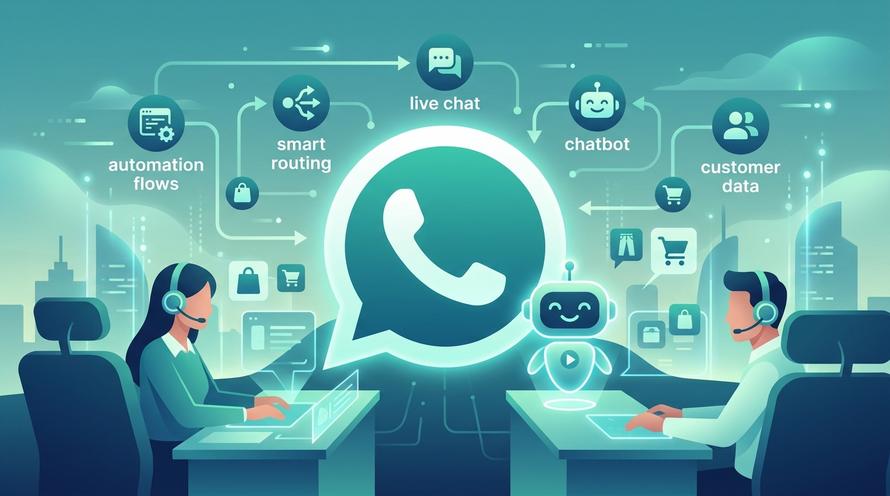
Yes, certain AI agents specialise in handling messages from platforms like WhatsApp, Instagram, or email. Trengo’s AI Helpmate operates across all these channels to provide consistent, automated customer support.
Can Trengo AI agents provide consistent support across WhatsApp, Instagram, and email?
Absolutely. Trengo’s AI Helpmate integrates seamlessly across WhatsApp, Instagram, and email, delivering consistent, automated responses and creating smooth omnichannel customer experiences.

Let's meet
Grow your business with loyalty. Bring all of your customer contact into one, single platform to unlock delight at every step of the way.