CRM Ticketing System: Unifying Conversations in 2026

Try Trengo for Free

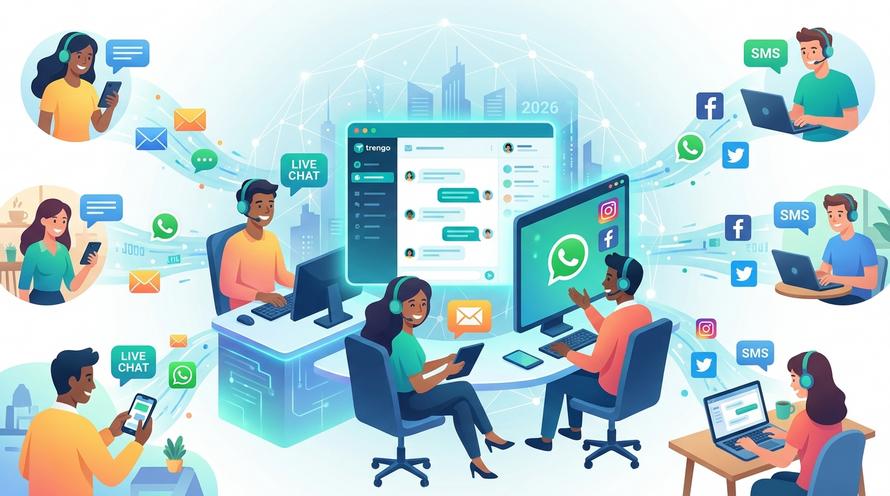
Trengo unites WhatsApp, email, web, social media, and calls in one inbox, saving your team hours of repetitive work and ensures no conversation is ever lost
CRM Ticketing System: Unifying Customer Conversations in 2026
Summary
A modern CRM ticketing system is no longer just for logging support issues; it's a central hub for managing all customer conversations. By unifying channels like email, WhatsApp, and live chat into a single view, these systems provide a 360-degree customer profile, boost team efficiency, and create a consistent customer experience. The best platforms blend a powerful shared inbox with automation and collaboration tools to transform your customer service from reactive to proactive.
TL;DR
- A modern CRM ticketing system has evolved from a simple issue tracker to a comprehensive conversational platform.
- The core feature is a multichannel shared inbox that unifies email, WhatsApp, live chat, and social media into one view.
- Key benefits include a complete 360-degree customer view, improved team efficiency, and a consistent omnichannel experience.
- Essential features to look for are a true unified inbox, seamless multichannel support, AI-powered automation, and built-in team collaboration tools.
- When choosing a system, prioritize your key customer channels, team needs, and integration capabilities.
- Solutions like Trengo are built for modern, multichannel communication, while others like Salesforce are geared towards large enterprises.
Your team is drowning in a sea of notifications. A customer asks a pre-sales question on your website's live chat, sends a follow-up via WhatsApp, and then replies to a marketing email with a support issue. Your sales team uses one tool, your support team another, and marketing manages social DMs separately. Each interaction is a disconnected island, forcing your agents to hunt for context and your customers to repeat themselves. This fragmented approach is frustrating, inefficient, and costly. It’s time to rethink the old model and embrace a unified solution designed for the way customers communicate today.
What is a CRM Ticketing System? And Why Tickets Are Now Conversations
A traditional CRM ticketing system is a software tool that customer service teams use to create, manage, track, and resolve customer issues. When a customer sends an email or fills out a support form, the system generates a "ticket," a digital record of that specific request. This ticket is assigned a unique number, categorized, and tracked until the issue is marked as resolved. For decades, this has been the standard for managing customer support. But in 2026, this model is fundamentally outdated.
Today's customers don't think in terms of "submitting a ticket." They just want to have a conversation. They expect to start a chat on your website, continue it on WhatsApp from their phone, and receive a summary via email, all without losing context. A modern CRM ticketing system understands this shift. It treats every inquiry, regardless of the channel it comes from, as part of a single, continuous conversation with a customer. This conversational approach moves beyond static tickets to create a dynamic, unified timeline of every interaction, all tied to a single customer profile in your CRM.
The Core Benefits of a Unified CRM and Ticketing Platform
Before diving into specific features, it's crucial to understand why consolidating your customer communication into a single platform is a game-changer for your business. Moving away from siloed tools delivers powerful, compounding advantages that impact your team, your customers, and your bottom line.
- 360-Degree Customer View: Stop the frantic search for context. When every email, chat, and WhatsApp message lives in one unified timeline, your agents can see the entire customer history at a glance. They know who the customer is, what they've purchased, and what they've asked before, enabling more personal and effective service.
- Boosted Team Efficiency: A single platform eliminates the need to switch between multiple tabs and applications. With all customer context and internal collaboration tools in one place, agents can resolve inquiries faster. Automation handles repetitive tasks, freeing up your team to focus on complex issues that require a human touch.
- Consistent Customer Experience: Deliver seamless, high-quality service no matter how a customer chooses to contact you. Whether they email you today and use live chat tomorrow, their experience feels like a single, continuous conversation with your brand, building trust and loyalty.
- Data-Driven Decisions: When all your conversational data is in one place, you can accurately track key metrics across every channel. Analyze team performance, identify common customer questions, and measure customer satisfaction to make informed decisions that improve your entire operation.
Beyond Email: Key Features of a Modern Multichannel CRM Ticketing System
The traditional helpdesk was built for an email-first world. An email ticketing system turns every message into a numbered ticket, which works well as long as email is your only channel. A modern customer service platform is built for a world of conversations, happening everywhere at once. When evaluating a new helpdesk ticketing system, look for these essential features that go far beyond a simple email inbox.
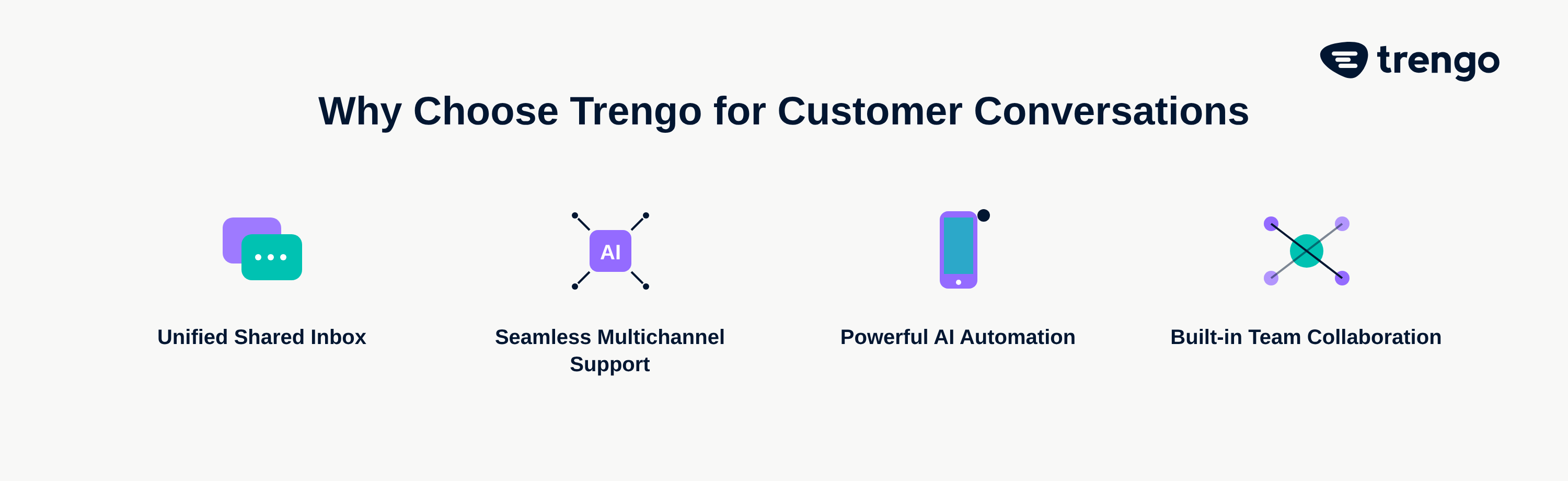
A True Unified Shared Inbox
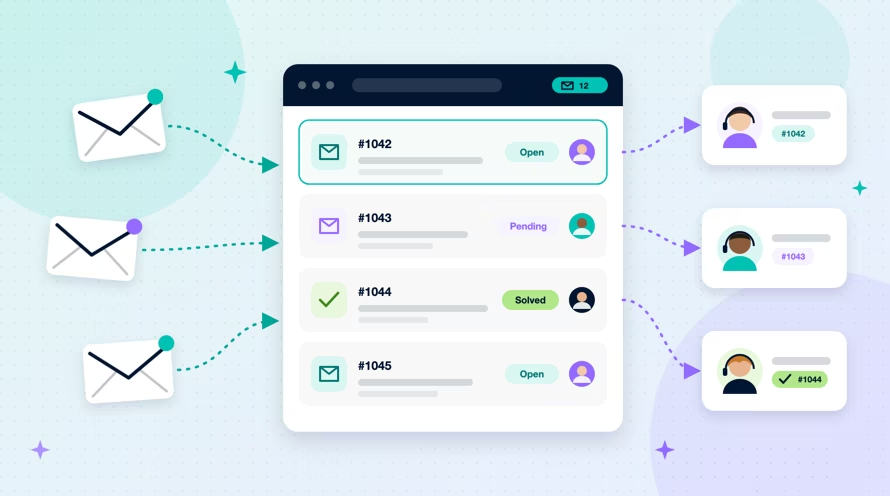
This is the command center of any modern customer service operation. A true unified multichannel shared inbox does more than just pool team emails. It consolidates every single customer-facing channel—WhatsApp, Messenger, Instagram, Live Chat, Email, SMS, and even Voice—into a single, collaborative view. Your team can see, manage, and respond to every incoming message from one screen, without needing to log in and out of different platforms. This is the fundamental difference between a legacy system and a true conversational platform.
Seamless Multichannel Support
The best CRM for ticketing system is one that meets your customers where they already are. Instead of forcing them to fill out a form on a support portal, you empower them to connect on their preferred channels. A modern platform should offer robust, native integrations for the channels your customers actually use, especially messaging apps like WhatsApp, which you can connect through the WhatsApp Business API. This flexibility not only improves the customer experience but also significantly increases engagement and response rates.
Powerful Automation and AI Capabilities
Efficiency at scale is impossible without intelligent automation. Modern CRM ticketing software automates workflows to save your team valuable time. Look for features like rules, which can automatically route incoming messages to the right team (e.g., all WhatsApp messages containing "price" go to sales). Quick replies allow agents to answer common questions with a single click, while AI-powered chatbots can handle inquiries 24/7, qualify leads, and seamlessly hand off conversations to human agents when needed.
Built-in Team Collaboration Tools
Resolving customer issues is often a team sport. A unified system should eliminate the need for external tools like Slack or Teams for support-related questions. Look for collaboration features built directly into the inbox. The ability to add internal notes within a customer conversation or @tag a colleague to ask a question without the customer seeing it is essential. This keeps all communication about a specific issue in one place, ensures clear ownership, and accelerates resolution times.
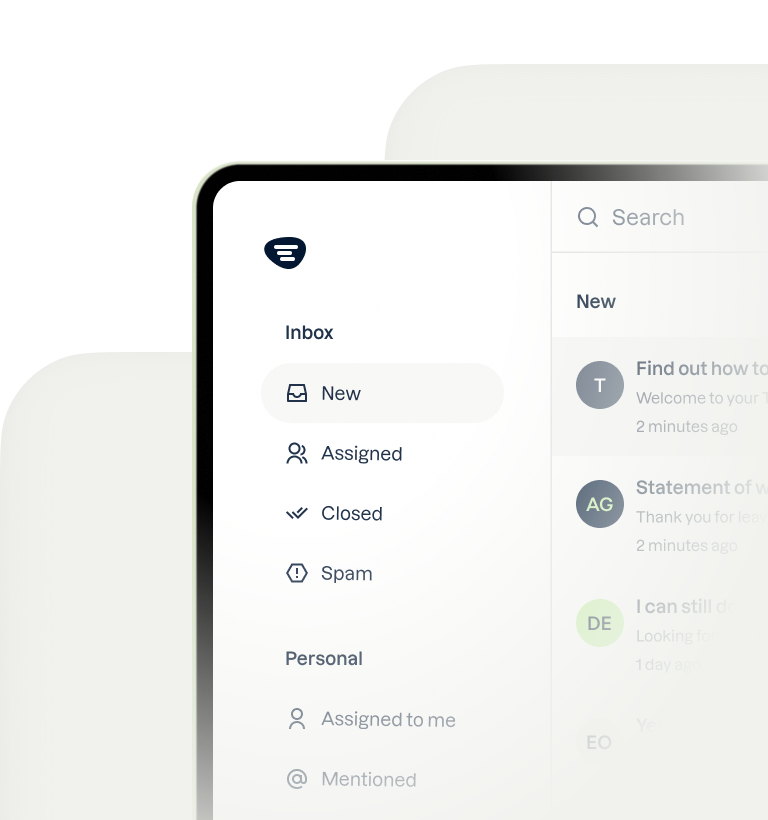
Every conversation in one shared inbox
WhatsApp, email, live chat, social and voice together, with the customer's details next to every conversation.
CRM Ticketing System Examples: Finding the Right Fit
The market for customer communication tools is vast, but not all systems are created equal. They often cater to different business sizes, needs, and philosophies. Here’s a look at a few common options and who they're best for.
Trengo: Best for Multichannel Conversation Management
Trengo is the definitive solution for SMBs and mid-market companies that prioritize a seamless, omnichannel customer experience. Its core strength lies in its powerful yet easy-to-use shared inbox that unifies dozens of channels, with a particularly strong focus on messaging apps like WhatsApp. With powerful collaboration features, an intuitive interface, and scalable automation, Trengo is built for teams that want to manage all customer conversations efficiently from one platform.
Salesforce Service Cloud: The Enterprise Powerhouse
Salesforce is a dominant force in the CRM world, and its Service Cloud is a comprehensive, enterprise-grade ticketing system. It offers immense power, endless customization, and deep integration with the wider Salesforce ecosystem. However, this power comes at a cost. For small to mid-sized businesses, Service Cloud is often overly complex, requires significant implementation resources, and carries a much higher price tag than more agile solutions.
HubSpot Service Hub: For the Inbound-Focused Business
For businesses already heavily invested in the HubSpot ecosystem for marketing and sales, Service Hub can be a logical choice. It integrates ticketing directly with the HubSpot CRM, providing a unified view for teams using the platform. While it's a solid option for inbound-focused companies, its multichannel capabilities are not as broad or as seamlessly integrated as a dedicated conversational platform like Trengo, especially for channels beyond email and live chat.
Open-Source & Free Options Zammad, etc.
Free and open-source CRM ticketing system options exist and can be tempting for businesses on a tight budget. They offer basic ticketing functionality that you can host yourself. However, this path comes with significant trade-offs. These systems typically have a steep learning curve, require technical expertise to set up and maintain, lack dedicated support, and offer limited features and integrations. For a growing business that values reliability, security, and scalability, the hidden costs of free software often outweigh the initial savings.
How to Choose the Right CRM Ticketing System for Your Business
Selecting the right platform is a critical decision that will impact your team's efficiency and your customers' happiness. Use this checklist to evaluate your options and make an informed choice.
- Identify Your Key Customer Channels: Where are your customers actually talking to you? Make a list of your must-have channels (e.g., WhatsApp, Instagram DMs, email) and prioritize solutions that offer robust, native integrations for them.
- Assess Your Team's Needs: How many users do you need? What collaboration features are non-negotiable? Consider features like internal notes, conversation assignment, and reporting that will help your team work together more effectively.
- Check for Essential Integrations: Your ticketing system shouldn't be an island. Ensure it can connect with your other critical business tools, such as your e-commerce platform (like Shopify or Magento), CRM, and other internal software.
- Prioritize Ease of Use: A powerful tool is useless if your team finds it difficult to use. Look for a clean, intuitive interface that your team can adopt quickly without weeks of extensive training. A free trial is a great way to test usability.
- Plan for Scalability: Choose a system that can grow with your business. Will it support more users, more channels, and a higher volume of conversations as you expand? Avoid solutions that will become a bottleneck in a year or two.
Frequently Asked Questions

The best system depends on your specific needs, but for businesses focused on providing fast, personal, and efficient support across modern channels like WhatsApp and social media, a conversational platform like Trengo is the ideal choice. It unifies all customer communication into a single shared inbox, which is more effective than traditional CRMs that simply bolt on a basic ticketing feature.
Yes, Salesforce's solution is called Service Cloud. It is a powerful, enterprise-grade platform designed for large organizations with complex service processes and large budgets. While extremely comprehensive, it is often too complex and expensive for what most small and mid-market businesses require for efficient customer communication.
The four main types of CRM are: Operational (automating sales, marketing, and service processes), Analytical (analyzing customer data to find insights), Collaborative (sharing customer information across teams and departments), and Strategic (focusing business culture on being customer-centric). A modern CRM ticketing system often blends elements of all four types to provide a comprehensive solution for customer engagement.
Yes, some providers offer free plans, but they come with significant limitations. These typically include a cap on users, limited features, restricted channel support (often email only), and no dedicated customer service. While they can be a starting point for very small teams, they are generally unsuitable for growing businesses that need scalability, reliability, and multichannel support.
Still switching between five inboxes?
Trengo puts every channel in one shared inbox.


Let's meet
Grow your business with loyalty. Bring all of your customer contact into one, single platform to unlock delight at every step of the way.