Social media customer service: What it is & how to implement?


Try Trengo for Free

Trengo unites WhatsApp, email, web, social media, and calls in one inbox, saving your team hours of repetitive work and ensures no conversation is ever lost
Social media has become much more than a place to connect—it’s now where customer service happens in real time. Customers expect brands to listen, respond, and resolve their issues directly through comments, mentions, and DMs. Ignoring them isn’t an option anymore.
According to recent studies, most customers believe that if a brand doesn’t respond on social media, they’ll switch to a competitor. That’s how powerful customer service through social media has become—it directly influences loyalty, satisfaction, and reputation.
With platforms like Facebook, Instagram, X, and LinkedIn becoming customer touchpoints, brands need to handle growing message volumes while maintaining personal, timely interactions. Every response, every emoji, and every minute counts.
In this guide, we’ll explore how to deliver exceptional customer service through social media, manage multiple channels efficiently, and turn every online interaction into a moment that builds trust and long-term relationships.
What is social media customer service?
Social media customer service is the practice of supporting and engaging customers directly through social platforms—whether it’s responding to comments, mentions, direct messages, or reviews. It allows brands to meet customers where they already are, creating faster and more convenient communication.
But it’s more than just replying to questions or complaints. Effective customer service through social media also includes sharing helpful resources, offering self-service options, and using automation tools like chatbots to handle simple queries. It’s about listening actively, resolving issues quickly, and building relationships that last beyond a single interaction.
Modern social media customer service also focuses on being proactive. This means analysing feedback trends, identifying common pain points, and improving the overall digital journey before customers even reach out.
When done right, social media customer service doesn’t just solve problems—it strengthens your brand reputation, increases satisfaction, and reduces the need for traditional call centre support. It’s a win-win for both customers and teams.
Why your business needs social media customer service
Providing customer service through social media isn’t just a trend—it’s now an essential part of how customers expect brands to communicate. Let’s explore why it matters and how it can positively impact your business.
1. Customers expect fast, visible responses
Today’s customers want instant answers. Whether it’s a comment on Instagram or a message on X, they expect quick, helpful replies. Studies show that a majority of customers prefer to reach out on social media rather than through email or phone. In fact, many expect a response within an hour.
Delivering fast, personalised replies builds trust—and failing to respond can quickly damage that trust. By offering customer service through social media, you meet customers exactly where they are, on the platforms they use every day.
2. Your brand reputation depends on it
Social media is a public stage. Every unanswered complaint or negative comment is visible to your audience. When handled well, though, these moments can become opportunities to show empathy, professionalism, and commitment to your customers.
Turning a complaint into a positive experience—especially in public view—can actually strengthen your brand image. It shows that your company listens, cares, and acts transparently.
3. It’s more cost-effective than traditional support
Supporting customers on social media costs significantly less than handling calls or emails. A single interaction on social typically costs a fraction of a traditional support request—and one agent can manage multiple conversations at once.
Beyond cost savings, social media support can increase lifetime value. Research has shown that customers who receive timely replies on social channels are more likely to buy again and even spend more with that brand in the future.
4. You can be proactive, not just reactive
The best brands don’t wait for issues to appear—they spot them early. Social media monitoring allows your team to detect customer pain points, track sentiment, and step in before a problem escalates.
By reaching out proactively—say, replying to a frustrated tweet or clarifying a trending concern—you show customers that you’re listening and care about their experience. That’s the kind of responsiveness that earns loyalty.
5. It’s no longer optional
In a world where online conversations shape brand perception, social media customer service is a must-have, not a nice-to-have. It helps businesses stay relevant, human, and connected.
When you use social media as a true service channel—not just for marketing—you turn interactions into opportunities to delight, retain, and grow your customer base.
Choosing the right social media channels for customer service
With so many social platforms available, it can be challenging to decide where to focus your customer service efforts. The answer lies in understanding one thing—where your customers are most active.
Your social media strategy should be built around your audience’s behaviour. Instead of trying to be everywhere, prioritise the platforms where your customers already engage with your brand, ask questions, or leave feedback.
1. Facebook and Messenger: the customer service staples
Facebook remains one of the most important platforms for social media customer service. With billions of monthly active users and integrated tools like Messenger, it allows brands to respond quickly and manage conversations at scale.
Customers often use Messenger for direct communication, making it a key channel for private issue resolution, order tracking, and updates. Facebook’s public comment section, meanwhile, is where brands can demonstrate their responsiveness for everyone to see.
2. WhatsApp: for personal, one-to-one support
With over 2 billion users worldwide, WhatsApp has become a go-to for customer communication. Its real-time messaging and business tools make it ideal for providing fast, personal, and secure support.
Using WhatsApp Business or WhatsApp API integrations, teams can automate responses, share order details, and manage conversations efficiently—all from one inbox.
3. Instagram: visual engagement meets instant support
Instagram isn’t just for brand storytelling—it’s also a major customer service channel. Many users reach out through DMs or comments when they have questions about products or services.
Brands that respond promptly in these spaces often see higher engagement and stronger loyalty. Using Instagram for service also helps humanise your brand by showing care and transparency in public threads.
4. X (formerly Twitter): real-time interaction and reputation management
X is the platform where speed matters most. Customers often turn to it for quick updates, complaints, or public feedback. A fast, professional response can defuse frustration and turn negative experiences into positive impressions.
It’s also a valuable space for monitoring brand mentions and sentiment—allowing your team to stay proactive and respond to issues before they escalate.
5. YouTube, LinkedIn, and emerging platforms
Depending on your audience, other channels can also play a role.
- YouTube can be used for how-to tutorials and product support videos.
- LinkedIn is ideal for B2B communication and customer engagement.
- Emerging platforms like TikTok and Threads are gaining traction for interactive, conversational support.
The key is not to spread your team too thin. Focus on the platforms where engagement is highest and conversations are most relevant to your business.
How to use social media for customer service
Social media allows brands to connect with customers in real time, offering quick, personal, and meaningful support. When used strategically, it turns public conversations into opportunities to build trust and loyalty. Here’s how to make the most of it.
1. Monitor conversations actively
Great customer service starts with awareness. Keep a close eye on what people are saying about your brand—not just in direct mentions, but across comments, hashtags, and reviews.
Using social listening tools helps you track keywords, brand mentions, and sentiment in real time. This allows your team to spot questions, address concerns, and respond before small issues turn into larger ones.
2. Respond quickly and consistently
Customers expect fast responses, especially on platforms where communication is instant. Whether it’s a public comment or a private message, respond promptly and maintain a consistent tone of care and professionalism.
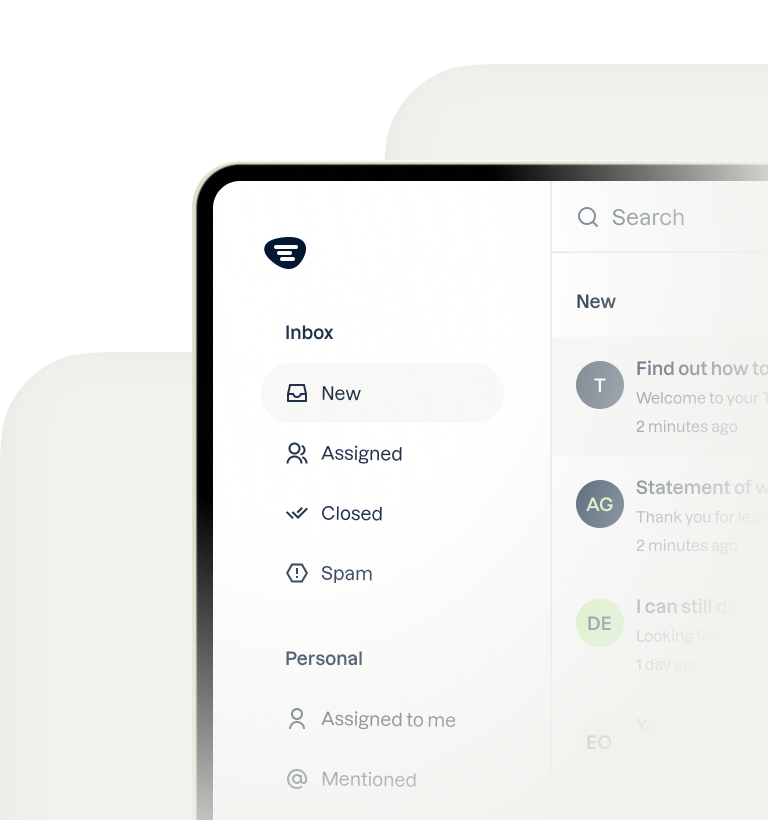
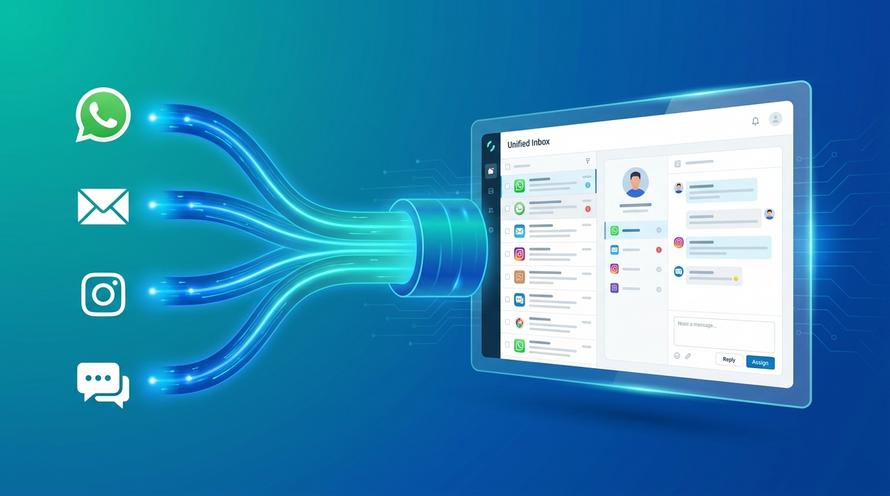
Centralising your inbox with tools like Trengo ensures that messages from all your social channels—Facebook, Instagram, X, WhatsApp, and others—come into one shared view. This way, no question goes unanswered, and your team can respond faster and more efficiently.
3. Balance public and private conversations
Not every issue should be handled in public. Start by acknowledging the customer’s concern openly to show accountability, then move the conversation to direct messages for details or resolution.
This approach demonstrates transparency while protecting customer privacy. It also helps your brand showcase responsiveness without exposing sensitive information.
4. Personalise every interaction
Customers appreciate feeling heard and recognised. Use customer profiles and past interaction history to tailor your responses. Address them by name, reference their previous queries if possible, and adjust your tone to match the situation.
With Trengo, you can view complete conversation histories, assign messages to the right team members, and craft thoughtful, personalised responses that strengthen relationships over time.
5. Automate smartly without losing the human touch
Automation can be a game changer for handling repetitive tasks, like FAQs or order updates. Use automated replies or chatbots to provide instant answers, but always make it easy for customers to connect with a real person when needed.
This combination of automation and empathy ensures that your support stays efficient without feeling robotic.
6. Turn feedback into improvement
Every comment, mention, or review is valuable data. Analyse social feedback regularly to identify patterns, common issues, and opportunities to improve your products or services.
By closing the loop—listening, acting, and communicating updates—you show customers that their voices truly matter.
12 tips for providing great social customer service
Delivering excellent customer service through social media goes beyond answering messages—it’s about being attentive, empathetic, and consistent. Whether your team is just getting started or scaling an existing strategy, these tips will help you deliver fast, personal, and human support that builds loyalty.
1. Use a social media customer service tool
Managing multiple platforms manually can get overwhelming fast. A dedicated tool like Trengo brings all your messages—from Facebook, Instagram, WhatsApp, X, and more—into a single shared inbox.
This helps your team respond faster, collaborate better, and never miss a message. You can also track performance, measure response times, and identify areas for improvement—all from one place.
2. Audit your current process
Before improving your strategy, review what’s already working. Conduct a simple audit to identify strengths, weaknesses, and gaps in your social service workflows.
Ask questions like:
- Are we responding fast enough?
- Do we track feedback consistently?
- Are we missing messages from key platforms?
An honest audit helps you set realistic goals and design smarter workflows.
3. Respond faster
Speed matters on social media. Most customers expect a reply within an hour, so aim to reduce your average response time.
Set response time goals for your team and use automation for FAQs to save time. Centralising your social channels also helps you respond consistently without switching between apps.
4. Track and categorise customer issues
Create a simple tracking system to capture recurring questions, complaints, or feedback. Tag messages by topic—such as “billing,” “shipping,” or “technical issue”—to spot trends and improve efficiency.
This not only helps resolve issues faster but also gives you data-driven insights into how customers interact with your brand.
5. Personalise canned responses
Canned responses save time, but they should never sound robotic. Personalise them by adding the customer’s name, referencing their concern, and matching their tone.
With Trengo’s AI assist tools, you can instantly adapt your reply to sound more professional, empathetic, or conversational—without losing authenticity.
6. Maintain a consistent brand voice
When multiple people handle social support, consistency matters. Define your tone of voice—friendly, calm, professional, or playful—and make sure every team member applies it.
Create a short brand voice guide with examples of do’s and don’ts. This ensures that every reply sounds like it’s coming from one trusted, unified brand.
7. Have a clear escalation process
Not every issue can be resolved on the spot. Define how and when to escalate complex cases to other departments, such as billing or technical support.
A clear workflow prevents confusion, avoids duplicate work, and ensures customers don’t feel passed around.
8. Use social listening to stay proactive
Don’t wait for customers to tag you—monitor keywords, hashtags, and brand mentions regularly. Social listening tools help you uncover what people are saying about your brand, competitors, and industry trends.
Proactive engagement—like jumping into a conversation or offering help unprompted—shows customers you’re attentive and care about their experience.
9. Turn negative feedback into opportunity
Negative comments aren’t failures—they’re feedback. Acknowledge the issue publicly, apologise sincerely, and take the conversation private to resolve it.
This approach not only helps the customer but also shows everyone else that your brand values honesty and accountability.
10. Use AI to scale smarter
AI-powered tools can handle repetitive tasks like FAQs, order updates, or sentiment analysis. Use them to detect urgent messages, summarise conversations, and suggest empathetic replies—helping agents focus on complex issues.
Automation boosts efficiency without losing the human touch when used thoughtfully.
11. Offer multilingual support
If your audience is global, providing support in multiple languages is essential.
Here’s how to make it work:
- Hire multilingual team members where possible.
- Use AI translation tools to support quick replies.
- Localise FAQs and help articles for different regions.
This ensures inclusivity and helps every customer feel understood.
12. Learn and improve continuously
Great customer service is never static. Regularly review your metrics—response times, satisfaction scores, and recurring issues—and adjust your approach accordingly.
Share learnings with your wider team to keep everyone aligned and motivated to provide excellent service.
Social media customer service examples and use cases
We’ve talked about why social media customer service matters and how to deliver it effectively. Now, let’s look at a few real-world examples of brands that are doing it right. These cases show how the right tone, response time, and empathy can turn online interactions into lasting customer relationships.
1. Marks & Spencer – adding personality to support
Marks & Spencer has mastered the art of sounding human online. Their replies on X are friendly, conversational, and often include emojis to express empathy. When responding to a complaint about one of their products, the team opened with “Oh no!”—instantly showing concern while keeping the tone light.
This casual, approachable communication style makes customers feel heard and appreciated. It’s a reminder that even large brands can maintain warmth and personality while being professional.
2. PNC Bank – proactive communication in a regulated space
Financial brands often have to balance empathy with compliance, but PNC Bank does both brilliantly. Their social media team regularly checks for mentions and proactively reaches out to customers who may need help, even before they make a formal complaint.
By doing this, PNC shows that good customer service isn’t just about reacting—it’s about anticipating needs. Their responsiveness and professionalism have helped them build a reputation for reliability and trust in a tightly regulated industry.
3. Aldi Australia – prompt engagement and smart direction
Aldi Australia is known for its fast and efficient social media replies. Their team actively encourages customers to reach out online and ensures that each message receives a response.
If a query requires additional help, Aldi’s team guides users to the right place—whether that’s customer support lines, newsletters, or stock updates. This efficient, organised approach keeps customers informed while reducing friction in the support process.
4. Microsoft Azure – expert support for a technical audience
Microsoft Azure’s social media team offers clear, actionable guidance tailored for IT professionals. They use X to monitor feedback, clarify technical documentation, and provide real-time updates on service issues.
Their strength lies in delivering precise, solution-oriented responses that demonstrate deep product knowledge. For technical brands, this level of responsiveness not only solves problems but also builds credibility among professional users.
5. Sephora – turning engagement into loyalty
Sephora sets the gold standard for beauty industry customer service on social media. Their team responds quickly to inquiries on Instagram and X, offering product recommendations, promotions, and personal advice.
Every reply feels genuine and friendly, maintaining Sephora’s signature tone across all platforms. By consistently engaging and solving issues in real time, they strengthen customer loyalty while enhancing brand trust.
Measure social media customer service with 6 key metrics
How do you know if your social media customer service is working? The answer lies in the data. By tracking a few key metrics, you can see how well your team is performing, identify what’s working, and spot areas for improvement.
Here are six important metrics to measure your social customer service success.
1. Response time
This metric tracks how quickly your team responds to messages and comments. The faster the reply, the better the experience. Customers value quick answers—especially on social media, where real-time engagement is the norm.
Set clear response time goals, and use automation tools like Trengo’s shared inbox or chatbots to speed up initial replies while keeping your support human and personal.
2. Resolution rate
Your resolution rate shows how many customer issues are successfully resolved through social media. A high rate means your team isn’t just answering questions—they’re solving problems.
Tracking this helps identify if certain platforms or query types need extra attention, and whether your workflows are set up to deliver quick, accurate solutions.
3. Customer satisfaction (CSAT) score
After resolving a query, a simple follow-up message asking, “How was your experience?” can reveal valuable insights. The CSAT score measures how satisfied customers are with your service.
Consistently high CSAT scores indicate that your team is meeting or exceeding expectations. Low scores, on the other hand, help pinpoint where improvements are needed—such as tone, speed, or clarity of communication.
4. Volume of queries
This tracks how many messages, mentions, and comments your brand receives over a specific time period. Spikes in query volume may point to trending topics, product issues, or campaign reactions.
Monitoring this metric helps you plan staffing levels, identify emerging patterns, and prioritise issues more effectively.
5. Engagement rate
Your engagement rate shows how much your audience interacts with your posts—through likes, comments, shares, or replies. While it’s not a direct service metric, it reflects how well your brand communicates and how engaged your community feels.
A strong engagement rate often signals that customers trust your brand and are comfortable reaching out publicly for help.
6. Customer sentiment
Sentiment analysis measures how customers feel about your brand. By analysing the tone of comments and messages—positive, neutral, or negative—you can gauge overall perception.
A sudden rise in negative sentiment can highlight an issue early, while positive feedback helps confirm that your team’s approach is working.
With Trengo’s built-in analytics and automation tools, you can easily track these insights across all your social platforms in one place—saving time and ensuring nothing slips through the cracks.
Tips for using social customer service during a crisis
Even the most trusted brands encounter tough moments online. How you handle them determines whether you lose trust or strengthen it. Here’s how to manage social customer service effectively during a crisis:
Stay calm and professional
- Keep a level tone and avoid defensive responses.
- Show empathy with phrases like “We’re really sorry this happened and we’re looking into it right away.”
- Stay human—professional doesn’t mean impersonal.
Acknowledge concerns quickly
- Respond as soon as possible to prevent frustration from escalating.
- Even if you don’t have all the answers, let customers know you’ve seen their message and are working on a solution.
- Consistent, timely communication builds confidence.
Be accurate and consistent
- Share only verified information across all channels.
- Keep messaging aligned on Facebook, X, Instagram, and others.
- Clear, consistent updates help prevent misinformation and maintain credibility.
Take sensitive conversations offline
- If the issue involves private or detailed information, move the chat to direct messages or email.
- Publicly acknowledge the concern first, then resolve it privately for efficiency and confidentiality.
Monitor social sentiment closely
- Track mentions, hashtags, and comments related to your brand.
- Identify potential issues early before they escalate.
- Tools like Trengo help centralise and manage responses across platforms for better visibility.
Follow up after resolution
- Once the issue is resolved, send a short follow-up message to check if the customer is satisfied.
- Example: “We just wanted to make sure everything’s working smoothly now.”
Final words
Social media has become more than a place to post updates — it’s where customers expect real, responsive service. Every comment, tag, and message is an opportunity to build trust, strengthen relationships, and showcase your brand’s commitment to care.
By using the right tools, tracking the right metrics, and communicating with empathy, your team can turn every social interaction into a positive experience. Whether it’s resolving issues quickly, engaging authentically, or providing proactive support, customer service through social media helps you connect with your audience on a deeper level.
And with Trengo, it’s easier than ever to manage all your conversations in one place. Bring messages from Facebook, Instagram, WhatsApp, and more into a single shared inbox — empowering your team to respond faster and smarter.
Get your free demo today and see how Trengo helps you deliver exceptional social media customer service that turns followers into loyal customers.
Frequently Asked Questions (FAQs)
How can I use social media to deliver exceptional customer service?
Delivering exceptional customer service on social media starts with being proactive and responsive. Monitor all your channels closely to identify questions, feedback, and complaints early. Use tools like Trengo to centralise conversations from WhatsApp Business, Facebook, Instagram, and other platforms in a single inbox. This ensures no message goes unnoticed. Respond promptly, address customers by name, and tailor solutions to their specific needs. Consistency in tone, empathy, and follow-up is key to building trust and long-term loyalty.
What’s the fastest way to respond to customer complaints on social media?
Speed matters. Set up real-time notifications for incoming messages and comments. With Trengo, you can route conversations automatically to the right team member and use quick reply templates to save time while still offering personalised responses. Automating first replies with a friendly acknowledgement buys you time to investigate while reassuring the customer they’ve been heard.
How do I make customer interactions on social media feel more personal?
Personalisation goes beyond using someone’s name. Reference their previous purchases, preferences, or interactions when replying. Trengo keeps a full conversation history, so your team always has context. Add a human touch by using a warm tone, emojis (where appropriate), and adapting your style to match the customer’s communication style. Show genuine interest in their issue and follow up after resolution to check they’re satisfied.
What’s the best way to handle angry or rude customers on social media?
Stay calm, listen actively, and avoid taking the message personally. Acknowledge their frustration and show empathy before offering a solution. If the situation escalates, move the conversation to a private channel to avoid public conflict. Trengo makes this easy by letting you switch between public comments and private messaging in the same thread. Always keep your tone professional and document the interaction for future reference.
Should I reply publicly or move a customer service issue to private messages?
Start by replying publicly to show others you’re responsive and willing to help. Then, invite the customer to continue the conversation privately to protect their personal information and resolve the issue in detail. Trengo allows you to manage both public and private interactions seamlessly, ensuring nothing gets lost between channels.
How can I track and manage all social media customer inquiries in one place?
Using a unified inbox is the most efficient way. Trengo integrates multiple social platforms into one dashboard, so your team can manage, assign, and respond to every message without switching tabs. You can also tag, filter, and prioritise conversations, ensuring urgent cases are handled first. Analytics within Trengo help track response times, resolution rates, and customer satisfaction.
What are the dos and don’ts of customer service via social media?
Dos:
- Respond promptly and consistently.
- Use polite, empathetic language.
- Personalise your replies.
- Follow up after solving an issue.
- Keep a consistent brand voice.
Don’ts:
- Ignore or delete legitimate complaints.
- Use generic copy-paste replies without context.
- Get defensive or argue publicly.
- Share personal customer details in public comments.
Can I use AI chatbots for customer service on social media without sounding robotic?
Yes. Modern AI chatbots can deliver friendly, human-like interactions when set up correctly. With Trengo’s AI chatbots, you can design conversational flows that answer FAQs, collect details, and offer personalised product recommendations. Keep responses natural, use warm language, and ensure there’s a quick handover option to a human agent when needed. This balance ensures efficiency without sacrificing personal connection.


Let's meet
Grow your business with loyalty. Bring all of your customer contact into one, single platform to unlock delight at every step of the way.