What Is Good Customer Service? 2026 Guide & Examples


Try Trengo for Free

Trengo unites WhatsApp, email, web, social media, and calls in one inbox, saving your team hours of repetitive work and ensures no conversation is ever lost
What is Good Customer Service? A 2026 Guide to Exceeding Expectations
Summary
Defining what is good customer service in 2026 goes beyond simply solving problems. It involves creating a fast, personalized, and consistent experience across every communication channel. This comprehensive guide explains why excellent service is critical for business growth, details the seven core qualities that define it, and provides actionable examples and interview advice. Ultimately, achieving this level of service hinges on effective team collaboration and leveraging a unified customer service platform to manage all interactions seamlessly.
TL;DR
- Good customer service has evolved from reactive problem-solving to creating proactive, personalized customer experiences.
- Investing in quality service drives customer loyalty, boosts revenue through upselling and word-of-mouth, and builds a strong brand reputation.
- The core qualities of modern service are speed, personalization, omnichannel consistency, empathy, proactivity, product knowledge, and effective problem-solving.
- Modern customer service requires tools that unify all communication channels, such as a shared inbox, to enable efficient team collaboration.
- Answering "what is good customer service" in an interview is best done using the STAR method to provide a structured, real-world example.
- Great service exceeds expectations by not just solving the current issue but also anticipating future customer needs.
Why Good Customer Service is More Important Than Ever in 2026
In today's competitive landscape, customer service is no longer a support function; it's a primary driver of business success. The definition of "good" has shifted dramatically. Customers now expect fast, consistent, and personalized service on the channels they prefer, from WhatsApp to email. Delivering on these expectations requires a strategic approach centered on strong team collaboration and the right technology. Investing in a superior customer experience is not just about keeping customers happy—it's about securing your company's future.
It Drives Customer Loyalty and Retention
Excellent customer service is the bedrock of customer loyalty. When customers feel valued and their issues are resolved efficiently, they have a powerful reason to return. It's a well-known fact that acquiring a new customer can cost five times more than retaining an existing one. A positive service interaction reinforces a customer's decision to choose your brand, turning a one-time buyer into a loyal advocate who will stick with you even when competitors offer lower prices. This long-term relationship is built one positive experience at a time.
It Boosts Revenue and Increases Sales
Good customer service is one of the most effective sales tools you have. Satisfied customers are more open to hearing about new products or premium features, creating natural opportunities for upselling and cross-selling. Furthermore, happy customers become your most powerful marketers. They share their positive experiences with friends, family, and online communities, generating powerful word-of-mouth referrals that drive new business. Every seamless support ticket and every friendly interaction contributes directly to the bottom line.
It Builds an Unbeatable Brand Reputation
In the digital age, your brand reputation is built or broken in the court of public opinion, from Google Reviews to social media threads. A single instance of great service can lead to a glowing public testimonial, while one encounter with bad customer service can go viral for all the wrong reasons. By consistently delivering positive experiences, you build a resilient brand image that inspires trust and confidence. This strong reputation acts as a competitive moat, attracting top talent and new customers alike.
The 7 Core Qualities of Good Customer Service
Understanding what makes service "good" requires breaking it down into its core components. These seven qualities are the pillars of any successful customer experience strategy in 2026, working together to create interactions that are not just satisfactory, but memorable.
1. Speed and Efficiency
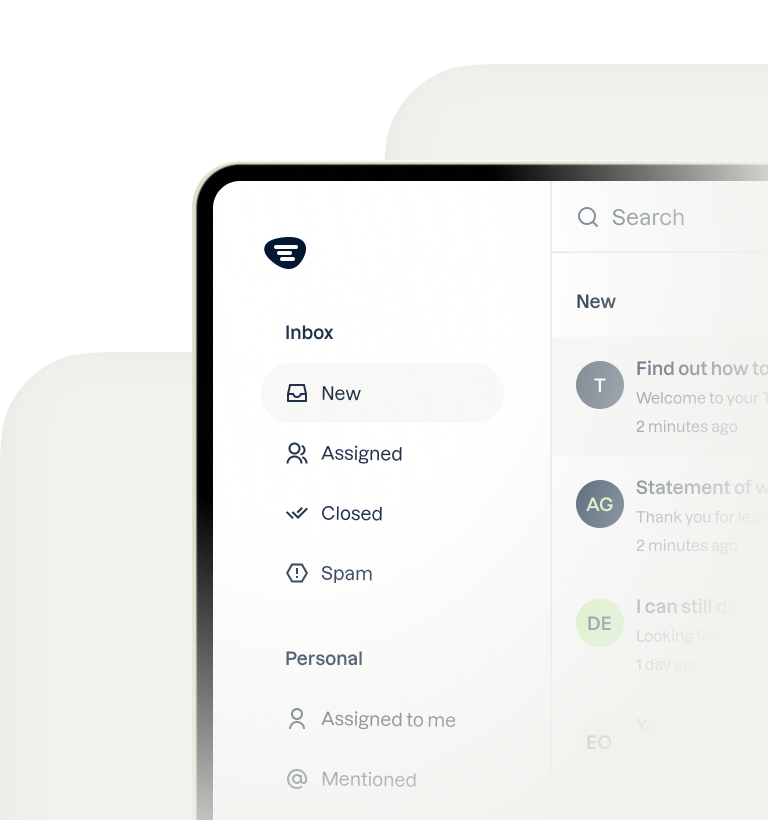
Today's customers expect immediate answers. Waiting hours or days for a response is no longer acceptable. Speed is about responding quickly, and efficiency is about resolving the issue on the first contact. The key to achieving both is having a streamlined workflow. Using a unified customer service platform that centralizes all conversations is essential. With Trengo's Omnichannel inbox, your team can see messages from email, WhatsApp, social media, and live chat in a single view, eliminating the need to switch between tabs and enabling them to respond significantly faster.
2. Personalization
Customers want to be treated like individuals, not ticket numbers. Personalization means addressing them by name, understanding their history with your company, and tailoring your solutions to their specific needs. This is impossible when customer data is scattered across different systems. A shared inbox that integrates with your CRM provides agents with a complete customer profile and conversation history, empowering them to deliver the highly personalized support that builds real connections and fosters loyalty.
3. Omnichannel Consistency
Nothing frustrates a customer more than having to repeat their issue every time they switch channels. A conversation that starts on Instagram DM should be able to move seamlessly to email without losing context. Good customer service is consistent and cohesive, regardless of the platform. An omnichannel approach ensures that every agent has access to the full conversation history, providing a smooth, uninterrupted experience for the customer and reinforcing the impression of a well-organized and competent team.
4. Empathy and Human Connection
Technology can handle efficiency, but empathy is a uniquely human skill. Empathy in customer service means actively listening to understand the customer's frustration or concern and acknowledging their feelings. It's about saying, "I understand why this is frustrating, and I'm here to help." This human connection can de-escalate a tense situation and transform a negative experience into a positive one. It reminds the customer that there is a real person on the other side who cares about solving their problem.
5. Proactive Support
The best customer service solves problems before the customer even knows they exist. Proactive support involves anticipating customer needs and reaching out first. This could mean sending a notification about a shipping delay before the customer asks for an update, providing helpful onboarding tips to a new user, or alerting a client to a potential issue with their account. This approach shows that you are actively looking out for your customers, building immense trust and appreciation.
6. Deep Product Knowledge
Customers expect service agents to be experts. When an agent can confidently answer complex questions, troubleshoot technical issues, and explain product features in detail, it builds immediate credibility. A knowledgeable team can resolve issues faster and more effectively, reducing customer effort and increasing satisfaction. Continuous training and easy access to an internal knowledge base are critical for ensuring your team has the expertise needed to handle any inquiry that comes their way.
7. Effective Problem-Solving
At its core, customer service is about solving problems. Being friendly and empathetic is important, but it means little if the underlying issue isn't resolved. Effective problem-solving involves taking ownership of the customer's issue from start to finish. It means being resourceful, thinking critically, and not giving up until a complete and satisfactory resolution is reached. The goal is to leave the customer feeling that their problem was not only heard but truly solved.
What Good Customer Service Looks Like: Real-World Examples
Theoretical qualities are important, but seeing them in action makes them tangible. Here are a few examples of what good customer service looks like across different industries.
In Retail
A customer wants to buy a specific pair of shoes that are out of stock in their size. Instead of simply saying, "We don't have it," a great retail associate checks the inventory of other nearby branches. They find the shoes at another store, arrange to have them transferred or shipped directly to the customer's home for free, and process the payment on the spot. This turns a moment of disappointment into a delightful and convenient experience.
In a Call Center or BPO
An agent resolves a customer's billing inquiry quickly and accurately. While reviewing the account, they notice from the unified customer history that the customer has struggled to use a new software feature. Before ending the call, the agent proactively says, "I see you were looking into our advanced reporting feature last week. I'm sending you a short video tutorial that many customers find helpful." This anticipates a future need and adds unexpected value.
In SaaS/E-commerce
A customer with a technical question initiates a conversation on a company's website chatbot. The chatbot gathers basic information like their name and order number. When the query becomes too complex, it seamlessly escalates the chat to a live agent. The agent enters the conversation with the full transcript, greeting the customer by name and immediately addressing the complex issue without asking the customer to repeat a single piece of information.
How to Answer "What is Good Customer Service?" in an Interview
This question is a staple in interviews for customer-facing roles. A strong answer can set you apart from other candidates. Here's a simple, three-step framework to help you craft the perfect response.
Step 1: Start with a Clear Definition
Begin with a concise and confident definition. Frame your answer around the customer's perspective. For example: "Good customer service means going above and beyond to meet and exceed customer expectations. It's about making each customer feel heard, understood, and valued, while resolving their issue as efficiently and effectively as possible to ensure they have a positive overall experience with the brand."
Step 2: Use the STAR Method to Structure Your Story
Interviewers want to see proof of your skills, not just hear you define a term. The STAR method is a powerful way to structure a real-life example that demonstrates your abilities. It stands for:
- Situation: Briefly describe the context. What was the scenario?
- Task: What was your goal or responsibility in that situation?
- Action: Describe the specific steps you took to address the situation.
- Result: What was the outcome? Quantify it if possible.
Step 3: Provide a Winning Example Answer
Putting it all together, your answer might sound something like this: "To me, good customer service is about making the customer feel heard and valued while efficiently solving their problem. In my last role, a long-time customer was very frustrated because a software update had unexpectedly changed a feature they used daily (Situation). My goal was to not only fix the immediate issue but also restore their confidence in our product (Task). I actively listened to their full complaint without interrupting, sincerely apologized for the disruption to their workflow, and then guided them step-by-step through the new process. I also sent them a follow-up email with a link to a guide and my direct contact information in case they had more questions (Action). The result was that the customer thanked me for being so patient, remained a loyal client, and later left a 5-star review on a public forum mentioning my help specifically (Result)."
Frequently Asked Questions
How do you describe good customer service?
Good customer service is the practice of providing timely, helpful, and empathetic assistance to customers. It is a combination of speed, personalization, and consistency across all communication channels, with the ultimate goal of resolving issues and creating a positive experience that builds brand loyalty.
What is a good customer service objective for a resume?
A strong resume objective might be: "To leverage exceptional communication and problem-solving skills to resolve customer inquiries efficiently on the first contact, contributing to a 10% reduction in ticket volume," or "To apply a customer-centric approach to increase customer satisfaction scores by 15% through proactive support and personalized interactions."
What's the difference between good and great customer service?
The difference lies in exceeding expectations. Good customer service meets expectations by effectively and efficiently solving the customer's stated problem. Great customer service exceeds expectations by not only solving the problem but also personalizing the interaction, showing genuine empathy, and anticipating a future need the customer hasn't even considered yet.
What are the 5 main qualities of customer service?
The five main qualities of customer service are Speed, Personalization, Empathy, Deep Product Knowledge, and Effective Problem-Solving. These foundational skills ensure that interactions are not only fast and accurate but also human-centric and memorable, leading to higher customer satisfaction.




Let's meet
Grow your business with loyalty. Bring all of your customer contact into one, single platform to unlock delight at every step of the way.