What is bad customer service? Real examples and how to fix it


Try Trengo for Free

Trengo unites WhatsApp, email, web, social media, and calls in one inbox, saving your team hours of repetitive work and ensures no conversation is ever lost
You know that a single negative customer experience can spiral into a social media storm, devastating online reviews, and significant revenue loss these days. 73% of customers will abandon a brand after a single poor experience, whilst around 80% of consumers say they would rather do business with a competitor after more than one bad experience.
The stakes have never been higher for businesses to deliver exceptional customer service. Yet despite overwhelming evidence that bad customer service directly impacts profitability and brand reputation, many organisations continue to struggle with fundamental service delivery issues. From endless phone queues to unresponsive social media accounts, poor service experiences remain frustratingly common.
The first step to fixing this is knowing what bad customer service really looks like. In this guide, we break down common mistakes, show how they hurt businesses, and share practical ways to turn unhappy moments into positive, lasting relationships.
What is bad customer service?
Bad customer service is any interaction that leaves your customers feeling frustrated, undervalued, or dissatisfied. It can happen at any point in the journey, from answering pre-purchase questions to handling complaints or following up after a sale.
For businesses, poor service is not always about obvious mistakes like rude staff. More often, it comes from slow responses, lack of empathy, limited product knowledge, or not following through on promises. A common scenario is when customers get different answers depending on the channel they use. For example, phone support resolves an issue, but email support gives conflicting advice, and social media inquiries go unanswered.
In today’s digital environment, the impact is amplified. A single bad experience can be shared instantly on social media, review platforms, or forums, damaging your reputation with thousands of potential customers in just a few hours.
Bad customer service also stems from internal systems. Complicated return processes, unclear policies, outdated technology, or limited self-service options create friction even if your employees are doing their best. These are operational issues that frustrate customers just as much as poor communication.
The definition continues evolving as customer expectations rise with technological advancement. Service levels that might have been acceptable five years ago now constitute poor service in comparison to contemporary standards for speed, personalisation, and convenience.
Impact of bad customer service
The effects of poor customer service reach far beyond immediate dissatisfaction. They create a chain reaction that influences revenue, brand reputation, employee performance, and long-term customer relationships. Understanding these consequences shows the true cost of service failures and why investing in customer experience is essential.
Financial impact and revenue loss
U.S. businesses risk losing $856 billion annually because of poor customer service, showing the massive financial stakes involved in customer experience quality. Three-quarters (75.5%) of consumers have switched from one business to another because of poor customer service, representing direct revenue loss from customer defection.
The financial hit is not just about losing a single transaction. Each customer who leaves takes away their entire potential lifetime value, which could be worth thousands depending on the industry.
To make matters worse, winning a new customer can cost five to seven times more than keeping an existing one. Preventing churn through strong service is therefore not only about retaining revenue but also about controlling marketing and acquisition costs.
Brand reputation and trust erosion
38% of customers will ignore a business below four stars, highlighting how negative reviews and poor ratings can effectively eliminate businesses from consideration by potential customers. Social media amplifies reputation damage as negative experiences spread rapidly across networks.
Brand trust, built over years through consistent quality and service, can be destroyed by a single poorly handled customer interaction that goes viral. The permanence of online content means that negative reviews and social media complaints remain visible for years, continuing to influence potential customers long after the original incident.
Once damaged, recovery requires consistent improvements, transparent communication, and often added incentives or compensation to win back customer confidence.
Employee morale and operational efficiency
Poor customer service often points to deeper internal problems that affect employees as well as customers. When staff spend their days handling angry or frustrated customers, stress levels rise and morale drops. Over time, this leads to higher turnover, which means more hiring, more training, and less consistency in the way customers are served.
For example, a call centre with constant escalations may lose its most experienced agents, leaving newer hires struggling to manage complex cases.
Inefficient processes also take a toll. If your systems require agents to re-enter data, transfer cases multiple times, or wait for management approval on simple tasks, the workload increases unnecessarily.
These inefficiencies waste time, reduce productivity, and limit your ability to resolve issues quickly. In practice, this means longer wait times for customers and higher operating costs for the business.
Long-term customer relationship damage
Only 15% of those who rate an experience as "very poor" are likely to forgive the company, indicating that bad service experiences can permanently damage customer relationships. This long-term impact affects customer lifetime value and reduces opportunities for upselling or cross-selling.
Damaged relationships also reduce word-of-mouth referrals, which are particularly valuable as they cost nothing to generate and carry high credibility with potential customers. Satisfied customers typically refer multiple people over time, whilst dissatisfied customers actively discourage referrals and may warn others away from the business.
Bad customer service vs good customer service
The difference between bad and good customer service often lies in fundamental approaches to customer interactions, problem-solving practices, and organisational priorities. Understanding these differences will help you identify areas for improvement and implement effective service strategies.
Response time and availability
Bad customer service typically involves long wait times, delayed responses, and limited availability across communication channels. Customers might wait hours for email responses, encounter busy phone lines repeatedly, or find that live chat support is only available during restrictive hours.
Good customer service prioritises quick response times and maintains consistent availability across multiple channels. Modern customers expect immediate acknowledgement of their inquiries, even if complete resolution takes longer. Automated responses that confirm receipt and provide estimated resolution times can bridge gaps in immediate human availability.
The multichannel approach becomes super important as customers increasingly expect to reach businesses through their preferred communication methods. Good service ensures consistent response quality whether customers contact via phone, email, social media, live chat, or messaging platforms like WhatsApp.
Problem resolution approach
Bad customer service often handles problems reactively. Customers have to repeat their issue to different agents, wait for escalations, and deal with long resolution times because frontline staff are not given the authority or tools to fix problems on the spot. This frustrates customers and wastes time for everyone involved.
Good customer service equips frontline teams with the right knowledge, access to full customer history, and clear guidelines on when to escalate. When staff can see past interactions across channels and have the power to resolve common issues immediately, customers get quicker and smoother solutions.
The best companies go a step further with proactive problem resolution. They reach out before customers even notice an issue - sending alerts about service disruptions, offering fixes for known product problems, or making recommendations based on usage data. This builds trust and shows customers that the business cares about their experience.
Communication quality and empathy
Bad customer service often lacks empathy, with agents appearing disinterested, impatient, or dismissive of customer concerns. Communication may be overly formal, scripted, or focused on company policies rather than customer needs.
Good customer service displays genuine empathy and understanding of customer frustrations. Agents acknowledge problems, apologise sincerely when appropriate, and focus on finding solutions rather than explaining why problems occurred.
Personalised communication makes customers feel valued and understood. Good service includes using customer names, referencing previous interactions, and tailoring responses to individual situations rather than providing generic, templated replies.
Follow-up and relationship building
Bad customer service treats interactions as isolated incidents without considering the broader customer relationship. Once immediate issues are resolved, there's no follow-up to ensure satisfaction or identify opportunities for improvement.
Good customer service includes proactive follow-up to confirm resolution satisfaction and gather feedback for service improvement. Agents view each interaction as an opportunity to strengthen the customer relationship and identify additional ways to provide value.
Long-term relationship building involves understanding customer goals, preferences, and challenges beyond immediate service issues. Excellent service helps customers achieve success with products or services, positioning the business as a valuable partner rather than just a vendor.
Technology integration and efficiency
Bad customer service often relies on outdated systems that require customers to repeat information, create data silos between departments, or fail to provide agents with comprehensive customer views.
Good customer service leverages integrated technology platforms that maintain complete interaction histories, automatically route inquiries to appropriate specialists, and provide agents with real-time access to customer information.
Trengo shows this integrated approach by uniting all customer communications into a single platform, ensuring that whether customers contact via WhatsApp, email, Instagram, or live chat, agents have complete context and can provide consistent, informed responses.
How to improve business with bad customer service examples
Learning from real-world failures provides valuable insights into preventing similar issues and transforming service delivery. The following examples show common service problems and proven solutions that businesses can implement to avoid these pitfalls.
In 2017, United Airlines faced global backlash after forcibly removing a passenger from an overbooked flight. The incident, captured on video and shared widely on social media, showed multiple service failures including poor communication, lack of empathy, and inadequate conflict resolution procedures.
The Problems:
- Overbooking without adequate contingency plans
- Staff unprepared to handle passenger objections professionally
- Escalation procedures that prioritised operational efficiency over customer dignity
- Initial corporate responses that failed to acknowledge wrongdoing
Solutions Implemented: United Airlines subsequently revised their overbooking policies, increased compensation limits for voluntary seat changes, and implemented comprehensive staff training on customer interaction and de-escalation techniques. The airline also established clearer communication protocols for operational disruptions.
Trengo Application: Businesses can prevent communication breakdowns by using Trengo's unified inbox to ensure all customer interactions are properly documented and accessible to relevant team members. When issues escalate, having complete interaction history enables more informed, empathetic responses.
Wells Fargo's fake account scandal revealed systematic pressure on employees to create unauthorised customer accounts, resulting in fees and damaged credit for millions of customers. The service failure extended beyond individual interactions to represent organisational culture problems.
The Problems:
- Unrealistic sales targets that incentivised unethical behaviour
- Inadequate oversight of customer account creation
- Dismissive responses to customer complaints about unauthorised accounts
- Internal culture that prioritised metrics over customer welfare
Solutions Implemented: Wells Fargo eliminated sales goals for retail banking employees, implemented stronger account verification procedures, established independent oversight committees, and created more accessible complaint resolution processes.
Trengo Application: Comprehensive customer service platforms like Trengo help prevent internal miscommunication by providing complete audit trails of customer interactions. Teams can identify patterns that might indicate systemic issues and ensure all customer concerns receive appropriate attention and resolution.
- Social media Response failures
Many businesses struggle with social media customer service, either by ignoring complaints entirely or providing inappropriate responses that escalate situations. If a business or brand does not address the comments left by consumers on social media platforms, its churn rate increases by 15%.
Common Social Media Service Problems:
- Delayed or missing responses to customer complaints
- Inconsistent tone between social media and other service channels
- Public arguments with customers instead of moving conversations private
- Automated responses that don't address specific customer concerns
Solutions for Social Media Service: Successful businesses monitor social media mentions continuously, respond quickly with empathy and solutions, and use social media an opportunity to show exceptional service publicly. They establish clear guidelines for when to move conversations to private channels and ensure social media responses align with overall brand voice.
Trengo Application: Trengo's omnichannel approach means social media inquiries integrate seamlessly with other customer communications. Agents can see complete customer histories and provide consistent responses whether customers reach out via Instagram, WhatsApp, email, or traditional channels.
- E-commerce returns and refund challenges
Online retailers often struggle with returns processes that create customer frustration through complex procedures, long processing times, and unclear policies. These issues are particularly damaging because they occur after customers have already committed to purchases.
Common Returns Service Problems:
- Complicated return authorisation processes requiring multiple steps
- Long processing times without status updates
- Inconsistent application of return policies
- Customer service agents unable to track return status
Solutions for Returns Management: Leading e-commerce businesses provide simple, self-service return initiation, automatic status updates throughout the process, and proactive communication about any delays or issues. They also ensure customer service agents have real-time access to return tracking information.
Trengo Application: Automated workflows in Trengo can handle routine return inquiries, provide status updates, and escalate to human agents when issues require personalised attention. This approach reduces response times whilst ensuring customers receive accurate information.
How Trengo helps avoid bad customer service
Trengo's comprehensive customer service platform addresses the root causes of poor service experiences by providing businesses with integrated tools, intelligent automation, and comprehensive visibility into customer interactions across all channels.
Unified omnichannel communication
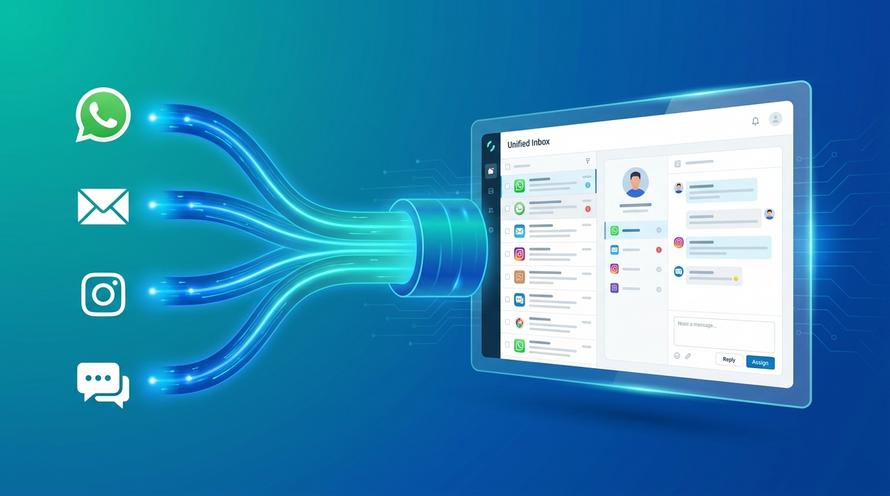
One of the most common causes of bad customer service is fragmented communication. When customers reach out on different channels, their messages often go unnoticed or are answered inconsistently. Trengo resolves this by combining WhatsApp, Instagram, Messenger, email, live chat, voice, SMS, and more into a single inbox.
This unified view ensures every inquiry is visible, organised, and assigned to the right agent. It also provides complete customer history, so agents see previous interactions and context immediately.
As a result, customers no longer need to repeat information, and businesses reduce errors and response delays. Trengo reports that this approach can cut response times significantly while improving service consistency..
Intelligent automation and AI support
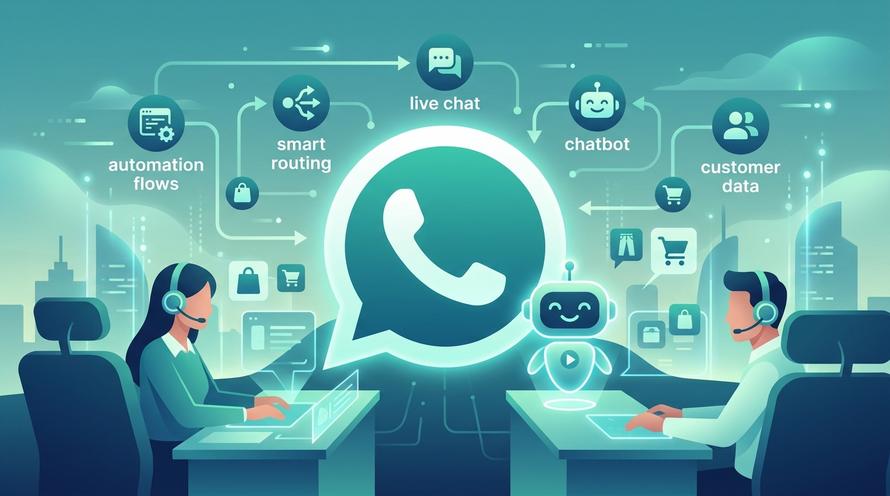
Delays in response are one of the main reasons customers become dissatisfied. Trengo integrates intelligent automation and AI to handle routine questions quickly and reliably. AI-powered chatbots manage common requests such as order tracking, return policies, and appointment bookings.
When a matter is too complex for automation, the conversation is smoothly handed over to a human agent along with the full interaction history. This prevents repetition and ensures continuity. Additional features, such as automatic ticket routing, suggested replies, and language translation, allow agents to resolve issues more efficiently while reducing human error.
Real-time insights and analytics
Many businesses struggle with bad customer service because they lack visibility into service quality metrics and customer satisfaction trends. Trengo's comprehensive analytics provide real-time insights into response times, resolution rates, customer satisfaction scores, and individual agent performance.
These insights enable managers to identify bottlenecks, training opportunities, and process improvements before they impact customer experiences. The platform tracks customer sentiment, conversation outcomes, and satisfaction surveys to provide complete visibility into service effectiveness.
Performance monitoring also helps businesses optimise resource allocation by identifying peak demand periods, common inquiry types, and channel preferences. This data-driven approach enables more effective staffing decisions and process improvements.
Team collaboration and knowledge sharing
Internal communication breakdowns often contribute to poor customer experiences when team members lack information or duplicate efforts. Trengo's collaboration features enable seamless handoffs between agents, departments, and specialists whilst maintaining complete conversation context.
The platform includes internal notes, team mentions, and assignment features that ensure complex issues receive appropriate attention without customers experiencing multiple transfers or repeated explanations of their situations.
Knowledge base integration means all team members have access to current, accurate information about products, policies, and procedures. This consistency prevents the conflicting information that often frustrates customers and damages trust.
Proactive customer engagement
Rather than waiting for customers to encounter problems, Trengo enables businesses to engage proactively through automated campaigns, status updates, and personalised communications based on customer behaviour or lifecycle stages.
Proactive engagement might include order confirmations, shipping notifications, maintenance reminders, or educational content that helps customers maximise value from their purchases. This approach prevents many customer service inquiries by providing information before customers need to ask.
The platform's segmentation capabilities enable personalised communication that feels relevant and valuable rather than generic marketing messages. Customers receive information that applies to their specific situations and interests.
Final words
Bad customer service is one of the biggest threats businesses face today. Customer expectations are higher than ever, and negative experiences can spread online within minutes, damaging brand reputation and driving customers to competitors.
The good news is that understanding what poor service looks like provides a clear path for improvement. Companies that treat customer service as a competitive advantage, rather than just a cost, are the ones that build loyalty, retention, and long-term growth. Modern customers expect more than problem-solving. They want empathy, fast responses, and personalised experiences across every channel.
Delivering this requires the right mix of technology, people, and processes. Platforms like Trengo help by unifying communication, automating routine tasks, and giving teams the tools to collaborate efficiently. Yet technology alone is not enough. Success also depends on well-trained staff, consistent processes, and a culture that puts the customer first.
The payoff is significant. Superior customer service reduces churn, lowers acquisition costs, and fuels positive word-of-mouth that strengthens your brand. Businesses that continuously measure, improve, and learn from past mistakes will transform service interactions into lasting customer relationships that drive sustainable growth.
The choice is simple: invest in service excellence now or risk the costly consequences later.
Frequently Asked Questions (FAQs)
What are common examples of bad customer service?
Common examples of bad customer service include long wait times for support, unresponsive or rude staff, providing inconsistent or incorrect information, ignoring customer complaints, and failing to resolve issues. These shortcomings can leave customers feeling frustrated, undervalued, and unlikely to return to the business.
What causes bad customer service in a company?
Bad customer service often results from insufficient staff training, lack of clear communication among team members, understaffing during peak periods, ineffective or outdated processes, and poor use or absence of customer service technology. When teams operate in silos without a unified approach, inconsistent experiences usually follow.
How do I know if my business is providing bad customer service?
You can identify poor customer service by paying attention to frequent customer complaints, negative online reviews, declining customer satisfaction survey scores, increasing churn rates, and missed opportunities for repeat sales and referrals. Regular monitoring of these signals through structured feedback channels is key to early detection.
What is the cost of bad customer service for businesses?
The cost includes loss of customers, decreased sales, damage to brand reputation, and increased expenses in acquiring new customers to replace those lost. Additionally, employees may experience decreased morale and productivity, which further undermines service quality and operational efficiency.
How can a business fix bad customer service?
Fixing bad customer service requires comprehensive staff training focused on empathy and problem-solving, streamlining and standardising processes, adopting effective communication and collaboration tools, and actively listening to and acting on customer feedback to address pain points promptly. Fostering a customer-centric culture is essential.
What are the best strategies to prevent bad customer service?
Effective strategies include establishing clear service standards and protocols, investing in continuous staff development, implementing unified communication platforms like Trengo, which centralise messages and facilitate teamwork, and regularly collecting and analysing customer feedback to drive ongoing improvements.
How can businesses turn bad customer service experiences into positive ones?
By responding promptly to complaints, acknowledging mistakes sincerely, offering appropriate compensations or solutions, and following up to confirm customer satisfaction, businesses can rebuild trust and convert unhappy customers into loyal advocates. Transparency and responsiveness are vital.
What tools can help businesses avoid bad customer service?
Customer service platforms such as Trengo help businesses by centralising all customer interactions from email, WhatsApp, Instagram, and other channels into a single, shared inbox. This prevents missed messages, enables faster response times, and supports effective team collaboration to maintain high service standards.
How do automation tools help in delivering better customer experiences?
Automation tools enhance customer experience by providing instant replies to common queries, intelligent routing of messages to the right teams, and maintaining consistent communication across channels. Trengo’s automation features reduce human errors and help agents focus on complex cases, improving overall service quality.
Are omnichannel platforms better at reducing customer frustration?
Absolutely. Omnichannel platforms like Trengo integrate various communication channels into one streamlined system. This ensures customers receive seamless, consistent support across WhatsApp, email, Instagram, and more, greatly reducing frustration caused by repeated explanations or lost queries between channels.
How can Trengo prevent bad customer service by centralising all customer messages?
By consolidating all customer messages from WhatsApp, Instagram, email, live chat, and social media into a single shared inbox, Trengo prevents messages from being overlooked or delayed. This allows any available team member to pick up and respond promptly, significantly reducing the risk of bad customer service caused by missed or late replies.
Can Trengo help businesses spot and resolve issues before they turn into bad customer experiences?
Yes, Trengo’s collaboration tools and automation rules help detect patterns such as repeated complaints or slow response times, enabling businesses to flag and address issues proactively. This early intervention helps prevent dissatisfaction from escalating into negative experiences or lost customers.
How does a shared inbox reduce delays and miscommunication that often cause bad service?
A shared inbox like Trengo’s provides full visibility to the entire support team, eliminating duplication of effort and miscommunication about responsibility. It facilitates transparent assignment and tracking of customer queries, ensuring timely follow-up and consistent messaging that reduces customer frustration caused by delays or conflicting information.

Let's meet
Grow your business with loyalty. Bring all of your customer contact into one, single platform to unlock delight at every step of the way.