
Blog

Kundenbetreuung
Wie du Direktbuchungen für dein Hotel steigern kannst: Berechne deine potenziellen Einsparungen durch Direktbuchungen
Wie du Direktbuchungen für dein Hotel steigern kannst: Berechne deine potenziellen Einsparungen durch Direktbuchungen


Probier Trengo kostenlos aus

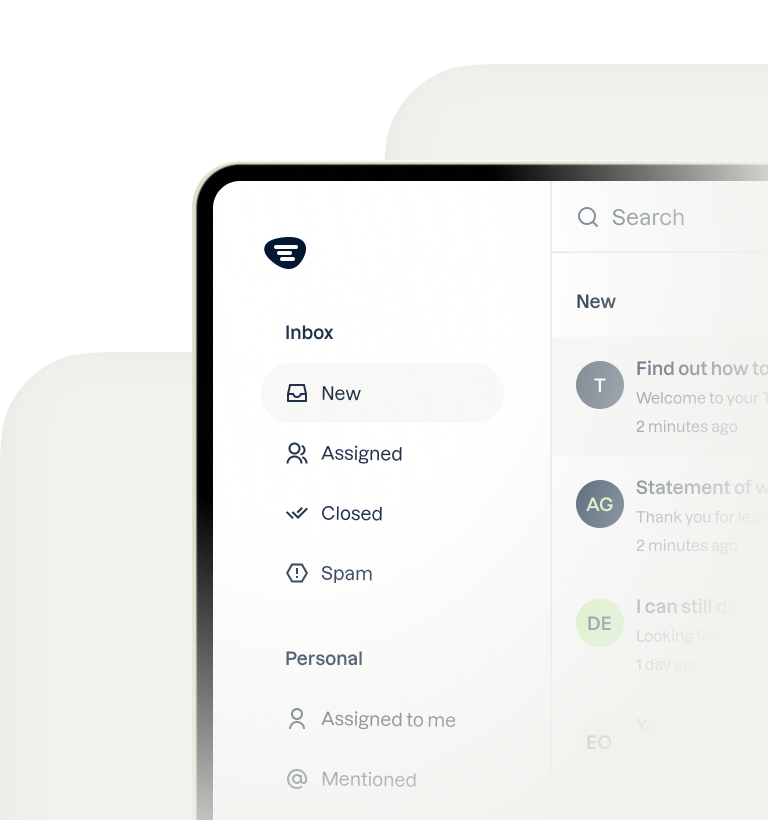
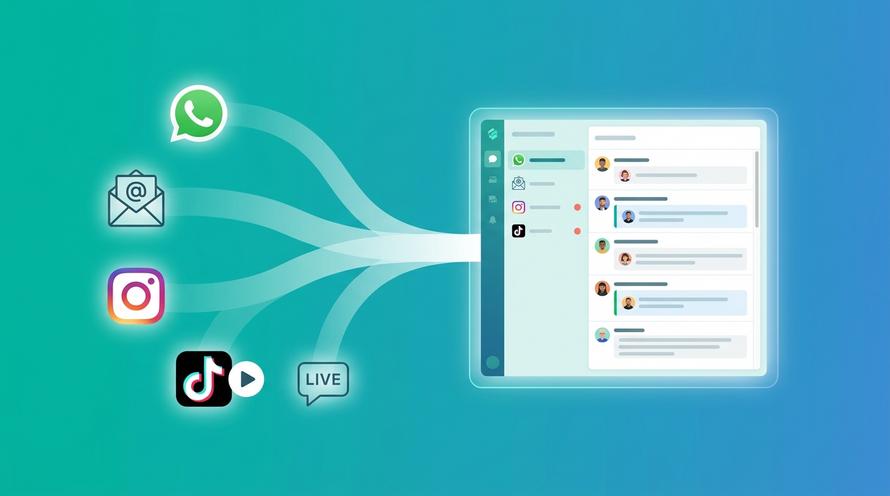
Trengo bringt WhatsApp, E-Mails, Web, Social Media und Anrufe in einem Posteingang zusammen, spart deinem Team stundenlange Routinearbeit und sorgt dafür, dass keine Unterhaltung verloren geht.
Trengo in Aktion sehen
- Umfassende Integrationen
- Einfache Konfiguration
- Skalierbare Preisstruktur
Zusammenfassung
Zu lernen, wie man Direktbuchungen für Hotels steigert, ist entscheidend, um den Umsatz zu maximieren und die Abhängigkeit von Drittanbieterplattformen zu verringern. Durch die Umsetzung von Strategien wie der Nutzung eines zentralen Posteingangs, dem Einsatz von KI-Automatisierung und der Nutzung von Kanälen wie WhatsApp Business können Hoteliers ihre Provisionskosten deutlich senken. Dieser Leitfaden beleuchtet konkrete Maßnahmen und die Rolle von Plattformen zur Kundenbindung wie Trengo, um die Kontrolle über die Gästebeziehungen zurückzugewinnen und die Gewinnmargen im Jahr 2026 zu steigern.
TL;DR
- Hohe OTA-Provisionen (15–25 %) schmälern die Gewinnmargen der Hotels erheblich.
- Ein zentraler Posteingang verhindert, dass Anfragen übersehen werden, und wandelt Nachrichten von besonders interessierten Kunden in Buchungen um.
- KI-Chatbots liefern rund um die Uhr sofortige Antworten auf häufig gestellte Fragen und erreichen so auch Gäste außerhalb der Geschäftszeiten.
- WhatsApp Business bietet einen direkten Kanal für personalisierte Umbuchungskampagnen und reibungslose Kommunikation.
- Das Anbieten von Zusatzleistungen (kostenloses Frühstück, Zimmer-Upgrades) ist effektiver als das Durchbrechen der Preisparität.
Für viele Hoteliers ist die monatliche Rechnung von Online-Reisebüros (OTAs) eine Quelle erheblicher Frustration. Diese Plattformen sorgen zwar für Sichtbarkeit, doch die übliche Provision von 15 bis 25 % schmälert deinen Gewinn direkt.
Um die tatsächlichen finanziellen Auswirkungen auf deine Unterkunft zu sehen, nutze unseren OTA-Rechner, um zu schätzen, wie viel Provision du jährlich zahlst und wie viel Umsatz du durch eine Steigerung der Direktbuchungen zurückgewinnen könntest
Wenn du dich fragst, wie du die Direktbuchungen für Hotels steigern kannst, bist du nicht allein. Bei der Umstellung auf direkte Umsatzkanäle geht es nicht nur darum, Geld zu sparen, sondern auch darum, die Beziehung zum Gast wieder in die eigenen Hände zu nehmen – und zwar schon ab dem Moment, in dem er nach einem Zimmer sucht.
Berechne deine potenziellen Einsparungen bei Direktbuchungen
Nutze unseren interaktiven OTA-Kostenrechner, um genau herauszufinden, wie viel Umsatz deinem Hotel durch Gebühren von Drittanbietern verloren geht. Es gibt zwar verschiedene Online-Tools zur Berechnung von OTA-Kosten, doch dieses spezielle Widget macht den Vorgang völlig mühelos. Gib einfach deine Zimmeranzahl, den durchschnittlichen Tagespreis (ADR), die Auslastung, den aktuellen OTA-Anteil, den Provisionssatz und das Verhalten von Stammgästen ein. Innerhalb von Sekunden schätzt es deinen jährlichen Provisionsverlust und zeigt vor allem die potenziellen Einnahmen auf, die du zurückgewinnen kannst, indem du diese Stammgäste erfolgreich in provisionsfreie Direktbuchungen umwandelst.
Beispiele für die Provisionsberechnung
Um die tatsächlichen Auswirkungen von Drittanbietergebühren zu verstehen, schauen wir uns die grundlegende Berechnung anhand der üblichen OTA-Provisionsformeln an (ADR × Provisionssatz × Anzahl der Übernachtungen).
Wenn der durchschnittliche Tagespreis (ADR) deines Hotels beispielsweise 150 € beträgt und eine OTA eine Standardprovision von 18 % berechnet, zahlst du 27 € für eine Übernachtung. Bleibt dieser Gast für ein Wochenende mit zwei Übernachtungen, erhält die OTA 54 €. Multipliziert man dies mit einer durchschnittlichen Auslastung von 70 % in einem Hotel mit 50 Zimmern über ein ganzes Jahr, summieren sich diese scheinbar geringen Transaktionsgebühren schnell zu Zehntausenden von Euro an entgangenen Jahreseinnahmen. Das zeigt genau, warum eine Umstellung deiner Strategie auf Direktbuchungen für langfristiges Wachstum so entscheidend ist.
Die finanziellen und betrieblichen Auswirkungen: Direktbuchungen vs. Online-Reisebüros
Um die finanziellen Dynamiken der modernen Hotellerie zu verstehen, muss man sich intensiv mit dem anhaltenden Tauziehen zwischen dem Marketing unabhängiger Hotels und den großen Drittanbieter-Plattformen auseinandersetzen. Wenn du dich fragst, wie du mehr Buchungen und Umsatz für dein Hotel erzielen kannst, musst du dir zunächst einen Überblick über die Landschaft des digitalen Vertriebs verschaffen. Was sind OTAs? Online-Reisebüros wie Booking.com, Expedia und Agoda fungieren als riesige Hotelsuchmaschinen, die den Unterkünften eine beispiellose weltweite Sichtbarkeit verschaffen.
Für viele Reisende sind diese Plattformen der erste Anlaufpunkt bei der Planung eines Urlaubs oder einer Geschäftsreise. Diese enorme Reichweite hat jedoch ihren Preis. Online-Reisebüros (OTAs) verlangen in der Regel Provisionen zwischen 15 % und 25 % pro Buchung, was die Gewinnmargen unabhängiger Hotels und Boutique-Hotels erheblich schmälert.
Hoteliers müssen ihre Vertriebsstrategie neu ausrichten und Direktbuchungen in den Vordergrund stellen. Der finanzielle Vorteil von direkten Online-Buchungen ist unmittelbar und erheblich: Wenn ein Gast direkt über deine eigene Website bucht, verbleiben 100 % der Zimmererlöse im Hotel. Wenn du von Anfang an über die Kontaktdaten und Vorlieben des Gastes verfügst, kannst du sein Erlebnis vor der Ankunft personalisieren, Premium-Annehmlichkeiten effektiv verkaufen und den Grundstein für langfristige Markentreue legen. Während OTAs nach wie vor ein notwendiger Bestandteil einer ausgewogenen Vertriebsstrategie sind, kann schon eine geringfügige Verlagerung hin zu Direktbuchungen massive, transformative Auswirkungen auf das Gesamtergebnis deines Hauses haben.
Die besten Strategien zur Steigerung der Direktbuchungen für Hotels
Um Reisende erfolgreich von externen Buchungsportalen wegzulocken, müssen Hoteliers ein ganzheitliches Konzept für ihr Hotelmarketing umsetzen, das sich auf die digitale Customer Journey konzentriert. Der Schlüssel liegt darin zu verstehen, dass die Rückgewinnung der Kontrolle über die Gästebeziehung lange bevor diese deine Lobby betreten beginnt – nämlich schon beim allerersten digitalen Kontaktpunkt. Durch den Einsatz moderner Kommunikationstechnologie kannst du die Lücke zwischen einem zufälligen Website-Besucher und einem festen, treuen Gast schließen.
Rüste deine Hotelbuchungsmaschine auf – für reibungslose Reservierungen
Die technische Grundlage deiner Direktvertriebsstrategie ist deine Hotelbuchungsmaschine. Der moderne digitale Reisende ist bekanntlich ungeduldig und erwartet einen schnellen, für Mobilgeräte optimierten und absolut intuitiven Buchungsvorgang. Wenn deine Website zu lange zum Laden braucht, defekte Links enthält oder zu viele Klicks erfordert, um eine Zimmerreservierung zu bestätigen, werden potenzielle Gäste ihren Warenkorb einfach frustriert verlassen und in die vertraute Obhut einer OTA zurückkehren. Um herauszufinden, wie du die Direktbuchungsraten deines Hotels steigern kannst, musst du sicherstellen, dass dein digitaler Auftritt einwandfrei ist.
Eine erstklassige Buchungsmaschine muss verfügbare Zimmertypen nahtlos anzeigen, hochwertige, inspirierende Bilder der Unterkunft präsentieren und eine transparente Preisgestaltung ohne versteckte Gebühren bieten. Hoteliers wird dringend empfohlen, ihre Buchungsmaschine regelmäßig auf verschiedenen Mobilgeräten zu testen, da ein erheblicher Teil der Reiseplanung und -buchung mittlerweile über Smartphones erfolgt. Stelle sicher, dass das in deine Buchungsmaschine integrierte Zahlungsgateway sicher, blitzschnell und benutzerfreundlich ist. Wenn technische Hindernisse aus dem Buchungsprozess entfernt werden, trauen sich Gäste eher, ihre Zahlungsdaten direkt deiner Unterkunft anzuvertrauen, anstatt sich auf einen Drittanbieter zu verlassen.
Führe einen einheitlichen Posteingang ein, um blitzschnelle Antworten zu gewährleisten
Im digitalen Zeitalter beschränken Reisende ihre Anfragen nicht mehr auf herkömmliche E-Mails oder Telefonanrufe. Sie senden Direktnachrichten auf Instagram, um sich die Aussicht aus bestimmten Zimmern anzusehen, stellen über den Facebook Messenger Fragen zu den Haustierrichtlinien und nutzen Live-Chat-Widgets auf deiner Website, um sich nach der aktuellen Verfügbarkeit zu erkundigen. Wenn ein potenzieller Gast eine einfache Frage stellt und deine Mitarbeiter sechs Stunden brauchen, um zu antworten, hat dieser Reisende bereits bei einem reaktionsschnellen Konkurrenten über eine OTA gebucht. Eine digitale Anfrage zu verpassen bedeutet, eine Direktbuchung zu verlieren.
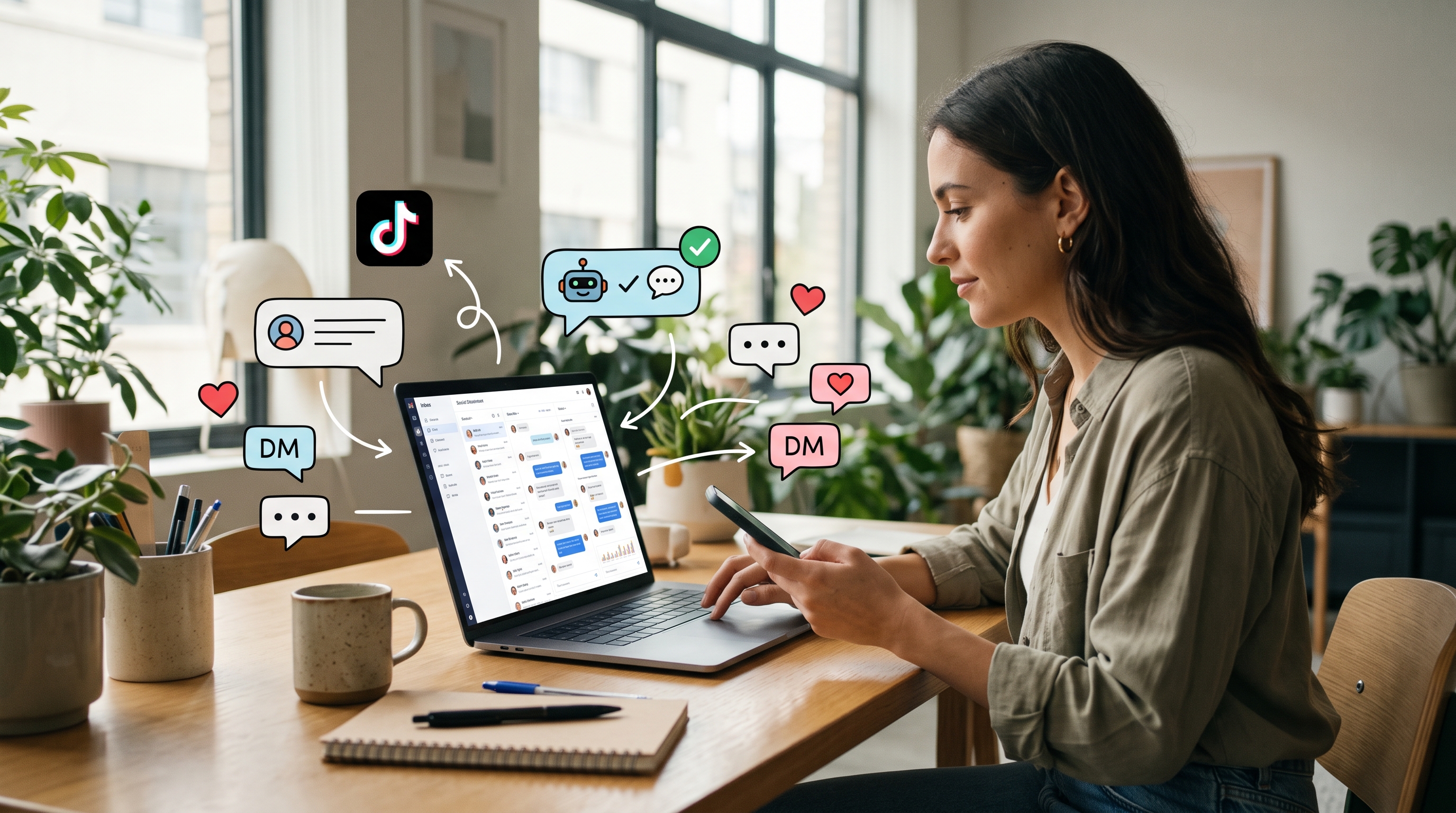
Die Verwaltung dieses chaotischen Netzwerks an Kundenkontakten wird zum Kinderspiel, wenn du deine Gästekommunikation über ein einziges, zentrales Dashboard bündelst. Indem du jede E-Mail, jede Social-Media-Nachricht und jeden Live-Chat auf eine einzige Plattform leitest, wird die Zusammenarbeit im Team erheblich verbessert. Rezeptionisten, Reservierungsmitarbeiter und das Hotelmanagement können Tickets einsehen, markieren und zuweisen, ohne ständig zwischen Tabs hin- und herwechseln zu müssen oder den Kontext der Unterhaltung aus den Augen zu verlieren. Indem sie die Antwortzeiten von Stunden auf wenige Minuten verkürzen, bauen Hotels sofort Vertrauen bei potenziellen Gästen auf und erhöhen so die Wahrscheinlichkeit einer direkten Hotelbuchung erheblich.
Nutze die WhatsApp Business API für Conversational Commerce
WhatsApp ist zweifellos die weltweit beliebteste Messaging-App, und zukunftsorientierte Hoteliers müssen lernen, sie als leistungsstarken Direktvertriebskanal zu nutzen – und nicht nur als reaktives Support-Tool. Conversational Commerce revolutioniert die Hotellerie, indem es Unternehmen ermöglicht, mit Kunden auf den Plattformen zu interagieren, die diese ohnehin täglich nutzen. Wenn du wissen willst, wie du die Hotelbuchungen steigern kannst, musst du nur einen Blick auf das Smartphone in der Hosentasche deiner Gäste werfen.
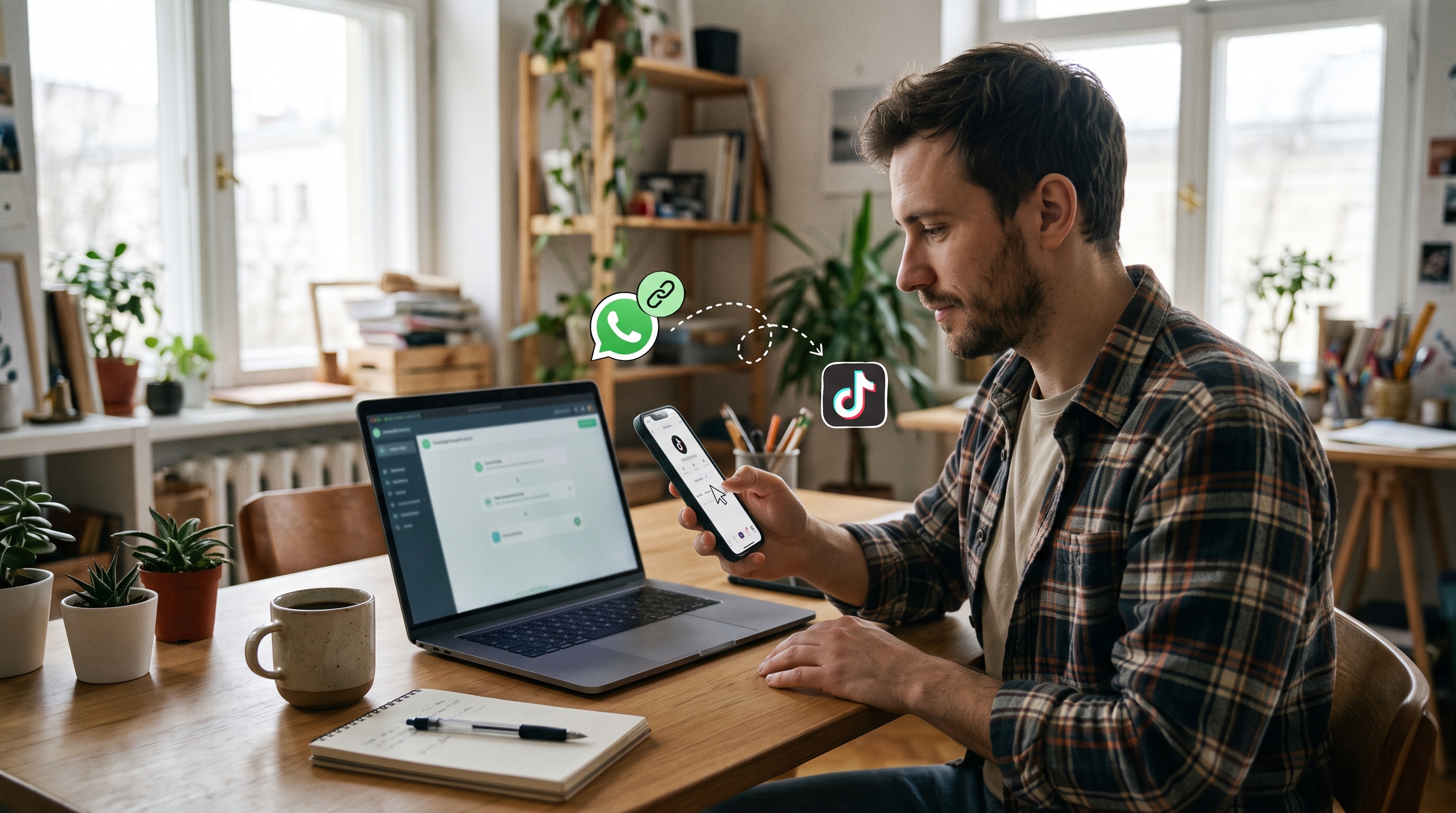
Stell dir folgende Situation vor: Ein potenzieller Gast schaut sich die Zimmerangebote auf deiner Website an, ist aber noch nicht ganz bereit, eine Buchung vorzunehmen. Er entdeckt ein schwebendes WhatsApp-Widget auf deiner Startseite und schickt eine kurze Nachricht, um sich nach kostenlosen Flughafentransfers oder möglichen Zimmer-Upgrades zu erkundigen. Dank der Integration der WhatsApp Business API kann dein Reservierungsteam sofort antworten, hochgradig personalisierte Empfehlungen geben und sogar sichere Zahlungslinks direkt im Chat-Verlauf senden. Diese reibungslose, persönliche Interaktion verwandelt eine lockere Anfrage mühelos in eine bestätigte Buchung. Darüber hinaus kann das Hotel nach der Buchung WhatsApp nutzen, um automatisierte Buchungsbestätigungen, herzliche Willkommensnachrichten vor der Ankunft und sogar digitale Zimmerschlüssel zu versenden – und so ein erstklassiges, modernes Gästeerlebnis schaffen, das Online-Reisebüros einfach nicht nachahmen können.
Nutze KI-Agenten, um rund um die Uhr weltweite Buchungen zu generieren
Hotels richten sich an ein äußerst vielfältiges, globales Publikum, was bedeutet, dass potenzielle Gäste deine Website besuchen und Zimmerpreise in völlig unterschiedlichen Zeitzonen vergleichen. Wenn ein potenzieller Reisender aus Japan um 3:00 Uhr morgens EST versucht, ein Zimmer in deinem Boutique-Hotel in New York zu buchen, und dabei auf eine Frage zu deinen spezifischen Check-in-Richtlinien stößt, kann man von ihm nicht erwarten, dass er wartet, bis die Mitarbeiter der Frühschicht an der Rezeption eintreffen. In der heutigen Wirtschaft der sofortigen Befriedigung wird er einfach wegklicken und woanders buchen.
Genau hier wird künstliche Intelligenz zu deinem wertvollsten Buchungsagenten. Anhand eines Trengo-Leitfadens zur KI in der Hotellerie können Hoteliers intelligente Chatbots einsetzen, die umfassend auf die spezifische Wissensdatenbank des Hauses trainiert wurden. Diese KI-Agenten können häufig gestellte Fragen automatisch beantworten, sofort bei der Überprüfung der Zimmerverfügbarkeit in Echtzeit helfen und den Nutzer behutsam zur Direktbuchungsmaschine leiten. Es ist wichtig zu betonen, dass KI-Agenten nicht den unersetzlichen menschlichen Touch der Gastfreundschaft ersetzen; vielmehr übernehmen sie die Bearbeitung der vielen sich wiederholenden, alltäglichen Anfragen. Diese Automatisierung entlastet dein Personal an der Rezeption, sodass es sich ganz auf hochwertige, komplexe und persönliche Interaktionen konzentrieren kann. Sicherzustellen, dass kein Lead jemals ungenutzt bleibt, egal zu welcher Uhrzeit, ist ein grundlegender Schritt, um zu meistern, wie du mehr Buchungen für dein Hotel erhältst.
Biete exklusive Vorteile und „Hotels Direct“-Mehrwertleistungen
Eine der größten Herausforderungen für unabhängige Hoteliers ist der Umgang mit den strengen Preisparitätsklauseln, die oft von großen Online-Reisebüros (OTAs) durchgesetzt werden. Da Hotels auf ihrer eigenen Website in der Regel keine deutlich niedrigeren Zimmerpreise anbieten können, ohne gegen diese verbindlichen Verträge zu verstoßen, müssen sie lernen, sich im Wettbewerb vor allem durch das Preis-Leistungs-Verhältnis und nicht allein durch den Preis zu behaupten. Um Anreize für Direktbuchungen zu schaffen, musst du den Gästen überzeugende Gründe bieten, auf die Bequemlichkeit einer Drittanbieterplattform zu verzichten.
Die Lösung besteht darin, konkrete Vergünstigungen aufzulisten, deren Umsetzung das Hotel kaum etwas kostet, die für den Reisenden aber einen außergewöhnlich hohen wahrgenommenen Wert haben. Hervorragende Beispiele für solche Mehrwerte sind kostenlose Parkplätze vor Ort, ein kostenloses Premium-Frühstück, garantierter früher Check-in, flexibler später Check-out oder ein exklusives Begrüßungsgetränk an der Hotelbar – nur für Gäste, die direkt buchen. Es ist unerlässlich, dass du diese Vorteile der Direktbuchung prominent auf deiner gesamten Website-Startseite, deinen aktiven Social-Media-Kanälen und in deinen automatisierten E-Mail-Marketingkampagnen bewirbst, um die konkreten Vorteile einer Direktbuchung klar zu kommunizieren.
Das Gästeerlebnis verbessern, um Direktbuchungen zu fördern
Eine erste Direktbuchung zu erzielen, ist wirklich erst die halbe Miete; damit der Gast sich auch bei seinem nächsten Besuch für eine Direktbuchung entscheidet, musst du ein absolut außergewöhnliches Erlebnis vor Ort bieten. Du musst das nahtlose digitale Buchungserlebnis mit der herzlichen, persönlichen Atmosphäre deiner Gastfreundschaft verbinden. Selbst wenn ein Gast seinen Aufenthalt zunächst über eine Online-Reisebüro-Plattform bucht, ist ein wunderbarer, unvergesslicher Aufenthalt deine beste Chance, ihn für alle seine zukünftigen Reisen zu einem treuen Direktbucher zu machen.
Indem du das Kundenerlebnis im Hotel durch proaktive Multichannel-Kommunikation während des Aufenthalts optimal gestaltest, baust du eine starke Markentreue auf. Wenn du beispielsweise über WhatsApp eine kurze Check-in-Nachricht schickst, um zu fragen, ob der Gast frische Handtücher oder Empfehlungen für das Abendessen benötigt, fühlt er sich besonders wertgeschätzt. Beim Check-out können strategisch automatisierte Follow-up-Nachrichten ausgelöst werden, um dem Gast für seinen Aufenthalt zu danken und ihm einen exklusiven, personalisierten Rabattcode für seine nächste Direktbuchung anzubieten – wodurch seine Abhängigkeit von Drittanbieter-Portalen dauerhaft durchbrochen wird.
Die 5 P’s des Hotelmanagements meistern
Ein ganzheitlicher Ansatz zur Steigerung der Direktumsätze beinhaltet zwangsläufig eine Ausweitung deiner Aktivitäten im Bereich Hotelmarketing und -management. Die klassischen 5 P’s des Hotelmanagements bieten einen hervorragenden Rahmen für die Optimierung der Betriebsabläufe, um auf natürliche Weise Direktbuchungen zu fördern.
- Produkt: Damit ist deine Immobilie gemeint. Sind die Zimmer makellos sauber? Entsprechen die Annehmlichkeiten einem luxuriösen Standard? Ein von Grund auf hervorragendes Produkt sorgt für organische Mund-zu-Mund-Propaganda, die den direkten Traffic auf deiner Website steigert.
- Preis: Du musst dynamische, intelligente Preisstrategien umsetzen, die sich an der Saison, lokalen Veranstaltungen und den Echtzeit-Preisen der Konkurrenz orientieren, um sicherzustellen, dass deine Direktpreise stets attraktiv und wettbewerbsfähig sind.
- Werbung: Dazu gehören gezielte Suchmaschinenanzeigen, ansprechende Social-Media-Kampagnen und personalisiertes E-Mail-Marketing, um kontinuierlich Besucher mit hoher Kaufabsicht direkt auf deine Hotelbuchungsseite zu leiten.
- Standort: Damit ist zwar der physische Standort deines Hotels gemeint, doch im Jahr 2026 bezieht sich dieser Begriff ebenso auf deinen digitalen Standort – also die organische Sichtbarkeit deiner Website in den großen Suchmaschinen und in lokalen Kartendiensten.
- Menschen: Deine Mitarbeiter sind dein wertvollstes Kapital. Die aufrichtige Freundlichkeit an der Rezeption und die hohe Effizienz deines Kundenservice-Teams hinterlassen einen bleibenden, emotionalen Eindruck, der Erstgäste erfolgreich zu treuen, direkt buchenden Markenbotschaftern macht.
Unverzichtbare Tools für ein umfassendes Hotelmanagement
Um Direktbuchungen erfolgreich zu steigern und die besprochenen Strategien umzusetzen, müssen Hoteliers gezielt einen robusten, vernetzten Technologie-Stack aufbauen. Die Grundlage dieses Technologie-Stacks bildet ein Property Management System (PMS), das alle internen Abläufe, die Abrechnung und die Reinigungspläne verwaltet. Hand in Hand mit dem PMS arbeitet ein zuverlässiger Channel-Manager für Hotels wie SiteMinder, der die komplexe Zimmerverteilung über verschiedene OTAs und deine eigene Website effektiv verwaltet, um katastrophale Überbuchungen kategorisch zu verhindern.
Betriebliche Tools allein reichen jedoch ohne eine ausgefeilte Kommunikationsebene nicht aus. Die Implementierung fortschrittlicher Kommunikationslösungen für die Hotellerie bildet die ideale Brücke zwischen deiner Betriebssoftware und deinen Interaktionen mit den Gästen. Durch die nahtlose Integration deiner primären Kommunikationsplattform in deine bestehenden Buchungs- und Verwaltungssysteme schaffen Hotels einen reibungslosen, durchgängigen Datenfluss. Diese Vernetzung ermöglicht es deinen Mitarbeitern, einen hochgradig personalisierten Service auf Basis von Echtzeit-Gästedaten anzubieten. Wenn Gäste sich von ihrer allerersten digitalen Nachricht bis zum endgültigen Check-out persönlich wahrgenommen, verstanden und zutiefst geschätzt fühlen, ist die Wahrscheinlichkeit deutlich höher, dass sie zu deinem Hotel zurückkehren und gerne direkt buchen.
Häufig gestellte Fragen (FAQ)
Was ist die 10/5-Regel in Hotels?
Die 10/5-Regel ist ein klassischer Standard im Gastgewerbe, der vorschreibt, dass ein Hotelmitarbeiter, sobald er sich einem Gast auf weniger als 3 Meter nähert, Augenkontakt herstellen und lächeln sollte, und sobald er sich auf weniger als 1,5 Meter nähert, eine herzliche Begrüßung aussprechen sollte. Diese traditionelle Etikette soll dafür sorgen, dass sich jeder Gast sofort willkommen und persönlich beachtet fühlt. Im modernen Zeitalter der digitalen Gastfreundschaft lässt sich diese Regel wunderbar darauf übertragen, die digitale Anfrage eines Gastes sofort über automatisierte KI-Agenten zu bestätigen und innerhalb weniger Minuten eine umfassende, hilfreiche menschliche Antwort über einen zentralen Multichannel-Posteingang zu geben.
Wie kann man die Hotelbuchungen in der Nebensaison steigern?
Um die Hotelbuchungen in Zeiten geringer Nachfrage zu steigern, sollten Hotels sich darauf konzentrieren, spezielle, erlebnisorientierte Pakete wie romantische Wochenendausflüge, Wellness-Aufenthalte oder kulinarische Entdeckungsreisen anzubieten, anstatt einfach nur die Standardzimmerpreise zu senken. Hoteliers sollten die umfangreichen Kundendaten aus früheren Direktbuchungen intensiv nutzen, um zielgerichtete E-Mail- und WhatsApp-Remarketing-Kampagnen zu starten. Da deine früheren Gäste deiner Marke bereits vertrauen und deine Gastfreundschaft erlebt haben, sind sie die Zielgruppe, die am ehesten einen Aufenthalt in der Nebensaison bucht, wenn ihnen ein exklusives, überzeugendes Angebot unterbreitet wird.
Was hat es mit dem Waschlappen-Trick in Hotels auf sich?
Der Waschlappen-Trick ist ein beliebter Reise-Hack, den vorsichtige Hotelgäste nutzen, um während ihres Aufenthalts für zusätzliche Sicherheit und ein beruhigendes Gefühl zu sorgen. Der Trick besteht darin, einen feuchten Waschlappen fest durch den Sicherheitsriegel oder die U-Stange an der Innenseite der Hotelzimmertür zu ziehen. Sobald der Waschlappen sicher sitzt und die Tür geschlossen ist, verhindert er wirksam, dass der Riegel manipuliert oder von außen mit Spezialwerkzeugen heimlich geöffnet wird. Auch wenn moderne elektronische RFID-Schlösser hervorragende, zuverlässige Sicherheit bieten, unterstreicht das aktive Eingehen auf und Verstehen solcher Tricks das übergreifende Engagement eines Hotels für die Sicherheitsbelange seiner Gäste.
Was sind OTAs in der Hotelbranche?
OTAs, also Online-Reisebüros, sind große Websites von Drittanbietern wie Booking.com, Expedia, Agoda und Airbnb, die das weltweite Hotelangebot in einer einzigen, für Verbraucher leicht durchsuchbaren Datenbank bündeln. Diese leistungsstarken Plattformen verschaffen unabhängigen Unterkünften zwar eine immense globale Reichweite und dienen als äußerst effektive Hotelsuchmaschinen, verlangen aber auch erhebliche Provisionen, die die Rentabilität stark beeinträchtigen. Eine wirklich erfolgreiche Hotel-Revenue-Management-Strategie nutzt OTAs strategisch zur Gewinnung neuer Gäste – unter Ausnutzung des „Billboard-Effekts“ – und setzt gleichzeitig auf außergewöhnlichen Kundenservice und gezielte Marketingmaßnahmen, um diese Reisenden für alle zukünftigen Aufenthalte zu Direktbuchern zu machen.
Was ist ein wesentlicher Vorteil einer Steigerung der Direktbuchungen für Hotels?
Der größte Vorteil ist der Wegfall der OTA-Provisionen, wodurch sich die Gewinnspanne pro verkauftem Zimmer sofort erhöht. Außerdem ermöglicht die Direktbuchung dem Hotel, die Gästebeziehung und die Daten vollständig selbst zu verwalten, was effektivere Kundenservicestrategien und zukünftige Marketingkampagnen ermöglicht.
Mehr erfahren

Interessiert an einem Gespräch?
Lassen Sie Ihr Geschäft durch Kundentreue wachsen. Vereinen Sie alle Ihre Kontakte auf einer einzigen Plattform, um bei jedem Schritt Begeisterung zu erzeugen.


© 2026 Trengo
in europäischem Besitz