

Was sind die besten Softwarelösungen für Spa-Buchungen?


Probier Trengo kostenlos aus

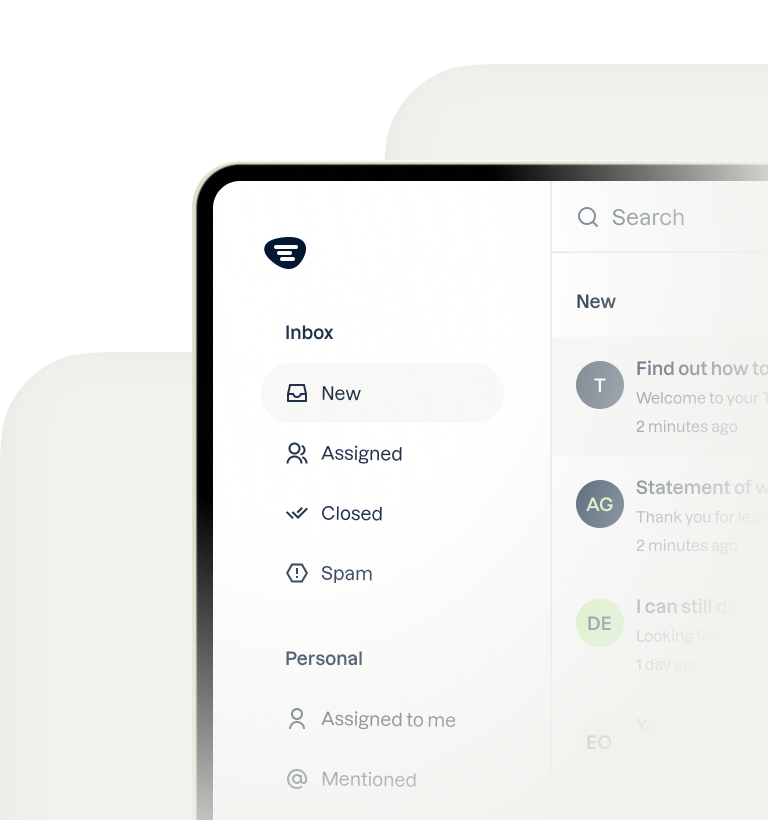
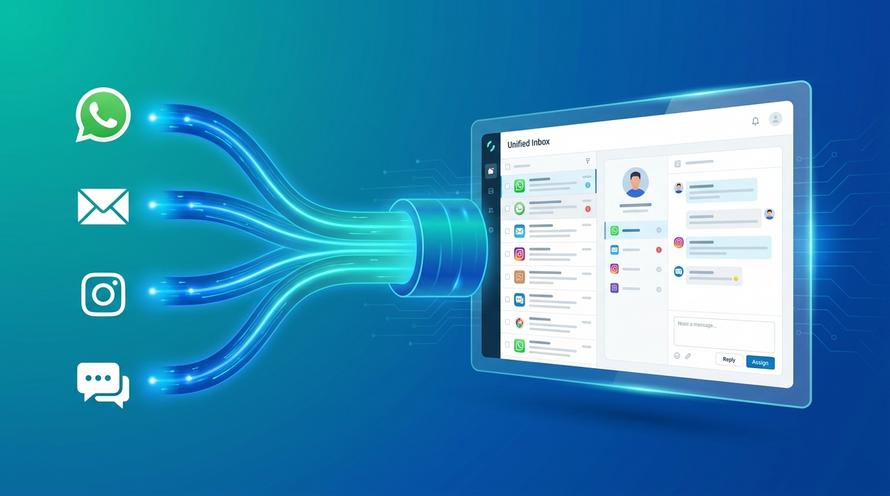
Trengo bringt WhatsApp, E-Mails, Web, Social Media und Anrufe in einem Posteingang zusammen, spart deinem Team stundenlange Routinearbeit und sorgt dafür, dass keine Unterhaltung verloren geht.
Trengo in Aktion sehen
- Umfassende Integrationen
- Einfache Konfiguration
- Skalierbare Preisstruktur
Der ultimative Leitfaden für Spa-Buchungssoftware: Terminverwaltung und Kundenbindung optimieren
Zusammenfassung
In der wettbewerbsintensiven Wellnessbranche ist die Wahl der richtigen Spa-Buchungssoftware der Grundstein für betriebliche Effizienz und Umsatzwachstum. Dieser umfassende Leitfaden beleuchtet die entscheidenden Unterschiede zwischen allgemeinen Terminplanungs-Tools und speziellen Spa-Managementsystemen und hebt dabei wesentliche Funktionen wie Ressourcenverteilung, automatische Erinnerungen und mobile Zugänglichkeit hervor. Darüber hinaus gehen wir darauf ein, wie die Integration einer Kundenbindungsplattform wie Trengo deine Kommunikationsstrategie verändern kann: Sie verwandelt Anfragen in bestätigte Buchungen und reduziert No-Shows durch fortschrittliche Automatisierung und einheitliches Messaging erheblich.
TL;DR
- Eine Spa-Verwaltungssoftware verwaltet die komplexe Ressourcenverteilung (Personal, Räume, Ausrüstung), was mit herkömmlichen Kalendern nicht möglich ist.
- Zu den wichtigsten Funktionen gehören eine intelligente Terminplanung zur Vermeidung von Doppelbuchungen, automatische SMS-/E-Mail-Erinnerungen und für Mobilgeräte optimierte Online-Portale.
- Die Einhaltung geografischer Vorschriften (DSGVO, PIPEDA) ist bei der Auswahl von Software für Standorte in Großbritannien, Kanada und Europa von entscheidender Bedeutung.
- Kostenlose Buchungssoftware bringt oft versteckte Kosten mit sich, wie eingeschränkten Support, Datenobergrenzen oder aufdringliche Werbung, die dem Markenimage schaden.
- Während Buchungssysteme den Kalender verwalten, kümmert sich Trengo über einen zentralen Posteingang und die Integration der WhatsApp Business API um die Kundenbeziehung.
- KI-Agenten können die Terminvereinbarung außerhalb der Geschäftszeiten automatisieren und so Umsätze sichern, die sonst durch die Voicemail verloren gingen.
Was ist eine Spa-Management-Software und warum ist sie so wichtig?
Ein modernes Spa oder Wellnesscenter zu führen, ist ein komplexer Balanceakt, der weit über das bloße Eintragen von Namen in ein Buch hinausgeht. Eine Spa-Management-Software fungiert als das zentrale Nervensystem deines Unternehmens und koordiniert jeden einzelnen Schritt des Betriebs. Im Gegensatz zu einfachen digitalen Terminkalendern ist echte Spa-Software darauf ausgelegt, die Vielschichtigkeit von Wellness-Terminen zu bewältigen. Sie sorgt dafür, dass das System, wenn ein Kunde eine Hot-Stone-Massage bucht, den für diese Behandlung qualifizierten Therapeuten, den mit dem Steinwärmer ausgestatteten Behandlungsraum und das für die Dienstleistung erforderliche Material reserviert. Ohne dieses Maß an Synchronisation riskieren Spas betriebliches Chaos, Doppelbuchungen und ein uneinheitliches Gästeerlebnis.
Der Wechsel von Stift und Papier zu digitalen Lösungen ist nicht nur eine Frage der Modernisierung, sondern auch des Überlebens und der Skalierbarkeit. In einer Zeit, in der Verbraucher sofortige Befriedigung erwarten, ist die Möglichkeit, rund um die Uhr Verfügbarkeiten einzusehen und Leistungen zu buchen, eine Grundvoraussetzung. Mit einer Spa-Management-Software können Betreiber ihre Buchungsprozesse digitalisieren und so den administrativen Engpass durch manuelle Terminplanung am Empfang effektiv beseitigen. Dadurch kann sich das Personal auf das persönliche Gästeerlebnis konzentrieren, anstatt am Telefon festzusitzen. Darüber hinaus bietet eine leistungsstarke Software Datenanalysen, die Betreibern helfen, Spitzenzeiten, Auslastungsraten der Therapeuten und Kennzahlen zur Kundenbindung zu verstehen – allesamt entscheidend für strategisches Wachstum.
Spa-Terminplanungssoftware vs. allgemeine Terminplanungs-Tools
Ein weit verbreiteter Irrglaube unter neuen Geschäftsinhabern ist, dass allgemeine Terminplanungs-Tools wie Google Kalender oder einfache Terminplaner für einen Spa-Betrieb ausreichen. Der Unterschied zwischen diesen Tools und einer speziellen Spa-Terminverwaltungssoftware ist jedoch enorm. Allgemeine Terminplanungs-Tools sind in der Regel „zeitbasiert“, das heißt, sie reservieren einen Zeitblock in einem einzigen Kalender. Spa-Software hingegen ist „ressourcenbasiert“.
In einem allgemeinen Tool würde die Buchung einer „Paarmassage“ beispielsweise lediglich eine Stunde im Terminkalender blockieren. In einer speziellen Spa-Software löst diese einzelne Buchung jedoch eine komplexe Logikkette aus: Es muss gleichzeitig die Verfügbarkeit eines großen Behandlungsraums (Ressource A), zweier bestimmter Therapeuten (Ressourcen B und C) und möglicherweise bestimmter Geräte geprüft werden. Ist auch nur eines dieser Elemente nicht verfügbar, kann die Buchung nicht fortgesetzt werden. Diese detaillierte Kontrolle verhindert das Alptraumszenario, dass ein Paar zu einem entspannenden Aufenthalt erscheint und dann feststellt, dass nur ein Therapeut verfügbar ist. Darüber hinaus kümmert sich die spezialisierte Software um Serviceabhängigkeiten, wie zum Beispiel sicherzustellen, dass ein chemisches Peeling nicht unmittelbar nach einer Wärmebehandlung gebucht wird, wenn dies kontraindiziert ist, und schützt so sowohl den Kunden als auch das Unternehmen vor Haftungsrisiken.
Die betrieblichen Auswirkungen auf Ferienanlagen und kleine Unternehmen
Die betrieblichen Anforderungen eines Ferienresorts unterscheiden sich erheblich von denen eines Boutique-Day-Spas, und der Softwaremarkt spiegelt diese Segmentierung wider. Für Resortbetreiber muss sich die Buchungssoftware oft nahtlos in ein umfassenderes Hotel-Property-Management-System (PMS) integrieren lassen. So kann ein Gast eine Massage buchen, die automatisch auf seine Zimmerrechnung gesetzt wird, was für ein reibungsloses Erlebnis vom Check-in bis zum Check-out sorgt. Diese Systeme sind robust, bewältigen große Datenmengen und komplexe Integrationen von Treueprogrammen, um die Abläufe in den Bereichen Reisen, Gastgewerbe und Freizeit zu optimieren.
Für kleine Unternehmen und Day Spas hingegen stehen oft Flexibilität, Benutzerfreundlichkeit und Kosteneffizienz im Vordergrund. „Spa-Buchungssoftware für kleine Unternehmen“ konzentriert sich auf Plug-and-Play-Funktionalität, sodass Inhaber innerhalb weniger Stunden ihr Leistungsangebot einrichten und Zahlungen entgegennehmen können. Auch wenn ihnen vielleicht die tiefgreifenden PMS-Integrationen von Resort-Software fehlen, punkten sie oft mit Marketingfunktionen und Tools zur Kundenbindung. Unabhängig von der Größe bleibt das Ziel dasselbe: Reibungsverluste im Buchungsprozess zu minimieren. Wenn die Abläufe im Hintergrund reibungslos funktionieren, bleibt die Atmosphäre im Kundenbereich ruhig, wodurch die Entspannungsatmosphäre erhalten bleibt, für die die Gäste bezahlen.
Was sind die besten Spa-Softwareprogramme?
Bei der Bewertung der unzähligen Spa-Softwareprogramme, die auf dem Markt erhältlich sind, verliert man sich leicht in den Funktionslisten. Bestimmte Funktionen sind jedoch unverzichtbar für ein modernes Unternehmen, das auf Rentabilität und hohe Kundenzufriedenheit setzt. Ein robustes System sollte nicht nur deinen Terminkalender verwalten, sondern auch aktiv daran arbeiten, ihn zu füllen.
Intelligente Terminplanung für mehrere Behandlungsräume und Therapeuten
Wie bereits erwähnt, liegt die Kernkompetenz jeder Spa-Software in ihrer Fähigkeit, Ressourcen intelligent zu verwalten. „Intelligente Terminplanung“ geht über die Vermeidung von Terminüberschneidungen hinaus; sie optimiert den Umsatz. So können fortschrittliche Algorithmen beispielsweise Behandlungen in kleineren Räumen vorrangig buchen und die größeren Mehrzweck-Suiten für hochwertige Paarbehandlungen oder Gruppen reservieren. Diese Logik stellt sicher, dass dir keine potenzielle Buchung im Wert von 300 $ entgeht, weil versehentlich eine Augenbrauenwachsung für 50 $ in deiner Premium-Suite eingeplant wurde.
Außerdem ist die Verwaltung von Schichtplänen und Kompetenzen des Personals von entscheidender Bedeutung. Mit einer intelligenten Software kannst du Mitarbeitern bestimmte Fähigkeiten zuweisen. Wenn ein Kunde eine „Deep Tissue“-Massage bucht, zeigt das Online-Buchungsportal nur die Verfügbarkeit von Therapeuten an, die für diese Behandlungsform zertifiziert sind, und filtert diejenigen heraus, die nur schwedische Massagen oder Gesichtsbehandlungen anbieten. Diese automatische Zuordnung gewährleistet die Qualitätssicherung und verhindert die unangenehme Situation, einen Termin für einen Kunden verschieben zu müssen, weil kein passender Mitarbeiter zur Verfügung steht.
Automatische Erinnerungen und Vermeidung von Terminausfällen
Nichterscheinen ist der stille Killer der Rentabilität eines Spas. Wenn ein Kunde nicht erscheint, entgehen dem Unternehmen die Einnahmen aus diesem Termin, die Möglichkeit, Produkte zu verkaufen, und die Chance, einen anderen Kunden für diesen Termin zu buchen. Hier wird die Frage, welche Spa-Terminplanungssoftware automatische Erinnerungen bietet, zu einem entscheidenden Kriterium bei der Auswahl. Einfache Systeme versenden vielleicht 24 Stunden vorher eine allgemeine Bestätigungs-E-Mail. Hochwertige Lösungen bieten jedoch Erinnerungen über verschiedene Kanäle wie SMS und Push-Benachrichtigungen an.
Software-generierte Erinnerungen sind zwar hilfreich, oft aber nur in eine Richtung gerichtet. Hier kann die Integration eines speziellen Kommunikationstools den entscheidenden Unterschied machen. Indem du dein Buchungssystem mit einer Plattform wie Trengo verknüpfst, kannst du von allgemeinen Benachrichtigungen zu einem gegenseitigen Austausch übergehen. Stell dir vor, du schickst eine WhatsApp-Nachricht mit dem Inhalt: „Hallo Sarah, ich freue mich auf deine Gesichtsbehandlung morgen um 14 Uhr. Hast du noch Fragen zur Vorbereitung auf die Behandlung?“ Das regt zur Interaktion an. Wenn Sarah einen neuen Termin vereinbaren muss, kann sie sofort antworten. Es ist viel besser, einen Termin 24 Stunden im Voraus zu verschieben, als auf einen leeren Raum zu starren. Dieser proaktive Ansatz reduziert die No-Show-Rate drastisch.
Online-Buchungsmöglichkeiten und mobile Zugänglichkeit
Wir leben in einer Welt, in der Mobilgeräte an erster Stelle stehen. Wenn deine Buchungssoftware für das Spa kein nahtloses, für Mobilgeräte optimiertes Kundenportal bietet, verschenkst du Umsatz. Kunden suchen oft abends oder auf dem Weg zur Arbeit nach Angeboten – zu Zeiten, zu denen deine Rezeption möglicherweise geschlossen ist. Die Buchungsoberfläche sollte intuitiv sein und es den Gästen ermöglichen, mit nur wenigen Fingertipps nach Dienstleistungskategorie, bevorzugtem Therapeuten und Tageszeit zu filtern.
Außerdem sollte der „Jetzt buchen“-Button überall zu finden sein – eingebettet in deiner Instagram-Biografie, auf deiner Facebook-Seite und in deinem Google My Business-Profil. Die besten Systeme ermöglichen „Deep Linking“, bei dem eine Werbe-E-Mail zu einem Muttertags-Special direkt auf die Buchungsseite für dieses spezielle Paket verlinkt, was Reibungsverluste vermeidet und die Konversionsraten steigert. Die mobile Erreichbarkeit erstreckt sich auch auf die Mitarbeiterseite; Therapeuten sollten in der Lage sein, ihre Termine einzusehen, Kundennotizen zu überprüfen und ihre Anwesenheit von ihren eigenen Geräten aus zu markieren, wodurch der Computer an der Rezeption entlastet wird.
So findest du die richtige Lösung für deinen Standort und dein Budget
Die Wahl der richtigen Software ist eine strategische Geschäftsentscheidung, bei der Funktionalität, Compliance und Budget gegeneinander abgewogen werden müssen. Was für ein Medispa in London funktioniert, ist vielleicht nicht für ein ganzheitliches Retreat in Vancouver geeignet.
Ein Überblick über Buchungssoftware für Spas in Kanada, Großbritannien und auf den globalen Märkten
Aufgrund von Datenschutzbestimmungen spielt die geografische Lage bei der Softwareauswahl eine entscheidende Rolle. Für Unternehmer, die nach „Spa-Buchungssoftware Kanada“ suchen, ist die Einhaltung des PIPEDA (Personal Information Protection and Electronic Documents Act) von größter Bedeutung. Das bedeutet oft, dass der Softwareanbieter kanadische Kundendaten auf Servern innerhalb Kanadas speichern oder sicherstellen muss, dass strenge Datenübertragungsvereinbarungen bestehen. Ähnlich verhält es sich bei der „Spa-Buchungssoftware Großbritannien“ und in Europa: Die Einhaltung der DSGVO (Datenschutz-Grundverordnung) ist nicht optional. Die Strafen für den unsachgemäßen Umgang mit Kundendaten – zu denen im Spa-Kontext oft sensible Gesundheitsdaten gehören – können verheerend sein.
Über die reine Einhaltung der Vorschriften hinaus solltest du auch die Lokalisierung berücksichtigen. Unterstützt die Software Zahlungen in verschiedenen Währungen, falls du Standorte im Ausland hast? Berücksichtigt sie die spezifischen Steuerstrukturen deiner Region (z. B. Mehrwertsteuer im Vereinigten Königreich vs. GST/HST in Kanada)? Führende globale Softwareanbieter bieten spezielle Einstellungen, um sicherzustellen, dass deine Rechnungen und Datenverarbeitungsprozesse in deiner jeweiligen Rechtsordnung rechtskonform sind.
Kostenlos vs. kostenpflichtig: Lohnt sich das Risiko bei einer „kostenlosen Software für Spa-Buchungen“?
Für Start-ups, die mit einem sehr knappen Budget auskommen müssen, ist die Verlockung einer „kostenlosen Spa-Buchungssoftware“ groß. Auch wenn diese kostenlosen Angebote als Übergangslösung dienen können, sind sie oft mit erheblichen Risiken und Einschränkungen verbunden. Kostenlose Software finanziert sich in der Regel dadurch, dass deinen Kunden während des Buchungsvorgangs Werbung angezeigt wird, was das hochwertige Image deiner Marke beeinträchtigen kann. Außerdem schränken sie oft die Anzahl der Buchungen, der Mitarbeiter oder der Kundendatensätze ein, die du speichern kannst.
Noch entscheidender ist, dass kostenlose Versionen in der Regel keinen Kundensupport bieten. Wenn dein Kalender an einem hektischen Samstagmorgen abstürzt, hast du möglicherweise keine Anlaufstelle. Außerdem bieten sie selten die robusten API-Integrationen, die für die Anbindung an Marketing-Tools oder Buchhaltungsplattformen erforderlich sind. Im Gegensatz dazu bieten kostenpflichtige „VIP-Software“ oder Premium-Abonnements einen höheren Return on Investment (ROI), indem sie Aufgaben automatisieren, die andernfalls bezahlte Arbeitskraft erfordern würden. In eine kostenpflichtige Lösung zu investieren bedeutet, in Stabilität, Sicherheit und Skalierbarkeit zu investieren.
Das Gästeerlebnis verbessern: Wie Trengo dabei hilft
Die meisten Buchungssysteme sind hervorragend in der Logistik – also bei der Verwaltung von Kalender, Bestandsdaten und Kassensystem. Doch wenn es um die *Kommunikation* geht, lassen sie oft zu wünschen übrig. In der Gastronomie und Hotellerie beginnt das Gästeerlebnis schon lange bevor der Kunde die Türschwelle überschreitet. Genau hier schließen die speziell auf Spas und Wellnesszentren zugeschnittenen Lösungen von Trengo die Lücke. Trengo lässt sich nahtlos in deine bestehende Technologieinfrastruktur integrieren und fungiert als Kommunikationsschicht, die sicherstellt, dass keine Gästeanfrage jemals übersehen wird.
Anfragen über einen zentralen Posteingang bündeln
Moderne Spas erhalten Buchungsanfragen von überall her: per E-Mail, Telefon, Instagram-DM, Facebook Messenger und WhatsApp. Die Verwaltung dieser unterschiedlichen Kanäle ist ein Garant für Fehler. Ein Rezeptionist könnte eine Direktnachricht übersehen, in der um eine Terminänderung gebeten wird, was zu einem verärgerten Kunden und einer Doppelbuchung führt. Trengo löst dieses Problem mit einem einheitlichen Posteingang. Diese Funktion fasst alle Nachrichten aus allen Kanälen in einer einzigen, gemeinsamen Ansicht zusammen. Ob ein Kunde per E-Mail wegen eines Geschenkgutscheins schreibt oder per WhatsApp wegen der Parkmöglichkeiten fragt – alles landet an einem Ort.
Durch diese Zentralisierung kann dein Team besser zusammenarbeiten. Wenn die Rezeptionistin gerade damit beschäftigt ist, einen Gast abzumelden, kann der Spa-Manager oder sogar ein Remote-Mitarbeiter die ausstehende Anfrage aus dem Posteingang übernehmen. Du kannst auch WhatsApp und Instagram direkt integrieren, sodass die sozialen Kanäle, die du für das Marketing nutzt, auch als effektive Kanäle für den Kundenservice und die Kundengewinnung dienen.
Nutzung der WhatsApp Business API für Sofortbuchungen und Support
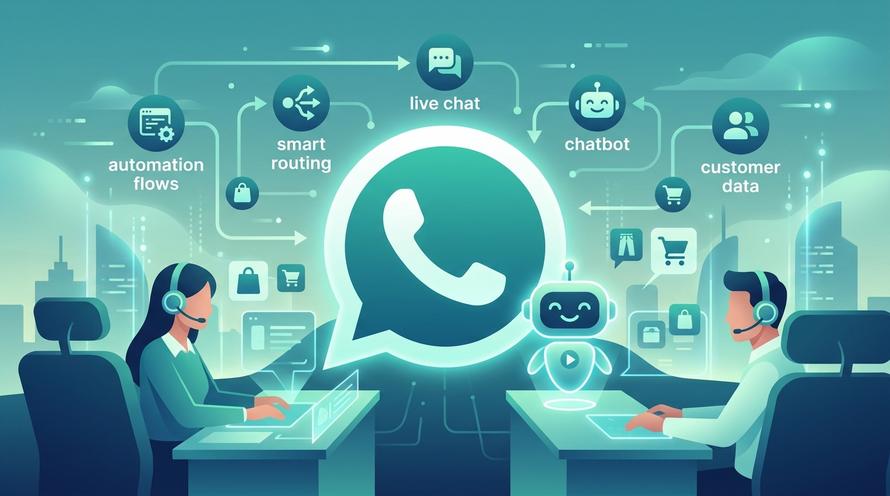
WhatsApp entwickelt sich zum bevorzugten Kommunikationskanal für Milliarden von Nutzern. Durch die Nutzung der WhatsApp Business API über Trengo können Spas ihren Buchungsprozess revolutionieren. Anstatt einen Kunden dazu zu zwingen, sich auf einer Website zurechtzufinden, kannst du auf „Conversational Commerce“ setzen. Ein Kunde könnte fragen: „Hast du diesen Freitag noch Termine für eine Massage frei?“ Über die API kann dein Team (oder ein automatisierter Bot) sofort mit Optionen antworten und sogar den Buchungslink direkt im Chat bereitstellen.
Über die Buchungen hinaus eignet sich WhatsApp ideal für einen besonders persönlichen Service. Du kannst automatisierte Formulare vor der Ankunft (Gesundheitsfragebögen) über WhatsApp versenden und so sicherstellen, dass diese vor der Ankunft des Gastes ausgefüllt werden. Das spart Zeit beim Check-in und maximiert die Behandlungszeit. Nach der Behandlung kannst du automatisierte Nachsorgehinweise und Bitten um Bewertungen versenden, um den Kontakt aufrechtzuerhalten.
Einsatz von KI-Agenten für die Terminplanung außerhalb der Geschäftszeiten
Spas haben während der Geschäftszeiten geöffnet, aber Kunden möchten oft spätabends buchen, wenn sie endlich einen Moment Zeit zum Entspannen haben. Wenn deine Kommunikationskanäle nach 18 Uhr nicht mehr besetzt sind, entgehen dir potenzielle Einnahmen. Mit Trengo kannst du einen KI-Chatbot für den Kundenservice einsetzen, der rund um die Uhr verfügbar ist. Im Gegensatz zu einfachen Autorespondern können diese KI-Agenten (oder Flowbots) so programmiert werden, dass sie einen Kunden durch den Buchungsablauf führen.
Wenn ein Kunde beispielsweise um 22 Uhr eine Nachricht schickt und fragt: „Wie viel kostet eine Tiefenmassage?“, kann der KI-Agent sofort den Preis aus deinem Angebot anzeigen und einen „Jetzt buchen“-Button bereitstellen. Er kann häufig gestellte Fragen zu Kontraindikationen, Parkmöglichkeiten oder Stornierungsbedingungen ohne menschliches Eingreifen beantworten. So stellst du sicher, dass du morgens mit bestätigten Terminen aufwachst und nicht nur mit einer Liste unbeantworteter Anfragen. Um besser zu verstehen, wie diese autonomen Systeme funktionieren, kannst du unseren Leitfaden zur agentischen KI lesen.
Die Top-Anbieter: Ein Blick auf beliebte Buchungsportale für Spa-Software
Während Trengo die Kommunikation übernimmt, brauchst du dennoch eine leistungsstarke Buchungsplattform, um die Logistik zu regeln. Es gibt mehrere renommierte Buchungsplattformen für Spa-Software auf dem Markt, die jeweils auf unterschiedliche geschäftliche Anforderungen zugeschnitten sind. Diese Plattformen lassen sich oft mit Kommunikations-Tools kombinieren, um ein umfassendes technisches Ökosystem zu schaffen.
Am besten für Unternehmen: Systeme für große Resorts und Ketten
Bei groß angelegten Betrieben sind Programme wie Mindbody oder Zenoti oft der Standard. Diese leistungsstarken Systeme sind speziell für Franchise-Unternehmen mit mehreren Standorten und große Resorts konzipiert. Sie bieten umfangreiche Berichtsfunktionen, eine komplexe Lohnabrechnung für Hunderte von Mitarbeitern und eine fortschrittliche Bestandsverfolgung. Sie sind darauf ausgelegt, die Komplexität einer „Resort-Buchungssoftware“ zu bewältigen, einschließlich der wiederkehrenden Abrechnung von Mitgliedschaften und der standortübergreifenden Einlösung von Geschenkgutscheinen. Auch wenn die Einarbeitungszeit etwas länger ist, ist ihre Fähigkeit, große Datenmengen zu verarbeiten, unübertroffen.
Ideal für Boutiquen: Benutzerfreundliche Lösungen für kleine Unternehmen
Für unabhängige Spas und Salons sind Plattformen wie Fresha, Vagaro oder Mangomint beliebte Optionen. Diese werden aufgrund ihrer intuitiven Benutzeroberflächen und ihres „Mobile-First“-Designs oft als das „beste Buchungssystem für Spas“ in der Kategorie „Kleinunternehmen“ gepriesen. Ihr Schwerpunkt liegt auf der Benutzerfreundlichkeit – damit ein Spa innerhalb weniger Minuten online und buchbar ist. Viele dieser Plattformen arbeiten nach einem Marktplatzmodell, was neuen Spas auch dabei helfen kann, Kunden aus dem Nutzerkreis der Software zu gewinnen. In Kombination mit KI-basierten Strategien zur Kundenbindung können diese benutzerfreundlichen Plattformen mit der Effizienz von Unternehmenssystemen mithalten.
Häufig gestellte Fragen (FAQ)
Welches ist das beste Buchungssystem für Spas?
Welches System das „beste“ ist, hängt ganz von deinem Geschäftsmodell ab; große Resorts profitieren aufgrund komplexer PMS-Integrationen von Zenoti oder Mindbody, während Boutique-Spas oft Fresha oder Mangomint wegen ihrer Benutzerfreundlichkeit und Marketing-Marktplätze bevorzugen. Letztendlich ist das beste System dasjenige, das sich nahtlos in deine Kommunikationsstruktur einfügt, um betriebliche Silos zu vermeiden.
Was versteht man unter VIP-Software im Zusammenhang mit Spas?
Unter VIP-Software versteht man im Allgemeinen Premium-CRM-Funktionen (Customer Relationship Management), mit denen Spas ihre besonders wertvollen Kunden, deren detaillierte Vorlieben (wie Raumtemperatur oder bevorzugte Teesorte) sowie ihre Mitgliedschaftsstufen nachverfolgen können. Das ermöglicht eine extrem individuelle Betreuung und stellt sicher, dass Gäste der Spitzenklasse bei jedem Besuch ein maßgeschneidertes Erlebnis erhalten.
Wie steigert Automatisierung den Umsatz im Spa-Bereich?
Automatisierung steigert den Umsatz direkt, indem sie verlorene Zeit wieder wettmacht und Kunden bindet; automatische Erinnerungen reduzieren Terminausfälle (und sichern so den Umsatz), während automatisierte Marketing-E-Mails (wie Geburtstagsangebote oder „Wir vermissen dich“-Kampagnen) inaktive Kunden reaktivieren. Darüber hinaus senkt die Automatisierung von Verwaltungsaufgaben die Personalkosten und verbessert so die Gesamtgewinnmarge.
Kann ich Termine für den Salon und das Spa in derselben Software verwalten?
Ja, viele hybride Softwarelösungen sind so konzipiert, dass sie sowohl die Arbeitsabläufe im Salon als auch im Spa gleichzeitig abdecken. Sie können zwischen verschiedenen Leistungsarten unterscheiden und ermöglichen so unterschiedliche Terminplanungslogiken – wie zum Beispiel Zeitlücken bei Haarfärbungen (Salon) im Gegensatz zu zusammenhängenden Zeitblöcken für Massagen (Spa) – innerhalb einer einzigen Kalenderansicht.
Mehr erfahren

Interessiert an einem Gespräch?
Lassen Sie Ihr Geschäft durch Kundentreue wachsen. Vereinen Sie alle Ihre Kontakte auf einer einzigen Plattform, um bei jedem Schritt Begeisterung zu erzeugen.


© 2026 Trengo
in europäischem Besitz