The experience gap: Why guest expectations have outpaced hospitality tech

Try Trengo for Free

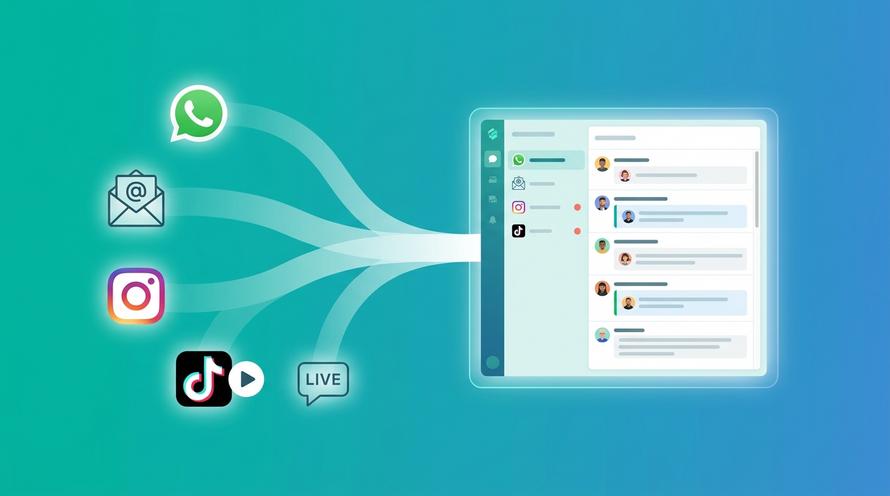
Trengo unites WhatsApp, email, web, social media, and calls in one inbox, saving your team hours of repetitive work and ensures no conversation is ever lost
At AHC 2025 in Manchester, Trengo's Co-Founder and Chief Product Officer, Patrick Meutzner, delivered a message that challenged the hospitality industry's approach to technology:
"The future isn't replacement."
It was a direct response to the prevailing narrative around AI, that automation exists to cut costs and reduce headcount. Patrick outlined a fundamentally different vision, one where technology empowers people, both guests and staff, to have better experiences and create genuine connections.
But to understand where we're going, we need to recognise where we are. We're stuck in an experience gap that's widening every day.
The gap between expectation and reality
Think about the last exceptional service you've experienced. Maybe it was a restaurant where the server remembered your dietary preferences. A retail store where staff greeted you by name. An airline that proactively rebooked you during a delay.
Now think about your last hotel stay.
Did you have to repeat information multiple times? Wait on hold? Navigate an email thread that went nowhere? Receive generic messages that felt like they were sent to everyone?
This is the experience gap!
Now, guests expect the level of service they receive from Amazon, Netflix, and Apple, personalized, proactive, and seamless. Yet most hotels still operate with communication systems built for a different era.
The problem isn't effort. Hotel teams work incredibly hard. The problem is infrastructure that forces them to work harder instead of smarter.
Why "just automate everything" doesn't work
The first wave of hospitality tech promised a simple solution: automate repetitive tasks, save time, reduce costs.
So hotels automated:
- Pre-arrival messages
- Check-in reminders
- Upsell offers
- Checkout emails
- Review requests
Guests stopped paying attention.
Why? Because automation without intelligence creates a different problem: noise at scale.
When every guest gets the same message at the same time, it doesn't feel like service. It feels like marketing. And modern guests have developed sophisticated filters for tuning that out.
The issue isn't automation itself. It's automation in isolation, disconnected from context, sentiment, and the broader guest journey.
What guests actually want...and it's not what you think
Guests don't care about your systems. They care about being cared for.
They don't want to know you use AI, omnichannel platforms, or sophisticated CRM integrations. They want:
- To feel recognized and valued
- To get help immediately when they need it
- To never repeat themselves
- To receive relevant offers, not generic broadcasts
- To connect with humans when it matters
The best technology is invisible. It enables great service without becoming the story itself.
The human + technology partnership
Technology should free humans to do what humans do best.
In most hotels today, front desk staff spend huge portions of their day answering the same questions repeatedly:
- "What time is breakfast?"
- "Where can I park?"
- "Do you allow pets?"
- "What's the WiFi password?"
These questions are important and guests need answers. But they don't require human creativity, empathy, or judgment.
What if AI handled those instantly?
Suddenly, your team has capacity to:
- Greet every arriving guest with genuine attention
- Anticipate needs before guests ask
- Resolve issues before they escalate
- Create those memorable moments that turn first-time visitors into loyal advocates
This isn't about doing more with less. It's about doing better with better tools.
The adaptive, omnichannel shift
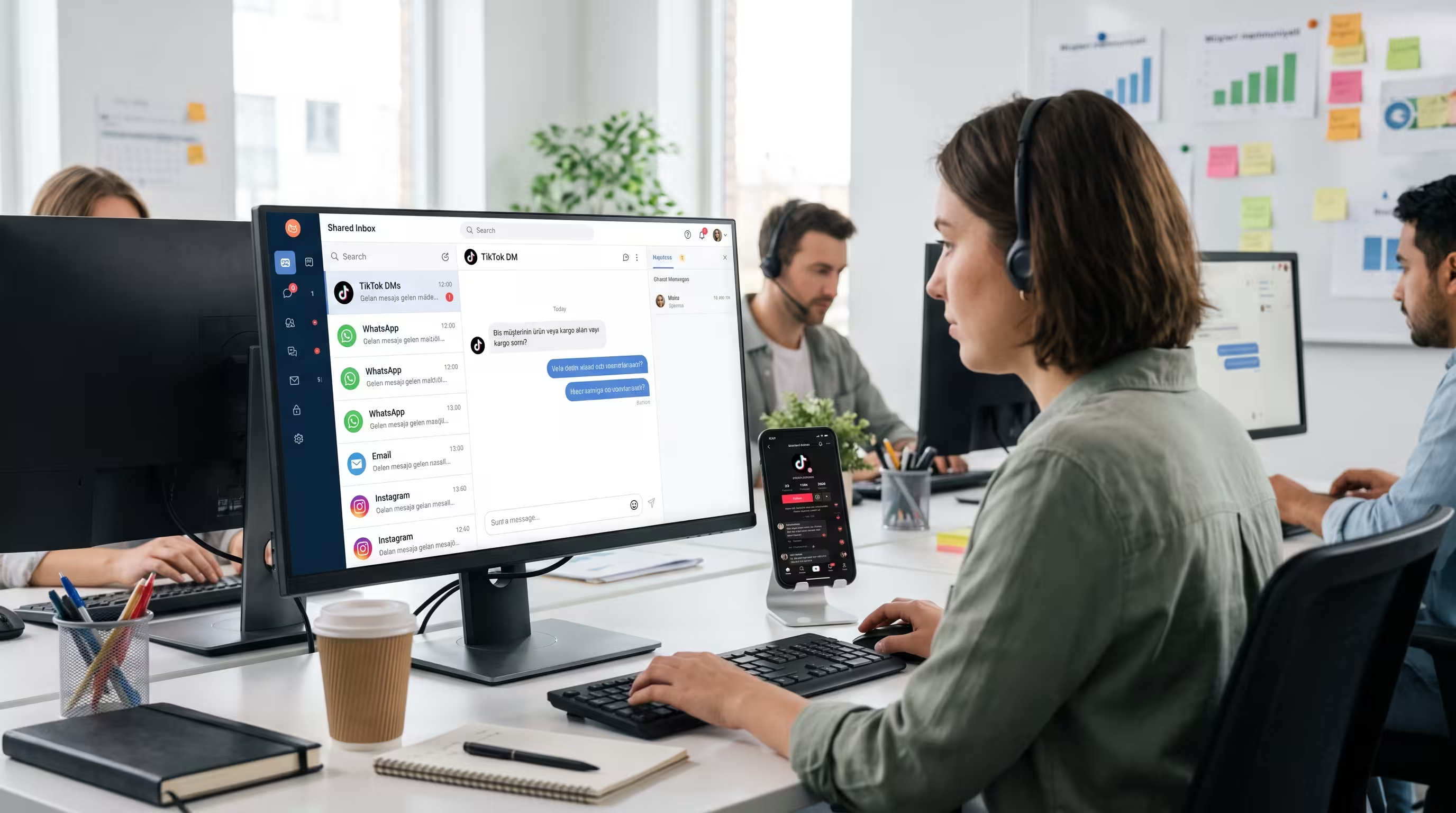
As Patrick put it: "We need to shift towards adaptive, omnchannel solutions that allow guests to connect seamlessly, whether via WhatsApp, voice, web chat, or email and always receive a consistent, personalised response."
Notice the word: adaptive. Not just automated. Not just omnichannel. Adaptive.
This means:
- AI that recognises when a guest needs human help and seamlessly hands off
- Systems that learn from every interaction and improve over time
- Platforms that see the full context across every channel
- Technology that adjusts to each guest's preferences and communication style
Generic automation sends the same message to everyone. Adaptive orchestration sends the right message to the right guest at the right moment through their preferred channel.
That's the difference between noise and connection.
Closing the experience gap
So how do forward-thinking hospitality brands close this gap?
1. Unify communication channels
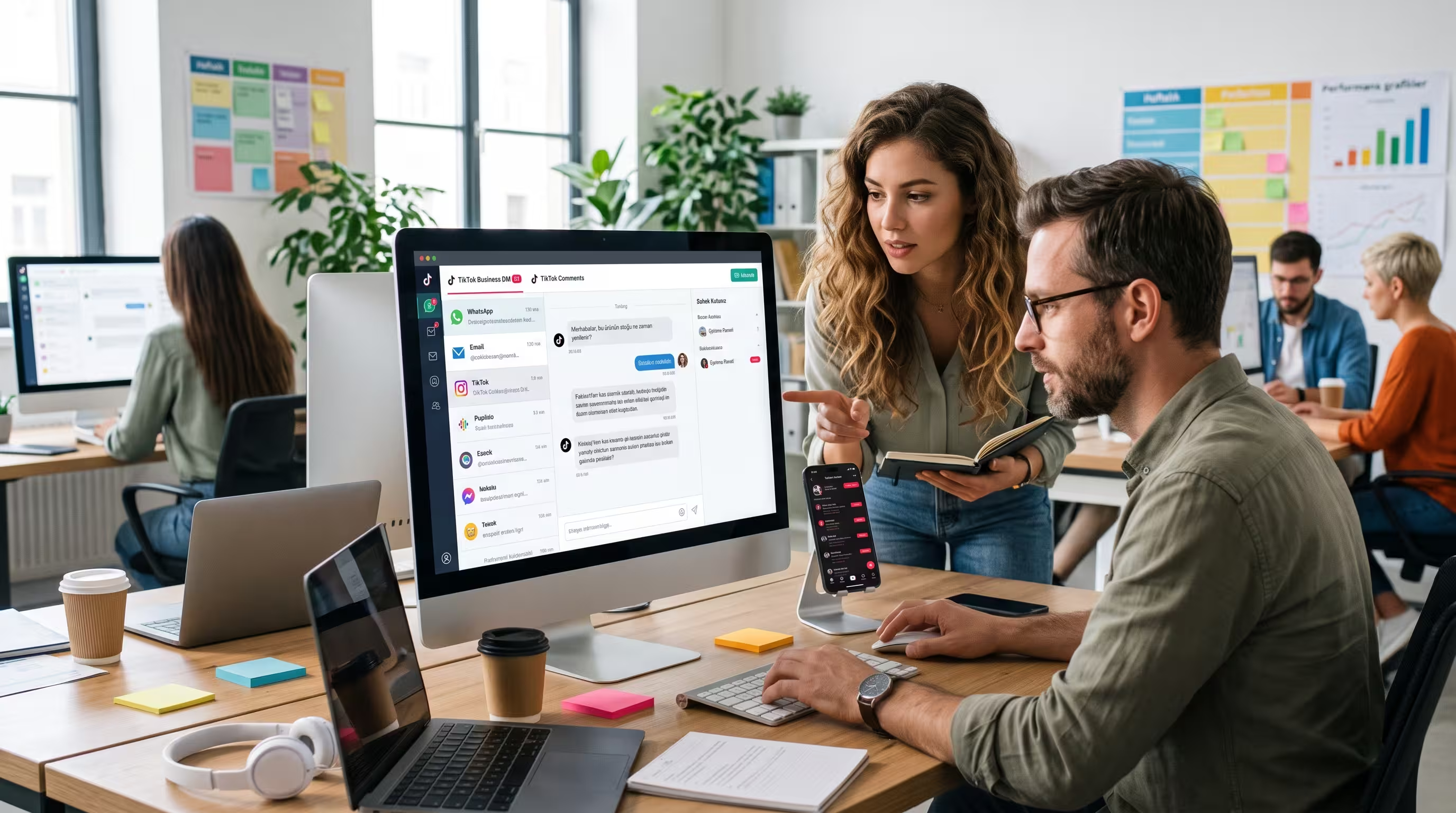
Stop forcing guests to repeat themselves across email, phone, chat, and WhatsApp. One conversation thread, regardless of where it starts or continues.
2. Deploy intelligent AI + human collaboration
Let AI handle routine queries instantly while routing complex, sensitive, or emotional conversations to your team with full context intact.
3. Personalise at scale
Use guest data not just for efficiency, but for relevance. Every offer, every message, every interaction should feel tailored, not templated.
4. Empower your team
Give staff the tools and capacity to focus on what they joined hospitality to do: create exceptional experiences, not answer the same questions all day.
5. Measure what matters
Track more than efficiency metrics. Monitor guest satisfaction, sentiment, and the quality of experiences you're delivering.
Why this matters now
The hospitality industry is at an inflection point. Guest expectations continue rising. Labor challenges persist. Competition intensifies. The brands that thrive won't be those with the most automation. They will be those who use technology to enable better human connection.
"Technology should empower, not replace, human hospitality" Patrick explained.
This isn't just a philosophical stance. It's a competitive strategy. Hotels that get this right will:

Hotels that don't will find themselves trapped in the experience gap, working harder while guests feel less satisfied.
The future belongs to brands that put people first
The next era of hospitality won't be defined by who automates the most. It will be defined by who uses technology to make guests feel most valued and gives teams the freedom to deliver genuine hospitality.
The experience gap is real. But it's closable.
It requires rethinking your technology not as a replacement strategy, but as an enablement strategy. Not as a way to do less, but as a way to do more of what actually matters.
Leading travel, leisure, and hospitality brands are already making this shift. They're investing in adaptive, omnichannel platforms that unify guest communication, deploy intelligent AI that knows when to help and when to hand off, and empower their teams to focus on creating memorable experiences.
The question isn't whether this transformation will happen.
The question is: Will you lead it or be left behind?
Ready to close the experience gap at your property?
Book a demo with Trengo and discover how the world's leading hospitality brands are using technology to enable better human connection, not replace it.

Let's meet
Grow your business with loyalty. Bring all of your customer contact into one, single platform to unlock delight at every step of the way.