How Tour Operators Can Manage Online Reviews for Growth


Try Trengo for Free

Trengo unites WhatsApp, email, web, social media, and calls in one inbox, saving your team hours of repetitive work and ensures no conversation is ever lost
Tour operator reviews are the digital currency of the modern travel industry, serving as the primary driver for trust and new bookings in 2026. This guide explores the critical impact of online reputation on travel agencies and provides actionable strategies for monitoring and responding to feedback across platforms like TripAdvisor and Google. We also demonstrate how centralizing communications can turn overwhelmed support teams into growth engines.
In the highly competitive landscape of travel and tourism, social proof is not just a nice-to-have; it is the backbone of your business. Before a traveler books holiday packages or commits to expensive coach tours, they turn to the experiences of others to validate their decision. Managing these reviews across a fragmented digital landscape is the key to scaling your operations and securing future growth.
Why Online Reviews Make or Break Tour Operators
Online reputation is the mechanism that translates traveler psychology into revenue. When a potential customer begins their journey, they are looking to mitigate risk. They type queries into search engines such as how to check if a tour company is legit or explicitly ask, "is love holidays reliable?" before handing over their credit card details.
For holiday companies, high ratings act as a seal of approval, signaling safety and quality. Conversely, a lack of reviews—or worse, a string of ignored negative feedback—signals risk. A tour operator that actively manages its online reputation demonstrates transparency and care, two traits that are indispensable in the hospitality sector.
The Top Travel Review Sites You Must Monitor
To effectively manage your reputation, you must be present where your customers are talking. For tour operators, this means maintaining a vigilant watch over specific high-traffic platforms.
TripAdvisor and Dedicated Travel Portals
TripAdvisor remains the titan of travel feedback. When customers ask, "what is the best website for travel reviews?" this platform is invariably the answer. It is highly specific to the industry, meaning the intent of users browsing here is incredibly high—they are often ready to book.
Google Reviews and Maps
Local SEO is vital for capturing traffic for searches like holiday travel or coach holidays. Google Reviews are integrated directly into Google Maps and search results. A strong star rating here ensures your agency appears in the "Local Pack" when users search for tour operators in their area.
Trustpilot and General Review Platforms
While TripAdvisor is for travel specifically, Trustpilot is often used to gauge general business reliability. Industry giants like TUI, EasyJet, and Ryanair utilize these platforms to handle high volumes of transactional feedback. High visibility here builds broad corporate trust.
Social Media (Facebook and Instagram)
Feedback isn't always formal. Users frequently leave informal reviews in the comments of your posts or tag your agency in their vacation photos. To capture this feedback effectively, many agencies add Facebook Messenger to your website to bridge the gap between social browsing and direct support.
Strategies for Managing Reviews at Scale
For online travel agents and operators, the challenge is not just the content of the reviews, but the volume. Logging into TripAdvisor, Google Business Profile, and email accounts separately is inefficient. Here is how to manage the workload.
Respond to Every Review (Positive and Negative)
Silence looks suspicious to prospective bookers. The best holiday deals providers differentiate themselves not just by price, but by engagement. By responding to positive reviews, you build community; by responding to negative ones, you show accountability.
Turn Negative Feedback into a Service Recovery Opportunity
Complaints about vacation packages or holiday booking errors are inevitable. However, a well-crafted public response can salvage the relationship. Acknowledge the issue, apologize without making excuses, and offer to take the conversation offline to resolve it. This proves to future customers that you stand behind your service.
Centralizing Your Reputation Management with Trengo
Managing reputation requires speed and context. Trengo solves the fragmentation problem by bringing all your communication channels under one roof.
The Power of a Unified Inbox
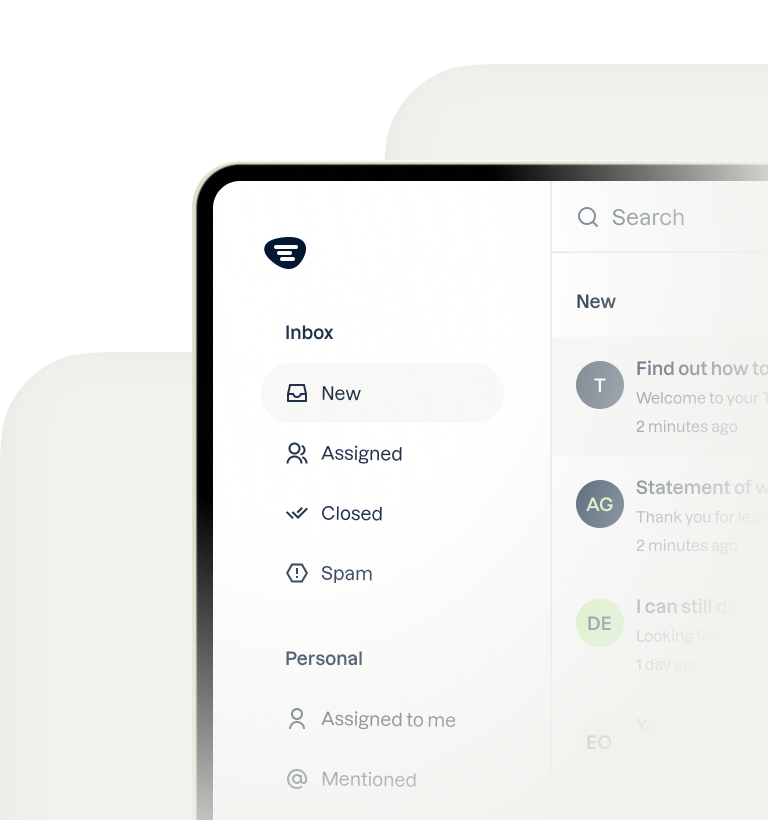
Review management becomes seamless when you don't have to switch tabs. Trengo aggregates messages from email, social media, and review platforms into a single view. You can see how a successful agency operates by reading this team inbox case study, which highlights the efficiency gains of centralization. No more toggling between booking sites and email clients.
Automating Review Responses and Routing
Not every review requires manual intervention immediately, but critical ones do. You can use AI automated customer service solutions to set up rules that flag 1-star reviews for immediate managerial attention. Conversely, simple 5-star ratings without text can receive an automated "Thank You" to ensure no customer goes unacknowledged.
Collaborating with Your Team on Complex Queries
Sometimes, a review requires context that a support agent doesn't have. If a review mentions a specific coach tour driver or an incident during a holiday in Croatia, your agent can tag the operations manager internally within the conversation thread. This ensures the public reply is accurate and informed without the need for messy email forwarding chains.
Turning Reviews into Actionable Data
Analyzing review data is essential for long-term growth. By tagging incoming reviews by topic (e.g., "cleanliness," "guide punctuality"), you can identify trends and fix operational issues before they damage your reputation further. To learn more about leveraging feedback specifically for tours, check out our guide on Post-Tour Reviews.
Frequently Asked Questions (FAQ)
What is the best online review site for tour operators?
The best site depends on your goals; TripAdvisor is superior for industry-specific credibility, while Google Reviews provides the highest visibility for local search traffic and general discovery.
How can I check if a tour company is legitimate?
Travelers can verify legitimacy by looking for a high volume of recent reviews, consistent and professional responses from the business owner, and a verified presence on reputable travel review websites.
Should I respond to reviews for other brands like TUI or Jet2?
No, you should only manage your own brand's reputation, but you should benchmark your response times and tone against the top 10 travel companies UK to ensure you are meeting industry standards.
How do I remove fake reviews?
To remove fake reviews, you must use the flagging tool provided by platforms like Google or TripAdvisor and provide evidence that the review violates their content policy, a common process for holiday companies UK protecting their brand.




Let's meet
Grow your business with loyalty. Bring all of your customer contact into one, single platform to unlock delight at every step of the way.