What Is Affiliate Marketing? 2026 Beginner's Guide


Try Trengo for Free

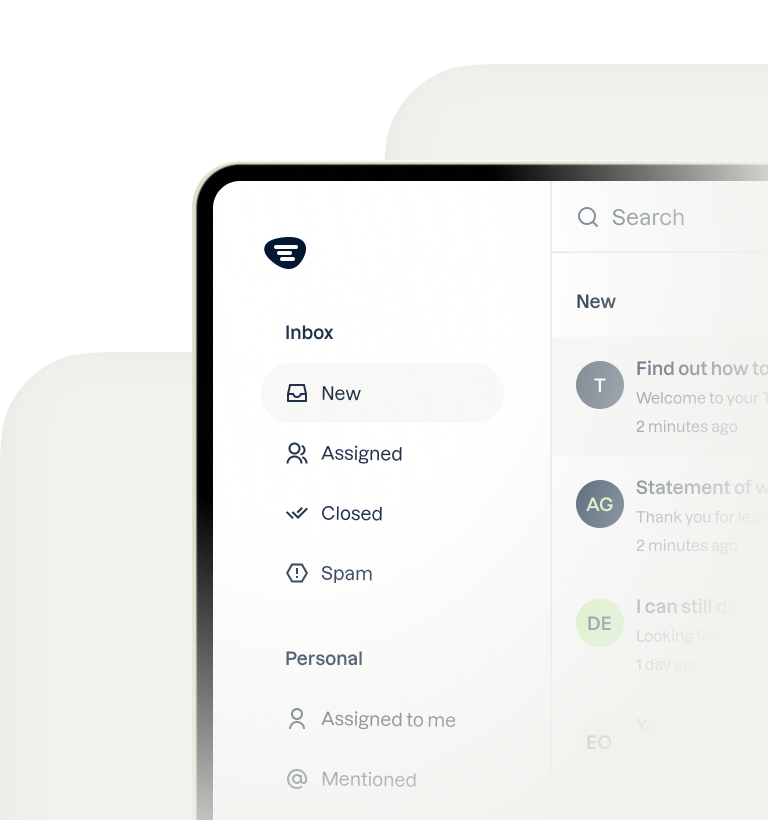
Trengo unites WhatsApp, email, web, social media, and calls in one inbox, saving your team hours of repetitive work and ensures no conversation is ever lost
What Is Affiliate Marketing A Complete Reference for Beginners in 2026
Affiliate marketing is a performance based marketing strategy where an individual or company, known as an affiliate, earns a commission for promoting another company's products or services. In simple terms, you get paid for helping a business generate sales or leads. It's a powerful way for content creators and entrepreneurs to monetize their online presence by recommending products they genuinely trust to their audience.
Summary
Affiliate marketing is a model that involves four key players: the merchant, the affiliate, the customer, and the affiliate network. It works across various channels like blogs, social media, and email. Success depends on choosing the right niche, creating valuable content to build audience trust, and efficiently managing communications as your business grows.
TL;DR
- Affiliate marketing is earning a commission by promoting a company's products.
- The process involves four parties: the merchant, the affiliate, the customer, and a network.
- Common channels include blogs, social media platforms, and email newsletters.
- Affiliates earn money through models like Pay Per Sale, Pay Per Lead, or Pay Per Click.
- Starting involves picking a niche, choosing a platform, finding programs, and creating honest content.
- Scaling requires smart communication tools to manage audience and brand relationships.
How Does Affiliate Marketing Work The Core Components
At its heart, affiliate marketing operates like a digital referral system. It's a partnership that connects a business with a product to sell with a publisher who can promote it. The entire process is tracked using unique affiliate links to ensure the promoter gets credit for every customer they refer. Let's break down the four essential players in this ecosystem.
The Merchant The Brand
The merchant is the creator of the product or service. This can be any company, from a large e commerce store like Amazon to a small software as a service SaaS business. The merchant's goal is to increase sales and reach new customers by leveraging the audiences of their affiliates. They provide the product and the commission structure.
The Affiliate The Publisher
The affiliate, also known as the publisher, is the individual or company that promotes the merchant's product. This is the role you would take on. Affiliates can be bloggers, social media influencers, or niche website owners. They create content, such as reviews or tutorials, that persuades their audience to purchase the product through their unique affiliate link.
The Customer
The customer is the driving force of affiliate marketing. They are the ones who see the affiliate's promotion and click the link to make a purchase. A key point to emphasize is that the price for the customer remains exactly the same whether they buy directly from the merchant or through an affiliate link. The affiliate's commission is paid by the merchant as a marketing expense.
The Affiliate Network The Middleman
While not always present, affiliate networks often act as intermediaries between merchants and affiliates. Networks like ShareASale, CJ Affiliate, or Awin provide a centralized platform with a wide range of products to promote. They handle the technical side of things, including tracking clicks, managing reporting, and processing payments, which simplifies the process for everyone involved.
Common Types of Affiliate Marketing Channels
Affiliate marketing is not a one size fits all strategy. It thrives on various platforms where creators have built an engaged audience. Here are some of the most common channels where you can find affiliate promotions in action.
Bloggers and Content Websites
This is one of the most traditional and effective methods. Bloggers create in depth articles, product reviews, comparison posts, and how to tutorials. They seamlessly integrate affiliate links within their content, providing genuine value to readers who are actively searching for information and solutions related to a specific topic.
Social Media Influencers
Influencers on platforms like Instagram, TikTok, and YouTube have built large followings based on their expertise or personality in a certain niche. They promote products through video reviews, stories with "swipe up" links, or by placing links in their bio or video descriptions. Their personal endorsement can be highly persuasive for their followers.
Email Marketers
Many affiliates focus on building a subscriber list to nurture a direct relationship with their audience. They send out regular email newsletters that contain valuable content, special offers, and product recommendations with affiliate links. This channel is powerful because it's a direct and personal line of communication.
Review and Comparison Sites
These websites are dedicated to a specific niche, such as consumer electronics, travel, or software. They create detailed reviews and side by side comparisons of different products, helping customers make informed purchasing decisions. Their entire business model is often built around earning affiliate commissions from the products they feature.
How Do Affiliate Marketers Earn Money Understanding Payout Models
Understanding how you get paid is fundamental to affiliate marketing. Merchants use different compensation models to reward affiliates for their promotional efforts. While the specifics can vary between programs, most fall into one of three primary categories.
Pay Per Sale PPS
Pay Per Sale is the most common and straightforward payout model in affiliate marketing. With this structure, the affiliate earns a commission only when a customer they referred makes an actual purchase. The commission is typically a predetermined percentage of the sale price. This model is favored by merchants because they only pay for confirmed conversions.
Pay Per Lead PPL
In a Pay Per Lead model, the affiliate gets compensated when a referred visitor completes a specific action, such as signing up for a free trial, filling out a contact form, or subscribing to a newsletter. The visitor doesn't need to buy anything. This model is often used by companies in the SaaS, finance, or education industries that have a longer sales cycle.
Pay Per Click PPC
Though less common today, the Pay Per Click model pays affiliates for generating traffic. The affiliate earns a small fee for every visitor they redirect to the merchant's website through their affiliate link, regardless of whether that visitor makes a purchase or fills out a form. This model carries more risk for merchants, so it has become rarer in modern affiliate programs.
How to Start Affiliate Marketing in 5 Steps
Getting started with affiliate marketing can feel overwhelming, but it can be broken down into a series of manageable steps. This framework provides a clear path for beginners to follow as they build their affiliate business from the ground up.
Step 1 Choose Your Niche
Your niche is the specific topic or industry you will focus on. It is crucial to choose a subject you are genuinely passionate and knowledgeable about. This will make creating content more enjoyable and sustainable. A good niche also has an audience that is willing to spend money and a sufficient number of products or services you can promote.
Step 2 Pick Your Platforms
Decide where you will build your audience and share your content. Will you start a blog, a YouTube channel, or grow a following on Instagram or TikTok? You don't have to be everywhere at once. It is better to master one or two platforms where your target audience is most active before expanding to others.
Step 3 Find and Join Affiliate Programs
Once you have a niche and platform, it is time to find products to promote. You can find affiliate programs by searching on affiliate networks, checking directly on the websites of brands you love, or by searching online for "[your niche] affiliate program". Start with a few high quality programs that align with your audience's needs.
Step 4 Create Valuable and Honest Content
This is the most important step. Your success as an affiliate marketer hinges on the trust you build with your audience. Focus on creating high quality, helpful, and honest content. Instead of just pushing a sale, create in depth reviews, useful tutorials, or case studies that show how the product solves a real problem. Authenticity leads to conversions.
Step 5 Build an Audience and Drive Traffic
Content is useless if no one sees it. You need a strategy to drive traffic to your platform. This can involve search engine optimization SEO for your blog, consistent posting and social media engagement, or building an email list. Consistently promoting your content and engaging with your audience is key to steady growth.
Scaling Your Affiliate Business with Smart Communication
Once you've mastered the basics and your affiliate business begins to grow, you'll face a new set of challenges. The very success you worked for, a larger audience and more brand partnerships, can create a communication bottleneck that slows you down. This is the stage where moving from an amateur setup to a professional workflow becomes essential for continued growth.
The Challenge Juggling Audience Questions and Brand Partnerships
As your audience grows, so do the questions. You'll receive inquiries through blog comments, YouTube comments, Instagram DMs, and direct emails. At the same time, you are communicating with multiple affiliate managers about new promotions, commission rates, and campaign details. Trying to manage all of this from separate inboxes and platforms is chaotic. Important messages get lost, response times suffer, and valuable opportunities can slip through the cracks.
The Solution A Centralized Communication Hub
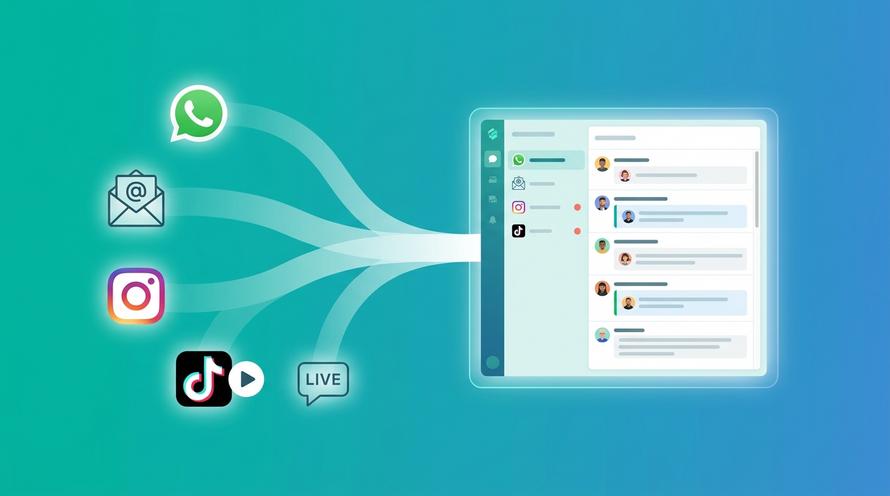
This is where a tool like Trengo transforms your operation. By implementing a shared multichannel inbox, you can consolidate all conversations from email, social media, and your website into one unified view. This allows you or your team to respond to audience questions faster, strengthening community trust. It also ensures that communication with brand partners is professional and organized, which can lead to better relationships, higher commissions, and exclusive promotional opportunities. It is the key to scaling efficiently without letting any conversation get lost.
Frequently Asked Questions

Yes, it is possible to make $10,000 a month or more, but it is not a get rich quick scheme. Reaching this level of income requires significant time, a well executed strategy, and a large, highly engaged audience that trusts your recommendations.
Profitability varies greatly depending on your niche, commission rates, and your ability to generate traffic that converts into sales or leads. However, because it has very low startup costs compared to other businesses, the profit potential is very high.
Yes, many people have turned affiliate marketing into their full time career. It takes dedication and time to build your audience and income streams to a level that can replace a traditional salary, but it is an achievable goal for successful affiliates.
The concept of affiliate marketing is simple, but successful execution requires hard work. Beginners will need to be consistent and willing to learn about content creation, SEO, and other digital marketing skills. It is accessible but not necessarily easy.
An affiliate marketer's typical tasks include researching products in their niche, creating content like blog posts or videos, promoting that content to drive traffic, analyzing performance data to see what works, and engaging with their audience to build trust.
Yes, affiliate marketing is a legitimate and well established multi billion dollar industry. It is a core marketing channel for thousands of major brands and online retailers worldwide. The model itself is a real and effective form of performance based advertising.
You can do affiliate marketing on any platform where you can share content and links. The most popular platforms include personal blogs and websites, YouTube channels, social media accounts like Instagram and TikTok, Pinterest boards, and email newsletters.



Let's meet
Grow your business with loyalty. Bring all of your customer contact into one, single platform to unlock delight at every step of the way.