What Makes a Company Slogan Great? (100+ Examples)


Try Trengo for Free

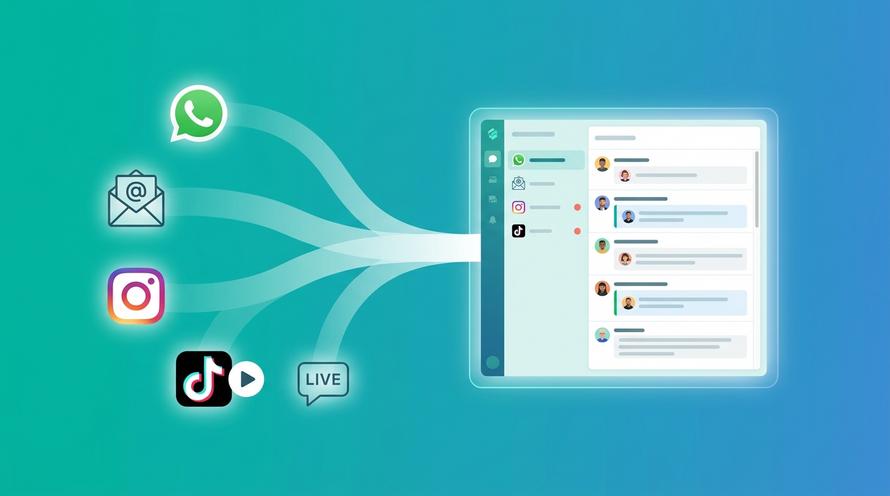
Trengo unites WhatsApp, email, web, social media, and calls in one inbox, saving your team hours of repetitive work and ensures no conversation is ever lost
What Makes a Company Slogan Great And What It's Not
Summary
Effective company slogans are more than just catchy phrases; they are the heartbeat of a brand's identity and a direct promise to the customer. This article explores the key ingredients of a memorable slogan, provides over 100 examples for inspiration, and offers a five-step process for creating your own in 2026. A great slogan must be memorable, highlight a core benefit, differentiate your brand, and evoke a positive feeling, a promise that must be delivered in every customer interaction.
TL;DR
- A great slogan is a short, memorable phrase that encapsulates a brand's core promise and distinguishes it from competitors.
- The four key elements of a powerful slogan are being memorable, highlighting a customer benefit, differentiating the brand, and creating a positive emotional connection.
- Creating a slogan involves defining your brand promise, understanding your audience, brainstorming freely, refining your ideas, and testing the final contenders.
- A slogan is only effective if the brand delivers on its promise consistently across all customer touchpoints, from marketing to support.
- Tools like multichannel communication platforms help businesses maintain a consistent brand voice and live up to their slogan's promise in every interaction.
A company slogan is a short, powerful phrase used in advertising and branding to convey a brand's core message or promise in a memorable way. Think of Nike's "Just Do It." or Apple's "Think Different." These phrases instantly communicate a feeling and a value proposition. It’s a shortcut to what your brand stands for and the promise it makes to every customer. It’s crucial, however, to distinguish a slogan from other branding elements. A tagline often represents the entire company's positioning and is more permanent, whereas a slogan can be tied to a specific advertising campaign. A mission statement is an internal guide for the company's goals, and a value proposition is a more detailed explanation of the benefits a customer receives. A slogan distills all of this into a few impactful words.
The 4 Key Ingredients of an Unforgettable Slogan
The most powerful slogans in history share a few common traits. They are not created by accident; they are carefully crafted to resonate with an audience and stand the test of time. Understanding these core components is the first step toward creating a slogan that sticks.
It's Memorable and Catchy
The primary job of a slogan is to be remembered. This is often achieved through simplicity, brevity, and rhythm. A short, punchy phrase is easier to recall and share. Rhyme, alliteration, and a rhythmic cadence can make a slogan almost musical, lodging it in the audience's mind. McDonald's "I'm Lovin' It" is a perfect example; it's short, has a simple rhythm, and is incredibly easy to remember and repeat.
It Highlights a Core Benefit
The best slogans focus on what the customer gets, not what the company does. They answer the silent question every consumer has: "What's in it for me?" Instead of listing features, a great slogan communicates a key benefit. For instance, FedEx's classic slogan, "When it absolutely, positively has to be there overnight," didn't talk about their planes or logistics network. It sold the promise of reliability and peace of mind, a direct benefit to the customer.
It Differentiates Your Brand
In a crowded market, your slogan can be a powerful tool to set you apart from the competition. It should carve out a unique space in the consumer's mind. The legendary campaign for Avis is a masterclass in this. As the number two car rental company behind Hertz, they adopted the slogan, "We Try Harder." This brilliantly turned their runner-up status into a compelling benefit, suggesting that their position forced them to provide superior service.
It Creates a Positive Feeling
Beyond logic and benefits, a great slogan connects with customers on an emotional level. It should evoke a positive feeling that the audience will associate with the brand. Disneyland's "The Happiest Place on Earth" is not a claim about its rides or features; it's a promise of an emotional state. This connection builds brand loyalty that goes far deeper than product specifications or price points.
100+ Famous Company Slogans to Inspire You
Looking at famous slogans is one of the best ways to get your creative juices flowing. Here are some of the most iconic, witty, and industry-specific company slogans examples from around the world to provide inspiration.
Iconic and Timeless Slogans
- Nike: "Just Do It."
- Apple: "Think Different."
- KFC: "Finger Lickin' Good."
- McDonald's: "I'm Lovin' It."
- Burger King: "Have It Your Way."
- L'Oréal: "Because You're Worth It."
- Disneyland: "The Happiest Place on Earth."
- Adidas: "Impossible is Nothing."
- Toyota: "Let's Go Places."
- Subway: "Eat Fresh."
- Mastercard: "There are some things money can't buy. For everything else, there's Mastercard."
- De Beers: "A Diamond Is Forever."
- M&M's: "Melts in Your Mouth, Not in Your Hand."
- Wheaties: "The Breakfast of Champions."
- Gillette: "The Best a Man Can Get."
Funny and Witty Company Slogans
- Meow Mix: "Tastes so good, cats ask for it by name."
- Dollar Shave Club: "Shave Time. Shave Money."
- Old Spice: "The Man Your Man Could Smell Like."
- Polo mints: "The mint with the hole."
- Volkswagen: "It's ugly, but it gets you there."
- Smart Car: "Open your mind."
Slogans by Industry
Different industries require different approaches. A slogan for a construction company will have a very different tone than one for a candy brand. Here are some popular slogans broken down by sector.
Food and Beverage
- M&M's: "Melts in Your Mouth, Not in Your Hand."
- Kellogg's Rice Krispies: "Snap! Crackle! Pop!"
- Wendy's: "Where's the beef?"
- Lay's: "Betcha Can't Eat Just One."
- California Milk Processor Board: "Got Milk?"
- Coca-Cola: "Open Happiness."
- Kit Kat: "Have a Break, Have a Kit Kat."
Automotive
- Ford: "Built to Last."
- BMW: "The Ultimate Driving Machine."
- Volkswagen: "Das Auto."
- Chevrolet: "Find New Roads."
- Audi: "Vorsprung durch Technik" (Advancement Through Technology).
- Jaguar: "The Art of Performance."
Clothing and Apparel
- Hanes: "Look who we've got our Hanes on now."
- Calvin Klein: "Nothing comes between me and my Calvins."
- Levi's: "Quality Never Goes Out of Style."
- Victoria's Secret: "A Body for Every Body."
Construction
- Caterpillar: "Built For It."
- John Deere: "Nothing Runs Like a Deere."
- Bobcat: "One Tough Animal."
- DeWalt: "Guaranteed Tough."

How to Create a Winning Slogan in 5 Simple Steps
Now that you're inspired, it's time to create your own slogan. This five-step process will help you move from initial ideas to a powerful and polished final product.
Step 1: Define Your Brand's Core Promise
Before you write a single word, you need to understand what lies at the heart of your brand. What is the single most important thing you want customers to know or feel about you? Is it your speed, your quality, your innovation, or your customer service? Write down what makes your company unique and what value you deliver that no one else does. This core promise is the foundation of your slogan.
Step 2: Know Your Audience
A slogan isn't for you; it's for your customer. You need to speak their language. What do they value most? What are their pain points? What tone of voice will resonate with them? Create a clear picture of your ideal customer and write the slogan directly to them. Consider their demographics, values, and communication style.
Step 3: Brainstorm, Don't Censor
This is the creative phase. Gather your team and start throwing out ideas. The goal here is quantity, not quality. Don't judge or dismiss any suggestions. Write down everything, from single words to full sentences. You can use tools like slogan generators for initial inspiration, but don't rely on them to do the work. The best slogans come from a deep understanding of your brand, not an algorithm.
Step 4: Keep It Short, Simple, and Strong
Once you have a long list of ideas, start refining it. Look for the slogans that are the most concise and impactful. Cut unnecessary words. Can you say the same thing in three words instead of seven? Is the language clear and easy to understand? The goal is to create a phrase that is punchy, powerful, and immediately clear.
Step 5: Test It Out
Don't finalize your slogan in a vacuum. Once you've narrowed your list down to a few top contenders, it's time for feedback. Share them with your target customers, employees, and other stakeholders. Ask them what each slogan means to them and which one resonates most. Their feedback is invaluable for ensuring your slogan is as effective in the real world as it is on the whiteboard.
A Great Slogan Is a Promise: How to Deliver on It with Every Customer Interaction
A slogan is more than just a clever marketing line; it's a promise. If Nike says "Just Do It," their products must empower action. If FedEx promises it will be there overnight, it has to arrive on time. This promise is tested not in advertisements, but in every single interaction a customer has with your company. A slogan is useless if the actual customer experience doesn't back it up. This is where the real challenge begins, and where a tool like Trengo is built to help you succeed.
Unifying Your Brand Voice Across All Channels
If your slogan is "Quality You Can Trust," that message must be consistent whether a customer is browsing your website, sending a WhatsApp message, or reading an email. A disjointed experience shatters the promise your slogan makes. Trengo's Omnichannel inbox brings all customer conversations from email, social media, and messaging apps into one centralized view. This makes it easy for any team member to respond with a consistent, on-brand voice that reinforces the core message of your slogan. Exceptional customer service is the foundation of a trusted brand.
Turning Your Slogan into an Actionable Service Standard
Your slogan should set the standard for your customer service. A slogan like "Always Here to Help" creates an expectation of immediate and accessible support. In today's fast-paced world, living up to that promise requires more than just human agents. Trengo's automation tools, like smart chatbots and quick replies, help businesses deliver on promises of speed and availability 24/7. This ensures you can truly live up to your slogan, even when your team is offline. Many brands feature their slogans prominently in their social media marketing campaigns, and Trengo helps manage the influx of messages that result from those efforts, ensuring no customer is left waiting.
Frequently Asked Questions

While lists may vary, ten of the most famous and iconic company slogans include Nike's "Just Do It.", Apple's "Think Different.", McDonald's "I'm Lovin' It.", L'Oréal's "Because You're Worth It.", De Beers' "A Diamond Is Forever.", Mastercard's "There are some things money can't buy...", KFC's "Finger Lickin' Good.", Coca-Cola's "Open Happiness.", Subway's "Eat Fresh.", and Gillette's "The Best a Man Can Get."
Generally, short phrases like slogans cannot be copyrighted because copyright law does not protect names, titles, or short phrases. However, a slogan can be protected as a trademark if it is used in commerce to identify the source of goods or services. Trademarking prevents competitors from using a similar slogan that could cause confusion among consumers. It is always best to consult with a legal professional for specific advice.
No, not every company needs a slogan, but it is a powerful branding tool that can significantly help with brand recall and differentiation. Some major companies, like Amazon, do not have a prominent slogan but rely on their strong brand identity, logo, and consistent messaging. For most businesses, especially new or growing ones, a well-crafted slogan is a valuable asset for creating a memorable brand.
The terms are often used interchangeably, but there is a traditional distinction. A tagline is a more enduring phrase that represents the entire company's brand positioning, like Nike's "Just Do It." A slogan is often more temporary and tied to a specific product or advertising campaign, such as Bounty's "The Quicker Picker Upper." In modern marketing, however, the line between the two has become increasingly blurred.
Some excellent examples of slogans that effectively communicate quality and craftsmanship include "The Best or Nothing" from Mercedes-Benz, which sets a high standard of excellence. Another is Wendy's "Quality is our Recipe," which directly integrates the concept of quality into their core product. Ford's "Built to Last" also conveys durability and high-quality construction in a simple, powerful phrase.


Let's meet
Grow your business with loyalty. Bring all of your customer contact into one, single platform to unlock delight at every step of the way.