

D2C vs B2C E-commerce: Key Differences Explained

Try Trengo for Free

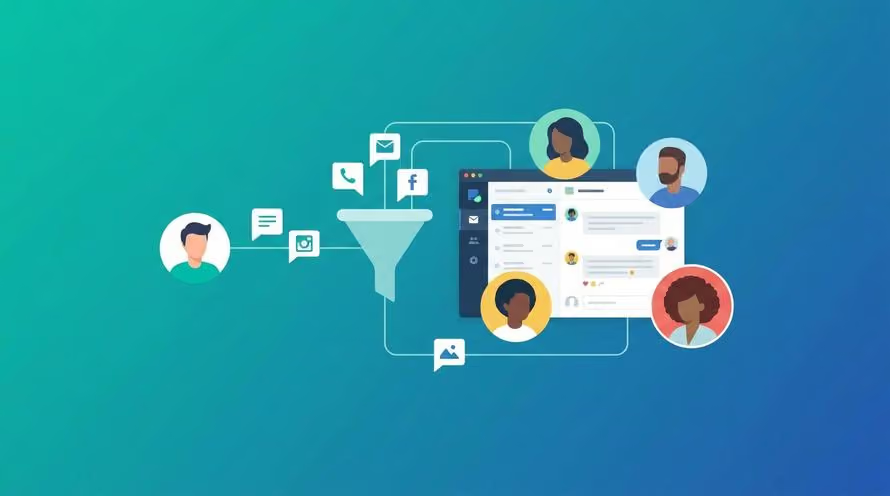
Trengo unites WhatsApp, email, web, social media, and calls in one inbox, saving your team hours of repetitive work and ensures no conversation is ever lost
What is D2C e-commerce?
Summary
Understanding the D2C vs B2C business models is crucial for success in 2026. D2C (Direct-to-Consumer) involves a brand selling its products directly to the end customer, cutting out middlemen, which allows for a direct relationship and higher margins. B2C (Business-to-Consumer) is a broader model that often includes intermediaries like retailers. The key difference lies in the customer relationship, which directly impacts marketing, data collection, and communication strategy, making a versatile platform like Trengo essential for managing customer interactions effectively in either model.
TL;DR
- D2C (Direct-to-Consumer): Brands sell directly to their customers, owning the entire relationship.
- B2C (Business-to-Consumer): The traditional retail model where brands sell to customers, often through third-party retailers or marketplaces.
- Key Difference: The primary distinction is the presence (B2C) or absence (D2C) of an intermediary, which drastically changes the customer relationship.
- Customer Data: D2C brands own all their first-party customer data, while B2C brands often do not.
- Communication is Key: Success in both models hinges on customer communication. D2C requires personal, multi-channel engagement, while B2C needs efficient, high-volume support.
In the rapidly evolving world of e-commerce, the lines between different business models can seem blurry. You have likely heard the terms D2C and B2C, but what really sets them apart? While all Direct-to-Consumer sales are technically Business-to-Consumer, not all B2C business is D2C. Understanding this crucial distinction is the first step toward choosing the right strategy for your brand in 2026.
D2C, or Direct-to-Consumer, is an e-commerce model where a brand manufactures, markets, sells, and ships its own products directly to its customers without any intermediaries. This means there are no wholesalers, distributors, or third-party retailers like department stores or marketplaces involved. The brand controls the entire process from the factory to the customer's front door. The D2C full form itself emphasizes this direct connection.
Key Characteristics of the D2C Model
- Direct Customer Relationship: The brand owns the entire customer journey, from the first ad impression to post-purchase support, fostering loyalty and direct feedback.
- Full Control Over Branding: Messaging, packaging, and customer service are perfectly consistent, creating a cohesive and powerful brand experience.
- Access to Customer Data: Brands collect valuable first-party data directly, which can be used for personalized marketing, product development, and improving the customer experience.
- Higher Profit Margins: By eliminating the middleman retailer, brands keep a larger portion of the revenue from each sale.
D2C Examples in 2026
Many of today's most recognizable brands were built on a D2C model. Warby Parker disrupted the traditional eyewear industry by selling stylish glasses directly online, bypassing expensive retail markups. Glossier built a massive community through social media and direct engagement, using customer feedback to develop new products. Allbirds found success by focusing on sustainability and selling its eco-friendly shoes through its own website, controlling the narrative and customer experience from day one.
What is B2C e-commerce?
B2C, or Business-to-Consumer, is the traditional and broader retail model where a business sells products or services directly to individual consumers for their personal use. While this sounds similar to D2C, the critical difference is that the B2C model often involves intermediaries. When a brand sells its products through a supermarket, a department store, or an online marketplace like Amazon, it is operating within a B2C framework. The business is selling to a consumer, but a third party facilitates the transaction.
Key Characteristics of the B2C Model
- Broader Reach: By partnering with established retailers, brands can instantly tap into a massive, pre-existing customer base without building it from scratch.
- Reliance on Middlemen: The supply chain includes third parties such as wholesalers, distributors, and retailers who handle logistics and sales.
- Limited Customer Data: The retailer, not the brand, typically owns the end-customer and point-of-sale data, making personalization more difficult.
- Brand Control Challenges: The in-store or on-site experience is controlled by the retailer, which can dilute the brand's intended messaging and presentation.
B2C Examples
The B2C model is everywhere you look. When you buy Coca-Cola at a grocery store, you are participating in a B2C transaction where the store is the middleman. The same applies when you purchase a Sony television from Best Buy. Even a small artisan brand selling its handmade goods on a marketplace like Etsy is using a B2C model, as Etsy is the intermediary platform connecting them to a wider audience.
Turn WhatsApp into your top sales channel
Reach more users where they already chat. Automate replies, route conversations, and close faster.
What is the difference between B2C and D2C?
The fundamental difference between D2C and B2C is the sales channel and, as a result, the nature of the customer relationship. D2C is about a direct, one-to-one connection between the brand and the consumer, while traditional B2C involves an indirect relationship mediated by a third-party retailer. This core distinction impacts everything from profit margins and data ownership to marketing strategies.
The Customer Relationship: Direct vs. Indirect
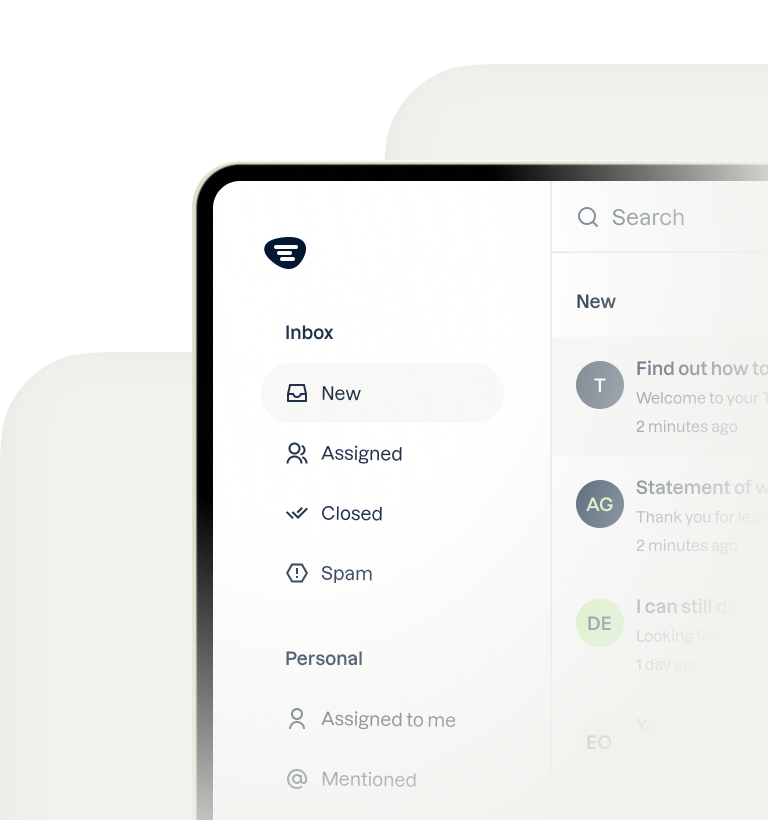
This is where the most significant divergence occurs. D2C brands thrive on building a community and maintaining a direct, personal dialogue with their customers. They need to be accessible everywhere their customers are, whether it is Instagram DMs, live chat, email, or via the WhatsApp Business API. Managing these conversations effectively is paramount. This is precisely why a unified platform is so crucial; Trengo's Omnichannel inbox centralizes every customer interaction into one view, allowing D2C brands to deliver a personal touch at scale. In contrast, traditional B2C support is often funneled through the retailer or a single, formal channel, focusing more on transactional issues rather than relationship building.
Marketing and Data: Personalization vs. Mass Appeal
Because D2C brands own the customer relationship, they also own all the first-party data. This data is a goldmine for creating highly personalized marketing campaigns, tailored product recommendations, and retargeting efforts. Every conversation a customer has with the brand can be logged and analyzed to better understand their needs. The conversational data captured within Trengo, for instance, helps D2C brands refine their messaging and product offerings. B2C brands, lacking this direct data, often rely on broader, mass-market advertising and promotions run in partnership with their retail channels.
The Broader E-commerce Landscape: B2B, C2C, and Hybrid Models
To fully understand the e-commerce world, it is helpful to know a few other models. The b2c vs b2b distinction is fundamental; B2B (Business-to-Business) is when companies sell products or services to other companies. C2C (Consumer-to-Consumer) involves individuals selling to one another, often through platforms like eBay. As the market evolves, many businesses are realizing the power of a hybrid approach. Managing B2B sales often requires specific tools, and many businesses now rely on specialized e-commerce solutions providers for b2b to handle complex client relationships and sales cycles.
D2C vs B2C: Which Model is Better for Your Business?
There is no single "better" model; the right choice depends entirely on your business's goals, product type, resources, and target audience. Each approach has distinct advantages and disadvantages that you must weigh carefully before committing to a strategy.
The Pros and Cons of D2C
- Pros: Full brand control, higher profit margins, direct access to invaluable customer data, and the agility to quickly adapt to market trends.
- Cons: High startup costs for marketing and logistics, full responsibility for customer acquisition, and complex fulfillment and shipping challenges.
The Pros and Cons of B2C
- Pros: Instant access to a large, established audience, a lower initial marketing burden, and enhanced credibility from being associated with major retailers.
- Cons: Lower profit margins due to retailer cuts, a lack of control over the brand experience, no direct customer relationship, and heavy dependence on retail partners.
Want WhatsApp Business API for your team?
Trengo gets you live in under 5 minutes.
The Future is Hybrid: Why Many Brands Do Both
In 2026, the lines between D2C and B2C are increasingly blurred. The most successful and resilient brands often adopt a hybrid, omnichannel strategy that combines the best of both worlds. Think of a global brand like Nike. You can buy their latest sneakers directly from their website (D2C), which offers a premium, personalized experience. At the same time, you can find their products in thousands of retail stores worldwide (B2C), maximizing their reach and accessibility. This hybrid approach allows brands to maintain control and build a community while also leveraging the scale of traditional retail.
Unify Your Customer Communication, No Matter Your Model
Whether you are building a D2C brand from the ground up or scaling a B2C operation through retail partners, one thing remains constant: exceptional customer communication is the key to growth. Your customers expect fast, helpful, and personal support on the channels they prefer. Trying to manage Instagram DMs, WhatsApp chats, emails, and live chat in separate windows is inefficient and leads to a fragmented customer experience. Trengo is the definitive B2C ecommerce customer service and engagement platform that solves this problem. Our platform brings all your customer conversations into one smart, collaborative inbox. With powerful tools like Trengo's AI automations, your team can handle more inquiries, build stronger relationships, and turn customer service into a revenue driver. Ready to streamline your communication and grow your business? Start your free trial of Trengo today.
Frequently Asked Questions

Amazon primarily operates as a B2C marketplace, acting as the intermediary retailer for millions of third-party brands. However, when Amazon sells its own products like the Kindle, Echo, or AmazonBasics items directly to consumers on its platform, it is functioning as a D2C brand in those instances.
Apple is a prime example of a successful hybrid model. It sells D2C through its website and iconic Apple Stores, where it has complete control over the brand experience. Simultaneously, it operates a B2C model by partnering with authorized resellers like Best Buy and mobile carriers to maximize its global reach.
The key difference is the seller. B2C (Business-to-Consumer) involves a registered business selling to an individual. C2C (Consumer-to-Consumer) is a model where individuals trade with each other, with a platform like eBay, Facebook Marketplace, or Vinted facilitating the transaction.
The most common e-commerce models are B2B (Business-to-Business), B2C (Business-to-Consumer), C2C (Consumer-to-Consumer), and C2B (Consumer-to-Business). D2C (Direct-to-Consumer) is not a separate type but rather a specific, and increasingly popular, strategic approach within the broader B2C model.