B2C vs B2B Marketing: Key Differences & Strategies

Try Trengo for Free

Trengo unites WhatsApp, email, web, social media, and calls in one inbox, saving your team hours of repetitive work and ensures no conversation is ever lost
B2C vs B2B Marketing: Key Differences & Strategies
Summary
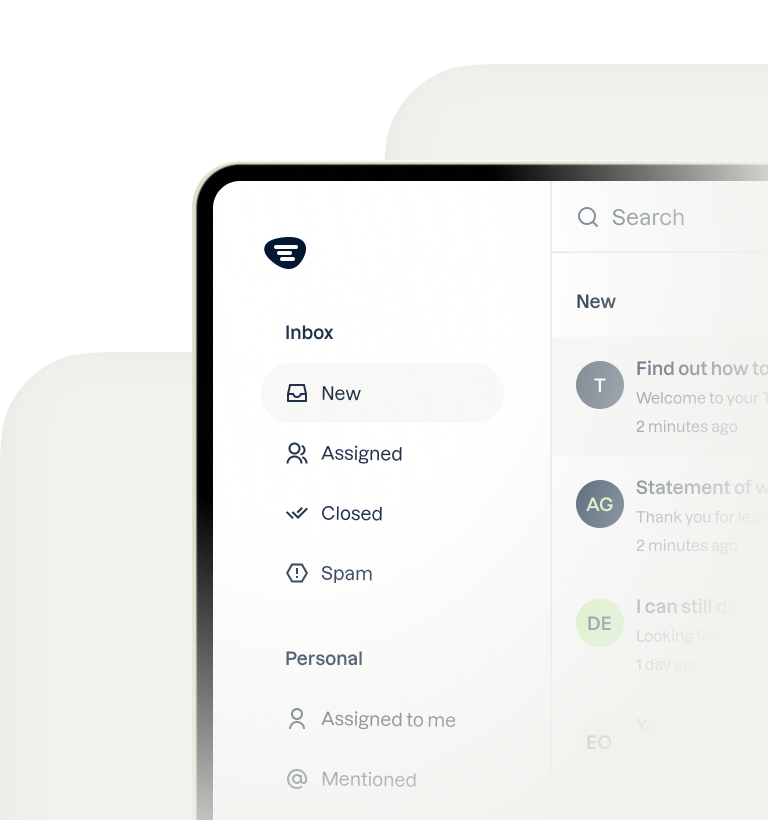
Understanding the core differences between B2C vs B2B is crucial for crafting effective marketing, sales, and communication strategies. While B2C (Business-to-Consumer) marketing focuses on emotional, quick, and individual purchasing decisions, B2B (Business-to-Business) marketing targets logical, long-term, and group-based buying processes. This article breaks down these distinctions, explores modern strategies for each, and shows how a unified communication platform can effectively manage customer interactions in any business model.
TL;DR
- B2C marketing targets individual consumers with emotional appeals and a short sales cycle.
- B2B marketing focuses on businesses, using logic, ROI, and relationship-building over a long sales cycle.
- Key differences lie in the target audience, decision-making process, sales cycle length, and communication style.
- Modern B2B buyers increasingly expect a B2C-like customer experience with fast, accessible support.
- Hybrid models (B2B2C) are common, requiring flexible communication tools.
- A unified inbox like Trengo's helps manage all B2C and B2B customer conversations efficiently in one place.
What is B2C Marketing?
B2C marketing is the practice of promoting and selling products or services directly to individual consumers. The core of this model revolves around a personal connection, targeting the end-user who will personally consume the product. It's characterized by a large target audience, a focus on brand awareness, and strategies designed to trigger an immediate emotional response leading to a quick purchase. The sales cycle is typically short, ranging from minutes to a few days, and the primary decision-maker is the individual customer. To learn more about this, you can read our article about B2C marketing meaning and B2C marketing strategies.
Examples of B2C Marketing Strategies
B2C strategies are designed to be highly visible, engaging, and persuasive on a mass scale, meeting customers where they are most active.
Personalized Campaigns
This strategy involves using customer data, such as purchase history and browsing behavior, to deliver highly relevant content. Examples include an e-commerce store sending a personalized discount for an abandoned cart item or Netflix's algorithm recommending shows based on viewing habits. Personalization makes the consumer feel understood and valued, increasing the likelihood of a purchase.
Social Media Interaction
B2C brands thrive on platforms like Instagram, TikTok, and Facebook to build vibrant communities. They do this by running contests, sharing user-generated content, and partnering with influencers. The goal is to foster a sense of belonging and create a lifestyle around the brand, encouraging a strong Customer engagement strategy that builds loyalty beyond the initial transaction.
Storytelling and Emotional Connection
Great B2C marketing often sells a feeling or an idea rather than just a product. Companies like Nike and Coca-Cola use powerful brand storytelling to create an emotional connection with their audience. This narrative-driven approach helps build a memorable brand identity that resonates with consumers on a personal level, driving long-term loyalty and advocacy.
Client Loyalty Programs
Loyalty and rewards programs are designed to increase customer lifetime value by encouraging repeat business. By offering points, exclusive access, or member-only discounts, companies give customers a compelling reason to return. These programs not only boost sales but also turn satisfied customers into enthusiastic brand advocates who spread positive word-of-mouth.
What is B2B Marketing?
B2B marketing is the process of selling products, services, or information to other businesses or organizations. In stark contrast to B2C, B2B marketing appeals to logic, efficiency, and return on investment (ROI). The target audience is smaller and more specialized, consisting of decision-makers within a company. The primary goal is not an immediate sale but to generate qualified leads, nurture them through a long sales cycle, and build lasting, trust-based relationships. You can find more detailed information in our article that explains what is B2B e-commerce and what are the B2B marketing strategies.
Examples of B2B Marketing Strategies
B2B strategies are focused on building credibility, demonstrating tangible value, and educating the target audience to empower their purchasing decisions.
Content Marketing and Thought Leadership
B2B companies establish themselves as industry experts by creating in-depth, valuable content. This includes whitepapers, comprehensive case studies, industry research reports, and educational webinars. By providing solutions to their audience's problems, they build trust and ensure their brand is top-of-mind when a purchase decision is made.
Account-Based Marketing ABM
ABM is a highly focused strategy where the marketing and sales teams collaborate to target specific high-value companies. Instead of casting a wide net, they treat each target account as a market of one, creating hyper-personalized campaigns, content, and outreach designed to resonate with that specific organization's challenges and goals.
LinkedIn and Professional Networking
Platforms like LinkedIn are the cornerstone of B2B marketing. They are used for much more than advertising; they are essential for connecting directly with key decision-makers, sharing valuable industry insights, participating in relevant discussions, and building the professional relationships that underpin long-term business partnerships.
B2C vs B2B: What is the Difference?
While both B2C and B2B aim to sell something, the fundamental difference lies in *who* they are selling to and *how* that customer makes a decision. B2C appeals to the individual's wants and emotions for a quick, low-risk purchase. B2B appeals to a business's needs and logic for a considered, high-value, and long-term investment. This core distinction shapes every aspect of the sales, marketing, and communication process.
How do B2B customers make buying decisions today?
In 2026, the B2B buyer acts more like a B2C consumer than ever before. They conduct extensive independent research online, read reviews, compare vendors, and consult peer networks before they ever contact a sales representative. They expect instant access to information and self-service options. This shift means B2B businesses must have a strong digital presence with clear, helpful content and readily available support channels to meet buyers where they are in their journey.
Best practices for better B2B customer experience
Leading B2B companies are now adopting B2C principles to win over modern buyers. This means providing a seamless, omnichannel experience where customers can engage on their preferred channel. It involves offering fast, responsive support through tools like live chat and WhatsApp. Personalizing communication and anticipating customer needs are no longer just B2C tactics; they are essential for building the trust and demonstrating the value required to succeed in the B2B landscape.
When to Blend B2B and B2C Marketing Approaches?
The lines between B2B and B2C are increasingly blurring. Many companies operate on a hybrid model, making a flexible approach to marketing and communication essential. A common example is the B2B2C (Business-to-Business-to-Consumer) model, where a company sells to another business that, in turn, sells to the end consumer, like a food manufacturer selling to a grocery store. Additionally, many direct-to-consumer (D2C) brands expand into B2B by offering wholesale options. Giants like Apple and Amazon are perfect examples; they have iconic B2C brands but also operate massive B2B divisions serving corporations and other businesses. These scenarios demand communication tools that can handle both simple, high-volume consumer inquiries and complex, multi-stakeholder business negotiations.
How Trengo Supports Your E-commerce Marketing Efforts
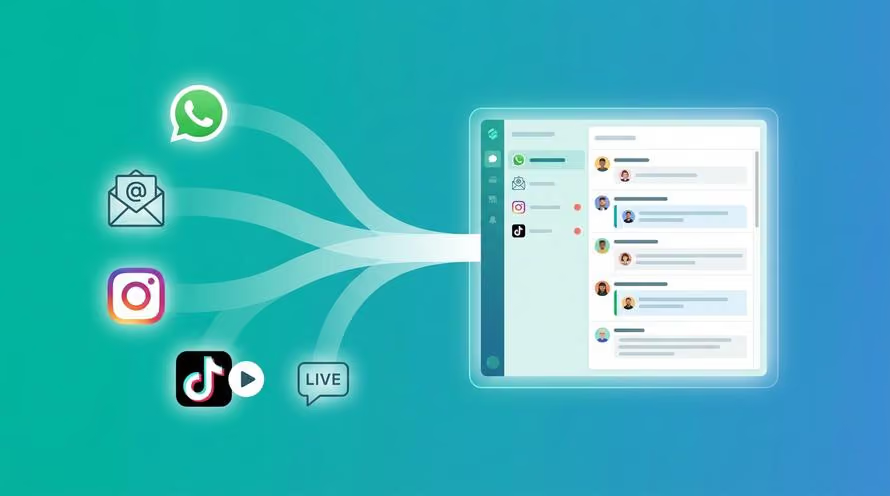
Whether your business is B2C, B2B, or a hybrid of both, managing customer communication effectively is the key to success. Trengo's platform is uniquely designed to handle the diverse needs of any e-commerce model by centralizing all interactions into one powerful, collaborative workspace.
- For B2C: Trengo unifies high-volume channels like WhatsApp, Instagram DMs, and Facebook Messenger into one shared inbox. This allows your support team to manage the rush of customer inquiries efficiently without switching between tabs. With Trengo's Omnichannel inbox, your team can respond faster, resolve issues quicker, and improve customer satisfaction.
- For B2B: Trengo helps your team manage long and complex sales cycles with ease. Multiple team members can collaborate on a single customer conversation, adding internal notes and sharing context on lengthy email threads or quote requests. This ensures that every stakeholder is informed and that communication with high-value clients is always consistent and professional. Streamline your sales pipeline and contact us to start turning leads into orders.
- For Both: The power of automation to enhance efficiency is crucial for any model. You can use Trengo to build intelligent workflows that route inquiries, tag conversations, and provide instant answers to common questions. Trengo's AI agent is built to handle both simple B2C queries and more complex B2B lead qualification steps, freeing up your human agents to focus on high-value interactions.
Frequently Asked Questions (FAQs)

The core difference is the customer: B2C sells directly to individual consumers for personal use, driven by emotion and immediate needs, while B2B sells to other businesses for professional use, driven by logic, value, and potential return on investment.
Amazon is a prime example of a hybrid model. Its main online marketplace is a massive B2C platform, but it also has powerful B2B divisions like Amazon Business, which serves corporate clients, and Amazon Web Services (AWS), which provides cloud computing services to companies worldwide.



Let's meet
Grow your business with loyalty. Bring all of your customer contact into one, single platform to unlock delight at every step of the way.