What is D2C? Direct-to-Consumer Meaning & Benefits

Try Trengo for Free

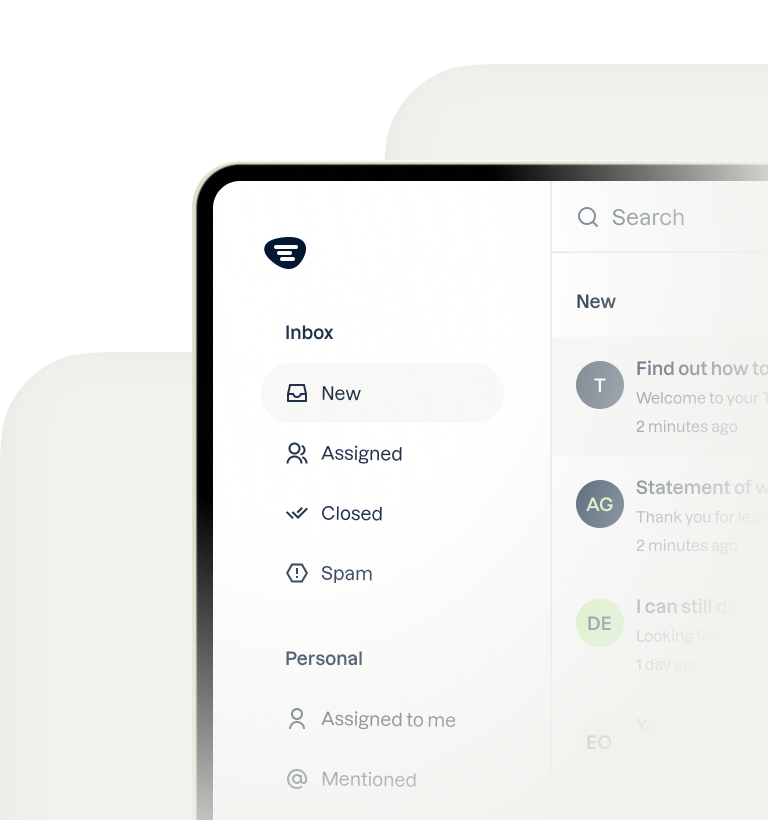
Trengo unites WhatsApp, email, web, social media, and calls in one inbox, saving your team hours of repetitive work and ensures no conversation is ever lost
D2C Meaning: From Full Form to First Principles
Summary
Understanding what is d2c is essential for modern businesses. The Direct-to-Consumer (D2C) model is a business strategy where companies manufacture, market, and sell their products directly to the end customer, bypassing traditional middlemen like retailers and wholesalers. This approach gives brands unprecedented control over their brand story, customer data, and profit margins, but also creates significant challenges in managing direct customer communication.
TL;DR
- D2C Definition: D2C stands for Direct-to-Consumer, a model where a brand sells its products directly from its own channels (like a website) to the final customer.
- Key Benefits: D2C brands enjoy higher profit margins, full control over the brand experience, direct access to customer data, and the ability to build strong customer relationships.
- Core Challenge: The greatest strength of D2C, direct customer access, is also its biggest operational challenge, leading to an explosion of communication across many channels.
- The Solution: D2C brands need a centralized platform like Trengo to manage all customer conversations from email, social media, and chat in one place to maintain an excellent customer experience.
- D2C vs B2C: D2C is a specific type of B2C (Business-to-Consumer). All D2C is B2C, but not all B2C is D2C (e.g., selling through a retailer like Amazon is B2C but not D2C).
Direct-to-Consumer, often abbreviated as D2C, is a business model where a company is responsible for the entire lifecycle of its product. This means they handle everything from manufacturing and marketing to selling and shipping directly to the end-user, without any intermediaries. Think of it as the difference between buying a product from a brand’s own website versus buying that same brand’s product from a large department store. In the first scenario, you are engaging in a D2C transaction. This direct line to the consumer is reshaping e-commerce and retail in 2026.
The 4 Key Benefits Driving the D2C Revolution
The explosive growth of the d2c business model is not a coincidence. It is fueled by four powerful advantages that traditional retail models simply cannot offer. These benefits empower brands to be more agile, profitable, and connected to their customers than ever before.
Higher Profit Margins by Cutting Out the Middleman
In a traditional retail setup, a significant portion of a product's final price is absorbed by distributors and retailers. Each middleman adds their own markup, reducing the manufacturer's profit. By selling directly, D2C brands eliminate these intermediary costs. This allows them to retain a much larger percentage of the revenue from each sale, which can be reinvested into product development, marketing, or passed on to the customer as savings.
Full Control Over the Brand Story and Customer Experience
When a product sits on a retailer's shelf, the brand loses control over how it is presented and sold. D2C brands, however, own every single customer touchpoint. From the design of their website and the tone of their marketing emails to the quality of the unboxing experience and the efficiency of post-purchase support, the brand has complete control. This ensures a consistent and compelling brand narrative from start to finish.
Direct Access to First-Party Customer Data
One of the most valuable assets for any business is customer data. In the traditional model, this data belongs to the retailer. D2C brands, by contrast, collect a wealth of first-party data directly. They learn who their customers are, what they buy, how often they shop, and what they think about the products. This direct feedback loop is invaluable for optimizing products, personalizing marketing efforts, and making smarter business decisions.
Building Strong, Direct Relationships with Customers
This is the heart of the D2C model. Without a retailer in the way, brands can have direct conversations with their customers. They can build a community through social media, offer personalized support via WhatsApp, and gather feedback through email. This direct communication fosters a sense of loyalty and connection that is difficult to achieve when customers are just anonymous faces in a third-party store.
Every conversation in one inbox
Bring email, WhatsApp, social, and voice together so your team replies faster — without switching tabs.
D2C vs. B2C vs. B2B: Clearing Up the Confusion
The acronyms in the business world can be confusing. While D2C, B2C, and B2B all describe how companies transact, they represent fundamentally different strategies. Understanding their distinctions is key to grasping the unique position of the direct-to-consumer model.
D2C vs B2C: What's the Real Difference?
This is a common point of confusion. The simplest way to think about it is that D2C is a subset of B2C (Business-to-Consumer). All D2C companies are B2C because they sell to individual consumers. However, not all B2C companies are D2C. For example, a CPG brand that sells its shampoo through a supermarket is a B2C company, but it is not D2C because the supermarket is a middleman. A brand that sells its shampoo exclusively from its own website is both B2C and D2C. The core difference lies in the sales channel. For a more detailed breakdown, you can read our comparison of d2c vs b2c.
D2C vs B2B: Selling to Consumers Instead of Companies
The distinction here is much clearer. The D2C model, as part of B2C, focuses on selling products to individual people for personal use. The B2B (Business-to-Business) model, on the other hand, involves selling products or services to other companies. Examples of B2B include selling office software, manufacturing equipment, or professional consulting services. The target audience, marketing strategies, and sales cycles for D2C and B2B are typically very different.

Thriving D2C Brand Examples Across Different Industries
The D2C model is not confined to one industry. Its principles of direct engagement and brand control have been successfully applied across a wide range of sectors, from everyday essentials to niche hobbies. These examples showcase the versatility of the d2c brand strategy.
The Pioneers: Warby Parker & Casper
It is impossible to discuss D2C without mentioning the brands that paved the way. Warby Parker disrupted the monopolized eyewear industry by offering stylish, affordable glasses directly online. Similarly, Casper revolutionized the mattress industry with its "bed-in-a-box" concept, simplifying a complex and expensive purchase process and delivering it right to the customer's door.
Modern Success Stories: Allbirds & Glossier
More recent examples show how D2C has evolved. Allbirds built a massive following by focusing on sustainable materials and a simple, comfortable shoe design, fostering a community around its eco-conscious values. Glossier transformed the beauty industry by leveraging social media and user-generated content, creating products based on what their community actually wanted, and building an incredibly loyal customer base.
Niche D2C: How LEGO, Music, and Vinyl Records Use the Model
The D2C model also thrives in niche markets. LEGO sells large, exclusive sets directly from its website, catering to its most dedicated adult fans. In the music industry, artists use platforms like Bandcamp to sell digital music, merchandise, and vinyl records directly to their listeners, cutting out record labels and distributors to retain more revenue and build a closer fan connection.
Juggling messages across five apps?
Trengo unifies every channel in one shared inbox.
The Biggest Challenge for D2C Brands: Managing Customer Conversations
The direct connection to customers is the D2C model's superpower, but it also creates its greatest operational hurdle. When you own the entire relationship, you also own every single question, comment, and complaint. This unfiltered access, while valuable, can quickly become overwhelming for a growing d2c ecommerce brand.
An Explosion of Communication Channels
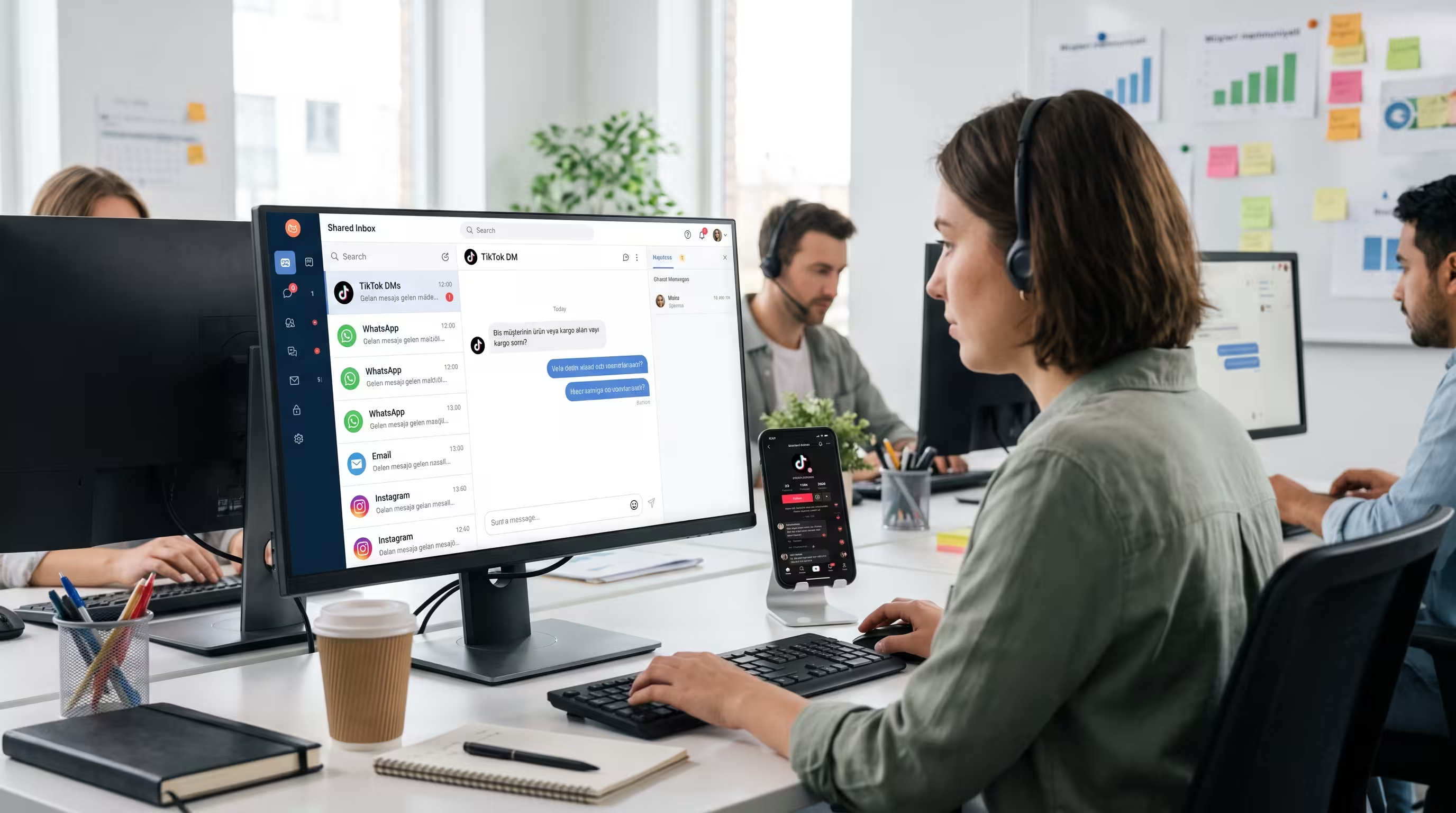
Today's customers expect to connect with brands on their preferred channels. This means a D2C support team is constantly juggling inquiries from multiple sources. A potential customer might ask a pre-sale question via an Instagram DM, an existing customer might check their order status using the website chat, another might send product feedback via email, and a fourth could be asking for help via WhatsApp. Without a unified system, messages get missed, response times lag, and the customer experience suffers.
The High Stakes of Slow or Inconsistent Support
In a D2C world, the brand and the customer experience are one and the same. There is no retailer to blame for a lost package or a poor in-store experience. A single slow, unhelpful, or inconsistent support interaction can permanently damage a customer's perception of the brand. In a competitive market, this can mean losing a customer forever to a competitor who provides a smoother, more responsive service.
How to Scale Your D2C Customer Support with Trengo
The solution to D2C communication chaos is not to limit customer channels but to manage them intelligently from a single command center. Trengo is designed to be that command center, empowering D2C brands to handle growth by streamlining communication, fostering team collaboration, and automating repetitive tasks.
Unify Every Customer Channel into One Shared Inbox
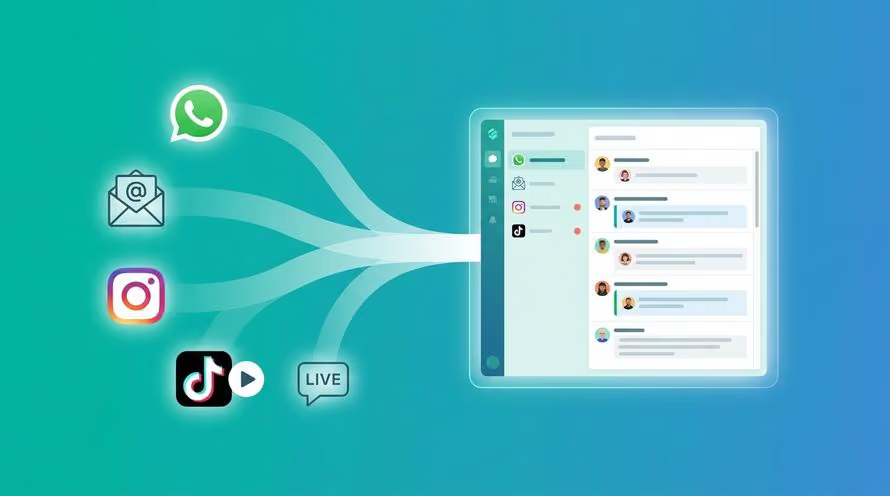
Instead of bouncing between a dozen different tabs and apps, D2C brands can use Trengo's Omnichannel inbox to manage all customer conversations in one place. Whether a message comes from email, WhatsApp Business, Instagram, Facebook Messenger, or live chat, it flows into a single, collaborative view. This ensures no message is ever missed and gives your team a complete picture of every customer interaction, regardless of the channel.
Collaborate with Your Team to Deliver Lightning-Fast Responses
Solving customer issues is often a team effort. Trengo eliminates clunky email forwarding chains with internal collaboration tools. Team members can leave private comments on conversations, tag colleagues (@-mentions) for help on specific issues, and assign tickets to the right person or department. This seamless teamwork ensures customers get the fastest and most accurate answers possible.
Automate Common Inquiries to Focus on High-Value Conversations
A significant portion of D2C support inquiries are repetitive questions like "Where is my order?" or "What's your return policy?". Trengo helps you automate these answers using tools like rules, quick replies, and intelligent chatbots. By instantly handling common questions 24/7, you free up your human agents to focus their expertise on more complex, high-value conversations that build customer loyalty and drive sales.
Ready to take control of your customer conversations? See how D2C brands use Trengo to build lasting relationships. Start your free 14-day trial today.
Frequently Asked Questions

No, Amazon is primarily a B2C marketplace and retailer, not a D2C company. While it does sell its own private-label products, its main business is acting as the "middleman" for millions of other brands. It facilitates sales rather than being the original brand selling directly to its own customers.
Yes, it can. While most D2C brands are e-commerce focused, the model also includes physical, brand-owned retail stores. For example, when a brand like Nike or Allbirds sells products from its own official store, it is an offline D2C transaction because they own and control the entire sales channel.
D2D stands for Door-to-Door, which is a specific and often in-person sales tactic. D2C (Direct-to-Consumer) is a much broader strategic business model that encompasses all aspects of manufacturing, marketing, and distributing products directly to consumers, primarily operating online through a brand's own website.
D2C marketing refers to all promotional activities a brand uses to attract, convert, and retain customers on its own platforms, without relying on a retailer. This includes digital strategies like social media advertising, content marketing, SEO for their own website, email marketing, and influencer partnerships to drive traffic directly to their own sales channels.


Let's meet
Grow your business with loyalty. Bring all of your customer contact into one, single platform to unlock delight at every step of the way.