Omnichannel vs multichannel: Key differences between omnichannel and multichannel

Try Trengo for Free

Trengo unites WhatsApp, email, web, social media, and calls in one inbox, saving your team hours of repetitive work and ensures no conversation is ever lost
Summary
Understanding the debate of omnichannel vs multichannel is essential for businesses in 2026 aiming to retain customers. While multichannel strategies maximize reach by adding various platforms, an omnichannel approach connects them to create a seamless, customer-centric journey. This guide explores the key differences, provides industry examples, and outlines how to implement a unified strategy using tools like a unified inbox.
TL;DR
- Multichannel refers to having a presence on many platforms (email, social, chat) that operate independently.
- Omnichannel focuses on integrating these platforms so customer data and context travel with the user.
- The main difference is the focus: Multichannel is channel-centric, while omnichannel is customer-centric.
- Implementing an omnichannel strategy prevents customers from having to repeat themselves to support agents.
- Tools like Trengo facilitate this transition by consolidating communication into a single interface.
What is multichannel marketing?
Multichannel marketing means reaching your customers through more than one channel (such as email, social media, live chat or SMS). Each channel works separately, giving customers multiple ways to interact with your brand.
This might include a combination of a website, a physical store, email newsletters, Facebook, and WhatsApp. The primary goal of a multichannel approach is to cast a wide net, offering customers various "doors" through which they can enter the business ecosystem.
However, in a strictly multichannel setup, these channels often exist in silos. The team managing the Facebook page might not have access to the email history, and the in-store staff may not know about a purchase made online.
How multichannel marketing works
Mechanically, a multichannel operation often relies on separate tools or distinct teams for each communication medium. A support agent might have one tab open for email, a smartphone for WhatsApp Business, and a separate dashboard for live chat. Success is often measured by the performance of the specific channel (e.g., "How many likes did we get?" or "What is the open rate on email?") rather than the holistic customer journey.
Pros and cons of a multichannel strategy
The primary advantage of a multichannel strategy is visibility. By being everywhere, you increase the likelihood of being seen by potential customers. However, the cons often outweigh the pros in the long run. The lack of integration leads to disjointed customer experiences. Agents waste time switching between tabs, and customers become frustrated when they receive conflicting information from different departments.
What is omnichannel marketing?
Omnichannel is defined by the seamless integration of all communication channels. It is not just about being present on multiple platforms; it is about connecting them so that the data and context flow freely between them. When a strategy is omnichannel, a customer can start a conversation on a chatbot, continue it via email, and finish it over the phone without losing context.
It’s not just about being everywhere. It’s about making every interaction feel like part of the same conversation, no matter where it happens.
This matters more than ever. 73% of customers say that customer experience is the number one factor when deciding whether to buy from a brand. And if the experience feels clunky or disconnected, it’s easy for them to move on.
That’s why more businesses are moving from multichannel to omnichannel. Because customer expectations have changed, so should the way you communicate.
The core concept of omnichannel marketing and support
The core concept here is purely customer-centric. The goal is to maximize the quality of the experience rather than just the volume of interactions. In an omnichannel setup, a unified backend ensures that customer history, preferences, and previous complaints are visible to any agent, regardless of the platform the customer chooses to use at that moment.
For businesses looking to modernize, this often starts with the ability to add WhatsApp and Instagram directly into a central platform, ensuring that even social conversations are tracked alongside traditional support tickets.
How does omnichannel marketing work?
Omnichannel marketing connects all your channels so they work together in sync.
Every message, ad, or conversation is part of a single strategy. So whether a customer chats with you on WhatsApp, sees an ad in their inbox, or visits your store, the experience feels connected and consistent.
Unlike multichannel marketing, omnichannel isn’t just about being everywhere. It’s about making all your marketing messages feel like they come from one brand and support customers on one journey. That includes behind-the-scenes work too. For example, syncing customer data, tracking performance, and automating follow-ups across every channel.
Done right, it helps your team stay in control and your customers feel understood on any channel they reach out on.
For teams
- It means fewer tabs, fewer tools, and more clarity. With everything connected, they can pick up any conversation with full context, making support faster, more personal, and less stressful.
For customers
- It means less friction. No repeated questions, no starting over. Just one smooth journey, even when they switch between platforms.
Omnichannel vs. multichannel: The main differences
When comparing omnichannel vs multichannel, the distinction often comes down to depth versus breadth. While both approaches involve multiple touchpoints, how those touchpoints interact with each other is what defines the strategy.
1. Focus: customer vs. product
- Multichannel marketing focuses on the channel itself. The objective is to maximize the engagement within that specific silo. Conversely, omnichannel focuses on the customer. The technology and strategy are built around the customer's movement, ensuring the brand adapts to them, rather than forcing the customer to adapt to the brand's internal structure.
2. Experience: disconnected vs. seamless
- In a multichannel setup, channels are isolated. That means a customer might contact you via Instagram, follow up over email, and get two completely different experiences, have to repeat themselves, or have the same response repeated to them.
- Omnichannel marketing solves this by syncing communication across all platforms. The customer doesn't have to explain the issue again. Context, history, and preferences follow them from one channel to the next, creating a seamless experience, free of frustration. It feels like one conversation, not five different ones.
3. Team workflow: juggling vs. collaborating
- Teams managing a multichannel setup often deal with separate inboxes or tools for each platform. This can be confusing, lead to repeated replies and even missed messages. This is especially true when volumes are high, such as in peak seasons or when teams are spread out.
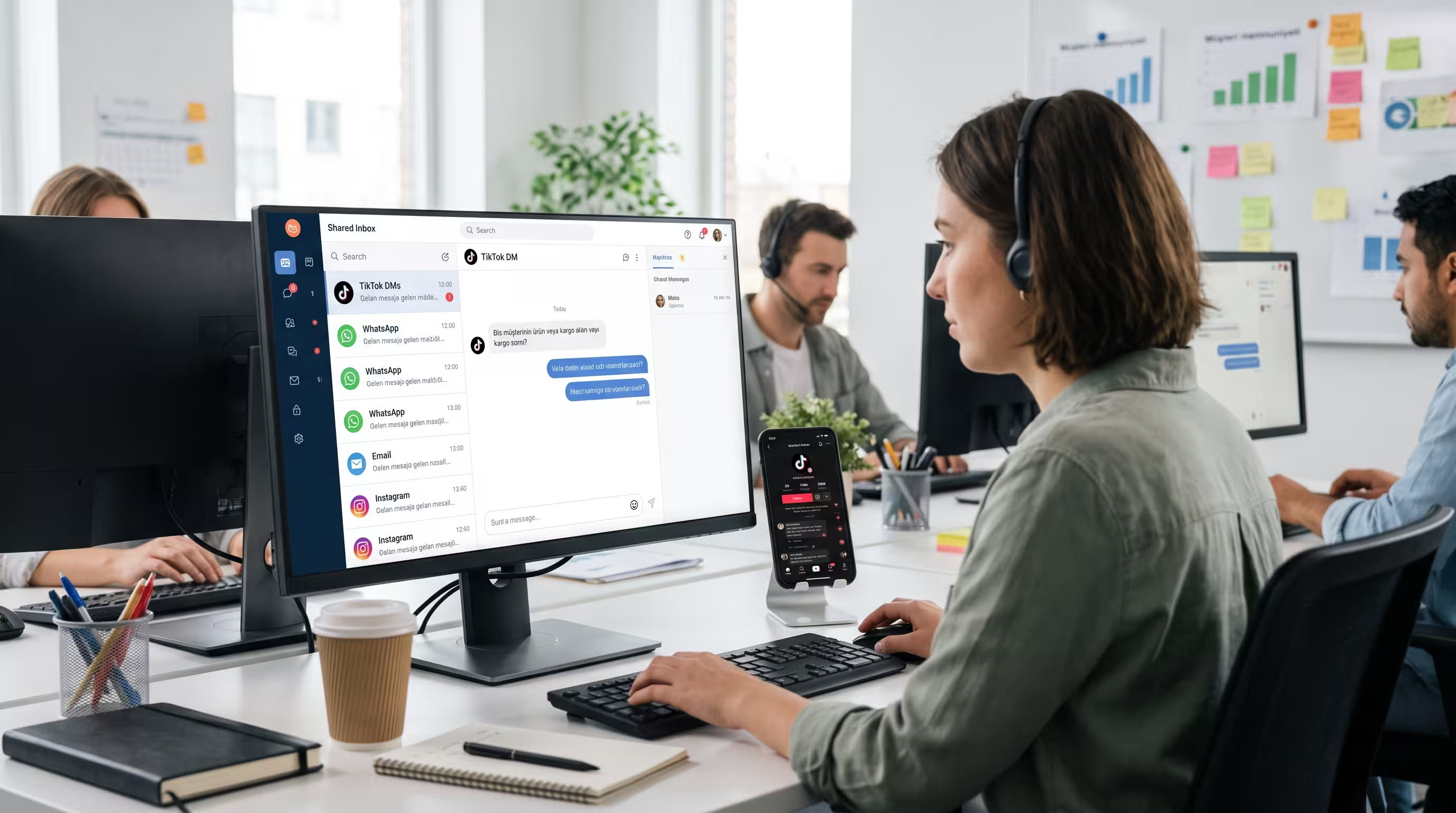
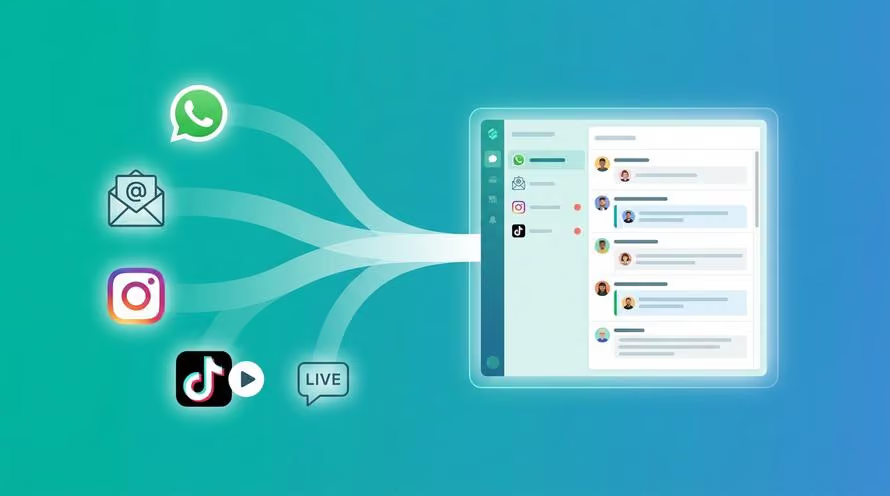
- Omnichannel centralises everything. Tools like Trengo bring all messages for channels such as WhatsApp, email, Instagram DMs, and live chat into one omnichannel inbox. Teams can leave internal notes, assign conversations, and see full customer histories. That means less context switching, better collaboration, and faster, more accurate support.
4. Data: siloed vs. shared
- In multichannel setups, customer data is scattered across different platforms. One tool knows what the customer clicked, another knows what they asked in a chat. Joining together all this information takes time and makes things more complicated and stressful for both teams and customers.
- Omnichannel tools consolidate your customer data. With Trengo, every team member can see previous interactions, preferred channels, and more, all in one customer profile. That shared insight allows for more personalised and relevant conversations. It also gives managers a clearer view of what’s working across the business.
5. Flexibility vs. consistency
- Multichannel gives teams the flexibility to customise messages for each platform. But without a unified approach, the brand voice and messaging can vary a lot from one channel to another. That inconsistency can make your business feel disconnected or unprofessional.
- Omnichannel prioritises a unified brand experience and a consistent tone of voice. It ensures that no matter where or how someone interacts with your business, the tone, visuals and message are familiar. This kind of consistency builds trust and shows your customers that you’re organised, attentive, and credible.
6. Business impact: reach vs. relationship
- Multichannel campaigns are great for reach. You can broadcast messages across platforms and reach a wide audience fast. But because the experience isn’t connected, it’s harder to build deeper customer relationships or earn long-term loyalty.
- Omnichannel is built for connection, not just coverage. When every channel is aligned, you build stronger relationships over time. Customers feel understood, supported, and they are more likely to return. That kind of loyalty leads to more repeat business, better reviews, and word-of-mouth growth.
Industry Examples: Omnichannel vs. Multichannel Meaning in Practice
To truly understand the omnichannel vs multichannel meaning, it helps to look at specific industry applications.
Retail and eCommerce
In a multichannel retail setup, a physical store and an online shop are two different businesses. You cannot return an online purchase in-store. An omnichannel retailer, however, offers "Buy Online, Pick Up In-Store" (BOPIS). They use live chat software for ecommerce that recognizes a customer who just visited the physical location, offering personalized assistance based on offline behavior.
Banking and Finance
Traditional banking was often multichannel: you had a branch manager and a separate telephone support line. Modern fintech is omnichannel. You can start a loan application on your mobile app, pause it, call support to ask a question, and the agent sees exactly where you stopped in the application process.
Healthcare and Pharma
In healthcare, the difference can be critical. A multichannel approach separates the pharmacy, the specialist, and the general practitioner. An omnichannel approach unifies patient data. When a patient engages with support regarding a prescription, the system recognizes their medical history from the clinic, allowing for safer and more personalized care.
Multichannel vs. omnichannel examples in real life
Understanding the difference between multichannel and omnichannel is one thing. Seeing it play out in real businesses is another. Below are several brands using each approach in different ways, and what you can learn from them.
Nike: putting personalisation into practice (Omnichannel)
Nike’s approach to minchannel shows just how powerful a connected experience can be when every touchpoint works together. Whether you're browsing on the app, visiting a retail store, or ordering online, the experience is consistent, and tailored to you.
Customers can use features like “Scan to Try” in-store to check product sizes and availability on their phones. Online orders can be returned in-store without any extra admin. And NikePlus members receive personalised rewards, product suggestions, and event invitations based on their behaviour across all channels.
Everything is linked together: all customer data, communication, and context. This is a great example of omnichannel thinking: one brand, one experience, wherever the customer shows up.
Apple: multichannel reach, but not always connected
Apple’s strategy is built for visibility and scale. Its stores, website, media platforms, and product ecosystem all offer strong experiences, but they function mostly on their own.
A customer might explore a product on the website, watch an Apple TV+ ad, and then visit a physical Apple Store. But those experiences aren’t tightly linked. There's no automatic handover of context or continuity in the interaction unless you stay within a single platform (like iCloud or iOS).
This multichannel model gives Apple flexibility and wide exposure. But for support-heavy industries, where every interaction counts, it’s not always efficient or personal enough.
Ferryscanner: creating smoother journeys with omnichannel
For Ferryscanner, customer service is about making every journey stress-free. Based in Greece, the platform helps travellers search and book ferry tickets across 25 countries, often securing discounts through partnerships with major ferry operators.
But what really sets Ferryscanner apart is its omnichannel customer service. Travellers can reach out on Facebook, WhatsApp, live chat, email, or even through Google Business messages. And no matter which channel they use, the team sees the full history of the interaction, so context never gets lost.
This consistency is powered by Trengo. With all conversations reaching one inbox, Ferryscanner’s support team can collaborate, share notes, and respond faster, especially during peak summer seasons when volumes skyrocket.
The results speak for themselves. Trustpilot reviews regularly highlight Ferryscanner’s helpful, responsive support, proving that a connected experience builds confidence and loyalty. As Customer Success Supervisor, Alvertos Iskinatzis puts it:
“It’s my job to make sure the team is fully equipped and trained to provide our customers with the best experience possible.”
By using omnichannel support through Trengo, Ferryscanner shows how travel and hospitality businesses can turn communication chaos into calm, even during the busiest times of year.
Fender: building loyalty across separate touchpoints (Multichannel)
Fender gives musicians many ways to engage, such as in-store visits, the Fender Play app, social media, and online resources. It's a broad strategy that reaches customers at multiple stages of their journey.
Through the app, players can access lessons, tutorials, and product updates. This helps the brand stay top-of-mind and useful between purchases. However, these channels don’t necessarily share customer data. Your in-app activity, for example, doesn’t influence your support experience in-store or online.
It’s a strong multichannel setup that drives reach and engagement. But without an integrated view of the customer, opportunities for more personalised service are missed.
L’Oréal: connecting campaigns with customer journeys (Omnichannel)
L’Oréal uses data and automation to connect the dots between campaigns and customer behaviours. Through Amazon Marketing Cloud, the brand tailors messaging across different touchpoints, making sure the right customer sees the right ad at the right time.
This omnichannel strategy helps them reach audiences across email, search, streaming, and ecommerce. More importantly, they track performance across the entire journey. If something’s not working, it gets adjusted in real time.
By combining personalisation, analytics, and smart channel syncing, L’Oréal delivers consistent messaging, and proves that omnichannel isn’t just for retailers. It’s about being relevant wherever your customer is.
Decathlon: syncing service and sales across channels (Omnichannel)
Decathlon, the global sporting goods retailer, offers a strong omnichannel experience that blends online convenience with in-store expertise. Customers can browse products online, check local store inventory, and reserve items for pickup, all within one platform.
In-store, staff have access to customer profiles and can help based on past purchases or preferences. If a product isn’t available on-site, team members can place online orders directly for the customer, ensuring no dead ends in the journey.
Returns, exchanges, and service requests also happen across channels without hassle. It’s a setup that keeps things smooth for both the shopper and the staff with one consistent system, no matter where the conversation starts.
When to use multichannel vs omnichannel marketing
Choosing between multichannel and omnichannel isn’t always straightforward. Both approaches can be valuable but in different situations. The right choice depends on your goals, resources, and the expectations of your customers.
When multichannel makes sense
Multichannel is a good fit when your main priority is reach. If your business is in a growth phase and you want to be visible across as many platforms as possible, multichannel allows you to do just that.
- Early-stage businesses often benefit from multichannel because it’s faster to set up. Each channel can run independently with its own campaigns.
- Product-led brands may find multichannel works well, since the focus is on promoting items through different touchpoints rather than building an integrated customer journey.
- Budget-conscious teams may also lean on multichannel in the short term. Connecting everything behind the scenes requires an investment in tools, data, and processes.
In short, multichannel is useful if you want flexibility, wide coverage, and don’t yet need full visibility across every interaction.
Why Omnichannel Customer Service is the Future
As we move through 2026, customer expectations have hit an all-time high. Clients expect businesses to remember them. This is why shifting to omnichannel customer service is no longer optional.
The Power of a Unified Inbox
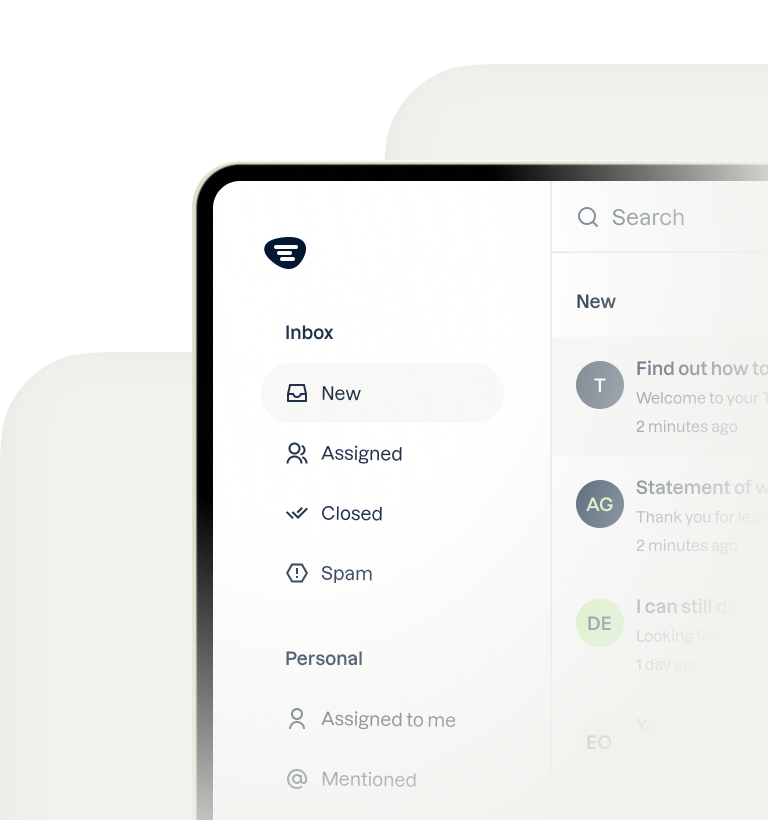
The most practical step toward omnichannel is adopting a shared inbox. Trengo allows teams to manage email, WhatsApp, social media DMs, and voice calls in one view. This removes the "multichannel headache" of tab-switching and ensures no message slips through the cracks.
Improving Team Collaboration and Automation
True omnichannel success requires internal alignment. Agents need to be able to tag colleagues in conversations without the customer seeing the internal chatter. Furthermore, automation plays a massive role. By deploying AI chatbot customer service, businesses can handle routine queries across all channels simultaneously 24/7. When a human agent is needed, the bot passes the full transcript to the team, maintaining that critical context.
For a real-world example of how this transformation impacts efficiency, you can read this team inbox case study, which demonstrates how unifying communication channels drastically reduces response times.
Conclusion
The debate around omnichannel vs multichannel is about how your business connects with customers.
Multichannel helps you reach people across different platforms. It’s flexible, easy to set up, and great for businesses focused on growth and visibility.
Omnichannel, on the other hand, connects those touchpoints into one seamless experience. It keeps context intact, builds trust, and gives customers the consistent service they expect.
Today, most customers don’t think in channels, they just want quick answers and smooth interactions. That’s why the shift towards omnichannel is accelerating. Businesses that fail to adapt risk delivering fragmented experiences that frustrate customers and slow down teams.
With Trengo, making the switch is simple. Our shared inbox brings WhatsApp, Instagram, Messenger, email, live chat, Telegram and more into one view. Flowbot and automation take care of repetitive work. Collaboration features stop teams from doubling up. And customer profiles keep the full history at your fingertips.
Frequently Asked Questions (FAQs)
Why is omnichannel considered better than multichannel?
Omnichannel delivers a seamless, integrated customer experience across all channels, whereas multichannel offers multiple channels but often in silos. Omnichannel ensures consistency and personalised journeys, improving satisfaction and loyalty.
What are examples of multichannel strategies?
Multichannel strategies include using separate channels like email, social media, and phone independently. For example, a business may run email campaigns, maintain social media pages, and operate call centres separately without synchronising customer data.
Is omnichannel only for large businesses?
No. While large businesses benefit from omnichannel scale, small and medium enterprises can also adopt omnichannel strategies. Platforms like Trengo make this accessible by consolidating multiple communication channels into one user-friendly system.
What tools can help businesses build an omnichannel strategy?
CRM platforms, marketing automation, and unified communication tools are essential. Trengo is a key example that integrates email, WhatsApp, Instagram, and more into a single inbox, making omnichannel management simple and effective. To learn more about choosing the right platforms and building a seamless customer experience, explore this guide on what an omnichannel marketing strategy is and how to find the best omnichannel marketing platform.
How do CRM platforms support omnichannel vs. multichannel strategies?
CRM platforms centralise customer data enabling omnichannel’s unified experience by linking interactions across channels. Trengo’s CRM integrations help connect conversations from different platforms, while multichannel CRMs often manage contacts separately without true integration.
Can automation tools improve both omnichannel and multichannel experiences?
Yes, automation enhances both approaches by speeding responses and personalising messages. Tools like Trengo leverage automation across all channels to maintain consistency in omnichannel settings, whereas multichannel automation tends to work within each channel independently.
How do analytics tools show the difference between omnichannel and multichannel performance?
Analytics in omnichannel provide a complete view of the customer journey across platforms. Trengo’s reporting features aggregate data from multiple channels, helping businesses understand cross-channel trends better than typical multichannel analytics, which focus on each channel in isolation.
Can Trengo combine WhatsApp, Instagram, and email into a single omnichannel customer journey?
Yes, Trengo unifies WhatsApp, Instagram, email, and other channels into one shared inbox, ensuring smooth customer journeys without switching between platforms, which is key to a true omnichannel experience.
How does Trengo help personalise customer experiences compared to generic multichannel tools?
By centralising all customer data and conversation history, Trengo allows personalised responses informed by past interactions. Generic multichannel tools typically treat channels separately, lacking this context.
What makes Trengo’s customer engagement platform ideal for businesses seeking an omnichannel strategy?
Trengo combines multiple messaging channels, AI-powered automation, routing, and CRM integration in one platform. This holistic approach simplifies workflows, improves response times, and enhances customer satisfaction.
How does Trengo’s automation ensure consistency across all customer touchpoints?
With Trengo, automation rules apply uniformly to all channels, sending consistent messages, guiding customer journeys, and escalating when needed. This keeps the brand voice and service quality steady across interactions.

Let's meet
Grow your business with loyalty. Bring all of your customer contact into one, single platform to unlock delight at every step of the way.