

B2C- vs. B2B-Marketing: Die wichtigsten Unterschiede und Strategien

Probier Trengo kostenlos aus

Trengo bringt WhatsApp, E-Mails, Web, Social Media und Anrufe in einem Posteingang zusammen, spart deinem Team stundenlange Routinearbeit und sorgt dafür, dass keine Unterhaltung verloren geht.
Trengo in Aktion sehen
- Umfassende Integrationen
- Einfache Konfiguration
- Skalierbare Preisstruktur
B2C- vs. B2B-Marketing: Die wichtigsten Unterschiede und Strategien
Zusammenfassung
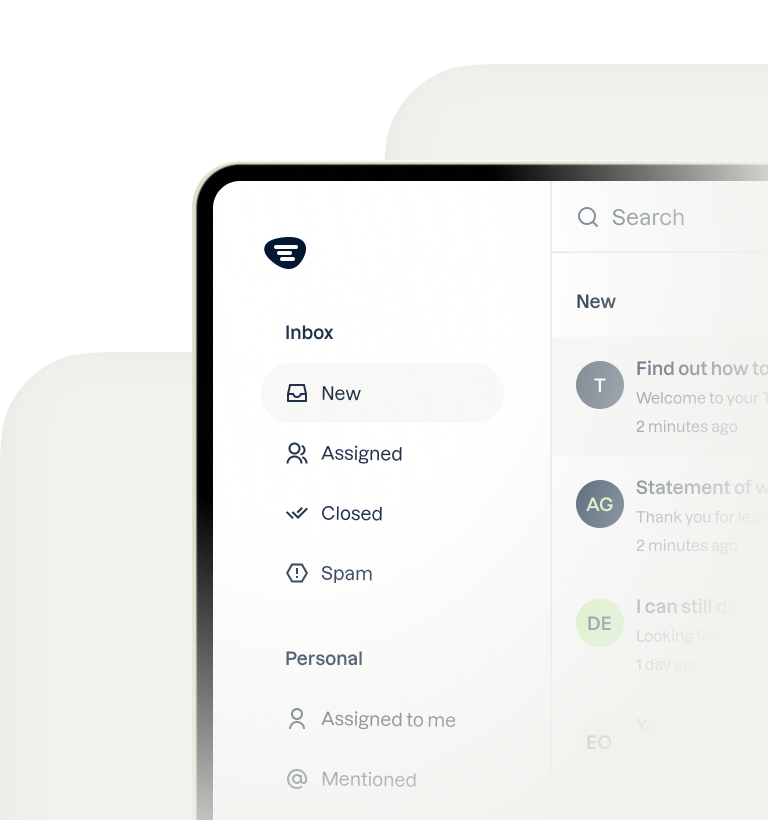
Die wesentlichen Unterschiede zwischen B2C und B2B zu verstehen, ist entscheidend für die Entwicklung effektiver Marketing-, Vertriebs- und Kommunikationsstrategien. Während sich das B2C-Marketing (Business-to-Consumer) auf emotionale, schnelle und individuelle Kaufentscheidungen konzentriert, zielt das B2B-Marketing (Business-to-Business) auf logische, langfristige und gruppenbasierte Kaufprozesse ab. Dieser Artikel erläutert diese Unterschiede, untersucht moderne Strategien für beide Bereiche und zeigt, wie eine einheitliche Kommunikationsplattform Kundeninteraktionen in jedem Geschäftsmodell effektiv verwalten kann.
TL;DR
- B2C-Marketing richtet sich an einzelne Verbraucher, setzt auf emotionale Ansprache und zeichnet sich durch einen kurzen Verkaufszyklus aus.
- Beim B2B-Marketing stehen Unternehmen im Mittelpunkt; dabei geht es um Logik, ROI und den Aufbau von Beziehungen über einen langen Verkaufszyklus hinweg.
- Die wichtigsten Unterschiede liegen in der Zielgruppe, dem Entscheidungsprozess, der Dauer des Verkaufszyklus und dem Kommunikationsstil.
- Moderne B2B-Käufer erwarten zunehmend ein B2C-ähnliches Kundenerlebnis mit schnellem, leicht erreichbarem Support.
- Hybridmodelle (B2B2C) sind weit verbreitet und erfordern flexible Kommunikationsmittel.
- Ein zentraler Posteingang wie der von Trengo hilft dabei, alle B2C- und B2B-Kundenkommunikationen effizient an einem Ort zu verwalten.
Was ist B2C-Marketing?
B2C-Marketing bezeichnet die Praxis, Produkte oder Dienstleistungen direkt an einzelne Verbraucher zu bewerben und zu verkaufen. Im Mittelpunkt dieses Modells steht eine persönliche Bindung, wobei der Endverbraucher im Fokus steht, der das Produkt selbst konsumieren wird. Es zeichnet sich durch eine große Zielgruppe, einen Fokus auf Markenbekanntheit und Strategien aus, die darauf abzielen, eine unmittelbare emotionale Reaktion auszulösen, die zu einem schnellen Kauf führt. Der Verkaufszyklus ist in der Regel kurz und reicht von wenigen Minuten bis zu einigen Tagen, wobei der einzelne Kunde der Hauptentscheidungsträger ist. Um mehr darüber zu erfahren, kannst du unseren Artikel über die Bedeutung von B2C-Marketing und B2C-Marketingstrategien lesen.
Beispiele für B2C-Marketingstrategien
B2C-Strategien sind darauf ausgelegt, auf breiter Ebene besonders auffällig, ansprechend und überzeugend zu sein und die Kunden dort anzusprechen, wo sie am aktivsten sind.
Personalisierte Kampagnen
Bei dieser Strategie werden Kundendaten wie Kaufhistorie und Surfverhalten genutzt, um hochrelevante Inhalte bereitzustellen. Beispiele hierfür sind ein Online-Shop, der einen personalisierten Rabatt für einen Artikel aus einem abgebrochenen Warenkorb verschickt, oder der Algorithmus von Netflix, der Serien basierend auf den Sehgewohnheiten empfiehlt. Durch die Personalisierung fühlt sich der Verbraucher verstanden und geschätzt, was die Kaufwahrscheinlichkeit erhöht.
Interaktion in sozialen Medien
B2C-Marken nutzen Plattformen wie Instagram, TikTok und Facebook, um lebendige Communities aufzubauen. Dazu veranstalten sie Gewinnspiele, teilen nutzergenerierte Inhalte und arbeiten mit Influencern zusammen. Das Ziel ist es, ein Zugehörigkeitsgefühl zu fördern und einen Lifestyle rund um die Marke zu schaffen, um so eine starke Strategie zur Kundenbindung zu entwickeln, die über den ersten Kauf hinaus Loyalität aufbaut.
Geschichtenerzählen und emotionale Bindung
Gutes B2C-Marketing verkauft oft eher ein Gefühl oder eine Idee als nur ein Produkt. Unternehmen wie Nike und Coca-Cola nutzen eindrucksvolles Brand Storytelling, um eine emotionale Verbindung zu ihrem Publikum aufzubauen. Dieser erzählerische Ansatz trägt dazu bei, eine einprägsame Markenidentität zu schaffen, die die Verbraucher auf einer persönlichen Ebene anspricht und so langfristige Loyalität und Fürsprache fördert.
Kundenbindungsprogramme
Treue- und Prämienprogramme sollen den Kundenlebenszeitwert steigern, indem sie zu Wiederholungskäufen anregen. Durch das Anbieten von Punkten, exklusivem Zugang oder Rabatten nur für Mitglieder geben Unternehmen ihren Kunden einen überzeugenden Grund, wiederzukommen. Diese Programme steigern nicht nur den Umsatz, sondern machen aus zufriedenen Kunden begeisterte Markenbotschafter, die positive Mundpropaganda verbreiten.
Was ist B2B-Marketing?
B2B-Marketing ist der Prozess des Verkaufs von Produkten, Dienstleistungen oder Informationen an andere Unternehmen oder Organisationen. Im krassen Gegensatz zum B2C-Marketing setzt das B2B-Marketing auf Logik, Effizienz und Kapitalrendite (ROI). Die Zielgruppe ist kleiner und spezialisierter und besteht aus Entscheidungsträgern innerhalb eines Unternehmens. Das primäre Ziel ist nicht ein sofortiger Verkauf, sondern die Generierung qualifizierter Leads, deren Betreuung über einen langen Verkaufszyklus hinweg und der Aufbau dauerhafter, vertrauensvoller Beziehungen. Ausführlichere Informationen findest du in unserem Artikel, in dem erklärt wird, was B2B-E-Commerce ist und welche B2B-Marketingstrategien es gibt.
Beispiele für B2B-Marketingstrategien
B2B-Strategien zielen darauf ab, Glaubwürdigkeit aufzubauen, einen konkreten Mehrwert aufzuzeigen und die Zielgruppe zu informieren, um sie bei ihren Kaufentscheidungen zu unterstützen.
Content-Marketing und Vordenkerrolle
B2B-Unternehmen etablieren sich als Branchenexperten, indem sie fundierte, wertvolle Inhalte erstellen. Dazu gehören Whitepaper, umfassende Fallstudien, Branchenberichte und informative Webinare. Indem sie Lösungen für die Probleme ihrer Zielgruppe anbieten, bauen sie Vertrauen auf und sorgen dafür, dass ihre Marke bei Kaufentscheidungen im Vordergrund steht.
Account-Based Marketing (ABM)
ABM ist eine sehr fokussierte Strategie, bei der Marketing- und Vertriebsteams zusammenarbeiten, um bestimmte, besonders wertvolle Unternehmen anzusprechen. Anstatt breit zu fischen, behandeln sie jeden Zielkunden als einen Markt für sich und entwickeln hochgradig personalisierte Kampagnen, Inhalte und Kontaktansätze, die genau auf die Herausforderungen und Ziele des jeweiligen Unternehmens zugeschnitten sind.
LinkedIn und berufliches Networking
Plattformen wie LinkedIn sind das A und O des B2B-Marketings. Sie dienen weit mehr als nur der Werbung; sie sind unverzichtbar, um direkt mit wichtigen Entscheidungsträgern in Kontakt zu treten, wertvolle Branchenkenntnisse auszutauschen, an relevanten Diskussionen teilzunehmen und berufliche Beziehungen aufzubauen, die die Grundlage für langfristige Geschäftspartnerschaften bilden.
B2C vs. B2B: Was ist der Unterschied?
Zwar geht es sowohl bei B2C als auch bei B2B darum, etwas zu verkaufen, doch der grundlegende Unterschied liegt darin, *an wen* verkauft wird und *wie* dieser Kunde seine Entscheidung trifft. B2C spricht die Wünsche und Emotionen des Einzelnen an, um einen schnellen Kauf mit geringem Risiko zu erzielen. B2B spricht die Bedürfnisse und die Logik eines Unternehmens an, um eine wohlüberlegte, hochwertige und langfristige Investition zu erreichen. Dieser zentrale Unterschied prägt jeden Aspekt des Vertriebs-, Marketing- und Kommunikationsprozesses.
Wie treffen B2B-Kunden heutzutage ihre Kaufentscheidungen?
Im Jahr 2026 verhält sich der B2B-Käufer mehr denn je wie ein B2C-Verbraucher. Er recherchiert ausführlich und eigenständig im Internet, liest Bewertungen, vergleicht Anbieter und konsultiert Netzwerke von Fachkollegen, bevor er überhaupt einen Vertriebsmitarbeiter kontaktiert. Er erwartet sofortigen Zugang zu Informationen und Selbstbedienungsoptionen. Dieser Wandel bedeutet, dass B2B-Unternehmen über eine starke digitale Präsenz mit klaren, hilfreichen Inhalten und leicht zugänglichen Supportkanälen verfügen müssen, um die Käufer dort abzuholen, wo sie sich gerade auf ihrer Customer Journey befinden.
Bewährte Methoden für ein besseres B2B-Kundenerlebnis
Führende B2B-Unternehmen übernehmen mittlerweile B2C-Prinzipien, um moderne Käufer für sich zu gewinnen. Das bedeutet, ein nahtloses Omnichannel-Erlebnis zu bieten, bei dem Kunden über ihren bevorzugten Kanal interagieren können. Dazu gehört auch, schnellen und reaktionsschnellen Support über Tools wie Live-Chat und WhatsApp anzubieten. Die Personalisierung der Kommunikation und das Vorausahnen von Kundenbedürfnissen sind längst nicht mehr nur B2C-Taktiken; sie sind unerlässlich, um das Vertrauen aufzubauen und den Mehrwert zu demonstrieren, der für den Erfolg in der B2B-Landschaft erforderlich ist.
Wann sollte man B2B- und B2C-Marketingansätze miteinander verbinden?
Die Grenzen zwischen B2B und B2C verschwimmen zunehmend. Viele Unternehmen arbeiten nach einem Hybridmodell, weshalb ein flexibler Ansatz in Marketing und Kommunikation unerlässlich ist. Ein gängiges Beispiel ist das B2B2C-Modell (Business-to-Business-to-Consumer), bei dem ein Unternehmen an ein anderes Unternehmen verkauft, das wiederum an den Endverbraucher verkauft – so wie ein Lebensmittelhersteller, der an einen Lebensmittelladen verkauft. Zudem expandieren viele Direct-to-Consumer-Marken (D2C) in den B2B-Bereich, indem sie Großhandelsoptionen anbieten. Giganten wie Apple und Amazon sind perfekte Beispiele dafür; sie haben ikonische B2C-Marken, betreiben aber auch riesige B2B-Sparten, die Unternehmen und andere Geschäftskunden bedienen. Diese Szenarien erfordern Kommunikationswerkzeuge, die sowohl einfache, zahlreich auftretende Kundenanfragen als auch komplexe Geschäftsverhandlungen mit mehreren Beteiligten bewältigen können.
Wie Trengo deine E-Commerce-Marketingmaßnahmen unterstützt
Ganz gleich, ob dein Unternehmen im B2C-, B2B-Bereich oder in einer Mischung aus beidem tätig ist: Eine effektive Verwaltung der Kundenkommunikation ist der Schlüssel zum Erfolg. Die Plattform von Trengo ist speziell darauf ausgelegt, den vielfältigen Anforderungen jedes E-Commerce-Modells gerecht zu werden, indem sie alle Interaktionen in einem leistungsstarken, kollaborativen Arbeitsbereich bündelt.
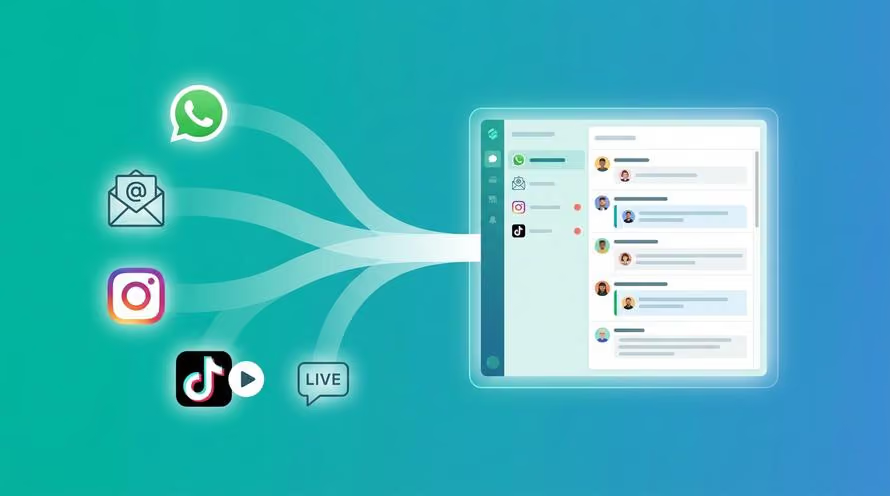
- Für B2C: Trengo vereint stark frequentierte Kanäle wie WhatsApp, Instagram-DMs und Facebook Messenger in einem gemeinsamen Posteingang. So kann dein Support-Team die Flut an Kundenanfragen effizient bewältigen, ohne zwischen verschiedenen Tabs hin- und herwechseln zu müssen. Mit dem Omnichannel-Posteingang von Trengo kann dein Team schneller reagieren, Probleme zügiger lösen und die Kundenzufriedenheit steigern.
- Für B2B: Trengo hilft deinem Team dabei, lange und komplexe Verkaufsprozesse mühelos zu bewältigen. Mehrere Teammitglieder können gemeinsam an einem einzigen Kundengespräch arbeiten, interne Notizen hinzufügen und Informationen zu langen E-Mail-Verläufen oder Angebotsanfragen austauschen. So wird sichergestellt, dass alle Beteiligten auf dem Laufenden sind und die Kommunikation mit wichtigen Kunden stets einheitlich und professionell verläuft. Optimiere deine Vertriebspipeline und kontaktiere uns, um Leads in Aufträge umzuwandeln.
- Für beide: Die Fähigkeit der Automatisierung, die Effizienz zu steigern, ist für jedes Modell entscheidend. Mit Trengo kannst du intelligente Workflows erstellen, die Anfragen weiterleiten, Konversationen kennzeichnen und sofortige Antworten auf häufig gestellte Fragen liefern. Der KI-Agent von Trengo ist darauf ausgelegt, sowohl einfache B2C-Anfragen als auch komplexere Schritte der B2B-Lead-Qualifizierung zu bearbeiten, sodass deine menschlichen Mitarbeiter sich auf hochwertige Interaktionen konzentrieren können.
Häufig gestellte Fragen (FAQs)

Der wesentliche Unterschied liegt im Kunden: Beim B2C-Geschäft wird direkt an einzelne Verbraucher für den privaten Gebrauch verkauft, wobei Emotionen und unmittelbare Bedürfnisse im Vordergrund stehen, während beim B2B-Geschäft an andere Unternehmen für den geschäftlichen Gebrauch verkauft wird, wobei Logik, Nutzen und potenzielle Rentabilität im Vordergrund stehen.
Amazon ist ein Paradebeispiel für ein Hybridmodell. Sein Haupt-Online-Marktplatz ist eine riesige B2C-Plattform, aber das Unternehmen verfügt auch über starke B2B-Sparten wie Amazon Business, das Firmenkunden bedient, und Amazon Web Services (AWS), das Unternehmen weltweit Cloud-Computing-Dienste anbietet.



Interessiert an einem Gespräch?
Lassen Sie Ihr Geschäft durch Kundentreue wachsen. Vereinen Sie alle Ihre Kontakte auf einer einzigen Plattform, um bei jedem Schritt Begeisterung zu erzeugen.


© 2026 Trengo
Europäisches Unternehmen