WhatsApp Business: What It Is & How to Set It Up


Try Trengo for Free

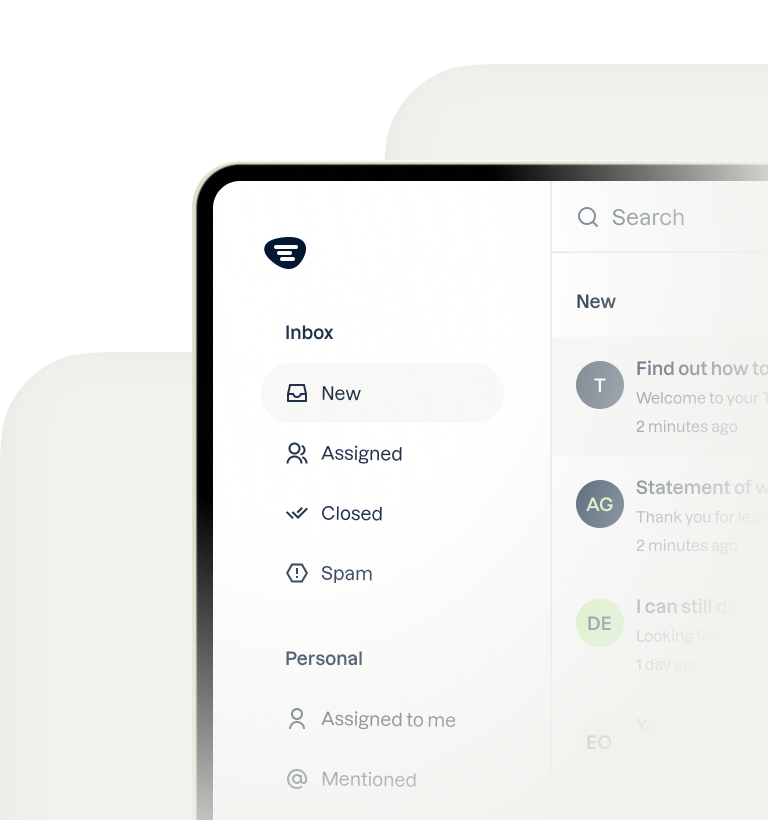
Trengo unites WhatsApp, email, web, social media, and calls in one inbox, saving your team hours of repetitive work and ensures no conversation is ever lost
Summary
Learning about whatsapp business is essential for modern companies in 2026 looking to improve customer communication and increase sales. This overview covers everything from basic platform features to advanced team setups using professional shared inboxes. You will understand the core differences between the available platform versions and learn exactly how to select the right tool for your specific operational needs.
TL;DR
- The standard mobile application is built specifically for single users and small companies.
- Professional teams require an application programming interface to manage messages together.
- Connecting your account to a shared inbox allows for seamless team collaboration.
- Automation tools help businesses answer customer questions around the clock.
- Official platforms ensure secure and compliant messaging at scale.
What is WhatsApp Business?
WhatsApp business is a dedicated version of WhatsApp built for companies that want a simple and reliable way to communicate with customers. It comes as a free mobile app for Android and iOS and is designed to help small and medium-sized teams organise conversations, set expectations, and respond faster.
Where it fits in your workflow
If you’re managing product questions, delivery updates, or everyday support requests, WhatsApp business can act as a direct line between your team and your customers. And when combined with a platform like Trengo, you can route messages to the right team member, automate repetitive tasks, and keep all conversations in one shared inbox.
In short, WhatsApp business gives companies an accessible way to build stronger, more responsive customer communication.
WhatsApp business app vs WhatsApp business api
The main difference between WhatsApp and WhatsApp Business is that standard WhatsApp is built for personal conversations, while WhatsApp Business is designed for companies that want to communicate with customers more professionally. It includes business-specific features like a company profile, product catalogs, automated messages, and chat labels to help teams stay organized and responsive. To learn more, read our guide on the difference between WhatsApp and WhatsApp Business.
Why are there two versions?
As WhatsApp became part of everyday communication, many teams started using it informally for customer support and quick updates. To make this easier and more structured, WhatsApp introduced dedicated business tools. The app is designed for small teams that need simple, on-the-go communication. The WhatsApp business api, on the other hand, supports companies that manage high message volumes and need advanced automation.
WhatsApp business app: simple and mobile-friendly
The WhatsApp business app is built for small and medium-sized teams that want to manage conversations directly from their phone or desktop. It is free to use and lets you:
- Respond to customers in a familiar interface
- Set up quick replies and labels
- Manage basic customer information
- Log in from up to five devices (with one smartphone as the primary device)
However, it comes with limitations. You can’t control team access, you don’t have shared inbox features, and the app isn’t built for large volumes of customer conversations. As a result, many growing teams quickly outgrow the app when communication becomes more complex.
WhatsApp business api: built for scaling teams
The WhatsApp business api is designed for companies that receive many customer messages and need more control, automation, and collaboration. It does not come as a standalone app. Instead, it connects to a customer engagement platform like Trengo.
With the api, you can:
- Give your entire team access to one shared inbox
- Automate conversation routing
- Send notifications at scale
- Integrate WhatsApp into your CRM or ecommerce tools
- Manage high-volume support with better oversight
This makes the api the preferred option for growing ecommerce brands, service providers, and any business that needs structured, multi-agent support.
Why your business should use WhatsApp?
Adopting this popular messaging channel transforms how organizations interact with their audience globally. Customers expect quick replies on the platforms they already use daily for personal chats. Meeting them there builds immediate trust and significantly improves response times compared to traditional email.
Deliver Real Time Conversational Customer Support
Providing real time support allows companies to solve problems instantly. Two way conversations feel highly personal and create strong relationships with buyers. Customers appreciate resolving their issues without waiting on hold or dealing with long email threads.
Increase Sales with Conversational Commerce
Direct messaging is a powerful tool to shorten the sales cycle and boost revenue. Sales representatives can answer product questions and share catalog items directly in the chat window. This immediate interaction removes buying friction and encourages faster purchasing decisions. To explore practical strategies, read more about how to generate leads on WhatsApp.
In short, WhatsApp business gives both small and large companies a simple and effective way to stay connected with customers and deliver support that feels fast and human.
Here’s the top 6 WhatsApp business features
1. Create a business profile
WhatsApp business lets you set up a professional profile that customers can trust. You can add your business name, description, contact details, website, and location. This helps customers find the information they need quickly and builds credibility from the first interaction.
2. Set business hours
You can set your operating hours directly in the app. This helps customers understand the best time to reach you and gives your team clearer boundaries. It also sets the right expectations for response times, especially during busy periods.
3. Use automated responses
Automated messages make it easier to stay responsive, even when you’re not available. You can set:
- greeting messages to welcome new customers
- away messages to let them know when you’re offline
- quick replies to speed up responses to common questions
These tools help maintain a consistent experience and reduce repetitive typing for your team.
4. Showcase your catalog
The catalog feature allows you to display products or services directly inside WhatsApp. Customers can browse photos, read descriptions, and check prices without needing to visit another website. It’s a simple way to guide customers through their options and reduce back-and-forth messaging.
5. Organise conversations with labels
Labels help you sort chats into meaningful groups, making it easier to follow up and keep track of customer progress. Common examples include:
- new customer
- returning customer
- awaiting payment
- awaiting delivery
This keeps your inbox organised and ensures no conversation slips through the cracks.
6. View messaging statistics
WhatsApp business gives you basic analytics to understand how your messages perform. You can see how many were sent, delivered, and read. These insights help you assess customer engagement and improve your communication over time.
How can WhatsApp business enhance your customer service?
Customer service plays a major role in how customers perceive your brand. WhatsApp business offers several features that help teams communicate faster, personalise conversations, and resolve issues with less effort.
1. Instant communication
WhatsApp business makes real-time conversations easy. Customers can message you the moment they have a question, and your team can respond instantly. This immediacy builds confidence and helps customers feel supported at every step.
2. Personalised customer experience
You can tailor your messages based on each customer’s preferences, past conversations, or purchase history. Addressing people by name and understanding their context makes every interaction feel more human and personal.
3. Easy access to information
With the catalog feature, customers can browse products, view prices, and explore details directly inside WhatsApp. They get answers faster, and your team spends less time repeating the same information.
4. Efficient problem resolution
Quick replies and automated messages help you respond faster, even during busy hours or outside your working schedule. This consistency reduces waiting times and improves your overall support experience.
How to set up WhatsApp Business?
Getting started requires following a few distinct steps depending on which version you select. The basic application process is straightforward and takes only minutes. Professional interface connections require a specialized platform provider to complete the configuration securely.
Setting Up the Free Application
The initial setup for the free version is very simple. You just need a dedicated phone number to begin.
- Download the application from your mobile store.
- Verify your business phone number via text message.
- Fill out your company profile details completely.
- Upload your product catalog items with images.
- Set up your automated welcome messages for new chats.
Connecting the Professional Interface
Activating the professional interface requires partnering with an official solution provider. These providers supply the necessary software to connect the interface to your team inbox. Once connected, your business must complete a verification process to ensure compliance with official messaging policies. For a step-by-step guide, see how to set up a WhatsApp Business account in 5 steps.
How to use WhatsApp Business for sales and marketing
WhatsApp Business isn’t only a support channel. It’s also a valuable tool for driving sales, sharing updates, and keeping customers engaged.
- Product promotions: Send personalised messages about new arrivals, limited-time offers, or seasonal deals. Because WhatsApp is a direct channel, customers are more likely to see and respond to these updates.
- Customer engagement: Share helpful content such as short tips, tutorials, or relevant insights. These small touches keep your brand top of mind and encourage ongoing engagement.
- Customer feedback: Use quick surveys or simple question prompts to gather feedback. It’s an easy way to understand what your customers appreciate and where you can improve.
- Order updates: Automated notifications help customers stay informed about their order status. Sending confirmation, shipping, and delivery updates makes the buying process feel transparent and reliable.
- Abandoned cart reminders: Send a gentle reminder to customers who left items in their cart. A short, friendly message can often bring them back and turn a missed opportunity into a completed sale. You can also explore additional WhatsApp marketing strategies
Automating customer interactions with WhatsApp business and Trengo
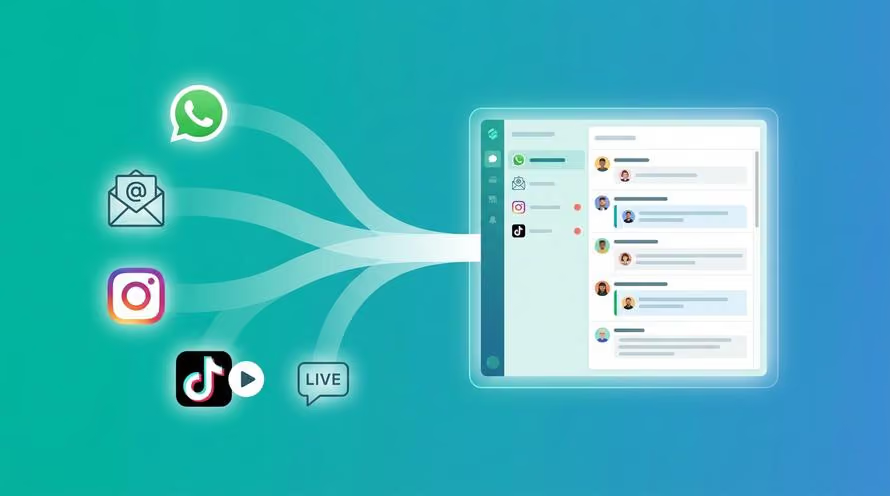
Automation becomes far more powerful when you connect WhatsApp business with Trengo. Instead of managing conversations manually across different tools, Trengo centralises everything in one shared inbox and gives your team the workflows, automation, and AI tools needed to respond faster and more consistently.
1. Chatbots
Trengo’s chatbot helps you handle high message volumes without overwhelming your team. It can answer FAQs, collect customer details, guide users through simple steps, and hand over complex conversations to a human agent when needed. This ensures customers receive instant support at any time of the day.
2. Automated responses
Inside Trengo, you can set automated greetings, away messages, and quick replies that work seamlessly with WhatsApp business. These messages help customers get essential information right away, such as business hours, delivery updates, or processing times, without waiting for manual replies.
3. Workflow automation
Trengo’s automation flows let you build smart workflows that trigger actions based on customer behaviour. For example, you can:
- Send follow-up messages to customers who didn’t respond
- Route conversations to the right team automatically
- Assign messages based on agent availability or workload
- Tag high-priority conversations for faster attention
These workflows help teams stay organised and reduce repetitive manual tasks.
4. CRM integration
Trengo integrates with popular CRM systems and centralises WhatsApp conversations alongside other channels. Every message and customer detail is stored in one place, helping your team understand the full context of each interaction. This makes it easier to personalise support, track history, and maintain consistent communication.
Frequently Asked Questions(FAQs)
Is the platform free for businesses?
The basic mobile application is completely free to download and use. The professional interface involves costs based on conversation volumes and the software provider you choose to partner with.
What are the main disadvantages of the free app?
The primary drawback is the lack of team collaboration features and restricted device access. It also lacks advanced automation capabilities and detailed analytics reporting needed by larger companies.
How does the web version work on a computer?
The web application acts as a direct mirror to your mobile device. You must keep your primary phone connected to the internet for the web version to sync incoming messages properly.
Can I send bulk messages to my customers on Whatsapp?
The free application limits broadcasts to contacts who have specifically saved your number. The professional interface allows approved template messages to be sent to larger audiences for targeted notifications. If you want to learn more on How to send a WhatsApp Business bulk message, we kindly recommend you to read our article.



Let's meet
Grow your business with loyalty. Bring all of your customer contact into one, single platform to unlock delight at every step of the way.