Email Drip Campaigns: 2026 Guide, Steps & 7 Examples

Try Trengo for Free

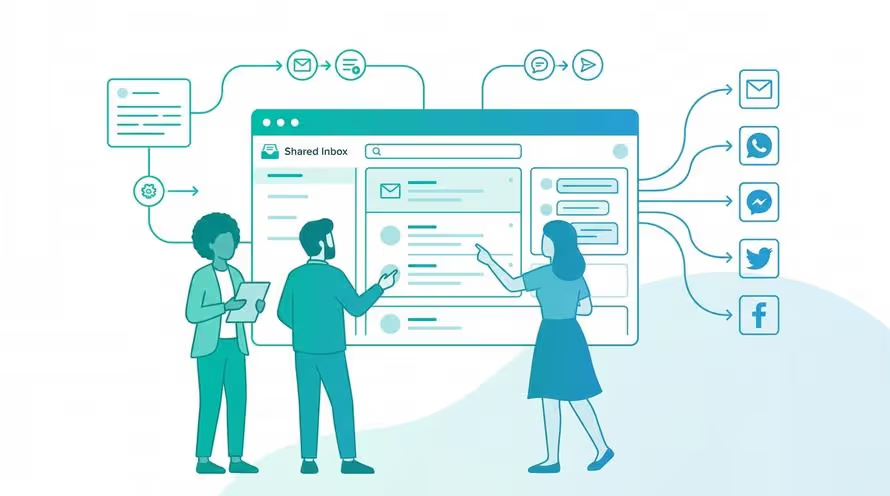
Trengo unites WhatsApp, email, web, social media, and calls in one inbox, saving your team hours of repetitive work and ensures no conversation is ever lost
Email Drip Campaigns: Automated Nurturing for Modern Businesses in 2026
Summary
An email drip campaign is a cornerstone of modern digital strategy, enabling businesses to send automated, pre-written sequences of emails to nurture leads and engage customers at scale. This article explores what email drip campaigns are, provides powerful examples for various business goals, and outlines a five-step process for creating your own. We also cover best practices for 2026, emphasizing the shift from email-only sequences to a multichannel communication strategy powered by platforms like Trengo for superior customer engagement.
TL;DR
- An email drip campaign is a series of automated emails sent to users based on specific triggers or timelines.
- Key examples include welcome series, lead nurturing, customer onboarding, and abandoned cart recovery campaigns.
- Creating a successful campaign involves defining your goal, choosing a trigger, writing compelling copy, setting up automation, and optimizing results.
- In 2026, best practices have evolved beyond basic personalization to include deep segmentation and multichannel integration with channels like WhatsApp and SMS.
- Modern businesses need more than just an email tool; a multichannel platform like Trengo manages the entire automated conversation across all channels from a single shared inbox.
What is an Email Drip Campaign?
An email drip campaign is a form of marketing automation where a pre-written set of messages is automatically sent to prospects or customers over a specific period. Imagine a dripping faucet—each email is a single "drip" delivered methodically to nurture a contact. Also known as automated email campaigns, lifecycle emails, or autoresponders, these sequences are triggered by a user's specific actions or a change in their status. This automated approach is fundamentally different from a one-off email newsletter, which is sent to an entire list at once. Drip campaigns are personal, timely, and relevant, designed to guide a user through a specific journey, from prospect to loyal customer.
How Email Drip Campaigns Work: Triggers, Timelines, and Automation
The magic of an email drip campaign lies in its automated logic, which operates based on two core components: triggers and timelines. This system allows you to deliver the right message to the right person at precisely the right moment without any manual intervention. Think of it as a simple flowchart where a user's action sets a pre-planned communication sequence in motion.
- Triggers: A trigger is the specific action or event that starts the drip campaign for an individual contact. It’s the entry point to your automated sequence. Common triggers include a user subscribing to your newsletter, downloading an ebook, abandoning a shopping cart, making their first purchase, or even a period of inactivity.
- Timelines: Once a trigger starts the campaign, the timeline dictates the schedule for sending each email. This is a pre-determined delay between each "drip." For example, the first email might be sent immediately after the trigger, the second two days later, the third five days after that, and so on. This pacing ensures you nurture contacts without overwhelming them.
7 Powerful Email Drip Campaign Examples for Every Business Goal
The true power of email automation is its versatility. You can design a drip campaign for nearly any part of the customer lifecycle. Here are seven effective email drip campaign examples that your business can adapt and implement today.
1. The Welcome Series: Making a Strong First Impression
Goal: To greet new subscribers, introduce your brand, set expectations, and build an immediate connection. This is often a user's first direct interaction with your brand, making it a critical touchpoint.
- Common Trigger: A user subscribes to your newsletter or creates an account.
- Sample Sequence:
- Email 1 (Immediate): Welcome and thank you. Deliver the promised lead magnet (if any) and briefly restate your brand's core value proposition.
- Email 2 (Day 2): Introduce your most popular content, products, or features. Guide them toward the value they can get right away.
- Email 3 (Day 4): Share social proof like a customer testimonial or case study to build trust and credibility.
2. The Lead Nurturing Campaign: Turning Prospects into Customers
Goal: To educate potential customers about their pain points and strategically position your product or service as the ideal solution, moving them closer to a purchase decision.
- Common Trigger: A user downloads a top-of-funnel resource like a whitepaper or attends a webinar.
- Sample Sequence:
- Email 1 (Immediate): Deliver the resource and introduce a related problem that your audience faces.
- Email 2 (Day 3): Share a case study or success story showing how a similar customer solved that problem using your solution.
- Email 3 (Day 6): Offer a low-commitment next step, like a free consultation, a product demo, or a trial offer.
3. The Customer Onboarding Sequence: Driving Product Adoption
Goal: To guide new customers through the initial setup and key features of your product or service, ensuring they experience its value quickly and reducing the risk of churn.
- Common Trigger: A customer signs up for a trial or makes their first purchase.
- Sample Sequence:
- Email 1 (Immediate): A warm welcome with a clear call-to-action to complete the first critical step (e.g., "Log in and create your first project").
- Email 2 (Day 2): A "pro tip" email highlighting a valuable but less obvious feature.
- Email 3 (Day 5): A check-in email to offer support, link to help documentation, and gather early feedback.
4. The Abandoned Cart Reminder: Recovering Lost Sales
Goal: To remind potential e-commerce customers about the items they left in their shopping cart and nudge them to complete their purchase.
- Common Trigger: A logged-in user adds items to their cart but does not complete the checkout process.
- Sample Sequence:
- Email 1 (1 hour later): A simple, helpful reminder: "Did you forget something?" Include images of the cart items.
- Email 2 (24 hours later): Address common concerns like shipping or returns, and add social proof or product reviews.
- Email 3 (48 hours later): Create urgency with a limited-time offer, such as a small discount or free shipping, to incentivize completion.
5. The Re-engagement Campaign: Winning Back Inactive Users
Goal: To re-activate dormant subscribers or customers who have not opened your emails, logged into your app, or made a purchase in a while.
- Common Trigger: A contact has not engaged (e.g., opened an email) in the last 90 days.
- Sample Sequence:
- Email 1 (Day 90): A simple "We miss you" email with a compelling subject line. Remind them of the value you provide.
- Email 2 (Day 93): A special offer, exclusive content, or a survey asking for feedback on why they've been inactive.
- Email 3 (Day 97): A final "last chance" email to confirm if they wish to remain on the list, helping you clean your database.
6. The Post-Purchase Follow-up: Creating Loyal Fans
Goal: To enhance the customer experience after a purchase, request reviews, offer support, and create opportunities for cross-selling or upselling.
- Common Trigger: A customer completes an order.
- Sample Sequence:
- Email 1 (Immediate): Order confirmation and thank you. Provide shipping information and links to support channels.
- Email 2 (7 days after delivery): A check-in to ensure they are happy with their purchase and a request for a product review.
- Email 3 (21 days later): Suggest related products or accessories that complement their original purchase.
7. The Real Estate Drip Campaign: Nurturing Long-Term Leads
Goal: To stay top-of-mind with potential home buyers or sellers over a long and often unpredictable sales cycle, providing value until they are ready to transact.
- Common Trigger: A lead submits a form on a real estate website or requests information about a property.
- Sample Sequence:
- Email 1 (Immediate): Acknowledge their interest and provide the requested information.
- Email 2 (1 week later): Share a helpful resource, like a guide to the local housing market or a mortgage calculator.
- Email 3 (Monthly): An ongoing drip of new listings, neighborhood spotlights, or market trend reports.
How to Create a High-Converting Email Drip Campaign in 5 Steps
Building an effective automated email sequence is a structured process. By following these five steps, you can create a campaign that nurtures leads, engages customers, and drives tangible results for your business.
Step 1: Define Your Goal and Audience
Before writing a single word, you must determine the "why" behind your campaign. What specific action do you want the user to take by the end of the sequence? Do you want them to book a demo, purchase a product, or upgrade their plan? Your goal will define the entire campaign. Simultaneously, create a clear picture of your audience. Who are you speaking to? Understanding their pain points, motivations, and needs will allow you to craft messages that truly resonate.
Step 2: Choose Your Trigger and Map Your Timeline
Select the entry point for your campaign. The trigger should align perfectly with your goal. For an onboarding campaign, the trigger is a new customer signup. For a lead nurturing campaign, it might be an ebook download. Next, map out the sequence. Decide on the number of emails and the time delay between each one. A good rule of thumb is to start with 3-5 emails spaced a few days apart, but this can vary widely based on your goal and sales cycle.
Step 3: Write Compelling Email Copy That Converts
This is where you bring your campaign to life. Focus on clear, conversational, and value-driven copy. Each email should have a single purpose and a clear call to action (CTA). Pay close attention to your subject lines; they must be engaging enough to earn an open. Use powerful words that evoke emotion and urgency. For example, a welcome email template could look like this:
- Subject: Welcome to [Your Brand]! Here’s your [Lead Magnet].
- Body: Hi [First_Name], thanks for joining us! We're excited to have you. As promised, here is your [Link to Lead Magnet]. In the next few days, we'll share some tips to help you [Achieve a Specific Outcome].
- CTA: Access Your Resource Now
Step 4: Set Up Your Automation and Go Live
Now it’s time for the technical setup in your email marketing or automation software. Build out the sequence based on the trigger and timeline you defined. This is where you can move beyond basic email sends. For example, using a platform with advanced automation capabilities, you can build more sophisticated rules. With Trengo's AI automations, if a user clicks a link to your pricing page in a drip email, a rule can automatically add a "Hot Lead" tag and notify a sales rep in the shared inbox to follow up personally.
Step 5: Measure, Analyze, and Optimize for Better Results
An email drip campaign is not a "set it and forget it" tool. Once it's live, you must monitor its performance to ensure it's achieving your goals. Track key metrics like open rate, click-through rate (CTR), conversion rate, and unsubscribe rate. Use this data to identify areas for improvement. A/B test different elements like subject lines, CTAs, or even the timing of your emails to continuously optimize the campaign for better results over time.
Email Drip Campaign Best Practices for 2026
The world of marketing automation is constantly evolving. What worked a few years ago is now table stakes. To stay ahead in 2026, you need to adopt more sophisticated strategies that deliver a truly personalized and seamless customer experience.
Personalize Beyond the [First_Name] Tag
Basic personalization is no longer enough. Modern customers expect you to understand their unique needs and behaviors. Use dynamic content to tailor your emails based on data like pages they've visited on your website, products they've viewed, or past purchase history. This level of relevance makes your communication feel less like a mass broadcast and more like a one-to-one conversation.
Segment Your Audience for Maximum Impact
The one-size-fits-all drip campaign is dead. Sending the same sequence to every contact is inefficient and can lead to high unsubscribe rates. Segment your audience into smaller, more specific groups based on demographics, behavior, or their stage in the customer journey. Create different drip tracks for each segment to deliver hyper-relevant messages that resonate more deeply and drive better conversion rates.
Go Multichannel: Integrate Email with WhatsApp and SMS
In 2026, relying solely on crowded email inboxes is a risky strategy. The most effective communication happens on the customer's preferred channel. An advanced customer support automation strategy integrates email drips with other channels like WhatsApp and SMS. For instance, a user signs up and gets a welcome email. If they don't open it within 24 hours, an automation rule in a platform like Trengo can trigger a friendly follow-up via WhatsApp, which boasts open rates of over 90%. This multichannel approach ensures your message is seen and creates a more resilient and effective nurturing flow.
Focus on a Single, Clear Call-to-Action
Each email in your drip sequence should have one primary goal. Don't confuse the reader by asking them to "Read Our Blog," "Follow Us on Social Media," and "Book a Demo" all in the same message. This creates decision paralysis. Instead, focus each email on a single, clear CTA that logically moves the user to the next step in their journey. Make it obvious what you want them to do next.
Choosing the Right Drip Campaign Software: It’s More Than Just Email
Selecting the right tool is critical to executing your strategy. The choice depends on whether your focus is purely on email or on managing the entire customer conversation that your campaigns generate.
When to Choose a Traditional Email Marketing Tool
Tools like Mailchimp or ConvertKit are excellent for individuals or small teams whose primary focus is on sending email newsletters and building simple, linear drip campaigns. They offer user-friendly interfaces for designing emails and setting up basic automations. These are a great starting point if your sole objective is to automate email sends and you don't have a team collaborating on customer responses.
When to Choose a Multichannel Communication Platform like Trengo
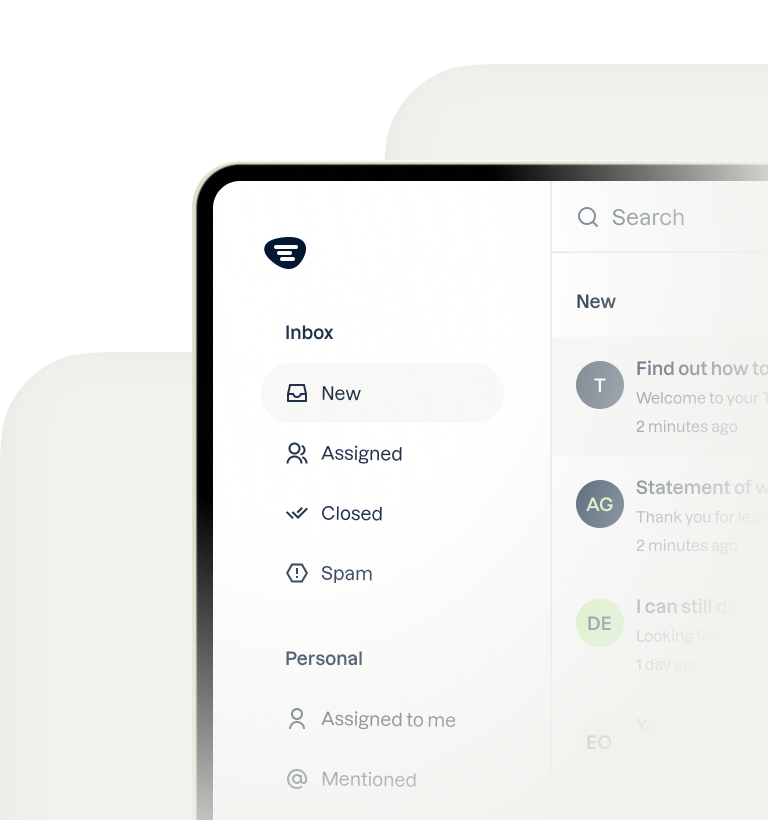
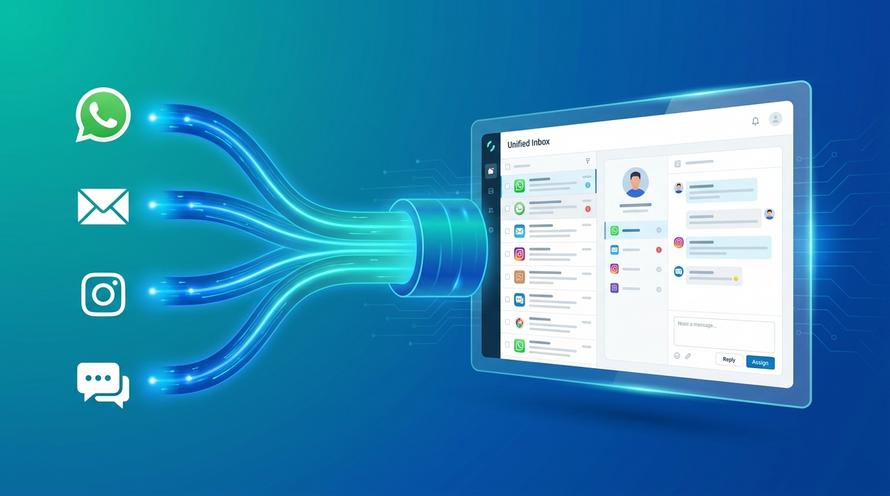
For modern, collaborative teams, an email drip campaign is just the beginning of a conversation. When a customer replies to one of your automated emails with a question, where does that reply go? In traditional tools, it lands in a siloed inbox. A multichannel communication platform like Trengo is the superior choice for businesses that want to manage the entire customer journey. When a customer replies, the conversation appears in Trengo's Omnichannel inbox, where the entire team can see the context and collaborate on the best response. This breaks down silos and ensures fast, consistent support. With Trengo, you can build powerful automation rules that span email, WhatsApp, live chat, and more, creating a truly unified and automated communication strategy from a single platform.
Frequently Asked Questions

A drip email campaign is a series of pre-written, automated emails sent to specific contacts based on a set timeline or user-triggered actions. It's designed to nurture leads, onboard new customers, or re-engage inactive users with relevant content over time without manual effort.
There is no single correct number, as it depends entirely on the campaign's goal and complexity. A simple welcome series might have 3-5 emails, while a long-term lead nurturing campaign for a high-value product could have 10 or more emails spread out over several months.
To write an effective drip campaign, start by defining a clear goal and understanding your audience. Then, choose a trigger to start the sequence, map out the number and timing of emails, and write compelling, value-focused copy with a clear call-to-action in each message.
A classic example is a welcome drip campaign. When a new user subscribes to your newsletter, they immediately receive a welcome email. Two days later, they get an email highlighting your most popular content. Four days after that, they receive an email with a customer testimonial to build trust.

Let's meet
Grow your business with loyalty. Bring all of your customer contact into one, single platform to unlock delight at every step of the way.