What Is Email Marketing Automation? 2026 Guide & Examples

Try Trengo for Free

Trengo unites WhatsApp, email, web, social media, and calls in one inbox, saving your team hours of repetitive work and ensures no conversation is ever lost
What Is Email Marketing Automation?
Summary
This article provides a practical overview of email marketing automation, explaining how it works and why it is a crucial component of a modern customer communication strategy in 2026. We explore the core benefits of email marketing automation, from saving time to personalizing customer experiences at scale. You will discover actionable examples of automation workflows for e-commerce, small businesses, and lead generation, and learn how to choose the right platform by looking beyond email to a unified, omnichannel solution.
TL;DR
- Email marketing automation is a system that sends targeted, personalized emails to users based on predefined triggers and actions, not just generic blasts.
- It works through workflows or sequences that follow "if this, then that" logic, triggered by customer behavior like a purchase or website visit.
- Key benefits include significant time savings, enhanced personalization, improved lead nurturing, and a better overall customer experience.
- Common examples include welcome series for new subscribers, abandoned cart reminders, and post-purchase follow-ups.
- In 2026, the best approach is to integrate email automation into a unified platform that manages all customer communication channels (like email, WhatsApp, and live chat) in one place.
- AI is transforming email automation with features like predictive sending times, AI-generated subject lines, and deeper content personalization.
Email marketing automation is a powerful strategy that uses software to send personalized, timely, and relevant emails to your audience based on specific triggers or schedules. It moves beyond the one-size-fits-all approach of traditional email blasts. Instead of manually sending the same message to everyone, automation allows you to create sophisticated workflows that deliver the right message to the right person at exactly the right time, triggered by their actions, data, or milestones. This technology is the backbone of modern marketing, enabling businesses to build relationships, nurture leads, and drive revenue efficiently.
How Does Email Marketing Automation Work?
At its core, how does email marketing automation work? It operates on a simple but powerful principle of "if this, then that." You define a trigger (the "if this"), which is a specific condition or user action, and then set a corresponding action (the "then that"), which is the email or series of emails to be sent. These rules are built into sequences known as workflows. For example: If a user subscribes to the newsletter, then send them the "Welcome Series" workflow. These workflows are often designed in a visual editor, where you can map out each step of the customer journey. Platforms like Trengo simplify this process with a No-code AI journey builder, allowing teams to create complex, multi-step automations without writing a single line of code.
The Benefits of Email Automation
Implementing a robust email automation strategy offers significant advantages that go far beyond just sending emails. It transforms how you engage with customers, freeing up valuable resources and creating more meaningful interactions. The benefits of email marketing automation are felt across marketing, sales, and support departments, leading to a more cohesive and efficient organization.
Save Time and Boost Team Efficiency
Automation handles the repetitive, time-consuming tasks associated with email marketing. From sending welcome messages to following up on purchases, these processes can run 24/7 without manual intervention. This frees your team to focus on strategic initiatives like campaign planning, creative development, and customer analysis. When this automation is part of a shared team inbox, the entire organization gains visibility into automated communications, ensuring sales and support are always on the same page as marketing.
Deliver Personalization at Scale
Today's consumers expect personalized experiences. Email automation makes this possible on a massive scale. By leveraging customer data—such as name, location, purchase history, and website browsing behavior—you can automatically tailor email content to be hyper-relevant to each individual. This could mean recommending products based on past purchases or sending a special birthday offer. This level of personalization builds a stronger connection with your audience and significantly boosts engagement and conversion rates.
Improve Lead Nurturing and Conversions
Not every lead is ready to buy immediately. Email automation is the perfect tool for nurturing potential customers through the sales funnel. By creating automated drip campaigns, you can deliver a steady stream of valuable content, case studies, and product information over time. This process builds trust and keeps your brand top-of-mind, gently guiding leads toward a purchase decision when they are ready. Each email in the sequence is designed to address their needs at a specific stage of their journey, dramatically increasing the likelihood of conversion.
Enhance the Customer Experience and Build Loyalty
Your relationship with a customer doesn't end at the checkout. Email automation is crucial for creating a smooth post-purchase experience. Automated order confirmations, shipping updates, and delivery notifications provide reassurance and reduce customer anxiety. Following up with a request for a review or offering tips on how to use their new product shows you care beyond the sale. This proactive communication is a key part of automated customer service and is instrumental in building long-term customer loyalty and encouraging repeat business.

Examples of Email Automation Flows
Understanding the theory is one thing; seeing it in action is another. An email automation workflow is a series of emails sent automatically based on a specific trigger. Here are four essential flows that almost any business can implement to drive results.
The Welcome Series
A welcome series is your first opportunity to make a great impression on a new subscriber or customer. Instead of a single email, a 3-part series can build a relationship. The trigger is a new subscription. The flow could look like this:
- Email 1: Sent immediately. A warm welcome, confirmation of subscription, and a brief introduction to your brand's mission.
- Email 2: Sent 2 days later. Showcase your most popular products, blog posts, or resources to provide immediate value.
- Email 3: Sent 4 days later. Build trust with social proof, like customer testimonials, reviews, or a case study.
The Abandoned Cart Reminder
For any e-commerce business, this is a must-have automation. The trigger is when a user adds an item to their cart but leaves the website without completing the purchase. A timely reminder can recover a significant portion of this lost revenue. A typical workflow for The Abandoned Cart Reminder includes:
- Email 1: Sent 1-2 hours after abandonment. A simple, helpful reminder: "Did you forget something?" with an image of the item.
- Email 2: Sent 24 hours later. Focus on the product's benefits or include customer reviews to address potential hesitation.
- Email 3: Sent 48-72 hours later. Create urgency by offering a small discount or free shipping to incentivize the purchase.
The Post-Purchase Follow-up
This flow is crucial for building customer loyalty and gathering valuable feedback. The trigger is a completed purchase. The goal is to provide a seamless experience and encourage future engagement. The sequence involves:
- Email 1: Instantaneous order confirmation. Reassure the customer that their order was successful and provide a summary.
- Email 2: Shipping notification. Let them know their item is on the way, including a tracking link.
- Email 3: Delivery confirmation. Confirm the package has arrived.
- Email 4: Sent 7-10 days later. Ask for a product review to gather user-generated content and social proof.
The Re-engagement Campaign
Over time, some subscribers may become inactive. A re-engagement or "win-back" campaign is designed to bring them back into the fold. The trigger is a lack of engagement (no opens or clicks) for a set period, like 90 days. The flow could be:
- Email 1: A simple "We miss you" email with an engaging subject line to grab their attention.
- Email 2: A special offer, like an exclusive discount or a free gift, to entice them to make a purchase.
- Email 3: A final attempt asking for feedback via a survey or giving them the option to update their email preferences.
Growing Your Business with Email Automation
Email automation is not just for large corporations; it is a scalable strategy that provides immense value for businesses of all sizes and types. Whether you are running an online store, a local small business, or focusing on B2B lead generation, automation can be tailored to meet your specific goals and help you grow more efficiently.
Email Automation for Ecommerce
For online stores, email automation is a direct line to revenue. Beyond the essential abandoned cart and post-purchase flows, email automation for ecommerce can power highly targeted campaigns. This includes back-in-stock alerts that automatically notify customers when a desired product is available again, browse abandonment emails that follow up on specific products a user viewed but did not add to their cart, and personalized product recommendations based on a customer's purchase history. These targeted messages are incredibly effective at driving repeat purchases and increasing customer lifetime value.
Email Automation for Small Businesses
For small businesses, automation is a force multiplier. It allows a small team to communicate with the professionalism and efficiency of a much larger organization. It ensures that no lead is forgotten and every customer feels valued. Small businesses can use automation to handle routine inquiries, follow up on quotes, send appointment reminders, and nurture new contacts acquired at events or through their website. It is a cost-effective way to maintain consistent communication, build a loyal customer base, and drive growth without a large marketing department.
Email Automation for Lead Generation
In a B2B or service-based context, the sales cycle is often longer, making lead nurturing critical. Email automation for lead generation excels here. When a potential customer downloads a lead magnet like an ebook or registers for a webinar, an automated workflow can deliver that content instantly and then follow up with a series of educational emails. This sequence can share related resources, case studies, and testimonials, gradually building trust and positioning your company as an authority until the lead is qualified and ready to be passed to the sales team.
The Rise of AI in Email Automation
In 2026, Artificial Intelligence is no longer a futuristic concept but a standard feature in advanced marketing platforms. AI is fundamentally changing the landscape of email automation, making it smarter, more predictive, and more personalized than ever before. It analyzes vast amounts of data to optimize every aspect of your campaigns. For instance, AI algorithms can determine the perfect send time for each individual subscriber based on their past engagement patterns, maximizing open rates. AI also powers dynamic content personalization, automatically populating emails with product recommendations or blog posts that are most relevant to each user.
Furthermore, the creative process is being enhanced by AI. Marketers are now using AI to generate high-converting subject lines, A/B test email copy, and even summarize long conversations for support agents. The synergy between AI and automation is a key trend in ai marketing automation. Businesses that leverage ai tools for marketing automation can achieve a level of efficiency and effectiveness that was previously impossible, allowing them to create truly one-to-one communication at scale.
Choosing the Right Email Automation Platform for Your Team
Selecting the right software is a critical decision that will impact your team's efficiency and your campaign's success. With so many email marketing automation tools available, it's important to look beyond basic features and consider how the platform will integrate into your overall customer communication strategy.
Key Features to Look For in 2026
When evaluating platforms, there are several non-negotiable features for a modern strategy. A visual workflow builder is essential for creating and managing automation sequences easily. Robust segmentation options allow you to divide your audience based on behavior, demographics, and purchase history for precise targeting. Look for detailed analytics and reporting to measure performance and optimize your campaigns. Finally, ensure the platform offers A/B testing capabilities to test different subject lines, content, and send times, along with strong integration options to connect with your e-commerce platform, CRM, and other business tools.
Beyond Email: The Power of a Unified Customer Engagement Platform
In 2026, the biggest mistake is viewing email in a vacuum. Customers interact with your brand across numerous channels—email, live chat, WhatsApp, and social media—and they expect a consistent experience everywhere. Standalone email automation tools create data silos, where the marketing team's email data is disconnected from the support team's chat conversations. This leads to a fragmented customer view and disjointed communication.
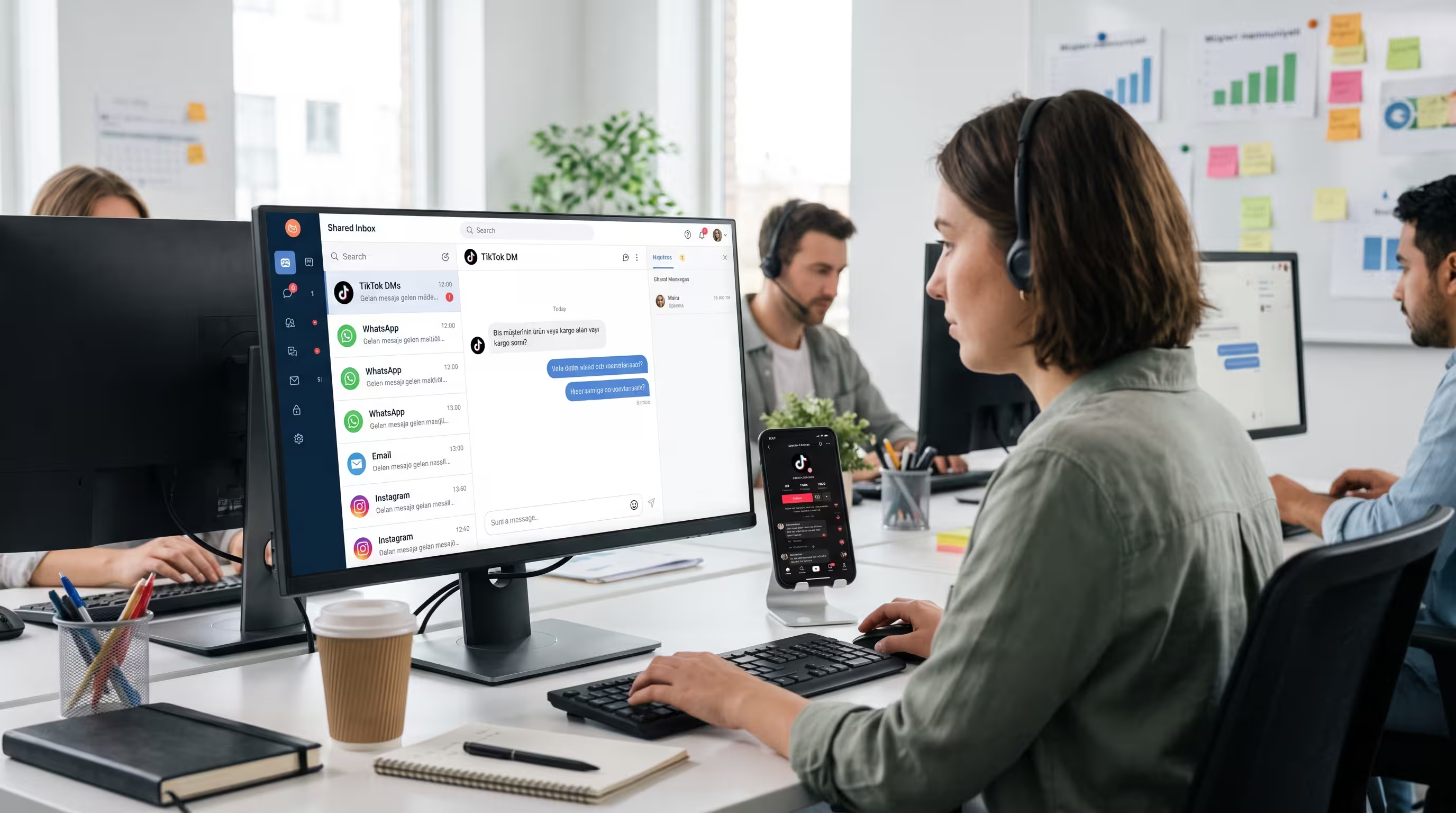
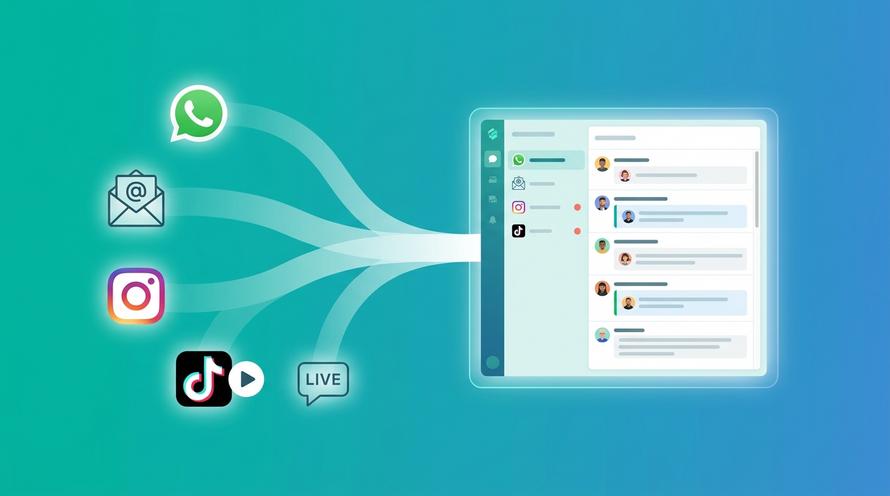
The solution is a unified platform like Trengo's Omnichannel inbox. By managing all communication channels in one shared inbox, you break down these silos. Email automation becomes part of a holistic strategy. Imagine a customer abandons their cart and receives an automated email. They reply to that email with a question, but decide to ask it via WhatsApp instead. With a unified platform, that conversation remains in a single, continuous thread, visible to the entire team. This allows for truly channel-agnostic automation and support, where you can even integrate AI chatbots alongside your email flows to provide instant support and create a seamless customer journey across every touchpoint.
Frequently Asked Questions

You can learn email marketing automation by starting with online courses from platforms like HubSpot Academy or Mailchimp, reading industry blogs, and experimenting with a free or entry-level plan on an automation tool. The best way to learn is by doing, so start by building simple workflows like a welcome series or an abandoned cart reminder for a practical, hands-on education.
The main types include drip campaigns (a pre-set series of emails), behavioral automations (triggered by user actions like a purchase or website visit), and transactional emails (like order confirmations and password resets). Other common types are date-based automations, such as birthday or anniversary emails, and re-engagement campaigns for inactive subscribers.
An email marketing automation specialist is a professional responsible for designing, building, and managing automated email workflows. Their role involves segmenting audiences, setting up triggers and actions, writing email copy, analyzing campaign performance, and optimizing the customer journey to improve engagement, nurture leads, and drive conversions through the email channel.
Yes, you can absolutely automate follow-up emails. This is one of the most common and powerful uses of email automation. You can create workflows to automatically follow up on form submissions, sales inquiries, event registrations, or after a specific period of inactivity, ensuring timely and consistent communication without manual effort.
In email marketing automation, a loop occurs when a workflow is set up in a way that causes a subscriber to repeatedly enter the same sequence of emails without a clear exit condition. This is generally an unintentional error in the workflow logic that can lead to spamming a contact. Most modern automation platforms have safeguards to prevent or detect infinite loops.


Let's meet
Grow your business with loyalty. Bring all of your customer contact into one, single platform to unlock delight at every step of the way.